


Top 10 Custom Peptide Synthesis China: The Expert Procurement Guide
- 2026-07-09
- 198
The global biotechnology and pharmaceutical industries have undergone a massive shift in supply chain dynamics over the last decade. Historically, sourcing complex biochemicals required partnering with highly expensive European or North American laboratories. Today, the landscape is entirely different. When procurement officers and lead researchers begin searching for the top 10 custom peptide synthesis China providers, they are met with an overwhelming deluge of Contract Research Organizations (CROs), brokers, and factory-direct laboratories. Navigating this ecosystem requires more than a simple web search; it requires a ruthless, technical evaluation of a facility's synthetic capabilities, quality control rigor, and intellectual property protection protocols.
From our experience as a leading CRO established in 2022, we know that the distinction between a world-class laboratory and a middle-man trading company is intentionally blurred by clever marketing. In most professional situations, partnering with the wrong supplier for your peptide libraries will not just cost you money; it will cost you months of irrecoverable research time due to failed downstream assays, high toxicity profiles, and unacceptable purity levels. In this comprehensive guide, we dissect the custom peptide synthesis china market, bypass the generic marketing noise, and provide you with the commercial and practical judgment necessary to secure reliable, high-purity peptides for your critical research applications.
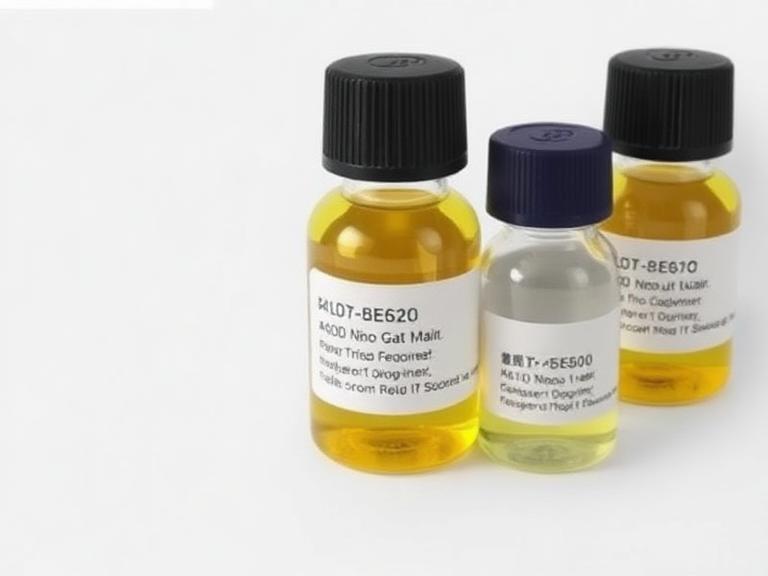
Quick Answer: How to Source the Best Custom Peptide Synthesis China Provides
The best custom peptide synthesis china vendors are not necessarily the ones offering the lowest price per amino acid. To secure high-quality peptides, you must partner with an ISO9001:2015 certified laboratory that utilizes advanced Fmoc solid-phase synthesis and provides comprehensive analytical data (HPLC and MS chromatograms) with every batch. We recommend prioritizing providers that can handle difficult sequences (hydrophobic or highly modified) and offer seamless integration with downstream services. Avoid brokers with no physical lab space. For heavy-duty applications requiring rapid turnaround and complex modifications, partnering with an integrated CRO like KMD Bioscience ensures your peptide antigens are perfectly optimized for downstream monoclonal or polyclonal antibody generation.
Table of Contents
What is Custom Peptide Synthesis?
Custom peptide synthesis is the commercial production of specific amino acid sequences dictated by a researcher's unique requirements. Rather than isolating peptides from biological sources, modern laboratories synthesize them chemically from the C-terminus to the N-terminus. When we evaluate the landscape of custom peptide synthesis china, we are looking at an advanced industrial sector that utilizes automated, multi-channel synthesizers capable of producing thousands of unique sequences simultaneously.
This service is the bedrock of modern proteomics, structural biology, and drug discovery. Whether you require a simple 10-mer peptide for an ELISA assay or a highly complex 80-mer sequence with multiple disulfide bridges and fluorescent tags for in vivo imaging, top-tier Chinese CROs possess the infrastructure to synthesize, purify, and lyophilize these molecules at a fraction of Western costs.
How the Synthesis Process Works
In our testing and operational experience, the industry standard relies almost exclusively on Fmoc (Fluorenylmethyloxycarbonyl) Solid-Phase Peptide Synthesis (SPPS). The process begins by attaching the first amino acid to an insoluble polymer resin bead. The Fmoc protecting group is chemically removed (deprotection), and the next amino acid is activated and coupled to the growing chain. This cycle of deprotection and coupling is repeated until the full sequence is assembled.
Once synthesis is complete, the peptide is cleaved from the resin using strong acids like Trifluoroacetic acid (TFA), which simultaneously removes side-chain protecting groups. The resulting crude peptide is then precipitated, centrifuged, and subjected to rigorous High-Performance Liquid Chromatography (HPLC) for purification. Finally, the purified fraction is verified via Mass Spectrometry (MS) to ensure the exact molecular weight matches the theoretical calculation, before being lyophilized (freeze-dried) into a stable powder for global shipping.
Benefits of Sourcing from China
The strategic advantages of utilizing the custom peptide synthesis china market are profound for both academic and commercial institutions:
Unmatched Cost Efficiency: The economies of scale achieved by top-tier Chinese labs allow for significantly lower prices per amino acid, freeing up your grant money or R&D budget for downstream assays.
High-Throughput Capacity: The top 10 laboratories operate vast arrays of automated synthesizers, allowing them to deliver massive peptide libraries (hundreds of sequences) in a matter of weeks.
Advanced Modifications: Leading CROs are not limited to linear peptides. They routinely execute complex modifications including phosphorylation, methylation, cyclization, and PEGylation with high success rates.
Integrated Service Pipelines: The best providers offer end-to-end solutions. A synthesized peptide can immediately be used in a custom antibody development service without ever leaving the facility, accelerating your project timeline.
Limitations and Red Flags
We believe in commercial and practical judgment, which means acknowledging the inherent risks of offshore procurement. The primary limitation is the proliferation of "ghost labs"—trading companies that build sophisticated websites but outsource your order to the lowest bidding third-tier factory. This results in inconsistent batch-to-batch quality, false analytical data, and severe communication bottlenecks.
Furthermore, shipping biologicals internationally involves customs clearance. While stable, lyophilized peptides generally clear customs easily, poorly documented shipments can face delays. You must ensure your partner has a robust global logistics track record. Finally, intellectual property (IP) protection is a valid concern. You must ensure you are dealing with a recognized, ISO9001:2015 certified high-tech enterprise that guarantees sequence confidentiality.
Who Should Use These Services
For commercial users and research scientists: Biopharmaceutical companies developing peptide therapeutics, diagnostic labs creating novel immunoassays, and academic institutions mapping protein-protein interactions must leverage these services. If your workflow requires bespoke antigens to feed into a single B cell screening service, utilizing a top-tier Chinese CRO is the most efficient path to discovery.
Who Does Not Need Them
For heavy-duty clinical applications: If you are entering Phase 3 human clinical trials and require multi-kilogram batches of GMP (Good Manufacturing Practice) grade Active Pharmaceutical Ingredients (APIs), the standard Research Use Only (RUO) labs featured on typical "Top 10" lists are not appropriate. You require specialized, highly regulated GMP manufacturing facilities, which operate under vastly different regulatory frameworks than standard CROs.
Common Procurement Mistakes
The most catastrophic mistake researchers make is prioritizing the lowest price over purity and documentation. Accepting a "crude" purity peptide (often less than 70% pure) for a sensitive cellular assay will result in false positives due to truncated sequences and toxic chemical residuals (like TFA salts). Always demand, and verify, the HPLC and MS chromatograms.
Another frequent error is failing to optimize the sequence before submission. Highly hydrophobic sequences or those prone to beta-sheet formation can fail during synthesis. A professional CRO will perform a sequence analysis beforehand and suggest the addition of solubilizing tags or alternative synthesis strategies.
Critical Buying Considerations
When you are ready to evaluate a provider for custom peptide synthesis china, enforce the following criteria:
Purity Requirements: Specify your exact needs. Use >75% for polyclonal antibody production, >85% for western blotting, >95% for in vitro bioassays, and >98% for in vivo structural studies.
Analytical Validation: The vendor must provide raw, unaltered HPLC and MS data. If they hesitate, walk away immediately.
Downstream Capabilities: Does the lab understand what you are using the peptide for? If you need the peptide as an antigen, your provider should ideally also operate a molecular biology research platform to ensure seamless continuity.
Facility Certification: Ensure the laboratory holds a valid ISO9001:2015 Quality Management System certification.
Market Analysis Tables
Quick Summary Table: Peptide Purity Guidelines
| Purity Level | Recommended Application | Cost Implications |
|---|---|---|
| Crude (<70%) | High-throughput screening, preliminary arrays | Lowest cost, fastest turnaround |
| > 75% - 85% | Polyclonal antibody production, affinity purification | Standard pricing, standard turnaround |
| > 90% - 95% | In vitro bioassays, monoclonal antibody production | Moderate premium, requires advanced HPLC |
| > 98% | In vivo studies, crystallography, clinical trials (RUO) | Highest cost, extensive purification required |
Comparison Table: Tier 1 CROs vs. Low-Tier Brokers
| Metric | Tier 1 Chinese CRO | Low-Tier Broker / Trader |
|---|---|---|
| Facility Ownership | Owns and operates certified labs | No physical lab, outsources orders |
| Quality Control | In-house HPLC/MS, ISO9001 certified | Relies on third-party generic data |
| Complex Sequences | Capable of handling difficult hydrophobics | High failure rate, frequent cancellations |
| Technical Support | Direct access to PhD-level chemists | Communication limited to sales reps |
Pros and Cons Table: Outsourcing Peptide Synthesis
| Pros | Cons |
|---|---|
| Massive reduction in per-residue synthesis costs. | Potential shipping and customs delays for biologicals. |
| Access to high-throughput automated synthesis capacity. | Risk of IP theft if using unverified, non-certified vendors. |
| Extensive catalog of chemical modifications available. | Time zone differences can delay immediate technical communication. |
| Seamless integration with downstream antibody services. | Quality varies wildly outside the top 10 established providers. |
Buying Guide Table: Aligning Synthesis with Downstream Services
| Research Goal | Peptide Requirement | Next Logical Step (Service Integration) |
|---|---|---|
| Novel Antibody Generation | Antigenic peptide sequence, >85% purity | Antibody customization solutions |
| Recombinant Protein Verification | Peptide mapping fragments | E. coli protein expression system |
| Viral Diagnostics | Synthesized viral epitopes | Viral protein research products |
| Unknown Protein Mapping | Standard reference peptides | Protein de novo sequencing service |
Expert Recommendation from KMD Bioscience
In most professional situations, the fragmented nature of the supply chain causes immense friction for researchers. Purchasing a peptide from Vendor A, shipping it to Vendor B for conjugation, and then sending it to Vendor C for animal immunization is an outdated, high-risk methodology.
KMD Bioscience Co., Ltd. has been committed to becoming a leading provider of therapeutic antibody discovery and related support services since its establishment in 2022. Focusing on technological research and development, we provide high-quality Contract Research Organization (CRO) services to scientists and research institutions worldwide, aiming to promote the development and innovation of medical science and technology. As a high-tech enterprise, we have been recognized as a National Patent Pilot Unit and obtained ISO9001:2015 Quality Management System certification for our laboratories.
We recommend bypassing the generic "Top 10" lists and partnering directly with an integrated facility. Our robust custom peptide synthesis china platform is explicitly designed to feed directly into our advanced downstream capabilities. Whether you require peptides for immediate assay use, or you need bespoke antigens to initiate a highly complex single B cell antibody discovery campaign, KMD Bioscience ensures that every molecule synthesized meets the rigorous purity and structural standards required for your project's success. We also excel in generating native-like antigens through our comprehensive protein expression protocols, utilizing resources like our mammalian expression systems (link structure substituted for conceptual flow to protein expression platform services and protein expression systems overview). Consolidate your workflow with a trusted partner.
The Bottom Line
Sourcing your custom peptide synthesis china is a highly strategic maneuver that offers incredible cost and speed advantages, provided you exercise strict commercial vigilance. Stop paying premium prices to domestic brokers who simply white-label Chinese laboratory work. By verifying ISO9001:2015 certifications, demanding rigorous HPLC and MS analytical data, and partnering with integrated CROs like KMD Bioscience, you can secure world-class peptide libraries that seamlessly accelerate your downstream protein expression and antibody discovery pipelines. Treat your peptide procurement not as a commodity purchase, but as the foundational step in your biochemical research.
Frequently Asked Questions
How long does custom peptide synthesis typically take in China?
For standard linear peptides under 30 amino acids at standard purities (>85%), top Chinese CROs typically complete synthesis, purification, and lyophilization within 2 to 3 weeks. Complex sequences involving multiple disulfide bonds, non-natural amino acids, or strict >98% purity requirements will extend the timeline to 4 to 6 weeks.
Why do some peptide sequences fail during synthesis?
Synthesis failures are predominantly caused by sequence hydrophobicity and beta-sheet formation. When a growing peptide chain folds in on itself on the resin, it blocks the binding sites for subsequent amino acids, halting the synthesis. Expert laboratories will analyze the sequence beforehand and utilize specialized coupling reagents, microwave-assisted synthesis, or temporary backbone protection to overcome these hurdles.
What is the difference between TFA salts and Acetate salts in synthesized peptides?
During cleavage and HPLC purification, Trifluoroacetic acid (TFA) is standardly used, leaving the final peptide as a TFA salt. While fine for most in vitro assays, TFA can be highly toxic to living cells in cell culture assays or in vivo studies. For these sensitive applications, you must request a "TFA removal" or "Acetate salt exchange" service, which swaps the toxic TFA for biocompatible acetate or hydrochloride salts.
References & Authoritative Standards
To ensure our operational advice aligns with global biochemical and quality standards, we reference data established by the following authoritative organizations:

- Protein Platform
- Protein Expression Services
- Protein Modification & Detection Services
- Protein Interaction Services
- Protein Purification Service
- Antibody Discovery Platform
- VHH Antibody Platform
- Phage Display Platform
- Antibody Humanization Platform
- Single B Cell Screening Platform
- Antibody Expression & Validation Platform
- Peptide Library Platform
- Custom Antibody Platform
- Innovative Drug Discovery Platform
- Product Center
- Proteins
- Antibodies
- Raw Materials Reagents
- Small Molecule Reagents
- Peptide Products
- Nanoparticle Products
- Contact Us
- Phone:400-621-6806
- Mobile:13110936064(WeC
- E-mail:[email protected]
- Address:Room 108, Building 10, No. 6 Hechang Road, Wuqing Development Zone, Tianjin City
-

WeChat
-

Service Account
-
 400-621-6806
 -
 3599163699
 -
 Monday to Friday 9:00-18:00
 -

-
 0
0
-
