Home
>>
Protein Platform
>>
Protein Purification Service
>>
Native Protein Purification Service
Native Protein Purification ServiceIntroduction

Native proteins exhibit highly diverse characteristics, each with unique properties and abundant background impurities. A fundamental step in protein research is to remove non-protein contaminants by exploiting similarities among proteins, and then to purify the target protein from complex mixtures by leveraging differences in properties such as size, shape, charge, hydrophobicity, solubility, and biological activity. Therefore, protein purification plays a critical role in biochemical research, and efficient purification technologies are essential for obtaining high-purity, biologically active target proteins.

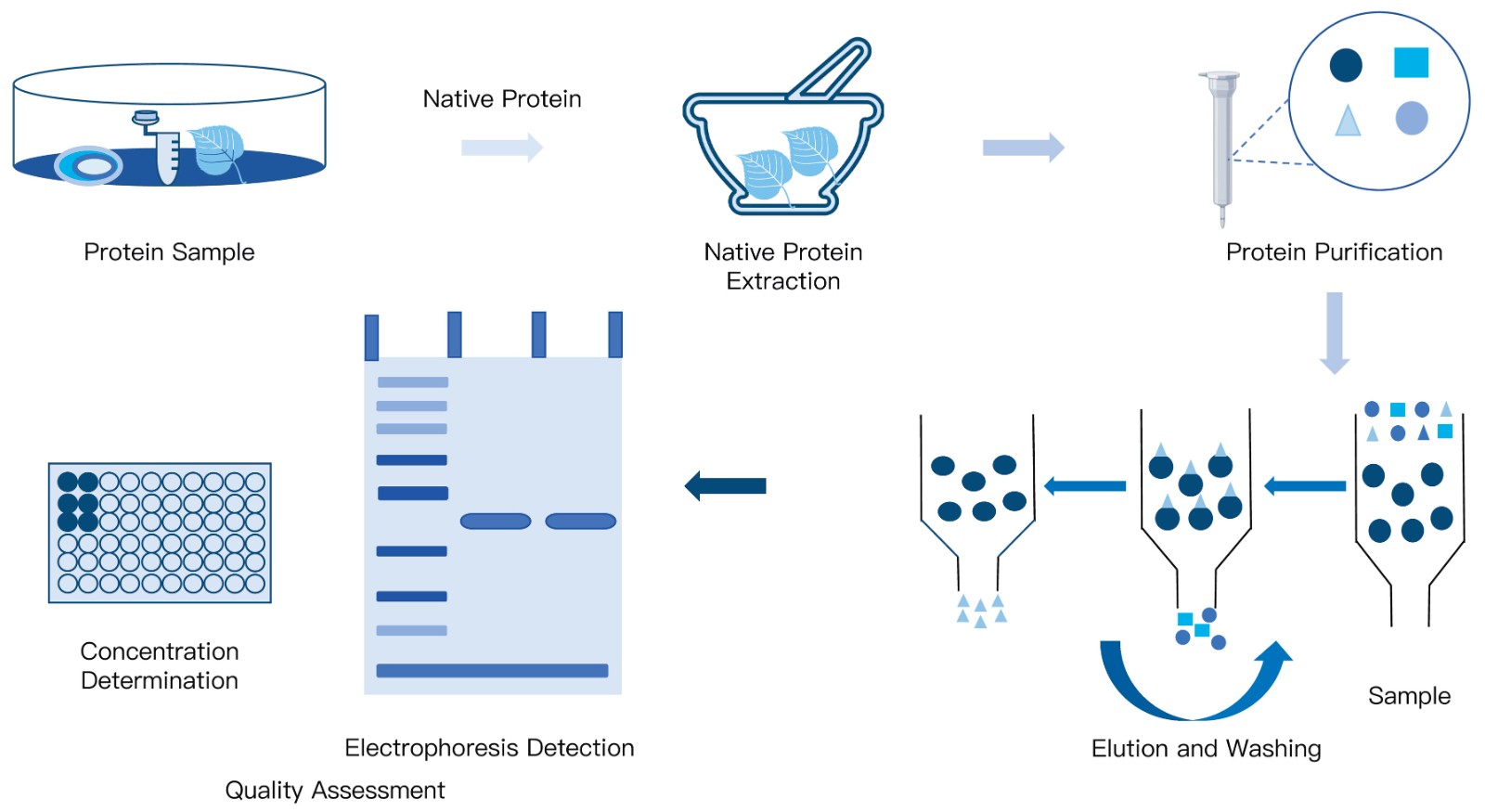
KMD Bioscience has accumulated years of experience in native protein separation and purification. We accept native protein samples from a variety of species, tissues, or other sources. Since native proteins lack affinity tags, one-step purification is usually insufficient. Thus, our purification process is centered on ion exchange chromatography and size exclusion chromatography. We analyze the provided sample information and develop a customized, feasible Purification Plan to deliver customized services for our clients.
图片14.png

Figure 1. Workflow of Native Protein Purification Service
Introduction to Natural Protein Purification Samples

We accept native protein purification samples from various sources and separates and purifies the target proteins required by clients. Sample forms include animal and plant tissues, cells, microbial cells, supernatants from lysed microbes, denatured solutions, secretion/expression fluids, and powders.

The first step in isolating and purifying the target protein is to release the protein from its original sample in a dissolved state while maintaining its native conformation and biological activity. We select appropriate sample pretreatment methods according to the sample form.

For animal materials, connective tissues and fat are removed first. For seeds, the shells or seed coats are removed to avoid contamination by substances such as tannins. Oilseeds are preferably defatted with low-boiling organic solvents such as ether. Then, depending on the sample, suitable methods are chosen to break down tissues and cells.

Animal tissues and cells can be disrupted by electric homogenizers, blenders, or ultrasonic treatment. Plant tissues and cells usually require grinding with quartz sand or glass powder along with an appropriate extraction buffer, or treatment with cellulase. Common methods to disrupt bacterial cell walls include ultrasonic disruption, sand grinding, high-pressure extrusion, or lysozyme treatment.

After tissue and cell disruption, proteins are extracted using appropriate buffers. Insoluble materials such as cell debris are removed by centrifugation or filtration.

If the target protein is mainly concentrated in specific cellular components, such as nuclei, chromosomes, ribosomes, or soluble cytoplasm, differential centrifugation can separate these components, allowing collection of the fraction as the starting material for further purification. If the target protein is bound to membranes or membranous organelles, membrane structures must be disrupted by ultrasound or detergents, followed by extraction using suitable media.

Classification of Natural Protein Purification Services

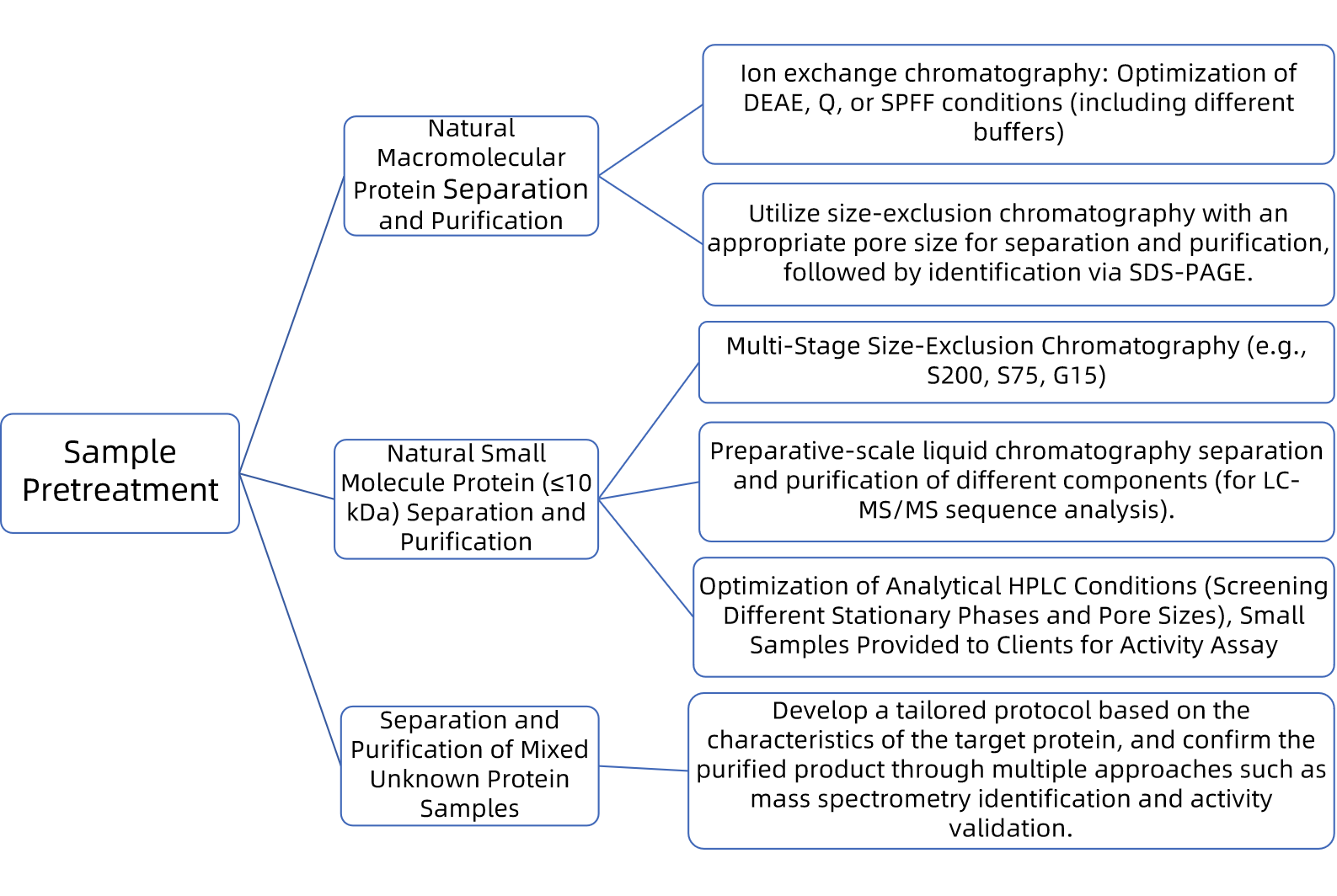
Based on the sample type and the properties of the target protein, native protein purification generally falls into three categories: Purification of Native Macromolecular Proteins, Purification of Native Small-Molecule Proteins, and Purification of Mixed or Unknown Protein Samples.

Purification of Native Macromolecular Proteins: According to the physicochemical properties of the target protein, the process typically begins with various ion exchange chromatography steps. Different buffer systems are explored, and appropriate pore size of size exclusion chromatography columns is selected for separation and purification.

Purification of Native Small-Molecule Proteins: Native small-molecule proteins usually refer to various natural enzymatic hydrolysates obtained through enzymatic digestion, with molecular weights typically below 10 kDa. Clients often need to isolate high-activity peptide sequences. Based on years of experience, we typically begin with multistage size exclusion chromatography (such as S200, S75, G15) to remove macromolecular impurities. The resulting small-molecule mixture is then further purified using macroporous resin or reversed-phase resin. Finally, the sequences of small peptides are identified using HPLC and MS/MS.

Purification of Mixed or Unknown Protein Samples: In some special cases, clients may only provide an activity assay without any information about the target protein. In such scenarios, we develop a Purification Plan based on the presumed characteristics of the target protein. The purified products are then validated through mass spectrometry, activity assays, and other approaches to ensure the acquisition of a high-purity, biologically active target protein.

图片31.png

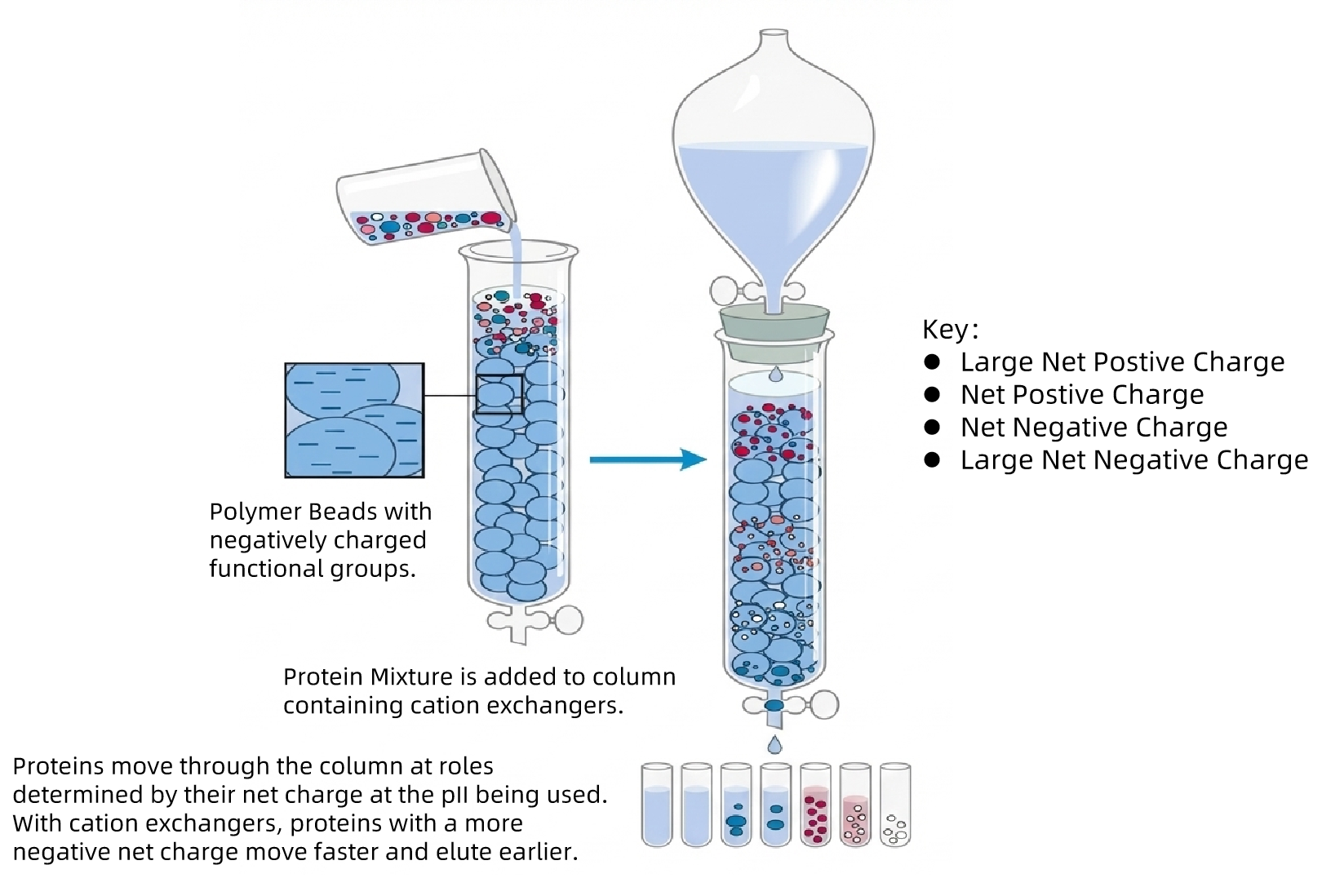
Figure 2: Schematic diagram of ion-exchange chromatography

图片30.png

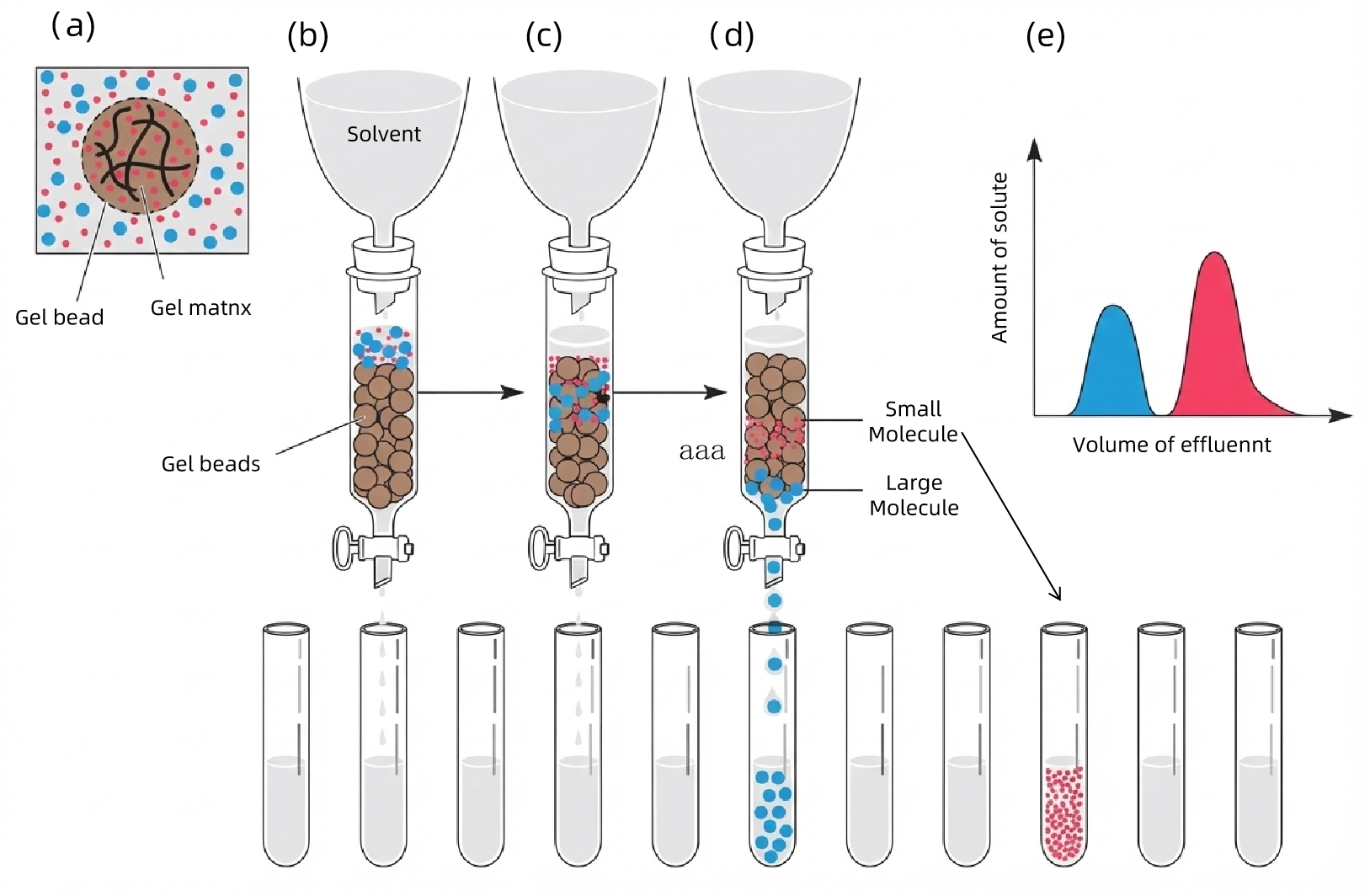
Figure 3: Schematic diagram of gel-filtration chromatography

Natural Protein Purification Process

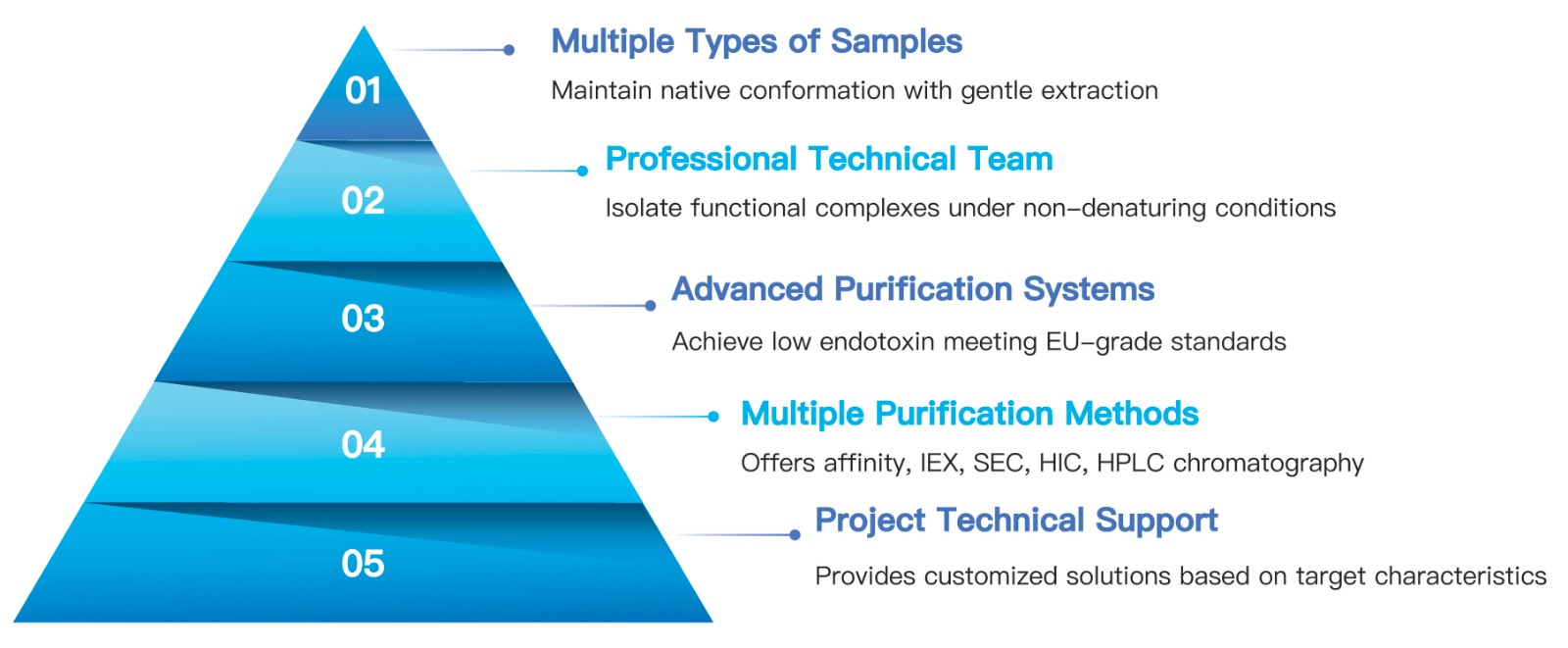
We have established a comprehensive native protein purification system, offering a variety of purification methods, including affinity chromatography, ion exchange chromatography, size exclusion chromatography, hydrophobic interaction chromatography, HPLC and others. Equipped with advanced AKTA Purification Systems and a wide range of pre-packed purification columns, we are capable of purifying native protein samples from various sources. With over a dozen types of GE purification media available, we can perform large-scale, high-throughput protein separation and purification to obtain high-purity proteins, significantly saving researchers valuable time and meeting diverse experimental needs.

Our native protein purification process is designed not only to select the most suitable purification techniques but also to optimize experimental parameters. Each purification step is efficiently connected to minimize steps, labor, and cost, enabling maximum recovery of target proteins from minimal sample input while preserving biological activity. This ensures that the purified proteins can be used for activity testing, experimental analysis, and downstream applications. Additionally, KMD provides fully traceable documentation to support customers in establishing their own purification processes.

13-KMDBioscience-Natural-Protein-Purification-Services.jpg

The process of natural protein separation and purification

Step

Service content

Timeline

Step1 Pre-purification testing & pilot purification

* SDS-PAGE analysis of the sample
* Volume purification and assessment:
(1) Ion exchange chromatography (condition optimization of buffer system, resins, elution conditions, salt gradient, etc.)
(2) Ammonium sulfate fractionation and hydrophobic chromatography
(3) Size exclusion chromatography (condition optimization)
(4) Purification condition optimization
(5) Mass spectrometry identification of target bands (optional)

2-3 weeks

Step2 Protein purification and detection

* Large-scale purification (based on pilot conditions)
* SDS-PAGE (purity verification)
* Western Blotting (depend on project)
* Concentration measurement (UV absorption, BCA assay, etc.)

2-3 weeks

Delivery

* Final purified protein
* Purification report
* Experimental data and images

Service advantages

14-KMDBioscience-Natural-Protein-Purification-Services.jpg

Case Study: Native Protein Purification Service
Case 1: Purification of Cell Culture Additives

蛋白纯化图谱-卡梅德科技.png

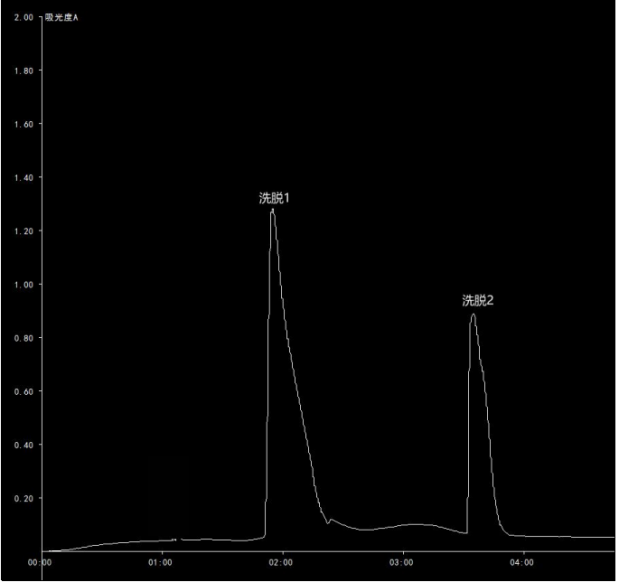
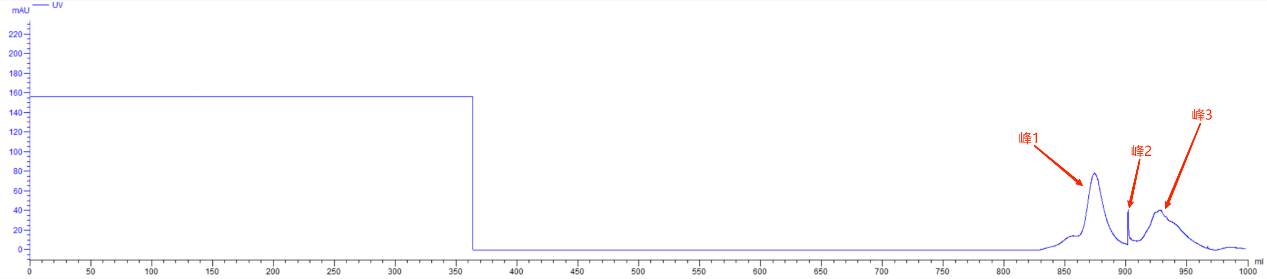
Figure 4. Purification Profile of XX Protein

SDS-PAGE结果-卡梅德科技.png

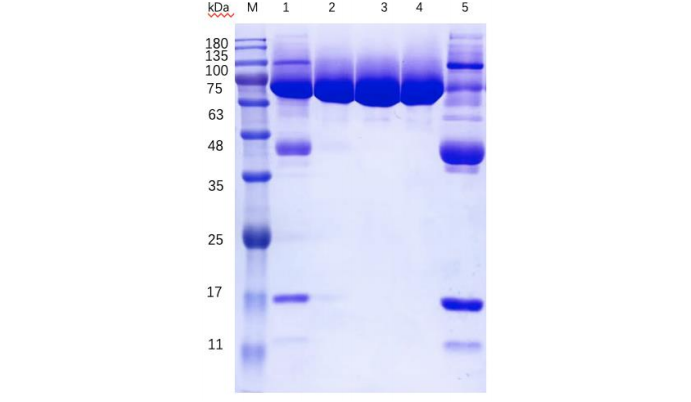
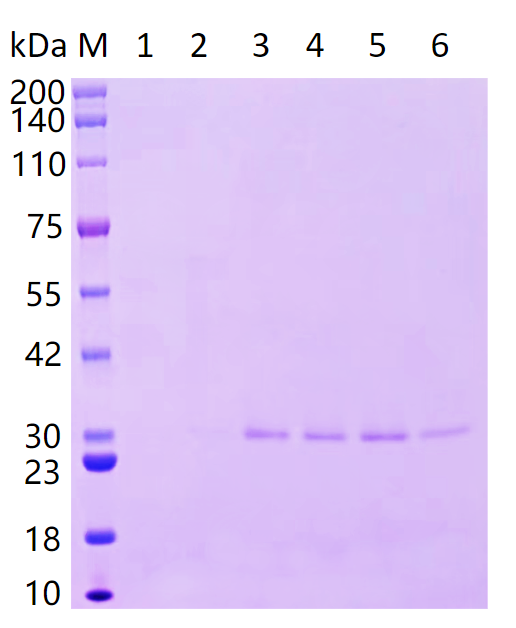
Figure 5. SDS-PAGE Analysis of XX Protein Purification


Case 2: Purification of Pear Samples

蛋白凝胶过滤层析图-卡梅德科技.png

Figure 6. Gel Filtration Chromatography of XX Protein

蛋白纯化SDS-PAGE结果-卡梅德科技.png

Figure 7. SDS-PAGE Analysis of Purified XX Protein

Login

Don’t have an account?Sign Up Now

Register

Already have an account?Log In Now