


KMD Bioscience has been dedicated to the research of Recombinant Protein Expression and Production for many years. During the analysis of recombinant protein expression and purification products, it is essential to verify the N-terminal sequence of the protein. The N-terminal is a crucial structural and functional region of proteins and peptides. In many cases, only a few amino acid residues at the N-terminal are sufficient for protein identification. We have experienced technical personnel and advanced sequencing instruments. Based on our existing Mass Spectrometry Platform, we provide N-terminal protein sequencing services using the Edman degradation method, which allows accurate identification of up to 67 amino acid residues from the protein’s N-terminal.
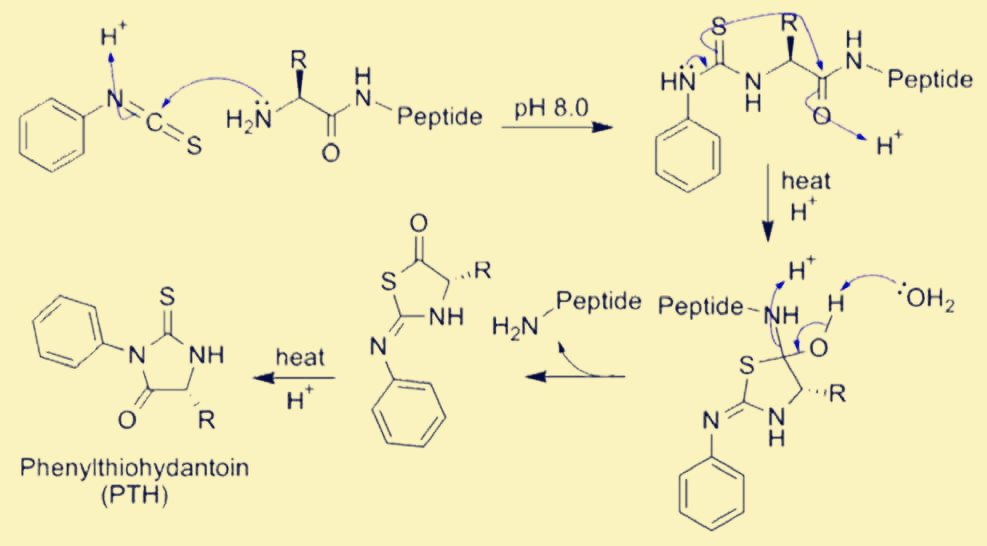
Edman degradation involves three main steps for each amino acid residue cycle: The first step is carried out under alkaline conditions, where PITC reacts with the free amino group at the N-terminal of the protein. The second step occurs under acidic conditions, during which the N-terminal amino acid residue is cleaved. The third step involves conversion of the PITC-labeled residue into a more stable PTH derivative, which is then analyzed by online HPLC. The amino acid type is identified based on its retention time in the HPLC elution profile.
Sequencing Workflow: The protein sample is first separated by SDS-PAGE to ensure sufficient purity for sequencing. The target protein band is then transferred onto a PVDF membrane. After staining to locate the band, it is excised and subjected to Edman sequencing. The protein sample on the PVDF membrane is analyzed by an Edman sequencer. The sequencing principle is illustrated in Figure 1.
Provided by Customer | Requirement |
PVDF-transferred membrane | * Please refer to the attachment for specific transfer conditions. Use PVDF membranes only. Do not use NC (nitrocellulose) membranes. Stain with Coomassie Brilliant Blue R-250 or Ponceau S. |
Lyophilized protein powder | * If purity is > 95%, membrane transfer is not required. The sample buffer must be salt-free. Provide 20–60 μg. |
Naturally purified peptide | * HPLC purity > 95%, provide approximately 100 μg. |
--Identification of expressed proteins and pull-down products: Verification of recombinant protein amino acid sequences and confirmation of immunoprecipitated protein products.
--Validation of cell line expression products: Confirm proper processing of N-terminal methionine and signal peptides during cell line establishment and fermentation.
--Analysis of extended amino acid sequences: Supports sequencing of up to 67 amino acids from the protein N-terminal.
--N-terminal sequence verification of antibody drugs.
--Sequence identification of naturally extracted and purified small peptides.
--Fast experiment time: 2–3 weeks.
A naturally purified small peptide sample: The protein was lyophilized and then reconstituted to a concentration of 1 μg/μL; 50 μL was loaded for analysis. Column information: C18, with a flow rate of 0.6 mL/min.
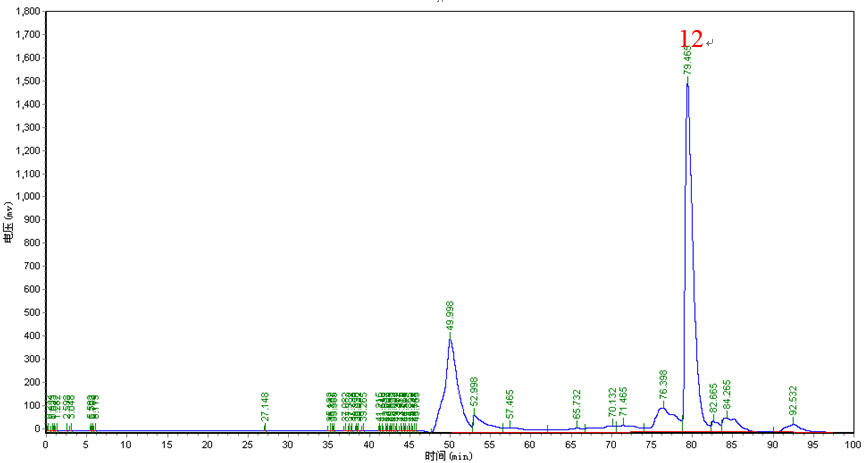
Figure 3 HPLC separation chromatogram
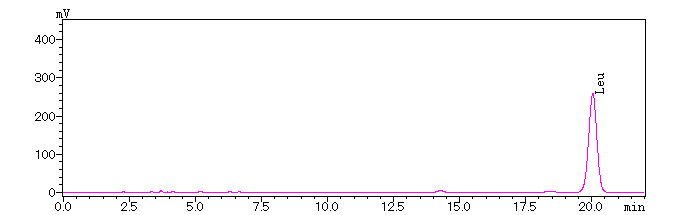
Figure 4 Chromatogram of the 1st N-terminal amino acid
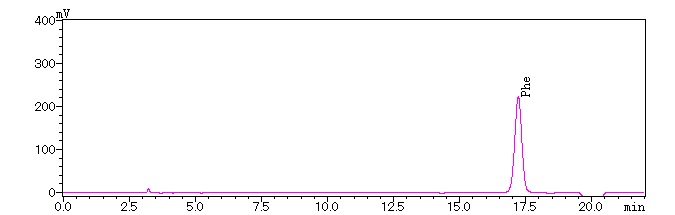
Figure 5 Chromatogram of the 2nd N-terminal amino acid

Figure 6 Chromatogram of the 3rd N-terminal amino acid
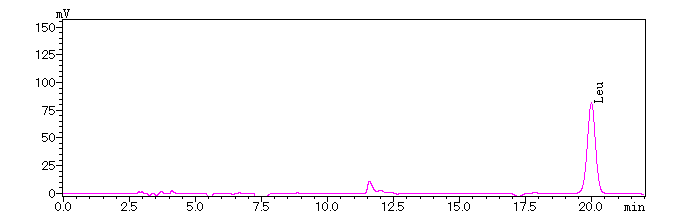
Figure 7 Chromatogram of the 4th N-terminal amino acid
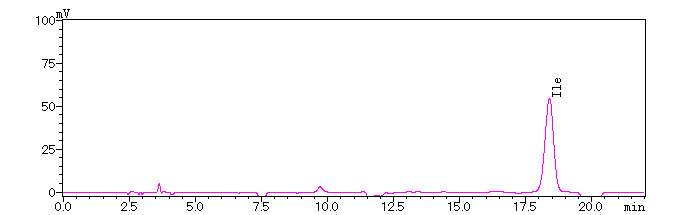
Figure 8 Chromatogram of the 5th N-terminal amino acid
-
High-Performance Liquid ...
KMD Bioscience employs advanced high-performance liquid ...
View Details→
-
GST-Pull Down Experiment...
The GST-pull-down assay provided by KMD Bioscience is a ...
View Details→
-
Sample Requirements for ...
KMD Bioscience provides high-quality protein N-terminus ...
View Details→
-
A Brief Discussion on Na...
KMD Bioscience can purify both labeled and unlabeled rec...
View Details→

- Protein Platform
- Protein Expression Services
- Protein Modification & Detection Services
- Protein Interaction Services
- Protein Purification Service
- Antibody Discovery Platform
- VHH Antibody Platform
- Phage Display Platform
- Antibody Humanization Platform
- Single B Cell Screening Platform
- Antibody Expression & Validation Platform
- Peptide Library Platform
- Custom Antibody Platform
- Innovative Drug Discovery Platform
- Product Center
- Proteins
- Antibodies
- Raw Materials Reagents
- Small Molecule Reagents
- Peptide Products
- Nanoparticle Products
- Contact Us
- Phone:400-621-6806
- Mobile:13110936064(WeC
- E-mail:[email protected]
- Address:Room 108, Building 10, No. 6 Hechang Road, Wuqing Development Zone, Tianjin City
-

WeChat
-
Service Account
-
 400-621-6806
 -
 3599163699
 -
 Monday to Friday 9:00-18:00
 -

-
 0
0
-
