In contrast to conventional antibodies (comprising the four subtypes IgG1, IgG2, IgG3, and IgG4), Camelid Antibodies include only three types: IgG1, IgG2, and IgG3. Among these, IgG1 is structurally similar to conventional antibodies, consisting of two heavy chains and two light chains. IgG2 and IgG3 lack the CH1 and light chain domains, hence known as heavy-chain Antibodies (hcAb), as illustrated in Figure 1.

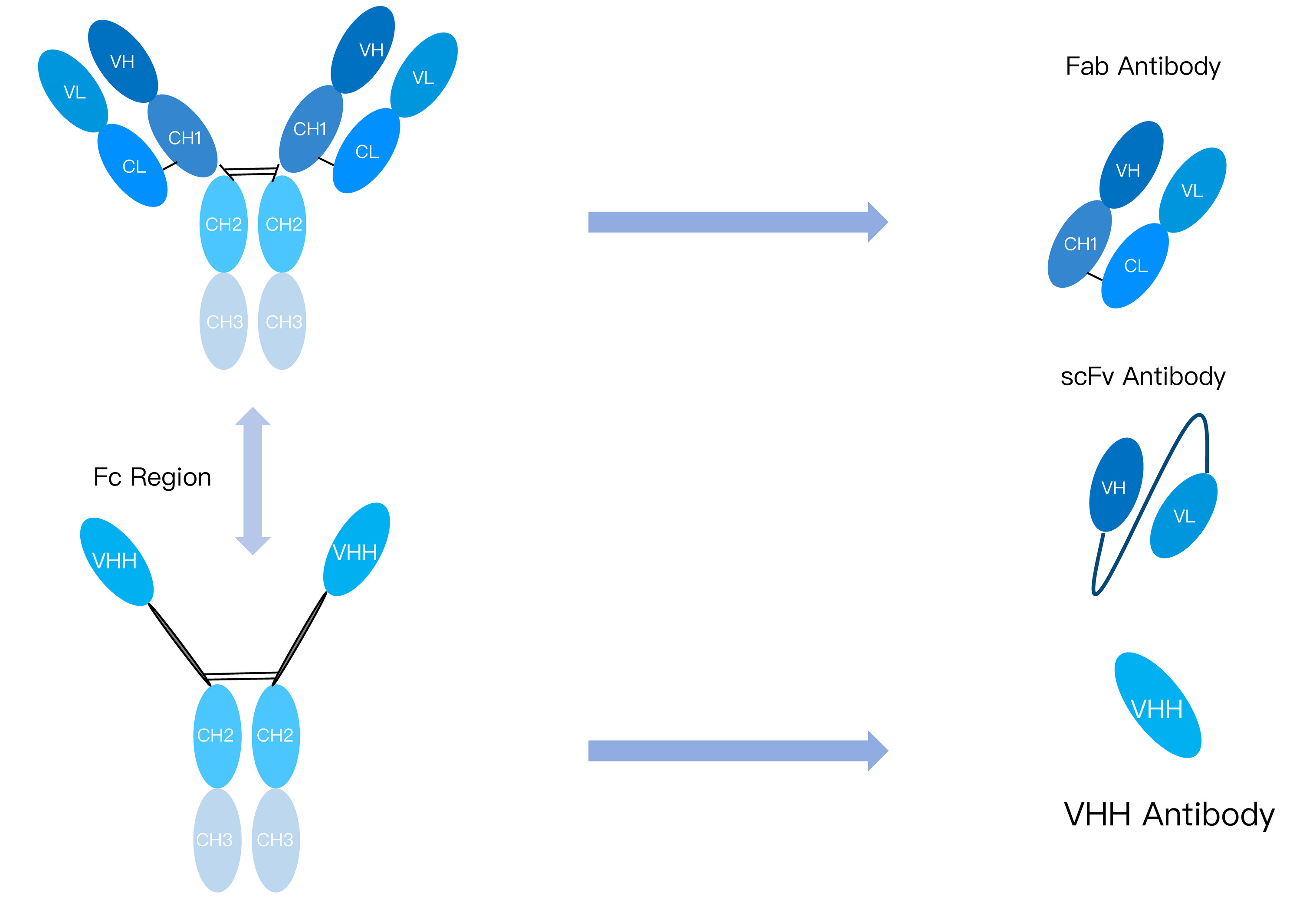
Figure 1. Schematic Structures of Conventional Antibodies versus Heavy-chain Antibodies.
(a) Conventional aAntibodies and their Fab/scFv Antibody Formats
(b) Heavy-chain Antibodies and their VHH Antibody Formats
Heavy Chain Antibodies (Single Domain Antibodies) account for approximately 40-50% of the antibodies in alpaca serum and 60-75% in camel serum. This significant difference gives Camel VHH Antibody Libraries an inherent advantage.
Camel Antibody Libraries primarily utilize the variable region sequences of camel heavy chain antibodies, known as VHH, to construct VHH Antibody Libraries. VHH Antibodies (Single Domain Antibodies) are characterized by containing only the antigen-binding domain of the heavy chain antibody, as shown in Figure 2.
VHH Antibodies are approximately 110 amino acids (AA) in length, with SDS-PAGE indicating a molecular weight of about 15 kDa (significantly smaller than the 150 kDa of conventional antibodies), and exhibit good stability, including resistance to low pH environments. Furthermore, VHH Antibodies demonstrate high adaptability for humanization, readily meeting the requirements for engineering and sorting immune cells such as in CAR-T cell therapy.
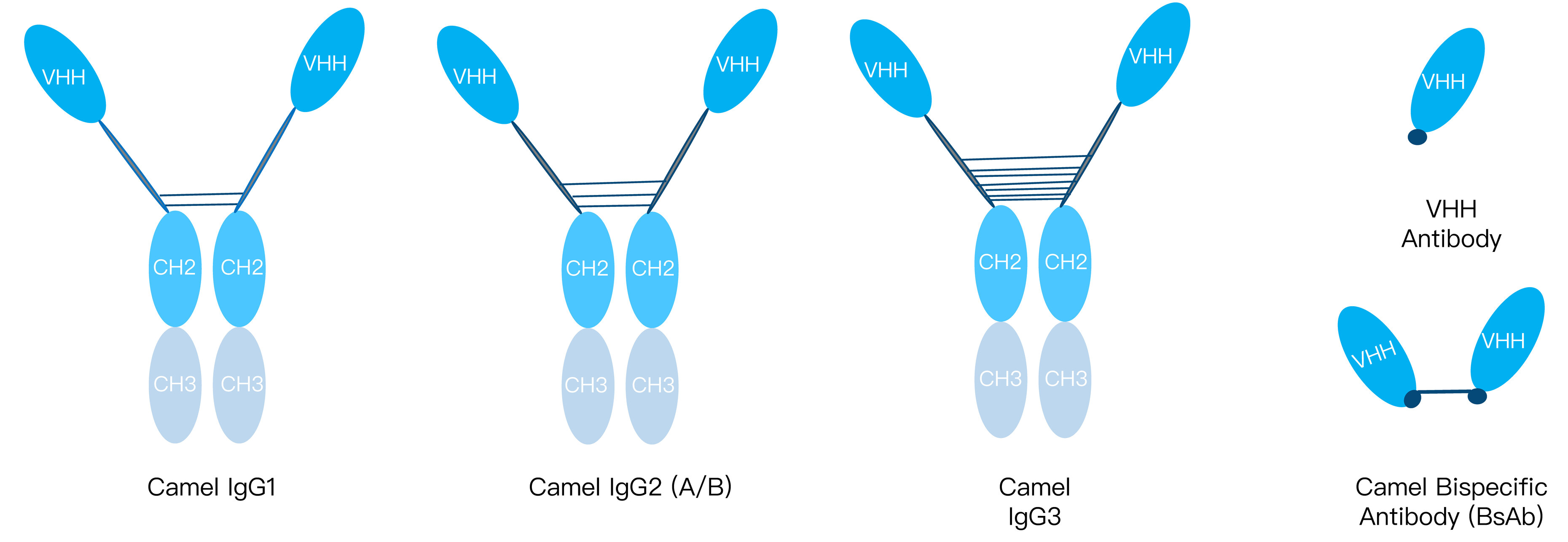
Figure 2. Structural Schematics of Camel Heavy-chain Antibodies and VHH Antibodies.







 0
0
