


KMD Bioscience has been dedicated to the study of protein-nucleic acid interactions for many years. In eukaryotes, genomic DNA exists in the form of chromatin. Studying the interaction between proteins and DNA in the chromatin environment is a fundamental approach to understanding the gene expression mechanisms in eukaryotic organisms. Our scientists have accumulated extensive experience in immunodetection technology research and can quickly customize Protein-Nucleic Acid Interaction Research Detection Plans for different clients. With years of advanced technical expertise, we not only complete experiments quickly but also ensure meticulous control of every experimental step to guarantee accurate, objective, and reliable results. We have established a mature and comprehensive antibody platform, protein platform, and other technical platforms, with complete protein detection equipment. Furthermore, we have extensive experience in Recombinant Tag Protein Expression and can express recombinant proteins with tags such as GST, Myc-tag, Flag-tag, and HA-tag in both prokaryotic and eukaryotic expression systems. Using antibodies specific to these tagged proteins, we can provide chromatin immunoprecipitation (ChIP) services to clients.
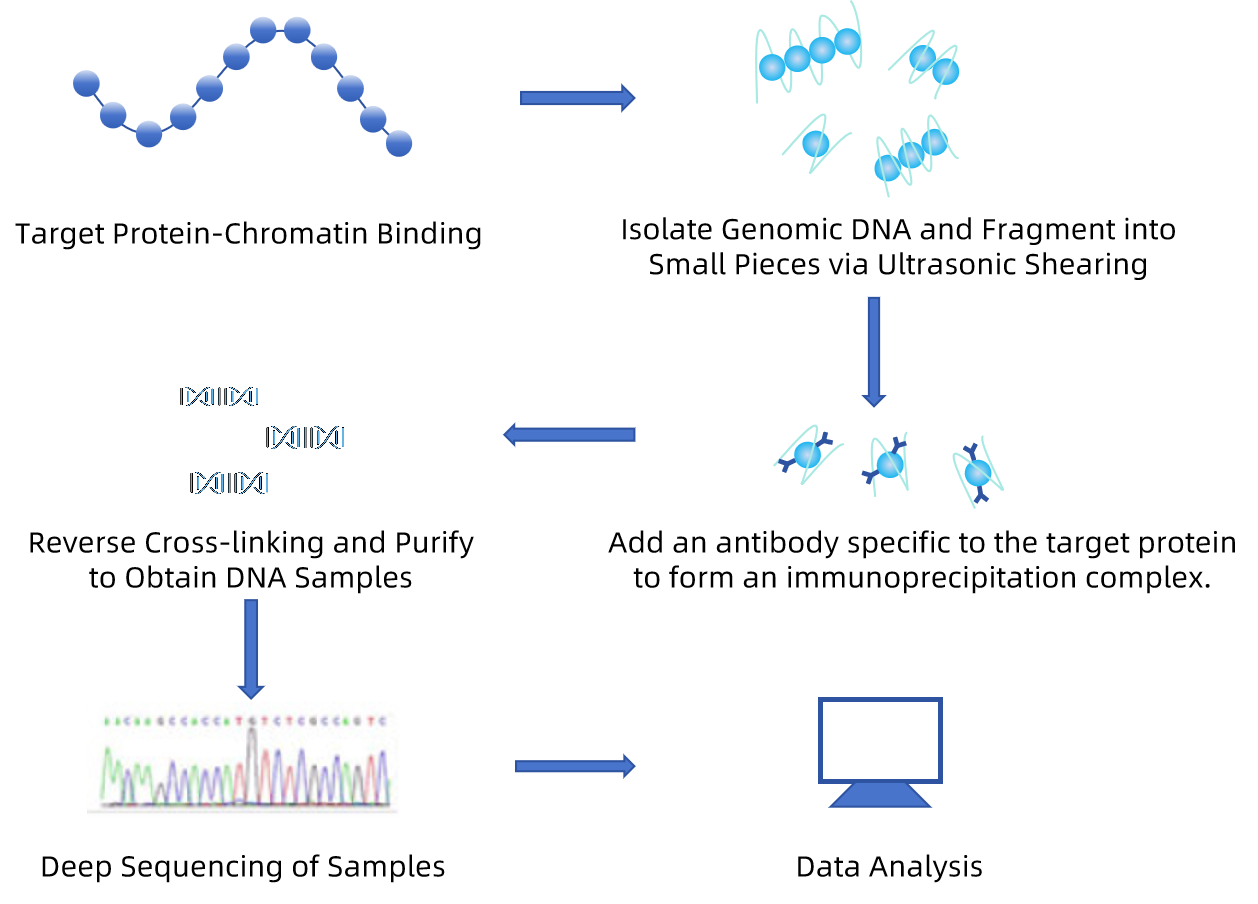
Chromatin Immunoprecipitation (ChIP) is a powerful tool for studying protein-DNA interactions in vivo. Using this technology, not only can the dynamic interactions of trans-acting factors with DNA be detected, but it can also be used to study various covalent modifications of histones and the relationship between transcription factors and gene expression. ChIP generally includes cell fixation, chromatin fragmentation, chromatin immunoprecipitation, reversal of crosslinking reactions, and DNA purification and identification. Unlike immunoprecipitation techniques that explore protein-protein interactions, ChIP provides a true and complete reflection of the target protein's regulatory information bound at the DNA promoter region. It is a standard experimental technique for studying DNA-protein interactions at the whole genome level and is commonly used to detect protein-DNA interactions in the natural chromatin environment in vivo. One advantage of ChIP is the ability to capture specific protein-DNA interactions in a system and quantify these interactions using quantitative PCR (qPCR). ChIP is increasingly becoming an essential tool for studying transcriptional regulation in eukaryotic cells.
ChIP assay involves relatively complex steps. To achieve the final experimental goal, it is not enough to merely understand the experimental process. It is necessary to explore reagent concentrations and refine experimental details. To avoid wasting samples and save the client's valuable time, we provide high-quality Outsourced ChIP Assay Services. Our researchers strictly control the quality of every key step in the experimental process to ensure that clients obtain ideal experimental results.
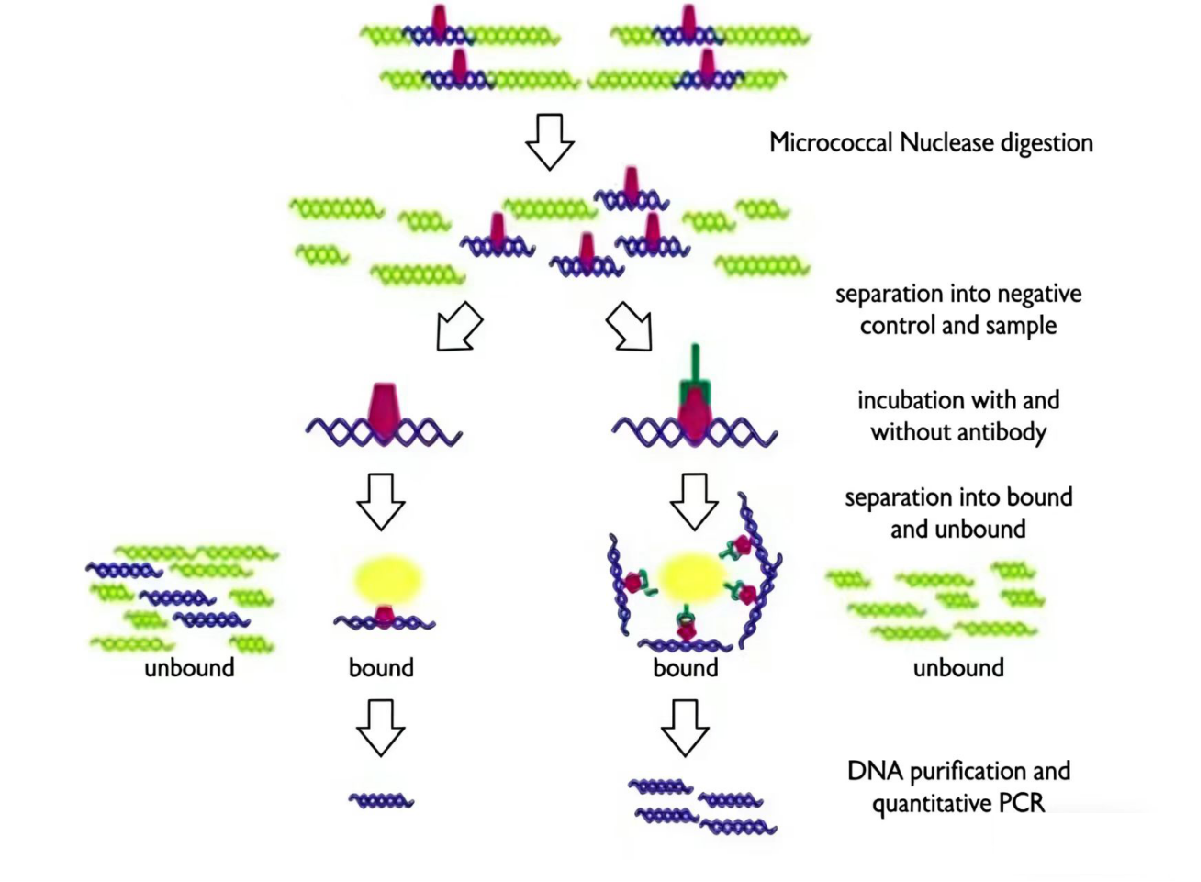
Figure 1. Principle of Chromatin Immunoprecipitation (ChIP) Assay





 0
0
