


KMD Bioscience has been dedicated to protein-protein interaction research for many years. Protein-protein interactions reveal the interaction patterns between molecules, which is essential for understanding intracellular signal transduction processes and regulating cellular functions and signaling. Our scientists have accumulated extensive experience in protein-protein interaction research and detection, using advanced techniques to quickly complete experiments, saving valuable time and resources for our clients. Additionally, we have rich experience in recombinant tagged protein expression, and we can express recombinant proteins tagged with GST, Myc-tag, Flag-tag, HA-tag, etc., in both prokaryotic and eukaryotic expression systems. We have established a comprehensive Protein Expression Platform with complete protein detection equipment and technologies. Our Co-IP assay and Pull-Down techniques are sourced from the IPS Laboratory at Kyoto University in Japan, ensuring precision control of every experimental step and guaranteeing accurate, objective, and reliable results. We insist on providing high-quality services and offers one-stop solutions ranging from Recombinant Protein Production to Protein Expression and Purification, as well as Protein-Protein Interaction Research, with customized solutions to meet various customer needs.
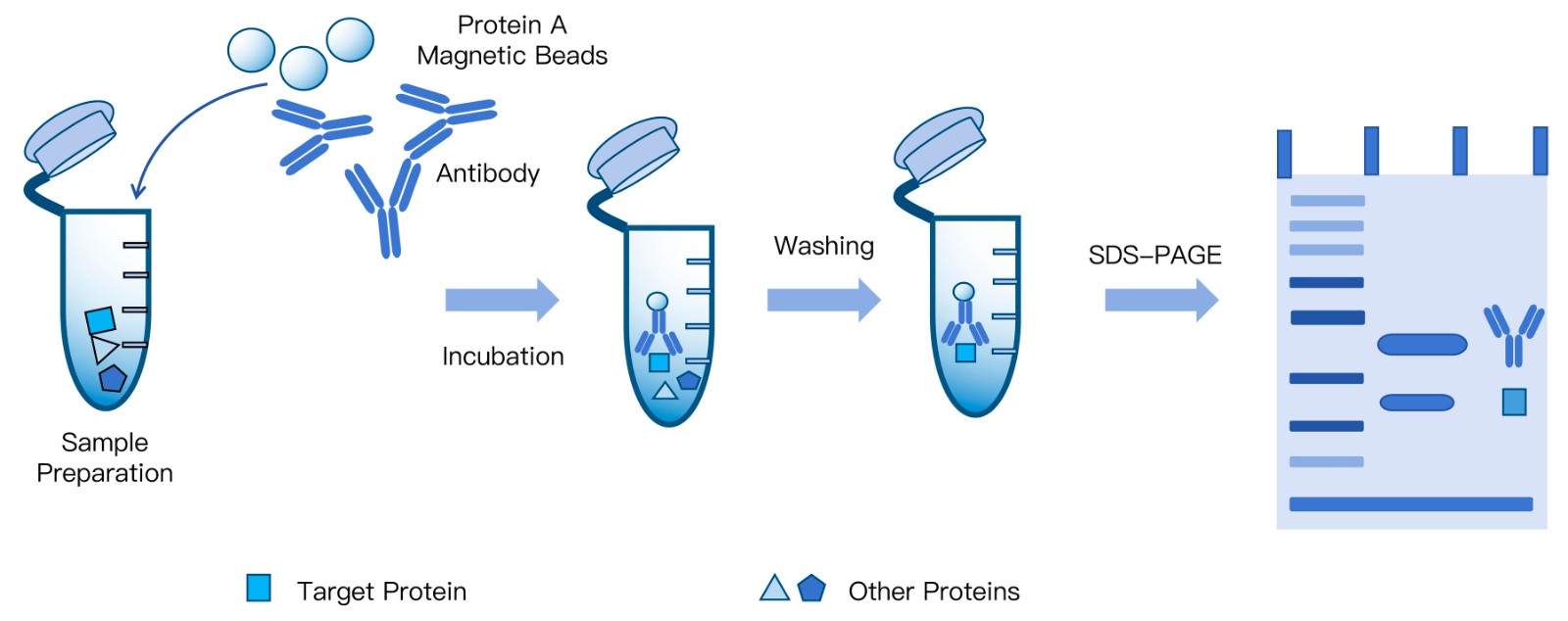
Co-immunoprecipitation (Co-IP) is a classic method based on the specific immunoreaction between antibodies and antigens, used to study protein-peptide and protein-protein interactions. It is an effective method to determine the physiological interactions of proteins and peptides within intact cells. This technique utilizes the specific binding between antibodies and antigens, where antibodies specifically recognize and bind to the antigen in the sample, followed by the use of agarose-conjugated protein A/G to bind to the antibodies, allowing the antigen-antibody complex to precipitate. After elution, gel electrophoresis, and analysis through techniques such as Western Blot, the specific antigen content in the sample can be quantified or qualitatively analyzed. Co-IP assays can verify the natural binding of two proteins within cells, providing highly reliable results that reflect in vivo conditions.
While Co-IP assays involve multiple steps, each step is crucial to achieving the desired results. Not only is high-quality antibody necessary, but strict control over the immunoprecipitation system is also required. We provide high-quality Co-IP Assay Services. Our researchers strictly control each critical step of the experimental procedure to ensure that clients receive ideal experimental results.
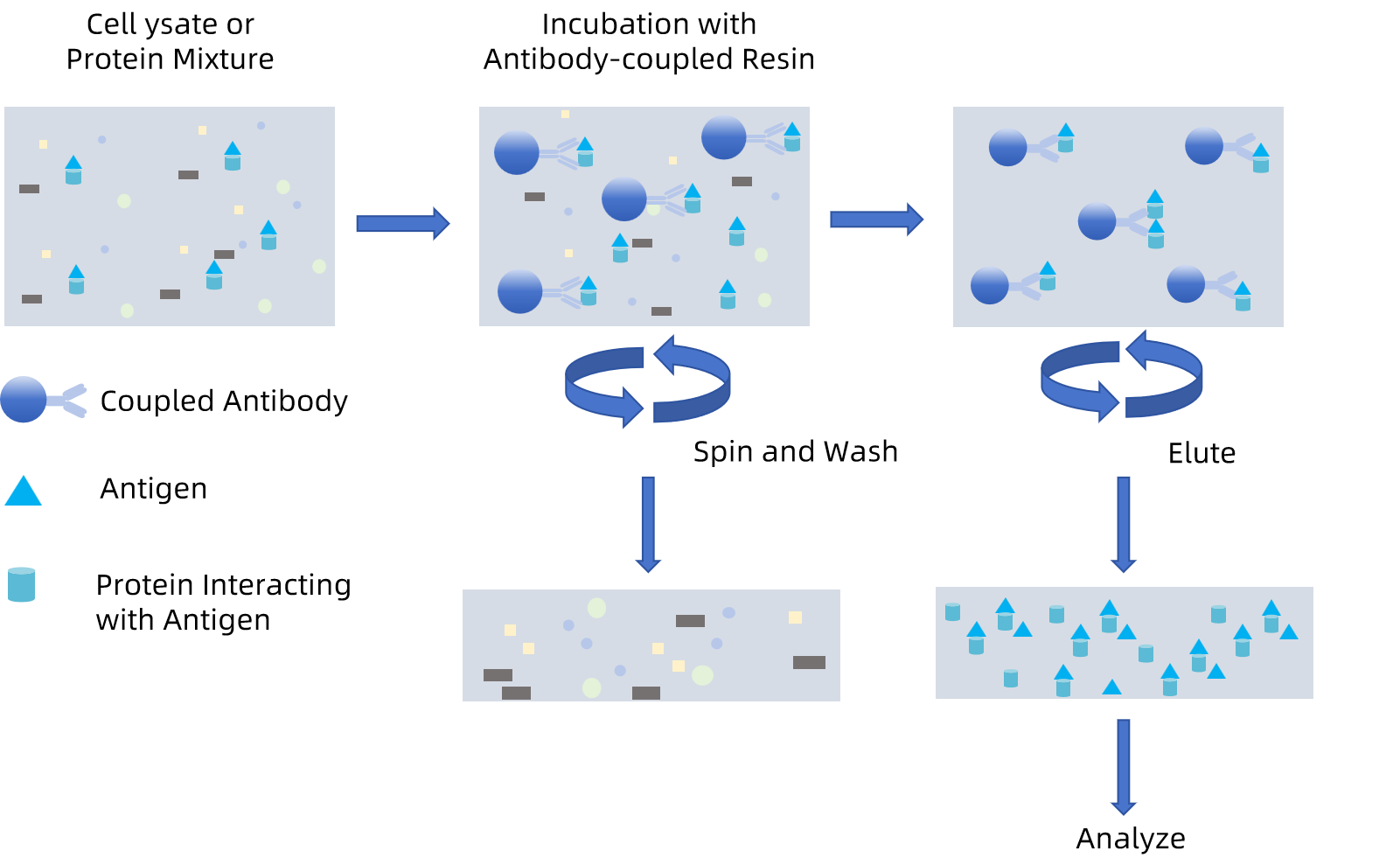
Figure 1: Principle of Co-IP






 0
0
