


8 Protein Quality Control Tests Every Researcher Should Know
- 2026-09-03
- 200
Running a downstream assay with degraded, aggregated, or contaminated proteins is the fastest way to burn your research budget and invalidate your data. From our experience at KMD Bioscience, the root cause of irreproducible results in structural biology, assay development, and therapeutic screening rarely lies in the experimental design itself. Instead, it stems from inadequate validation of the raw protein materials. If you are not aggressively verifying the integrity of your samples before use, you are essentially gambling with your project timelines.
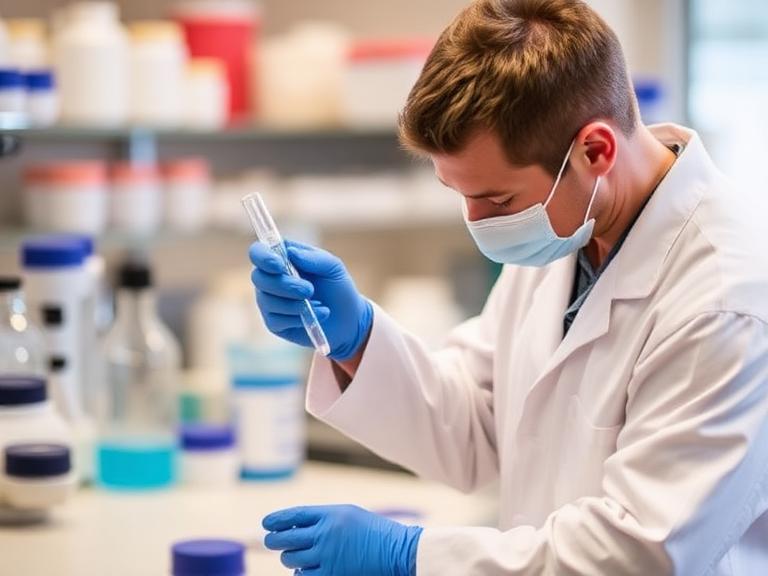
In most professional situations, a single band on an SDS-PAGE gel is entirely insufficient to declare a protein "pure" or "functional." Proteins are highly dynamic macromolecules. They misfold, they aggregate, they degrade, and they harbor endotoxins. To ensure commercial and scientific viability, you must deploy a comprehensive battery of Protein Quality Control Tests. This article cuts through the generic textbook definitions to provide actionable, practitioner-level guidance on the exact tests you need, why you need them, and whether upgrading your analytical capabilities is actually worth the investment.
Quick Answer: What are Protein Quality Control Tests?
Protein Quality Control Tests are essential analytical procedures used to verify the purity, identity, homogeneity, structural integrity, and biological activity of a protein sample. The 8 critical tests every researcher must know are: SDS-PAGE (for basic purity and size), Size Exclusion Chromatography (SEC-HPLC) (for aggregation and oligomeric state), Mass Spectrometry (for precise identity and modifications), Endotoxin Testing (for in vivo safety), Dynamic Light Scattering (DLS) (for rapid aggregation screening), Thermal Shift Assay (for folding and stability), UV-Vis Spectroscopy (for accurate concentration), and Western Blotting/ELISA (for antigenic identity and functional binding).
Table of Contents
What It Is and How It Works
Protein Quality Control Tests are a structured hierarchy of analytical methods designed to answer four progressive questions about your sample: How much is there? How pure is it? Is it the correct molecule? Is it properly folded and functional?
How it works in a commercial setting involves moving from low-resolution, high-throughput assays (like UV-Vis and SDS-PAGE) to high-resolution, definitive assays (like Mass Spectrometry and SEC-HPLC). By implementing these tests sequentially during a recombinant protein expression service, researchers can identify and discard failed batches early in the pipeline, saving substantial downstream costs.
The 8 Essential Protein Quality Control Tests
We recommend integrating the following eight Protein Quality Control Tests into your standard operating procedures. Each serves a distinct commercial and scientific purpose.
1. UV-Vis Spectroscopy (A280)
Before you can test a protein, you must know its precise concentration. UV-Vis spectroscopy at 280 nm measures the absorbance of aromatic amino acids (tryptophan and tyrosine). From our experience, relying on colorimetric assays (like Bradford or BCA) for purified proteins often leads to 10-20% concentration errors due to dye-binding variations. A280, calculated with the protein's specific extinction coefficient, is the industry standard for accuracy.
2. SDS-PAGE (Sodium Dodecyl Sulfate-Polyacrylamide Gel Electrophoresis)
SDS-PAGE provides a rapid visual snapshot of protein purity and apparent molecular weight. It denatures the protein, allowing you to see primary contaminants or degradation products. While it is cheap and ubiquitous, it is strictly a baseline test. It will not tell you if your protein is properly folded or if it has formed soluble aggregates.
3. Size Exclusion Chromatography (SEC-HPLC)
If you only add one advanced test to your workflow, make it SEC-HPLC. In our testing, proteins that appear 99% pure on an SDS-PAGE gel often reveal massive soluble aggregates when run through SEC. Aggregated proteins are functionally dead and highly immunogenic. SEC-HPLC separates molecules based strictly on their hydrodynamic volume, providing a definitive profile of your protein's homogeneity and oligomeric state.
4. Mass Spectrometry (Intact Mass & Peptide Mapping)
SDS-PAGE can only confirm molecular weight within a margin of a few kilodaltons. Mass Spectrometry provides the exact molecular weight down to the Dalton. For heavy-duty applications, such as verifying post-translational modifications (glycosylation, phosphorylation) or confirming the exact sequence, this test is irreplaceable. If discrepancies arise, utilizing a specialized protein de novo sequencing service can provide absolute sequence confirmation without prior database knowledge.
5. Endotoxin Testing (LAL Assay)
If your recombinant protein products are destined for cell culture assays, animal models, or therapeutic use, endotoxin testing is mandatory. Endotoxins are lipopolysaccharides from the cell walls of Gram-negative bacteria (like E. coli). Even trace amounts will trigger severe immune responses in vivo, completely ruining your experimental data or killing the animal model. The Limulus Amebocyte Lysate (LAL) assay remains the gold standard for quantification.
6. Dynamic Light Scattering (DLS)
DLS is a rapid, non-destructive optical test that measures the size distribution profile of particles in solution. We recommend DLS as a high-throughput screening tool for aggregation and polydispersity. While it lacks the high-resolution separation capabilities of SEC-HPLC, it takes a fraction of the time and sample volume, making it ideal for checking protein stability over time or across different buffer formulations.
7. Thermal Shift Assay (Differential Scanning Fluorimetry)
A protein is only useful if it is stably folded. The Thermal Shift Assay gradually heats the protein in the presence of a fluorescent dye that binds to hydrophobic regions. As the protein unfolds (melts), the fluorescence spikes. The resulting melting temperature (Tm) is a direct indicator of structural stability. This test is highly valuable when optimizing storage buffers or screening for ligand binding on a molecular biology research platform.
8. Western Blotting and ELISA
Structural integrity means nothing without functional activity. Western Blotting confirms the antigenic identity of the protein, ensuring the correct epitopes are present. ELISA (Enzyme-Linked Immunosorbent Assay) goes a step further by quantifying the functional binding affinity of the protein to its target receptor or antibody. This is particularly crucial when dealing with viral protein research products, where receptor binding dictates utility.
Benefits of Comprehensive QC
The primary benefit of deploying comprehensive Protein Quality Control Tests is the absolute elimination of false positives and false negatives in downstream assays. By confirming that your protein is highly pure, monomeric, endotoxin-free, and properly folded, you remove the protein itself as a variable in your experiments. For commercial users developing therapeutics through antibody customization solutions, stringent QC prevents the catastrophic financial loss of advancing a defective molecule into expensive preclinical trials.
Limitations and Edge Cases
The limitation of extensive quality control is the associated cost and time. High-resolution equipment like Mass Spectrometers and HPLC systems require massive capital expenditure and highly trained technicians to operate and maintain. Furthermore, tests like SEC and DLS require significant sample concentrations, which can be challenging if your target protein is exceptionally low-yield. In these edge cases, researchers must rely on smaller-scale functional assays to infer structural integrity.
Who Should Use These Tests (And Who Does Not Need To)
For commercial users, biopharmaceutical companies, structural biologists, and researchers conducting in vivo animal studies, implementing the full suite of Protein Quality Control Tests is strictly mandatory. If you are utilizing advanced discovery platforms like single B cell antibody discovery or deploying a single B cell screening service, the antigens you use must be flawless, or your resulting antibodies will fail.
Who does not need this level of rigor? For beginners, undergraduate teaching labs, or researchers conducting basic qualitative in vitro pull-down assays where exact stoichiometry and long-term stability are irrelevant, running a simple SDS-PAGE and A280 UV-Vis measurement is usually sufficient. Over-investing in mass spectrometry for a basic high school demonstration is a waste of resources.
Common Mistakes in Protein QC
The most pervasive mistake in the industry is "aggregation blindness." Researchers frequently look at a beautiful, single bold band on an SDS-PAGE gel and assume the protein is perfect. Because SDS denatures the protein, it completely hides soluble aggregates. You could have a sample that is 99% pure by mass, but 50% aggregated. If you inject that into an animal during a custom antibody development service, you will generate antibodies against misfolded epitopes, rendering your project useless. Always pair SDS-PAGE with SEC-HPLC or DLS.
Buying Considerations: In-House vs. Outsourcing
When evaluating whether to build these Protein Quality Control Tests in-house or to outsource them, you must apply commercial judgment. Purchasing an LC-MS system and a multi-detector SEC setup will cost hundreds of thousands of dollars, not including service contracts and specialized labor. For laboratories that do not require high-throughput daily QC, outsourcing protein expression and purification to a reputable Contract Research Organization (CRO) that includes comprehensive QC documentation is financially superior.
Expert Recommendation
From our experience, attempting to cut corners on protein quality control inevitably results in repeating experiments. We recommend that researchers partner with established platforms that integrate these 8 tests seamlessly into their production pipelines. You should not have to fight your protein supplier for a mass spectrometry readout or an endotoxin report; it should be standard practice.
Protein Purification ServiceGeneral Process
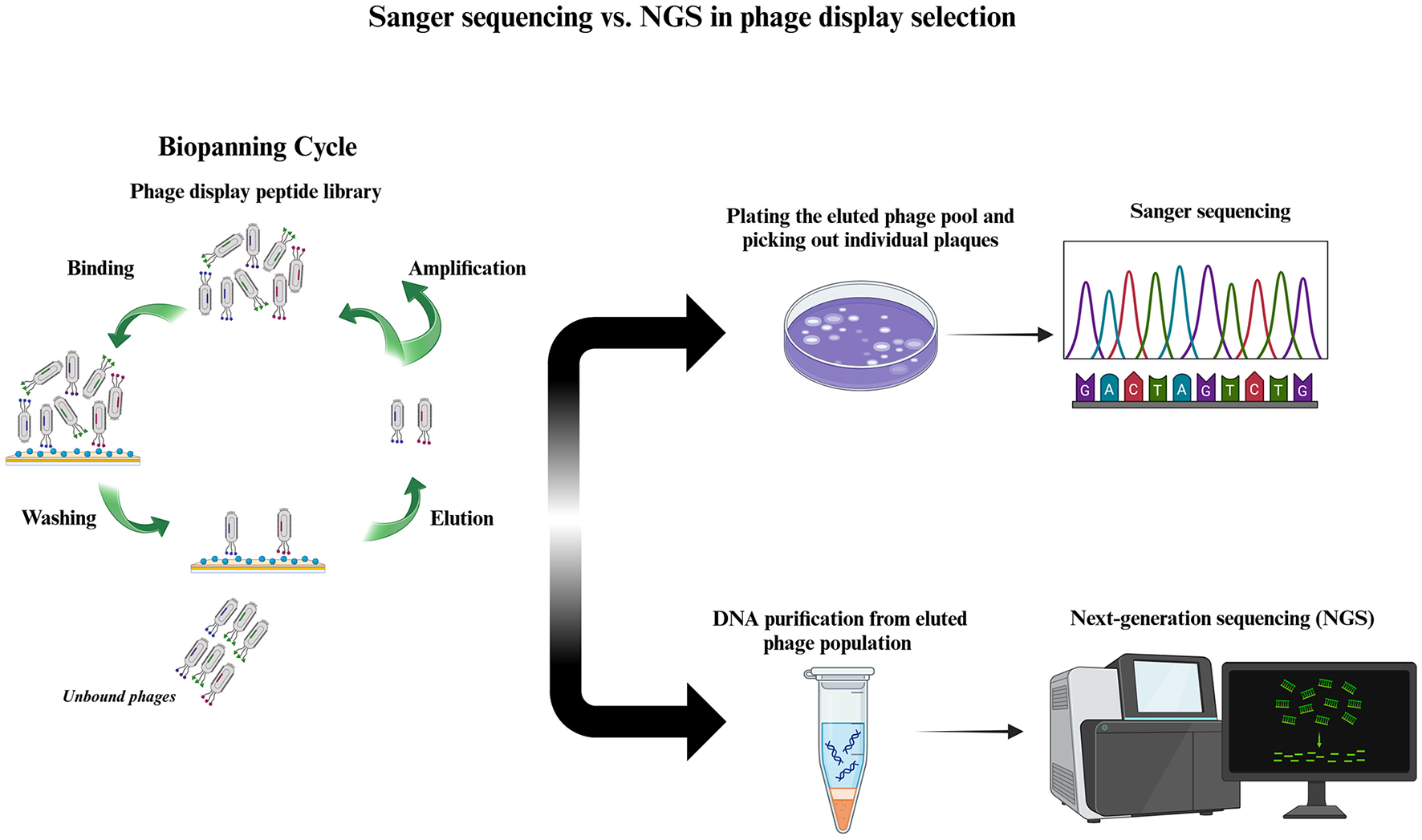
KMD Bioscience is committed to providing high-quality protein expression services to a wide range of research clients, offering comprehensive technical support covering the entire process—from gene cloning and expression system selection to protein purification and final functional analysis. Whether for small-scale protein expression or large-scale production, we can tailor solutions to meet our clients’ specific needs, ensuring the efficient expression and purification of target proteins. In addition, we provide professional technical resources and consulting services to help clients overcome various challenges encountered during the protein expression process. By choosing KMD Bioscience, you will receive reliable technical support and service guarantees, providing a powerful boost to your research efforts.Technology Articles。
Summary and Comparison Tables
| Test Name | Primary Purpose | When to Use It |
|---|---|---|
| UV-Vis (A280) | Determine exact protein concentration. | Mandatory for every purified batch. |
| SDS-PAGE | Assess purity and apparent molecular weight. | Baseline purity check after chromatography. |
| SEC-HPLC | Determine homogeneity and detect aggregates. | Crucial before structural studies or in vivo use. |
| Mass Spectrometry | Confirm exact identity and modifications. | Validating new constructs or therapeutic candidates. |
| Endotoxin (LAL) | Detect toxic bacterial components. | Mandatory for cell culture and animal injections. |
| DLS | Rapid screening for particle size and aggregation. | Buffer optimization and stability screening. |
| Thermal Shift Assay | Measure folding stability (Tm). | Formulation development and ligand binding. |
| Western Blot / ELISA | Verify antigenic identity and binding activity. | Final functional validation of the product. |
| Feature | SEC-HPLC | Dynamic Light Scattering (DLS) |
|---|---|---|
| Resolution | High. Can separate monomers, dimers, and trimers. | Low. Good for identifying large aggregates, poor at resolving closely sized species. |
| Speed | Slow. Takes 15-30 minutes per sample run. | Fast. Takes 1-2 minutes per sample. |
| Sample Recovery | Destructive/Dilutive (depends on setup). | Non-destructive. Sample can be fully recovered. |
| Commercial Verdict | Essential for final lot release and absolute quantification. | Best used as a rapid preliminary screening tool before SEC. |
| Approach | Pros | Cons |
|---|---|---|
| In-House QC Testing | Immediate turnaround time for results; absolute control over assay parameters and raw data. | Requires massive upfront capital for MS and HPLC equipment; high ongoing maintenance and staffing costs. |
| Outsourcing to a CRO (like KMD Bioscience) | Zero equipment overhead; access to expert technicians and highly standardized, validated protocols. | Slightly longer turnaround time due to shipping; less hands-on flexibility for ad-hoc protocol changes. |
Frequently Asked Questions
Why is SDS-PAGE not enough to confirm protein purity?
SDS-PAGE utilizes sodium dodecyl sulfate to unfold the protein and mask its native charge. Because the protein is denatured, SDS-PAGE cannot detect if the native protein has formed soluble aggregates or misfolded in solution. You must pair it with a native technique like SEC-HPLC or DLS to confirm true structural homogeneity.
What is an acceptable endotoxin level for in vivo protein use?
For most standard in vivo animal studies and cell culture applications, endotoxin levels should be strictly below 0.1 EU/ug of protein (Endotoxin Units per microgram). For therapeutic human applications, the FDA mandates even stricter limits based on the total dose administered. Always utilize the LAL assay to quantify this before injection.
How does a Thermal Shift Assay help with protein storage?
The Thermal Shift Assay measures the melting temperature (Tm) of a protein. By testing your protein in various buffer formulations (altering pH, salt concentration, or additives like glycerol), you can identify which buffer yields the highest Tm. A higher Tm indicates a more stable protein, which directly translates to a longer shelf-life and less aggregation during storage.
Authoritative References
To ensure robust scientific and commercial compliance, the principles discussed in this guide align with the following authoritative standards:

- Protein Platform
- Protein Expression Services
- Protein Modification & Detection Services
- Protein Interaction Services
- Protein Purification Service
- Antibody Discovery Platform
- VHH Antibody Platform
- Phage Display Platform
- Antibody Humanization Platform
- Single B Cell Screening Platform
- Antibody Expression & Validation Platform
- Peptide Library Platform
- Custom Antibody Platform
- Innovative Drug Discovery Platform
- Product Center
- Proteins
- Antibodies
- Raw Materials Reagents
- Small Molecule Reagents
- Peptide Products
- Nanoparticle Products
- Contact Us
- Phone:400-621-6806
- Mobile:13110936064(WeC
- E-mail:[email protected]
- Address:Room 108, Building 10, No. 6 Hechang Road, Wuqing Development Zone, Tianjin City
-

WeChat
-

Service Account
-
 400-621-6806
-
 3599163699
-
 Monday to Friday 9:00-18:00
-

-
 0
-
