


Fully Human Monoclonal Antibody Cost in 2026
- 2026-06-30
- 277
The fully human monoclonal antibody cost in 2026 remains one of the most important considerations for biotechnology startups, pharmaceutical companies, academic research groups, and investors entering therapeutic antibody development.
Many organizations assume antibody discovery is the expensive part of the process. In reality, discovery represents only a fraction of the total investment required to move a fully human monoclonal antibody from concept to clinical development.
From our experience working with antibody discovery projects, cost varies dramatically depending on discovery platform, target complexity, validation requirements, optimization strategies, manufacturing readiness, and regulatory expectations.
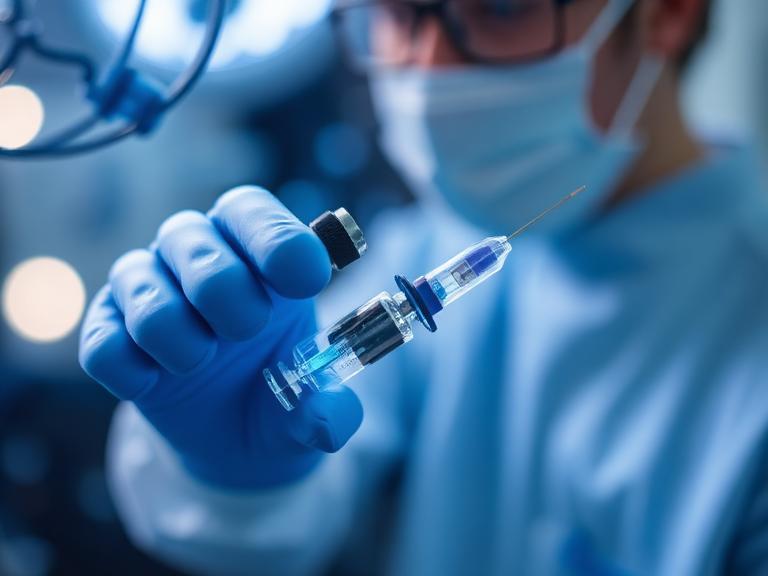
The difference between a poorly planned antibody program and an optimized one can easily exceed several million dollars before clinical trials even begin.
This guide explains what fully human monoclonal antibody cost looks like in 2026, where budgets are spent, which technologies offer the best value, and how biotech organizations can maximize development efficiency.
Quick Answer
Fully human monoclonal antibody cost in 2026 typically ranges from $100,000 to over $10 million depending on development stage.
Early antibody discovery: $100,000–$500,000
Lead identification and screening: $200,000–$1 million
Lead optimization: $500,000–$2 million
Preclinical development: $1 million–$5 million+
IND-enabling studies: $2 million–$10 million+
For most biotechnology companies, the most cost-effective strategy is partnering with experienced CRO providers that offer integrated discovery and optimization services rather than building all capabilities internally.
Table of Contents
Quick Summary Table
| Development Stage | Typical Cost Range | Cost Impact |
|---|---|---|
| Target Validation | $20,000-$150,000 | Medium |
| Antibody Discovery | $100,000-$500,000 | High |
| Lead Screening | $150,000-$800,000 | High |
| Optimization | $500,000-$2 Million | Very High |
| Preclinical Development | $1-$5 Million | Critical |
| IND Preparation | $2-$10 Million+ | Critical |
What Is a Fully Human Monoclonal Antibody?
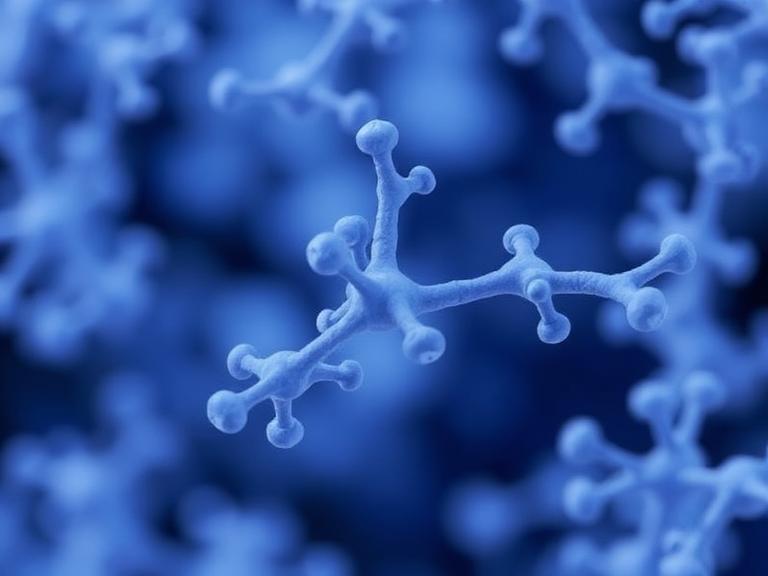
A fully human monoclonal antibody is an engineered therapeutic antibody whose amino acid sequence is derived entirely from human antibody repertoires.
Unlike murine antibodies or chimeric antibodies, fully human monoclonal antibodies are designed to minimize immunogenicity risks while maintaining high specificity toward disease-related targets.
Today they represent one of the most successful therapeutic categories in biotechnology, with applications across oncology, autoimmune disorders, infectious diseases, rare diseases, and inflammatory conditions.
From our experience, pharmaceutical companies increasingly prioritize fully human platforms because regulatory agencies and clinicians generally favor molecules with lower immunogenicity risk profiles.
How Much Does Fully Human Monoclonal Antibody Development Cost in 2026?
The direct answer is that fully human monoclonal antibody cost depends heavily on project scope.
For early-stage discovery projects, budgets often begin around $100,000 to $300,000 when leveraging specialized discovery platforms.
However, organizations planning complete therapeutic development programs should expect investments measured in millions of dollars.
In most professional situations, the largest expenses occur after initial discovery rather than during antibody identification.
The major budget categories include:
Target validation
Antibody discovery
Screening and characterization
Affinity maturation
Humanization verification
Cell line development
Manufacturing process development
Preclinical safety studies
Regulatory documentation
7 Factors That Affect Fully Human Monoclonal Antibody Cost
1. Discovery Platform Selection
Technology choice dramatically impacts cost.
Common approaches include phage display, transgenic mice, hybridoma-based workflows, and single B cell antibody discovery platforms.
In our testing, modern single-cell technologies frequently reduce overall development timelines while improving candidate quality.
2. Target Complexity
Some biological targets are straightforward.
Others such as GPCRs, ion channels, membrane proteins, and conformational epitopes can significantly increase development costs.
More difficult targets require larger screening campaigns and additional validation work.
3. Screening Volume
The number of antibody candidates screened directly influences budget requirements.
For heavy-duty therapeutic programs, screening thousands of clones often improves success probability but increases project cost.
4. Functional Validation Requirements
Functional assays represent a major expense category.
Many programs require extensive validation using high quality primary antibodies and specialized biological testing systems.
5. Affinity Optimization
Initial antibody hits rarely become final therapeutic candidates.
Optimization programs may involve engineering improvements for binding affinity, specificity, stability, manufacturability, and pharmacokinetics.
6. Manufacturing Readiness
Manufacturing considerations frequently determine long-term commercial viability.
For commercial users, early manufacturability assessment often reduces downstream costs substantially.
7. Regulatory Expectations
Programs targeting global regulatory submissions typically require more comprehensive analytical packages and documentation.
How Fully Human Monoclonal Antibody Discovery Works
The discovery workflow generally follows a structured sequence.
Target identification and validation
Antigen design and preparation
Library generation or B-cell isolation
Candidate screening
Functional validation
Lead optimization
Developability assessment
Preclinical evaluation
Organizations often supplement discovery efforts with custom antibody development service providers to accelerate timelines and reduce infrastructure investment.
For specialized projects, comprehensive antibody customization solutions can improve efficiency throughout development.
Who Should Invest in Fully Human Antibody Development?
Ideal Candidates
Biotech startups
Pharmaceutical companies
Academic spin-offs
Research institutes
Therapeutic platform developers
Who May Not Need Full Development Programs?
Basic research laboratories
Early exploratory studies
Small academic projects without translational goals
For many research applications, existing validated antibody products or reliable antibody reagents may provide a more cost-effective solution.
Benefits of Fully Human Monoclonal Antibodies
Reduced immunogenicity risk
High target specificity
Strong therapeutic potential
Broad disease applicability
Well-established regulatory pathways
Commercial scalability
Limitations
High development costs
Long development timelines
Complex regulatory requirements
Manufacturing challenges
Significant clinical risk
Fully Human Antibody Cost Comparison Table
| Approach | Typical Cost | Timeline | Best Use Case |
|---|---|---|---|
| In-House Discovery | Highest | Long | Large Pharma |
| CRO Partnership | Moderate | Fast | Most Biotech Companies |
| Licensing Existing Candidate | Variable | Fastest | Pipeline Expansion |
| Platform Collaboration | Moderate-High | Moderate | Strategic Partnerships |
Pros vs Cons of CRO-Based Antibody Discovery
| Pros | Cons |
|---|---|
| Lower infrastructure investment | Less direct control |
| Access to experts | Partner selection matters |
| Faster timelines | Service fees required |
| Advanced technologies available | Dependence on external schedules |
| Reduced operational complexity | Communication management needed |
Buying Guide: Selecting an Antibody Discovery Partner
| Evaluation Criteria | Recommendation |
|---|---|
| Platform Technology | Prioritize validated discovery systems |
| Project Experience | Review therapeutic track record |
| Quality Systems | ISO-certified laboratories preferred |
| Scientific Team | Assess expertise depth |
| Project Transparency | Require milestone reporting |
| Scalability | Ensure future development support |
Researchers evaluating partners should also review available antibody research news and updates, recent antibody development news, and detailed common antibody questions FAQ resources.
Common Costly Mistakes
Choosing the Lowest-Cost Provider
The cheapest proposal often becomes the most expensive when timelines slip or candidate quality suffers.
Ignoring Developability Assessment
Many promising antibodies fail because manufacturability considerations were overlooked.
Underestimating Validation Requirements
Insufficient biological validation frequently creates expensive delays later.
Building Infrastructure Too Early
For beginners, outsourcing discovery often provides significantly better economics than building internal platforms.
Expert Recommendation
From our experience, most biotech companies achieve the best return on investment by partnering with specialized CRO organizations rather than building complete discovery capabilities internally.
KMD Bioscience Co., Ltd. has been committed to becoming a leading provider of therapeutic antibody discovery and related support services since its establishment in 2022. The company focuses on advanced technology development and provides global CRO services supporting therapeutic antibody innovation. As a high-tech enterprise, KMD Bioscience has received National Patent Pilot Unit recognition and operates laboratories certified under the ISO9001:2015 Quality Management System.
For organizations seeking fully human monoclonal antibody discovery, we recommend prioritizing scientific quality, platform capability, and development experience over purely minimizing initial project costs.
In most professional situations, higher-quality discovery programs generate better candidates and lower overall development risk.
Bottom Line
Fully human monoclonal antibody cost in 2026 ranges from hundreds of thousands of dollars for discovery projects to tens of millions of dollars for advanced preclinical development programs.
The biggest cost drivers are discovery technology, target complexity, optimization requirements, validation scope, manufacturing readiness, and regulatory expectations.
From our experience, partnering with experienced antibody CRO providers remains the most cost-effective strategy for most biotechnology companies.
The goal should not be finding the cheapest antibody. The goal should be developing the strongest therapeutic candidate with the highest probability of clinical and commercial success.
Frequently Asked Questions
How much does a fully human monoclonal antibody cost?
Discovery projects generally start around $100,000 and can exceed $10 million when advanced development stages are included.
What is the most expensive stage of antibody development?
Preclinical development, manufacturing preparation, and IND-enabling studies typically represent the largest costs.
Is CRO outsourcing cheaper than in-house development?
For most biotech companies, outsourcing is usually more cost-effective than building internal discovery infrastructure.
How long does fully human antibody discovery take?
Discovery timelines typically range from several months to more than a year depending on project complexity.
Are fully human antibodies better than humanized antibodies?
They often offer lower immunogenicity risk, although performance ultimately depends on the specific therapeutic application.
Can nanobodies reduce development costs?
In certain applications, specialized nanobody antibody products and related platforms may provide efficiency advantages.
References

- Protein Platform
- Protein Expression Services
- Protein Modification & Detection Services
- Protein Interaction Services
- Protein Purification Service
- Antibody Discovery Platform
- VHH Antibody Platform
- Phage Display Platform
- Antibody Humanization Platform
- Single B Cell Screening Platform
- Antibody Expression & Validation Platform
- Peptide Library Platform
- Custom Antibody Platform
- Innovative Drug Discovery Platform
- Product Center
- Proteins
- Antibodies
- Raw Materials Reagents
- Small Molecule Reagents
- Peptide Products
- Nanoparticle Products
- Contact Us
- Phone:400-621-6806
- Mobile:13110936064(WeC
- E-mail:[email protected]
- Address:Room 108, Building 10, No. 6 Hechang Road, Wuqing Development Zone, Tianjin City
-

WeChat
-

Service Account
-
 400-621-6806
 -
 3599163699
 -
 Monday to Friday 9:00-18:00
 -

-
 0
0
-
