


What Are Chimeric Antibodies? An Expert Engineering and Commercial Guide
- 2026-06-29
- 240
In the biopharmaceutical and diagnostic industries, bridging the gap between non-human discovery models and human clinical applications requires precise molecular engineering. When researchers first discovered hybridoma technology, the ability to generate highly specific murine (mouse) monoclonal antibodies revolutionized science. However, injecting these pure mouse proteins into humans predictably triggered severe immune rejections. The initial structural solution to this crisis was the development of chimeric antibodies.
From our experience working closely with diagnostic developers and pre-clinical biotech firms, understanding the precise architecture and modern utility of chimeric antibodies is critical. While they are no longer the gold standard for newly approved chronic human therapeutics, they remain a highly lucrative and technically necessary format for diagnostic calibrators, assay controls, and multiplex imaging. In this guide, we will provide a comprehensive breakdown of how these molecules are constructed, evaluate their commercial viability, and explain exactly when you should invest in chimerization versus full humanization.
Quick Answer
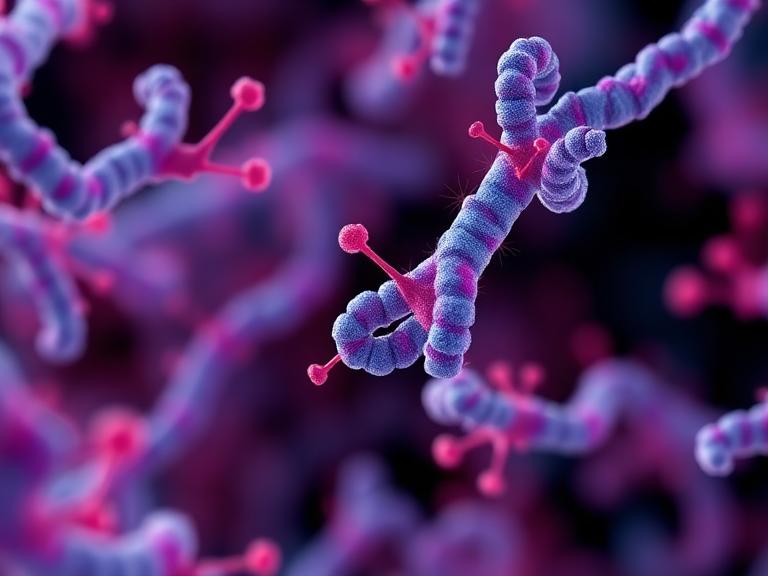
Chimeric antibodies are recombinant, genetically engineered proteins that combine the antigen-binding variable regions (V regions) of one species—typically a mouse—with the constant regions (C regions) of a different species, most commonly human. This structural fusion results in an antibody that is approximately 65% human and 35% murine. The primary purpose of chimerization is to reduce the severe immunogenicity (HAMA response) caused by pure mouse antibodies while perfectly retaining the original target affinity. In most professional situations, we recommend utilizing chimeric antibodies for in vitro diagnostics, serological assay controls, and as rapid-screening intermediates during early-stage drug discovery.
Table of Contents
What Are Chimeric Antibodies? Structural Definition
To understand what chimeric antibodies are, you must look at the basic Y-shaped architecture of an immunoglobulin (IgG) molecule. An antibody is divided into two primary sections: the variable region, which acts as the "lock" that binds to a specific antigen "key," and the constant region, which dictates how the antibody interacts with the host's immune system.
Chimeric antibodies are hybrid molecules. Scientists take the genetic sequence encoding the variable domains (both heavy VH and light VL chains) from a highly specific, non-human Antibodies clone. They then splice these sequences onto the genetic backbone of human constant domains (CH and CL). Under the World Health Organization's International Nonproprietary Name (INN) system, therapeutic chimeric antibodies are designated with the suffix -ximab, such as the well-known blockbuster drugs Infliximab and Rituximab.
How It Works: The Genetic Engineering Process
The creation of chimeric antibodies is a triumph of recombinant DNA technology. It bypasses the traditional constraints of animal immunization and relies entirely on in vitro molecular biology.
The process begins with a verified hybridoma cell line that produces a desirable mouse monoclonal antibody. Messenger RNA (mRNA) is extracted from these cells and reverse-transcribed into cDNA. Using highly specific primers, the genes encoding the VH and VL regions are amplified via PCR. These variable region sequences are then cloned into specialized mammalian expression plasmids that already contain the sequences for human IgG constant regions.
Once the recombinant plasmid is verified, it is transfected into a robust mammalian host cell line, typically Chinese Hamster Ovary (CHO) or Human Embryonic Kidney (HEK293) cells. By utilizing an advanced Antibody Expression & Validation Platform, these host cells act as microscopic bioreactors, secreting fully assembled chimeric antibodies into the culture medium. The proteins are subsequently harvested and purified using Protein A or Protein G affinity chromatography.
Commercial and Technical Benefits
Despite being an older technological format, chimeric antibodies offer massive commercial and technical advantages in specific sectors:
Perfect Affinity Retention: Because the entire variable region is transferred intact from the parent clone, there is virtually zero loss of antigen-binding affinity. This is a stark contrast to full humanization, which often requires complex structural back-mutations to restore lost binding strength.
Diagnostic Assay Superiority: In human serological testing, utilizing a pure mouse antibody can trigger false positives due to Heterophilic Antibodies or Human Anti-Mouse Antibodies (HAMA) present in patient blood. Replacing the mouse Fc region with a human Fc region completely eliminates this interference, making chimeras the ideal calibrators for diagnostic kits.
Multiplexing Flexibility: For researchers performing complex flow cytometry or immunofluorescence (IF), species cross-reactivity is a nightmare. Chimerization allows you to take a favorite mouse clone and express it with a rabbit, rat, or canine constant region, instantly resolving secondary antibody conflicts.
Speed to Market: Constructing a chimeric antibody is a simple, highly predictable V-C recombination. It requires significantly less computational modeling and laboratory time than generating fully human sequences.
Limitations and Immunogenic Drawbacks
You cannot deploy chimeric antibodies blindly. Their primary limitation is their residual immunogenicity in humans. Because approximately 35% of the molecule (the variable framework) remains fundamentally murine, the human immune system will eventually recognize it as a foreign invader.
When administered to patients, especially for chronic conditions requiring repeated dosing, these molecules trigger the production of Human Anti-Chimeric Antibodies (HACA). This immune response neutralizes the therapeutic drug, accelerating its clearance from the bloodstream and potentially causing severe allergic or anaphylactic reactions. Consequently, the FDA and EMA are increasingly stringent about approving new -ximab therapies when safer formats exist.
Who Should Use Chimeric Antibodies
For commercial users in diagnostics: In Vitro Diagnostic (IVD) manufacturers must utilize chimeric antibodies as positive controls and standardized assay calibrators. They provide the batch-to-batch reproducibility of recombinant technology while perfectly mimicking the reactivity of human serum.
For researchers and early-stage biotechs: If you are evaluating a novel target, generating a species-matched chimeric antibody (e.g., murine V region on a murine C region for a mouse disease model) allows you to study drug efficacy in vivo without the animal's immune system immediately rejecting the test drug. Furthermore, staying updated via antibody research news and updates will highlight how often chimeras act as vital transitional molecules before heavy R&D budgets are spent.
Who Does Not Need Them
If you are a biopharmaceutical company aiming to launch a new, best-in-class chronic therapeutic for human oncology or autoimmune diseases, you do not need chimeric antibodies for your final product. You must transition your assets through a comprehensive Antibody Humanization Platform to achieve 95%+ human sequence content, or rely on transgenic animal models to generate fully human antibodies from the outset.
Similarly, for beginners conducting basic academic western blots or ELISAs on non-human tissue, native murine or rabbit polyclonal antibodies are highly cost-effective and perfectly adequate. Upgrading to a chimeric format here is an unnecessary capital expense.
Common Mistakes in Antibody Selection
In our testing and consulting history, the most expensive error we see companies make is failing to specify the correct immunoglobulin isotype during the chimerization process. The constant region dictates the biological effector function.
If your goal is to destroy a cancer cell by recruiting macrophages and natural killer cells, you must instruct your CRO to splice your variable regions onto a human IgG1 backbone to maximize Antibody-Dependent Cellular Cytotoxicity (ADCC). However, if your therapeutic goal is merely to block a signaling receptor without triggering a massive inflammatory immune response, utilizing an IgG4 backbone is mandatory. We highly recommend utilizing a meticulous antibody validation guide to ensure your final construct behaves as intended.
Commercial Buying Considerations
When seeking a partner for recombinant antibody production, you are not just buying a sequence; you are buying manufacturability. You must demand transparency regarding the CRO's expression yields. A genetic construct is useless if it aggregates or fails to express at high titers in a mammalian bioreactor.
For heavy-duty applications, assess whether the provider offers a seamless pipeline. Can they take your project from initial hybridoma sequencing straight through to stable CHO cell line generation? Can they easily adapt your project into advanced formats, such as nanobody antibody products? Consolidating your supply chain with a single, highly capable vendor drastically reduces lead times and intellectual property risks.
Essential Data and Comparison Tables
| Parameter | Detail |
|---|---|
| Composition | ~65% Human (Constant), ~35% Mouse (Variable) |
| Therapeutic Suffix | -ximab (e.g., Rituximab, Cetuximab) |
| Primary Advantage | Retains 100% of original antigen-binding affinity. |
| Primary Use Case | IVD calibrators, multiplex imaging, early drug discovery. |
| Antibody Format | Human Content | Immunogenicity Risk | Production Complexity |
|---|---|---|---|
| Murine (Mouse) | 0% | Very High (Severe HAMA) | Low (Standard Hybridoma) |
| Chimeric | ~65% | Moderate (Triggers HACA) | Medium (Recombinant DNA) |
| Humanized | ~90-95% | Low | High (CDR Grafting & Back-mutation) |
| Fully Human | 100% | Very Low | Very High (Phage Display / Transgenic) |
| Pros (Advantages) | Cons (Limitations) |
|---|---|
| Rapid development cycle compared to full humanization. | Unsuitable for chronic human therapeutic administration. |
| Avoids loss of affinity associated with CDR transplantation. | May still trigger neutralizing anti-drug antibodies in vivo. |
| Eliminates HAMA interference in diagnostic serology testing. | Requires expensive mammalian cell culture (CHO/HEK) for proper folding. |
| Allows flexible switching of Fc isotypes (IgG1, IgG2, IgG4). | Diminishing commercial value in the therapeutic out-licensing market. |
| Evaluation Criteria | What to Demand | Red Flag to Avoid |
|---|---|---|
| Sequencing Accuracy | Guaranteed 100% sequence verification of VH/VL domains. | Relying solely on historical, unverified hybridoma records. |
| Expression Systems | High-yield mammalian systems (CHO or HEK293). | Using bacterial systems (E. coli) that lack proper glycosylation. |
| Pipeline Integration | Ability to transition directly to humanization if needed. | Fragmented services requiring multiple vendors. |
Expert Recommendation & Industry Solutions
In our professional judgment, attempting to engineer, transfect, and purify recombinant antibodies in-house is a massive drain on capital and laboratory bandwidth unless your core competency is molecular biology. Outsourcing to a specialized, ISO-certified facility guarantees high-titer yields and endotoxin-free final products.
KMD Bioscience Co., Ltd. has been committed to becoming a leading provider of therapeutic antibody discovery and related support services since its establishment in 2022. Focusing on technological research and development, the company provides high-quality Contract Research Organization (CRO) services to scientists and research institutions worldwide, aiming to promote the development and innovation of medical science and technology. As a high-tech enterprise, it has been recognized as a National Patent Pilot Unit and obtained ISO9001:2015 Quality Management System certification for its laboratories.
Whether you require a robust custom antibody development service to secure a unique diagnostic calibrator, or you are looking for comprehensive antibody customization solutions to scale your pre-clinical data, partnering with an established CRO mitigates risk. We strongly recommend leveraging a proven Custom Antibody Platform to execute your chimerization projects efficiently.
The Bottom Line
Chimeric antibodies represent a pivotal technological leap in biologic engineering, effectively merging the high target specificity of murine discovery models with the functional compatibility of human immune systems. While the therapeutic landscape has largely moved toward fully humanized molecules to completely eradicate immunogenicity, the commercial and practical utility of chimeric antibodies remains absolute in the realm of diagnostic assay development, multiplex research, and pre-clinical in vivo modeling. Evaluate your end-goal carefully, select the precise constant region isotype that dictates your required biological function, and rely on certified industry partners to ensure your recombinant expression is flawless.
Frequently Asked Questions (FAQs)
What is the main difference between a chimeric and a humanized antibody?
A chimeric antibody retains the entire variable region of the original mouse antibody (roughly 35% mouse, 65% human). A humanized antibody takes the engineering a step further by grafting only the hypervariable CDR loops from the mouse onto a completely human structural framework, resulting in a molecule that is 90% to 95% human, drastically reducing immunogenicity.
Why do chimeric antibody drug names end in "-ximab"?
The World Health Organization (WHO) utilizes the International Nonproprietary Name (INN) system to classify biologics. The suffix "-mab" indicates a monoclonal antibody, while the sub-stem "-xi-" specifically designates that the antibody is of a chimeric structure. For further insights into naming conventions, review the common antibody questions FAQ.
Can chimeric antibodies be used to treat human diseases?
Yes. Historically, several blockbuster drugs, such as Rituximab (for lymphoma) and Infliximab (for autoimmune diseases), are chimeric antibodies. However, because they can trigger a Human Anti-Chimeric Antibody (HACA) response leading to adverse reactions over time, the modern drug pipeline favors fully humanized or fully human formats for new approvals. Keep an eye on antibody development news to track FDA and EMA regulatory shifts.
How are chimeric antibodies purified during production?
Because chimeric antibodies contain human Fc constant regions, they possess a strong natural affinity for Protein A and Protein G. Once secreted by the mammalian host cells (like CHO cells) into the culture medium, the medium is passed through an affinity chromatography column packed with Protein A/G resin, which selectively captures the antibodies for high-purity extraction.
Authoritative References & Industry Guidelines
U.S. Food and Drug Administration (FDA): Regulatory guidelines on the clinical development, manufacturing changes, and immunogenicity assessment of therapeutic protein products and monoclonal antibodies. FDA Biologics Guidelines
The Antibody Society: A non-profit international association tracking the late-stage clinical pipeline, approval metrics, and engineering advancements of therapeutic monoclonal antibodies. The Antibody Society Publications
National Center for Biotechnology Information (NCBI) / PubMed: Peer-reviewed research detailing the recombinant DNA mechanics of V-C chimerization, CHO cell expression optimization, and the mitigation of the HAMA response. NCBI Literature Database

- Protein Platform
- Protein Expression Services
- Protein Modification & Detection Services
- Protein Interaction Services
- Protein Purification Service
- Antibody Discovery Platform
- VHH Antibody Platform
- Phage Display Platform
- Antibody Humanization Platform
- Single B Cell Screening Platform
- Antibody Expression & Validation Platform
- Peptide Library Platform
- Custom Antibody Platform
- Innovative Drug Discovery Platform
- Product Center
- Proteins
- Antibodies
- Raw Materials Reagents
- Small Molecule Reagents
- Peptide Products
- Nanoparticle Products
- Contact Us
- Phone:400-621-6806
- Mobile:13110936064(WeC
- E-mail:[email protected]
- Address:Room 108, Building 10, No. 6 Hechang Road, Wuqing Development Zone, Tianjin City
-

WeChat
-

Service Account
-
 400-621-6806
 -
 3599163699
 -
 Monday to Friday 9:00-18:00
 -

-
 0
0
-
