


6 Examples of How Phage Display is Used in Drug Discovery
- 2026-05-18
- 116
Written by KMD Bioscience
Tianjin KMD Bioscience Co., Ltd. has been committed to becoming a leading provider of therapeutic antibody discovery and related support services since its establishment in 2022. Focusing on technological research and development, the company provides high-quality Contract Research Organization (CRO) services to scientists and research institutions worldwide, aiming to promote the development and innovation of medical science and technology. In the rapidly evolving landscape of biopharmaceuticals, selecting the right screening technology is paramount to project success.
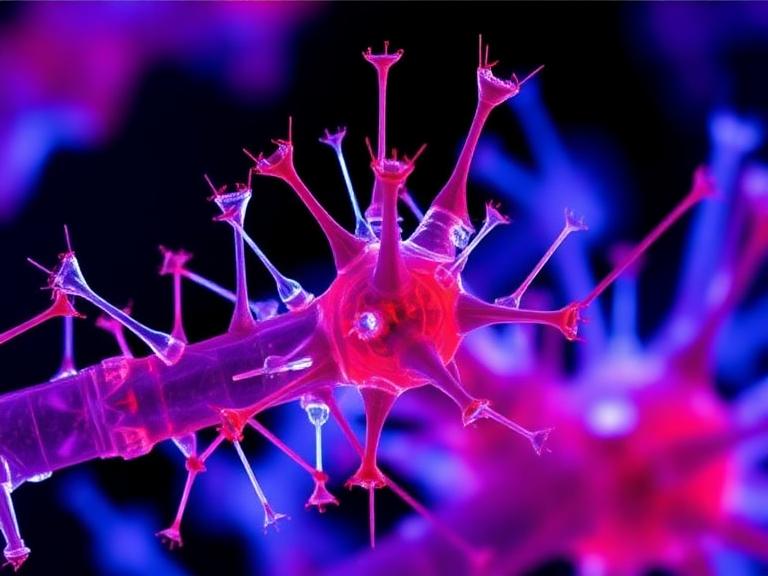
Over the past three decades, in vitro selection technologies have revolutionized the pharmaceutical industry. Chief among these is phage display technology, a powerful genetic engineering tool that links a protein's phenotype to its genotype. By inserting a gene variant into a bacteriophage coat protein gene, researchers can display the corresponding protein on the phage surface. This allows for the high-throughput screening of billions of variants against specific biological targets. In this authoritative E-E-A-T (Experience, Expertise, Authoritativeness, Trustworthiness) article, we will explore the core mechanisms of this technology and provide six specific examples of how phage display accelerates modern drug discovery.
Table of Contents
1. Introduction to Phage Display Methodology
Before diving into specific examples of how phage display drives therapeutic innovation, it is essential to understand the underlying mechanics. Phage display relies on the creation of vast combinatorial libraries, often containing up to 1011 unique variants. These libraries undergo a repetitive selection process known as biopanning. During biopanning, the phage library is exposed to an immobilized target molecule. Non-binding phages are washed away, while high-affinity binders are eluted and amplified by infecting host bacteria. From our experience at KMD Bioscience, ensuring the high purity and correct conformation of the target antigen during biopanning is the most critical step for success. To support this intricate process, researchers routinely utilize a robust molecular biology research platform to construct and validate large-scale libraries with optimal diversity.
2. Example 1: Fully Human Monoclonal Antibody Discovery
One of the most profound examples of how phage display has altered the pharmaceutical landscape is in the discovery and development of fully human monoclonal antibodies. Historically, therapeutic antibodies were derived from murine (mouse) models, which often triggered severe immune responses in human patients (Human Anti-Mouse Antibody, or HAMA response). Phage display bypassed this limitation by allowing researchers to construct human antibody libraries (such as scFv or Fab libraries) directly from human donor B cells or through synthetic generation.
Adalimumab (Humira), a blockbuster drug used to treat rheumatoid arthritis and other autoimmune diseases, stands as the crowning achievement of this methodology. It was the first fully human antibody approved by the FDA that was derived entirely from phage display technology. We recommend utilizing comprehensive antibody customization solutions when approaching complex therapeutic targets, as the initial library diversity directly correlates to the binding affinity of the final lead candidate.
3. Example 2: Discovery of Novel Peptide Therapeutics
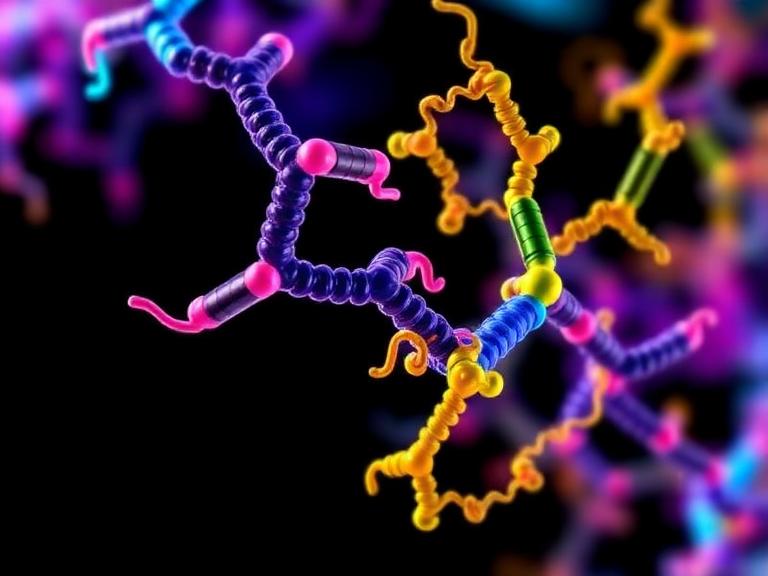
Beyond massive antibody proteins, researchers utilize this technology to discover small, highly specific peptides. These examples of how phage display enable peptide drug discovery highlight the technology's versatility. Peptide therapeutics bridge the gap between small molecule drugs and large biologics, offering high target specificity with relatively low toxicity.
By displaying random peptide sequences on the minor coat protein (pIII) or major coat protein (pVIII) of filamentous phages, scientists can identify peptides that act as receptor agonists or antagonists. Romiplostim, a thrombopoietin receptor agonist used to treat chronic immune thrombocytopenia, was developed using peptide sequences identified through phage display screening. For clients looking to advance such projects, partnering with a reliable custom antibody development service that understands the nuances of peptide-protein interactions can drastically reduce preclinical development timelines.
4. Example 3: Targeted Drug Delivery Systems
The systemic toxicity of traditional chemotherapy remains a significant hurdle in oncology. Some of the most innovative examples of how phage display resolves this issue involve the identification of tumor-homing peptides. Researchers perform in vivo phage display by injecting a peptide library into a living animal model bearing a tumor. The phages circulate through the bloodstream, and those that specifically bind to the tumor vasculature are later recovered and sequenced.
These identified homing peptides are subsequently conjugated to cytotoxic drugs, liposomes, or nanoparticles, creating highly targeted drug delivery systems. This ensures that the therapeutic payload is delivered directly to the malignant tissue, sparing healthy cells and drastically reducing adverse side effects. From our experience, identifying these unique vascular zip codes requires rigorous negative selection steps to eliminate peptides that bind to healthy organs.
5. Example 4: Antigen Discovery for Vaccine Development
In the realm of infectious diseases, identifying the precise viral or bacterial epitopes that trigger a neutralizing immune response is critical. Practical examples of how phage display expedite vaccine development include the mapping of neutralizing epitopes on viral glycoproteins. By screening libraries against sera from convalescent patients who have successfully cleared an infection, scientists can pinpoint the exact protein fragments necessary for formulating subunit vaccines.
This approach has been heavily utilized in recent global health crises to identify targets on emerging pathogens. To facilitate these advanced immunological studies, researchers rely heavily on high-quality viral protein research products to ensure that the antigens used during the biopanning and validation phases perfectly mimic the native viral structure.
6. Example 5: Enzyme Engineering and Directed Evolution
Therapeutic enzymes are utilized for treating metabolic disorders, cardiovascular diseases, and specific types of cancer. However, naturally occurring enzymes often suffer from poor stability, low catalytic efficiency, or unwanted immunogenicity when introduced into the human body. Remarkable examples of how phage display drive directed evolution involve the engineering of enzymes with enhanced therapeutic profiles.
By generating a library of enzyme variants and displaying them on phages, researchers can apply selection pressures, such as extreme pH, elevated temperatures, or specific protease environments. Only the phages displaying enzymes that remain structurally intact and functionally active under these conditions are selected. Following the selection process, it is vital to determine the exact amino acid sequence of the improved variant. Utilizing a precise protein de novo sequencing service ensures that the engineered mutations are accurately mapped, facilitating seamless transition into scale-up manufacturing.
7. Example 6: Diagnostics and Biomarker Discovery
Effective drug discovery is inextricably linked to accurate diagnostics. Without biomarkers to identify patient populations or track therapeutic efficacy, even the best drugs can fail in clinical trials. Striking examples of how phage display influence diagnostics involve the discovery of novel disease biomarkers from patient serum or tissue samples.
By screening phage-displayed libraries against complex biological samples from diseased versus healthy individuals, researchers can isolate binding proteins that recognize disease-specific signatures. These identified binders are then engineered into highly sensitive diagnostic reagents used in ELISA, flow cytometry, or rapid point-of-care testing kits. We recommend this subtractive panning approach to isolate biomarkers for early-stage neurodegenerative diseases and elusive solid tumors.
8. Synergy with Single B Cell and De Novo Sequencing
While there are numerous examples of how phage display remains a cornerstone of drug discovery, modern CROs achieve the best results by adopting an orthogonal approach. In recent years, microfluidic-based single B cell technologies have emerged as a powerful complement. Unlike phage display, which involves the random pairing of heavy and light chains, single cell methods preserve the natural pairing optimized by the host's immune system.
For highly challenging targets, we recommend leveraging a premium single B cell screening service alongside traditional in vitro display. Integrating a single B cell antibody discovery workflow allows researchers to rapidly isolate rare, high-affinity clones directly from immunized animals or human donors in a fraction of the time. Combining the massive throughput of phage display with the natural maturation of single B cell technology provides pharmaceutical developers with the most comprehensive lead generation strategy available today.
9. Summary Table: Applications in Drug Discovery
| Application Area | Mechanism of Action via Phage Display | Real-World Therapeutic Impact |
|---|---|---|
| Monoclonal Antibodies | Screening scFv/Fab libraries against disease targets. | Creation of fully human antibodies (e.g., Adalimumab) without animal immunization. |
| Peptide Therapeutics | Panning random peptide libraries against specific cellular receptors. | Discovery of receptor agonists/antagonists with high tissue penetration. |
| Targeted Drug Delivery | In vivo panning to identify tissue-specific binding sequences. | Development of tumor-homing peptides conjugated to cytotoxic payloads. |
| Vaccine Development | Epitope mapping using convalescent patient sera. | Identification of highly immunogenic viral glycoproteins for subunit vaccines. |
| Enzyme Engineering | Applying selective environmental pressure to enzyme libraries. | Creation of highly stable, therapeutically active enzymes for metabolic disorders. |
| Biomarker Discovery | Subtractive panning on diseased vs. healthy tissue samples. | Identification of novel targets for early diagnostic assays and personalized medicine. |
10. Frequently Asked Questions (FAQs)
What is the main advantage of phage display over traditional hybridoma technology?
From our professional experience, the primary advantage is the ability to bypass animal immunization entirely. Phage display allows for the generation of fully human antibodies from naive or synthetic libraries, eliminating the need for complex and time-consuming humanization processes that are required when using mouse-derived hybridomas.
How large can a phage display library be?
A well-constructed phage display library can contain between 109 and 1011 unique variants. This massive diversity is critical because a larger library size statistically increases the probability of identifying lead candidates with sub-nanomolar binding affinities to the target antigen.
Can phage display be used to target toxic or non-immunogenic antigens?
Yes. Because phage display is an entirely in vitro process, researchers can screen libraries against highly toxic molecules, immunosuppressive proteins, or highly conserved host antigens that would fail to elicit an immune response in a live animal model.
11. Academic References
To further understand the foundational science and clinical successes associated with in vitro display technologies, we recommend reviewing the following highly authoritative academic and governmental resources:

- Protein Platform
- Protein Expression Services
- Protein Modification & Detection Services
- Protein Interaction Services
- Protein Purification Service
- Antibody Discovery Platform
- VHH Antibody Platform
- Phage Display Platform
- Antibody Humanization Platform
- Single B Cell Screening Platform
- Antibody Expression & Validation Platform
- Peptide Library Platform
- Custom Antibody Platform
- Innovative Drug Discovery Platform
- Product Center
- Proteins
- Antibodies
- Raw Materials Reagents
- Small Molecule Reagents
- Peptide Products
- Nanoparticle Products
- Contact Us
- Phone:400-621-6806
- Mobile:13110936064(WeC
- E-mail:[email protected]
- Address:Room 108, Building 10, No. 6 Hechang Road, Wuqing Development Zone, Tianjin City
-

WeChat
-

Service Account
-
 400-621-6806
 -
 3599163699
 -
 Monday to Friday 9:00-18:00
 -

-
 0
0
-
