


Identification of Two Novel ACE Inhibitory Peptides from Walnut Meal Byproduct and Their Antihypertensive Mechanism and Stability
- 2026-05-19
- 153
In the treatment of hypertension, the long-term use of synthetic drugs is prone to side effects such as cough and kidney damage. Consequently, food-derived natural angiotensin-converting enzyme (ACE) inhibitory peptides have attracted considerable attention. Walnut meal, a byproduct of walnut oil pressing, has a high protein content but is mostly discarded as waste.
A study published in Nutrients in 2022 employed a systematic peptide library screening strategy to identify two novel ACE inhibitory peptides from walnut glutelin-1 hydrolysate, and conducted a comprehensive analysis of their mechanism of action, in vivo antihypertensive effects, and processing stability.
The peptide library screening, targeted synthesis of active peptide segments, and related peptide technical services involved in this study were professionally supported by KMD Bioscience.
1. Ultrafiltration Fractionation: Rapidly Narrowing the Scope of the Target Peptide Library
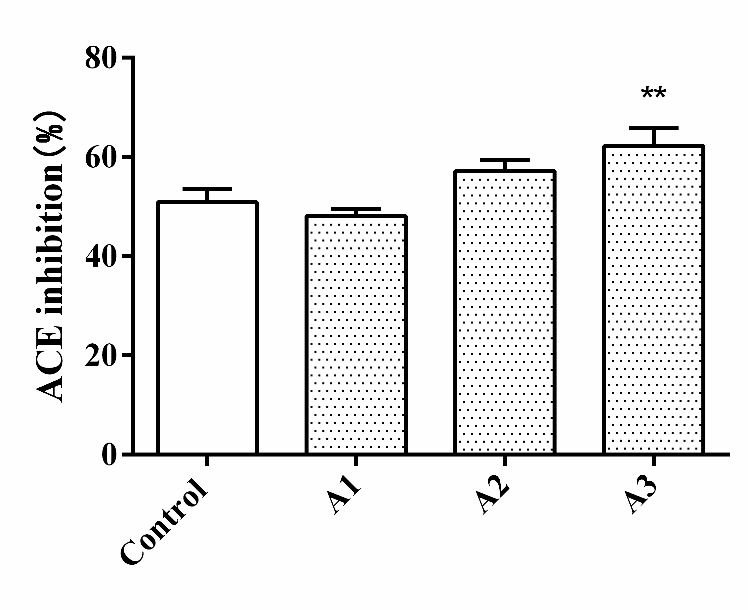
Figure 1. Activity comparison of ultrafiltration fractions
The first step of the study was preliminary fractionation of the complex walnut glutelin hydrolysate. After ultrafiltration using membranes with different molecular weight cut-offs, the ACE inhibitory activity of three fractions was compared. The fraction with a molecular weight of less than 3 kDa showed the highest activity, far exceeding that of the unfractionated hydrolysate and the larger molecular weight fractions.
This step is crucial for efficient peptide library screening. Small-molecular-weight peptides can more easily access the active binding site of ACE. Focusing the screening range on the small peptide region significantly improves the efficiency of subsequent isolation and purification. Ultrafiltration is the most efficient method for identifying active peptides from natural proteins, and this result also confirms the consensus in the field: active peptides are typically found within small-molecule peptide libraries.
2. Gel Filtration: Further Refining the Active Peptide Library
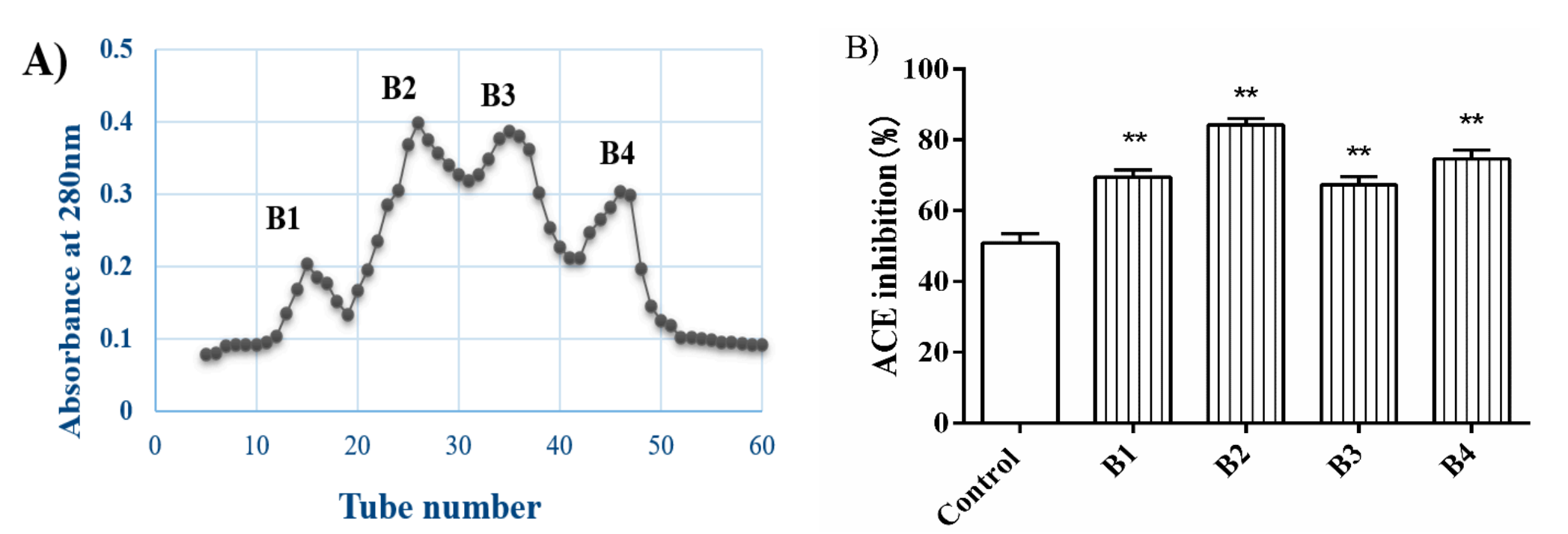
Figure 2. Activity of gel filtration subfractions
The most active <3 kDa fraction was passed through a Sephadex G-15 gel column, yielding four subfractions. Among them, subfraction B2 exhibited an inhibition rate exceeding 84%, much higher than that of the original hydrolysate.
Gel filtration separates components based on molecular size differences. The value of this step lies in further eliminating interfering peptides, making the active peptide library "purer." At this stage, the researchers could be confident that the highly active components were concentrated in B2. This also suggests that in peptide screening practice, a multi-step orthogonal separation strategy is often more reliable than single-step purification.
3. Reversed-Phase High-Performance Liquid Chromatography: Pinpointing and Identifying Two Active Peptides
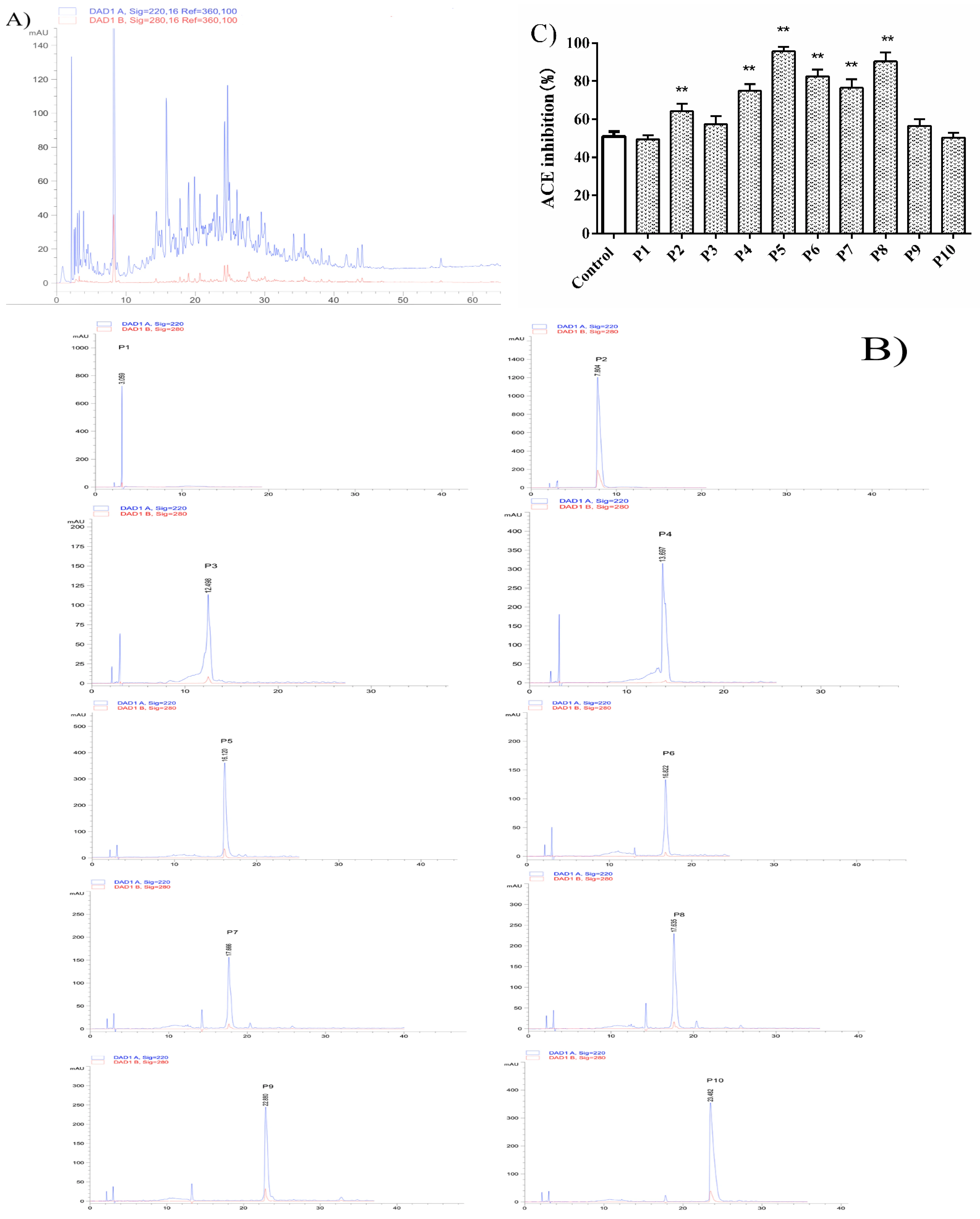
Figure 3. Locking active peptides via reversed-phase chromatography
After the first two purification steps, subfraction B2 required an even higher-resolution separation method. From the elution profile of reversed-phase high-performance liquid chromatography, the researchers collected ten core fractions and compared their inhibitory activities. The data showed that peptides P5 (VERGRRITSV) and P8 (FVIEPNITPA) exhibited significantly higher activity than other samples, with half-maximal inhibitory concentrations (IC50) in the range of 6.3–6.8 μM, indicating outstanding inhibitory effects.
This is the most critical step in the entire custom peptide library development workflow. Only through high-resolution separation can the true effector molecules be precisely pinpointed from hundreds or thousands of peptides.
4. Molecular Docking: Hydrogen Bond Network as the Core of Potent Inhibition
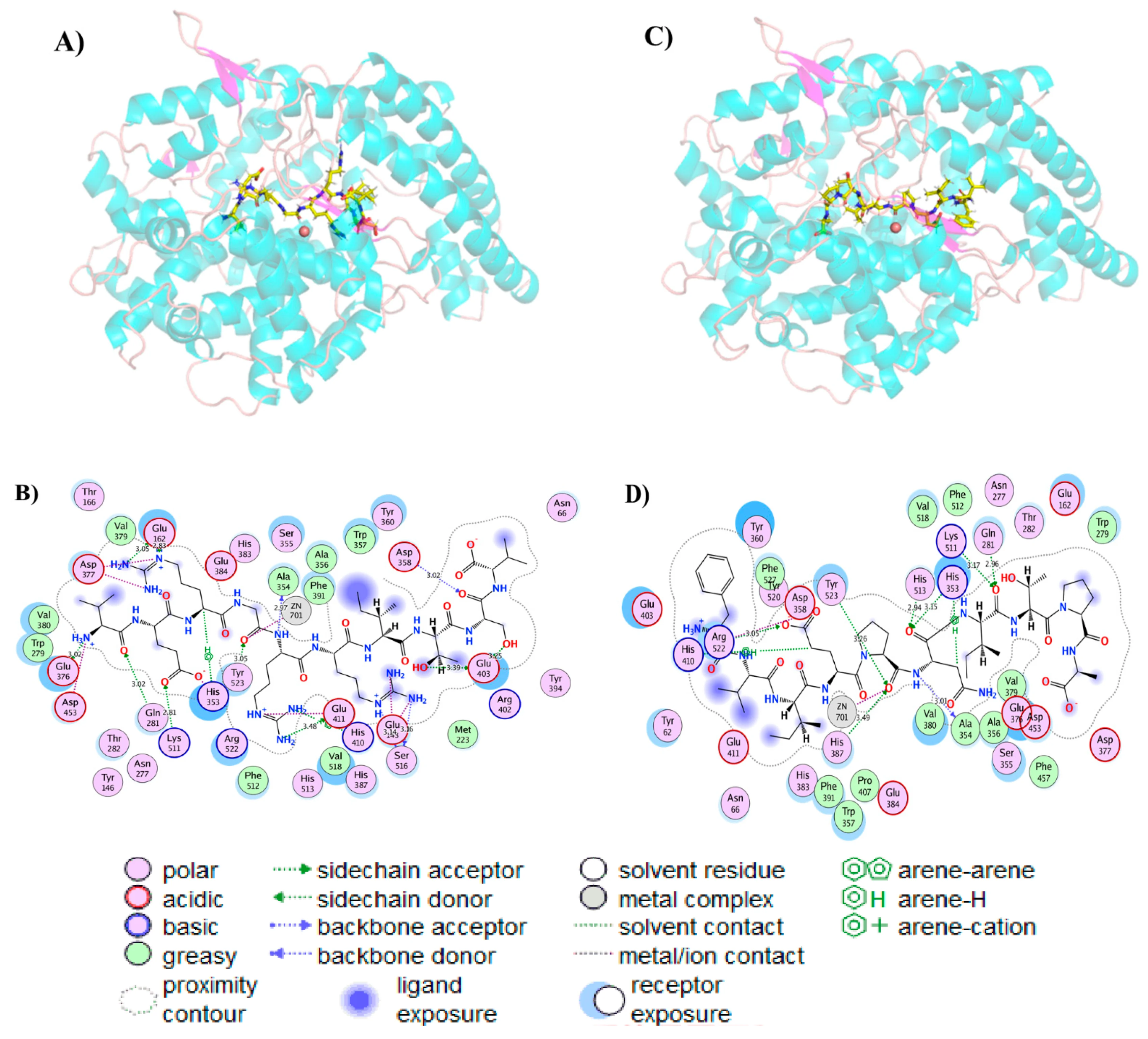
Figure 4. Hydrogen bond network from molecular docking
The molecular docking results of VERGRRITSV and FVIEPNITPA with the ACE protein are presented in 3D and 2D diagrams. The two peptides form numerous hydrogen bonds and salt bridges with multiple amino acid residues in the ACE active pocket, with binding free energies as low as -14.99 kcal/mol and -14.69 kcal/mol, respectively.
Such low binding free energies answer the question, "Why are these two peptides so highly active?" A strong hydrogen bond network stabilizes the peptide-ACE complex, hindering ACE from catalyzing the conversion of angiotensin I to angiotensin II. Molecular docking not only validates the experimental data but also provides a structural template for subsequent rational peptide screening. Based on this binding mode, more candidate peptides with similar hydrogen bond characteristics can be designed.
5. Animal Experiment: Significant and Long-Lasting In Vivo Antihypertensive Effect
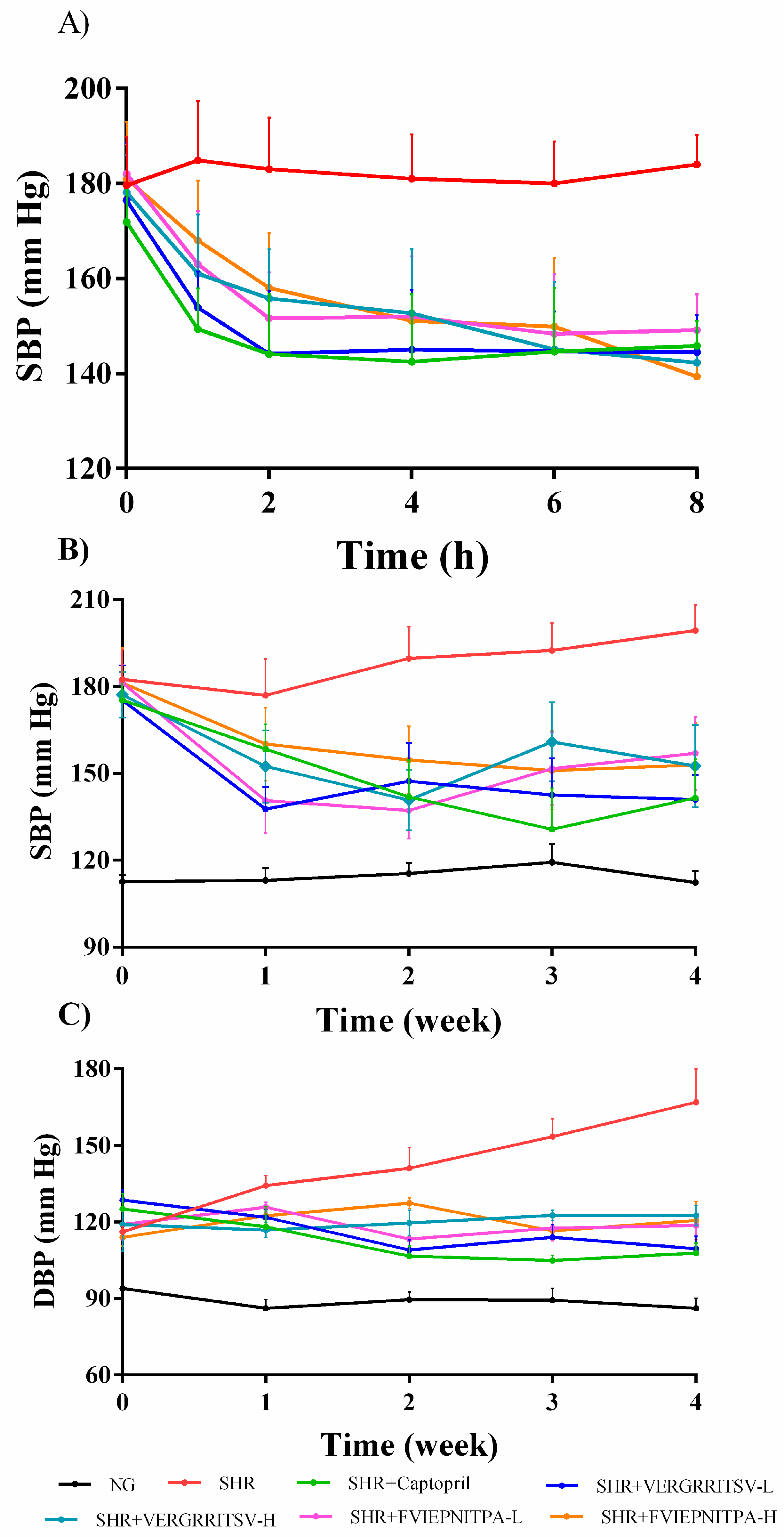
Figure 5. In vivo antihypertensive effect in animals
In a spontaneously hypertensive rat model, a single oral administration led to a significant decrease in systolic blood pressure within 2 hours, and the effect lasted for 8 hours in the high-dose group. After continuous administration for 4 weeks, both systolic and diastolic blood pressure in the treatment group were effectively controlled, with effects comparable to the positive drug captopril.
Many peptides exhibit strong inhibitory activity in vitro but are easily degraded by digestive enzymes after oral administration and cannot be effectively absorbed by the human body. These two peptides, however, produced a clear antihypertensive effect in vivo and demonstrated good oral absorption, indicating that the candidate molecules screened from the peptide library have crossed the most important threshold of "in vivo efficacy."
6. Mechanism Exploration: Multi-Target Modulation Superior to Single-Target Drugs
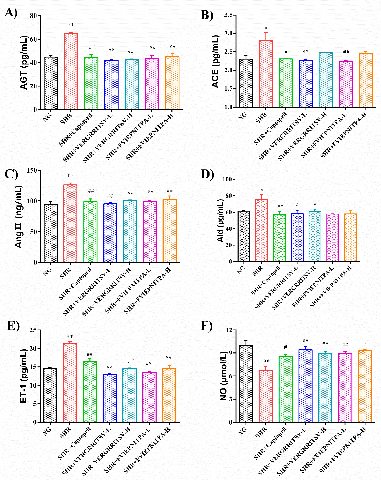
Figure 6. Multi-target blood pressure regulation mechanism
Results from assays of multiple serum indicators related to blood pressure regulation showed that the two peptides not only reduced levels of ACE, angiotensin II, and aldosterone, but also downregulated the vasoconstrictor endothelin-1 while upregulating the vasodilator nitric oxide.
These data reveal the unique advantages of natural peptides. Synthetic ACE inhibitors primarily act on ACE itself, whereas these two peptides simultaneously affect the renin-angiotensin system and the kallikrein-kinin system, exhibiting multi-target regulatory characteristics. This more comprehensive regulatory mechanism may be the underlying reason for their long-lasting antihypertensive effect and lower side effects. This also suggests that future peptide screening should not focus solely on the single indicator of ACE inhibition rate, but also pay attention to the overall impact on vascular endothelial function.
7. Stability Assessment: Fundamental Properties for Practical Application
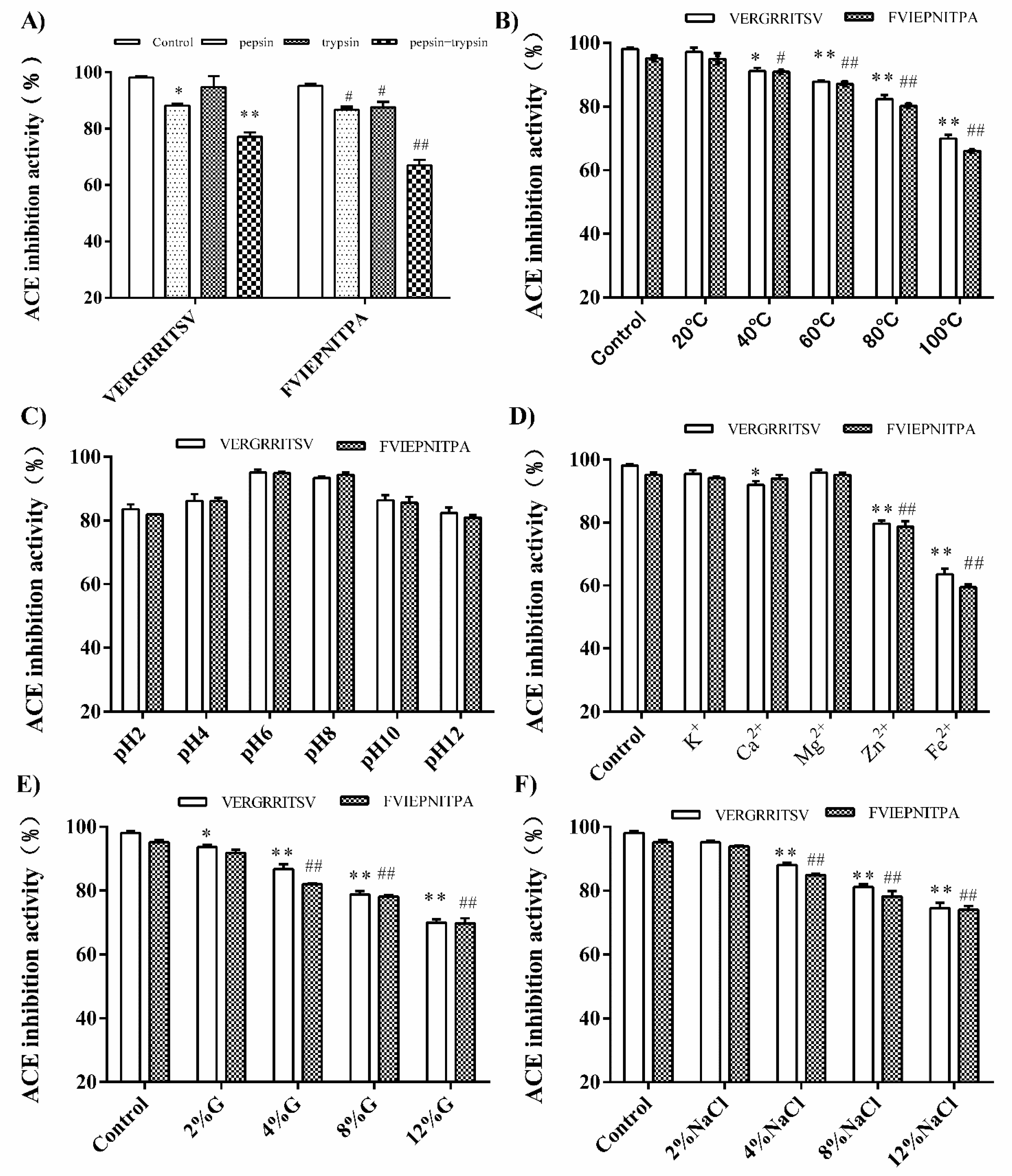
Figure 7. Evaluation of peptide processing stability
Comprehensive tests showed that the two peptides retained more than 70% activity after simulated gastrointestinal digestion; they were stable below 60°C and within a pH range of 2–10; low concentrations of salt and sugar did not affect activity; however, high concentrations of Zn²⁺, Fe²⁺, and excessive heat treatment should be avoided.
No matter how high a peptide's activity is, if it cannot withstand food processing or the gastrointestinal environment, it is difficult to translate into applications. VERGRRITSV and FVIEPNITPA possess good processing stability and digestion resistance, meaning they can be added as functional ingredients to beverages, dairy products, or health foods.
This study comprehensively demonstrates the technical pathway of "mining high-value active peptides from byproducts," precisely identifying two novel ACE inhibitory peptides from the walnut meal peptide library. It further elucidates the mechanism through molecular docking, verifies efficacy via animal experiments, and confirms application potential through stability assessment.
Throughout the entire R&D chain, high-quality peptide library synthesis and custom peptide library construction serve as the starting point and the foundation for success or failure. As a professional peptide service provider, KMD Bioscience offers full-process support from routine peptide library screening to large-scale peptide library synthesis, including Heptapeptide Libraries, Cyclic Heptapeptide Libraries, and Dodecapeptide Libraries, helping researchers and enterprises accelerate the translation from candidate molecules to functional products.
Wang J, Wang G, Zhang Y, Zhang R, Zhang Y. Novel Angiotensin-Converting Enzyme Inhibitory Peptides Identified from Walnut Glutelin-1 Hydrolysates: Molecular Interaction, Stability, and Antihypertensive Effects. Nutrients. 2021 Dec 29;14(1):151.
Q1. What is the core value of mining ACE inhibitory peptides from walnut meal?
Walnut meal, a byproduct of walnut oil pressing, has a high protein content but is often discarded as waste, leading to resource wastage. Meanwhile, long-term use of synthetic antihypertensive drugs is prone to various side effects. Naturally derived ACE inhibitory peptides, owing to their high safety and low side effects, have become a research hotspot in the field of hypertension treatment. Mining ACE inhibitory peptides from walnut meal not only enables the high-value utilization of agricultural byproducts and reduces resource waste, but also provides novel natural candidates for hypertension treatment, filling the market gap for food-derived natural ACE inhibitory peptides. This approach aligns with the development needs of the green environmental protection and health industries, offering significant economic and social benefits.
Q2. What are the advantages of a multi-step orthogonal separation strategy in peptide screening?
Gradually narrowing the screening range and improving screening efficiency. The composition of natural protein hydrolysates is complex, and a single step is insufficient to precisely pinpoint target active peptides. Multi-step separation allows for the progressive screening of active fractions from the complex system, reducing the workload of subsequent identification and improving overall R&D efficiency.
Increasing active peptide purity and eliminating interfering factors. Different separation steps are based on different separation principles, allowing for the stepwise removal of interfering components such as miscellaneous peptides and free amino acids, thereby making the target active peptide library purer and ensuring the accuracy of subsequent activity assays and identification results.
Enhancing screening reliability and reducing R&D risks. A multi-step orthogonal separation allows for cross-validation, avoiding potential biases that may arise from single-step separation, ensuring that the screened active peptides possess stable activity, and laying a solid foundation for subsequent mechanistic studies and application development.
Q3. What is the core role of Reversed-Phase High-Performance Liquid Chromatography (RP-HPLC) in the identification of active peptides?
RP-HPLC is an indispensable and critical step in the identification of active peptides. Its core role is to achieve high-resolution separation and precisely pinpoint target peptide segments with high activity. After preliminary coarse separation and refining, the peptide library components still contain many peptide segments, making it difficult to directly determine the effector molecules. RP-HPLC separates peptides based on differences in their hydrophobicity. Combined with gradient elution technology, it can separate mixed peptides one by one. Then, through activity assay comparison, the peptides with the highest activity are precisely screened from hundreds or thousands of peptide segments. The high-resolution characteristic of this technology effectively avoids interference from miscellaneous peptides, ensuring that the identified active peptides have clear effector functions, and providing accurate research subjects for subsequent molecular mechanism studies and activity validation.
Q4. What are the specific advantages of the multi-target regulation of natural ACE inhibitory peptides?
More long-lasting antihypertensive effect and more comprehensive regulation. Natural ACE inhibitory peptides not only act on ACE itself but also simultaneously regulate multiple targets related to blood pressure, covering the renin-angiotensin system and the kallikrein-kinin system, achieving multi-dimensional blood pressure regulation. Compared with single-target synthetic drugs, the antihypertensive effect is more long-lasting and stable.
Lower side effects and higher safety. Long-term use of single-target synthetic drugs can easily cause specific side effects, whereas multi-target regulation can reduce excessive intervention on a single system, lowering the risk of adverse reactions, which aligns with the safe and mild advantages of natural active substances.
Protecting vascular function and providing auxiliary conditioning effects. Multi-target regulation not only lowers blood pressure but also improves vascular endothelial function, balances the levels of vasoconstrictors and vasodilators, exerts a protective effect on the cardiovascular system, and possesses broader health value.
Q5. What is the importance of professional peptide technical support in the R&D of active peptides?
Ensuring the scientific basis of the R&D starting point and reducing R&D risks. High-quality peptide library synthesis and customization are the foundation of active peptide R&D. Professional technical support ensures the quality and diversity of the peptide library, providing sufficient and high-quality research subjects for subsequent screening, and avoiding R&D failures caused by poor peptide library quality.
Improving R&D efficiency and shortening the translation cycle. Professional technical support provides full-process R&D services covering key steps such as peptide library screening and targeted synthesis of active peptide segments, reducing trial-and-error costs during the R&D process with a mature technical system, and accelerating the translation of candidate molecules into actual products.
Ensuring the professionalism and standardization of research and enhancing the quality of outcomes. A professional technical team provides standardized experimental operations and technical guidance, ensuring the scientific rigor and standardization of each step (screening, identification, validation, etc.), guaranteeing the reliability and reproducibility of research results, and providing strong support for subsequent industrial application.
- custom peptide library
- peptide library screening
- peptide library synthesis

- Protein Platform
- Protein Expression Services
- Protein Modification & Detection Services
- Protein Interaction Services
- Protein Purification Service
- Antibody Discovery Platform
- VHH Antibody Platform
- Phage Display Platform
- Antibody Humanization Platform
- Single B Cell Screening Platform
- Antibody Expression & Validation Platform
- Peptide Library Platform
- Custom Antibody Platform
- Innovative Drug Discovery Platform
- Product Center
- Proteins
- Antibodies
- Raw Materials Reagents
- Small Molecule Reagents
- Peptide Products
- Nanoparticle Products
- Contact Us
- Phone:400-621-6806
- Mobile:13110936064(WeC
- E-mail:[email protected]
- Address:Room 108, Building 10, No. 6 Hechang Road, Wuqing Development Zone, Tianjin City
-

WeChat
-

Service Account
-
 400-621-6806
 -
 3599163699
 -
 Monday to Friday 9:00-18:00
 -

-
 0
0
-
