


The 5 Advantages of Phage Display in Modern Therapeutic Antibody Discovery
- 2026-05-17
- 113
`About the Author: Tianjin KMD Bioscience Co., Ltd. is dedicated to becoming a leading provider of therapeutic antibody discovery and related support services. With technology R&D at our core, we deliver high-quality CRO (Contract Research Organization) services to scientists and research institutions worldwide, driving advancement and innovation in medical technology.
In the rapidly evolving landscape of biotechnology and targeted therapeutics, the methodologies used to isolate and develop high-affinity binding proteins are critical to clinical success. Among these methodologies, in vitro selection technologies have revolutionized how we approach complex biological targets. Today, we will explore the remarkable advantages of phage display, a Nobel Prize-winning technology that has fundamentally reshaped the landscape of antibody discovery and protein engineering.
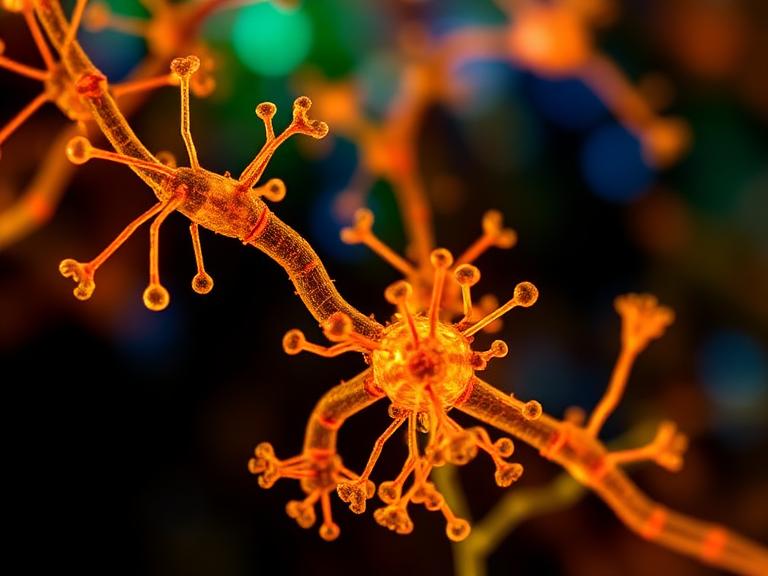
From our experience as a specialized CRO, traditional hybridoma technology—while historically significant—often struggles to meet the stringent demands of modern therapeutic development. The advantages of phage display provide an elegant, powerful, and highly scalable alternative. By establishing a direct physical linkage between phenotype (the expressed protein on the viral surface) and genotype (the DNA encapsulated within the viral particle), researchers can screen massive libraries of variants in a fraction of the time required by in vivo methods.
Table of Contents
Understanding the Core Mechanism of the Technology
Before diving into the specific advantages of phage display, it is vital to understand the basic biological mechanics driving the system. The technology typically utilizes filamentous bacteriophages, such as M13, which infect Escherichia coli (E. coli). Researchers insert exogenous DNA sequences into the phage genome, specifically fusing them to the gene encoding a coat protein (most commonly pIII or pVIII).
As the phage assembles and extrudes from the bacterial host, the engineered protein is "displayed" on the exterior surface of the virion. This creates a vast library of millions or billions of unique phages, each displaying a different protein or antibody fragment (such as scFv or Fab). We recommend utilizing this robust genotype-phenotype linkage because it allows scientists to physically capture specific binding proteins against a target antigen through a cyclical washing and amplification process known as biopanning. To successfully harness the advantages of phage display, one must master this biopanning protocol, isolating the rarest and most potent binders from a sea of non-specific variants.
Exploring the 5 Advantages of Phage Display
We frequently consult with research institutions that are evaluating which platform to utilize for their next biological therapeutic. In nearly every comparative analysis, the advantages of phage display stand out as decisive factors. Below, we outline the five primary advantages of phage display that make it the gold standard in modern CRO services.
1. Unmatched High-Throughput Screening Capacity
The first and perhaps most striking among the advantages of phage display is its extraordinary library size and screening throughput. A well-constructed synthetic or naive phage library can contain upwards of 10^10 to 10^11 unique independent clones. From our experience, screening a library of this magnitude using traditional mammalian cell culture or animal immunization would be logistically impossible and financially ruinous.
Because the phage particles are microscopic and physically robust, billions of variants can be screened simultaneously within a single microtiter plate well or a single microcentrifuge tube. When we discuss the advantages of phage display with our clients, we emphasize that this massive diversity exponentially increases the probability of discovering rare, high-affinity binders that might be entirely absent in a smaller immune repertoire. This high-throughput capacity ensures that researchers can confidently source validated antibody products with exact binding characteristics.
2. In Vitro Selection Bypasses Immunization Tolerance
One of the most persistent bottlenecks in traditional antibody discovery is immunological tolerance. When injecting animals with highly conserved human proteins, the animal's immune system often recognizes the antigen as "self" and fails to mount a strong immune response. Similarly, target antigens that are highly toxic or immunosuppressive cannot be safely administered to live hosts.
The advantages of phage display completely circumvent this biological limitation. Because the entire selection process (biopanning) is conducted in vitro (in a test tube), there is no immune system to tolerate or reject the target. We highly recommend this platform for discovering antibodies against challenging targets, such as venom toxins, highly conserved therapeutic receptors, or unstable protein complexes. The in vitro nature of the platform is a cornerstone of the advantages of phage display, allowing us to act as a premier primary antibody supplier for the most difficult diagnostic and therapeutic targets.
3. Rapid Discovery and Isolation Cycles
In the highly competitive pharmaceutical industry, time is one of the most valuable resources. Traditional hybridoma generation involves lengthy animal immunization schedules, splenocyte fusion, and tedious clonal selection processes that can take several months. Conversely, the advantages of phage display include highly accelerated discovery timelines.
A standard biopanning campaign generally requires only three to four rounds of binding, washing, elution, and amplification. From our experience, an optimized panning process can successfully isolate target-specific binders in a matter of weeks, rather than months. This rapid turnaround is essential for responding to emerging infectious diseases or meeting strict project deadlines. By leveraging the speed advantages of phage display, laboratories can quickly access research antibodies for labs, allowing downstream validation and functional assays to proceed without delay.
4. Precise High Affinity and Specificity Maturation
Isolating an initial binder is only the first step in therapeutic development. Often, the initial hit requires optimization to achieve sub-nanomolar affinity or to eliminate cross-reactivity with off-target proteins. The advantages of phage display shine exceptionally bright during the affinity maturation phase.
Because the DNA encoding the antibody fragment is encapsulated within the selected phage, researchers can easily extract it and introduce targeted mutations. Techniques such as error-prone PCR, DNA shuffling, or site-directed mutagenesis can be used to construct a secondary sub-library. By applying highly stringent washing conditions during subsequent panning rounds, we can force the isolation of only the tightest binding variants. We recommend this exact workflow for clients needing high quality primary antibodies suitable for rigorous in vivo clinical trials. The ease of genetic manipulation is one of the most defining advantages of phage display.
5. Cost-Effective and Scalable Production
Finally, we must consider the logistical and financial advantages of phage display. The maintenance of animal facilities for immunization protocols is highly expensive and subject to strict ethical regulations. Furthermore, mammalian cell culture for initial screening is resource-intensive.
Phage display relies on bacterial expression systems (E. coli) for library amplification and initial protein production. Culturing E. coli is rapid, inexpensive, and highly scalable. Once the optimal phage clone is identified, the DNA sequence is known instantly, allowing for seamless transition into recombinant expression systems for large-scale manufacturing. This scalability directly contributes to our ability to provide reliable antibody reagents at competitive price points. For budget-conscious research programs, the financial advantages of phage display are undeniable.
How KMD Bioscience Leverages These Advantages
At Tianjin KMD Bioscience Co., Ltd., we have fully integrated the advantages of phage display into our core CRO service offerings. We understand that the transition from a raw target sequence to a clinically viable therapeutic antibody is fraught with technical challenges. From our experience, a one-size-fits-all approach is inadequate. Therefore, we utilize custom naive, immune, and synthetic libraries tailored specifically to the unique parameters of our clients' targets.
By maximizing the advantages of phage display, we ensure high specificity, minimal cross-reactivity, and superior developability profiles. Whether our partners require single-domain antibodies (VHH/nanobodies), standard scFv fragments, or fully humanized IgG conversions, our deep technical expertise in harnessing the advantages of phage display guarantees precise, reliable, and innovative outcomes.
Summary Table: Advantages of Phage Display
| Advantage Category | Traditional Methods (e.g., Hybridoma) | Phage Display Technology |
|---|---|---|
| Library Size & Throughput | Limited by the host animal's immune repertoire. | Massive synthetic diversity (up to 10^11 distinct variants). |
| Immunological Tolerance | Fails against conserved, toxic, or non-immunogenic targets. | Completely in vitro; bypasses animal immune systems entirely. |
| Discovery Timeline | Extended (3 to 6 months for immunization and fusion). | Rapid (3 to 6 weeks for standard biopanning cycles). |
| Affinity Maturation | Difficult; requires complex re-cloning or secondary immunizations. | Streamlined; direct access to DNA allows for rapid mutagenesis. |
| Cost & Scalability | High animal maintenance costs and complex cellular screening. | Cost-effective bacterial culture and highly scalable amplification. |
Frequently Asked Questions (FAQs)
What are the main advantages of phage display over hybridoma technology?
The primary advantages of phage display over hybridoma include the ability to bypass animal immunization (allowing for the discovery of antibodies against toxic or highly conserved targets), significantly faster discovery timelines, the capacity to screen vastly larger libraries (up to 10^11 clones), and the immediate availability of the antibody's genetic sequence for downstream engineering and recombinant production.
How does the genotype-phenotype link contribute to the advantages of phage display?
The genotype-phenotype link is the foundational mechanism of the technology. The binding protein (phenotype) is displayed on the outside of the phage, while the DNA encoding that protein (genotype) is safely encapsulated inside. This means that once you physically isolate a phage that binds to your target, you instantly possess the genetic blueprint required to manufacture that exact protein in unlimited quantities.
Can the advantages of phage display be used to create fully human antibodies?
Yes, this is one of the most critical clinical advantages of phage display. By constructing a library using the genetic repertoire of human B-cells, researchers can directly isolate fully human antibodies. This eliminates the need for complex and time-consuming "humanization" processes required when using murine (mouse) antibodies, significantly reducing the risk of immunogenicity in human patients.
What types of libraries are used to maximize the advantages of phage display?
Researchers typically use three main types of libraries: Naive libraries (constructed from non-immunized donors, offering broad diversity), Immune libraries (constructed from donors exposed to a specific antigen, offering high affinity), and Synthetic libraries (computationally designed and artificially synthesized to optimize diversity and stability frameworks). We recommend selecting the library type based on the specific nature of your target antigen.
References
Smith, G. P. (1985). Filamentous fusion phage: novel expression vectors that display cloned antigens on the virion surface. Science, 228(4705), 1315-1317. PubMed Link
McCafferty, J., Griffiths, A. D., Winter, G., & Chiswell, D. J. (1990). Phage antibodies: filamentous phage displaying antibody variable domains. Nature, 348(6301), 552-554. PubMed Link
Bradbury, A. R., Sidhu, S., Dübel, S., & McCafferty, J. (2011). Beyond natural antibodies: the power of in vitro display technologies. Nature Biotechnology, 29(3), 245-254. NCBI Link

- Protein Platform
- Protein Expression Services
- Protein Modification & Detection Services
- Protein Interaction Services
- Protein Purification Service
- Antibody Discovery Platform
- VHH Antibody Platform
- Phage Display Platform
- Antibody Humanization Platform
- Single B Cell Screening Platform
- Antibody Expression & Validation Platform
- Peptide Library Platform
- Custom Antibody Platform
- Innovative Drug Discovery Platform
- Product Center
- Proteins
- Antibodies
- Raw Materials Reagents
- Small Molecule Reagents
- Peptide Products
- Nanoparticle Products
- Contact Us
- Phone:400-621-6806
- Mobile:13110936064(WeC
- E-mail:[email protected]
- Address:Room 108, Building 10, No. 6 Hechang Road, Wuqing Development Zone, Tianjin City
-

WeChat
-

Service Account
-
 400-621-6806
 -
 3599163699
 -
 Monday to Friday 9:00-18:00
 -

-
 0
0
-
