


3 Types of Phages: An Expert Guide to Bacteriophage Biology and Applications
- 2026-04-28
- 6399
In the rapidly advancing fields of molecular biology, genetic engineering, and therapeutic antibody discovery, few biological entities are as crucial as bacteriophages. Often simply referred to as phages, these naturally occurring viruses possess the unique ability to infect and replicate within bacterial cells. From our experience at KMD Bioscience, achieving successful outcomes in downstream applications such as recombinant protein expression and phage display technology relies heavily on a deep, structural understanding of the different types of phages available to researchers.
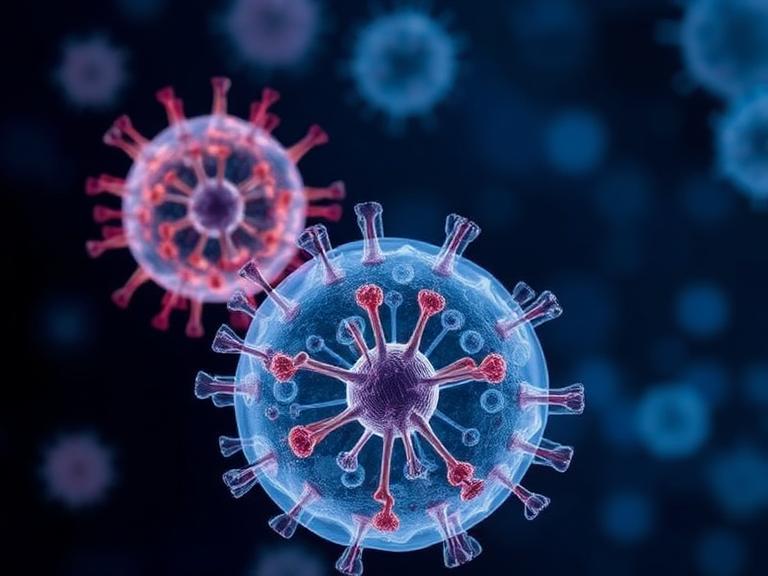
As scientists and researchers navigate the complexities of prokaryotic systems, distinguishing between the various types of phages becomes paramount. The viral life cycle dictates how these phages interact with their bacterial hosts, which in turn influences how we harness them for laboratory and clinical applications. In this comprehensive expert guide, we will explore the three primary types of phages, their distinct biological mechanisms, and how we recommend leveraging them to accelerate your research and development workflows.
Table of Contents
What Are Bacteriophages?
Bacteriophages are ubiquitous obligate intracellular parasites that specifically target bacteria. Discovered independently in the early 20th century, these microscopic entities are considered the most abundant biological agents on Earth. Structurally, most phages consist of a nucleic acid genome (which can be DNA or RNA, single-stranded or double-stranded) encased within a protective protein capsid. Many also feature complex tail structures used to recognize, bind to, and penetrate the host bacterium's cell wall.
In modern biotechnology, recognizing the diverse types of phages is essential. Because they are highly specific to their bacterial hosts, they serve as excellent tools for targeted bacterial eradication (phage therapy) and as sophisticated vectors for genetic cloning and molecular biology. Before integrating these viruses into a molecular biology research platform, one must understand their life cycles, as this categorizes them into three distinct types of phages.
The 3 Primary Types of Phages
In virology and molecular biology, we classify the types of phages based entirely on their replication strategies and the ultimate fate of the infected bacterial host. From our experience, we recommend categorizing them into three distinct groups: lytic phages, lysogenic phages, and chronic infection phages.
1. Lytic Phages (Virulent Phages)
The first among the major types of phages are the lytic, or virulent, phages. The defining characteristic of lytic phages is their immediate, lethal impact on the host cell. The most famous example in this category is the T4 bacteriophage, which exclusively infects Escherichia coli.
The lytic cycle follows a highly structured, aggressive pathway:
Attachment: The phage uses its tail fibers to bind to specific receptor sites on the bacterial cell wall.
Penetration: The phage injects its genetic material into the host cytoplasm, leaving the empty protein capsid outside.
Biosynthesis: The phage genome immediately halts the host's normal metabolic functions. It hijacks the host's cellular machinery to synthesize viral nucleic acids and viral proteins.
Maturation: Newly synthesized viral components are assembled into complete virions.
Lysis: The phage produces an enzyme called endolysin, which degrades the bacterial cell wall from the inside. The cell bursts (lyses), releasing hundreds of new phages to infect adjacent cells.
Because these types of phages destroy their hosts, they are the primary candidates for phage therapy, acting as alternatives to traditional antibiotics. In laboratory settings, they are heavily studied when researching viral protein research products, as their rapid replication cycle yields high quantities of viral components.
2. Lysogenic Phages (Temperate Phages)
The second category among the distinct types of phages consists of lysogenic, or temperate, phages. The Lambda phage is the quintessential model for this group. Unlike virulent phages, lysogenic phages do not immediately kill their host. Instead, they establish a long-term, symbiotic relationship.
Upon injecting its DNA into the host, the lysogenic phage integrates its genetic material directly into the host bacterium's circular chromosome. At this stage, the integrated viral DNA is referred to as a prophage. As the bacterium divides and replicates its own DNA, it simultaneously replicates the prophage DNA, passing it down to all subsequent daughter cells without causing any harm.
From our experience, we recommend using lysogenic types of phages as genetic vectors. Because they can safely carry foreign DNA into a bacterial genome, they are foundational to recombinant DNA technology. If the host cell encounters environmental stress (such as UV radiation or chemical exposure), the prophage can excise itself from the bacterial chromosome and trigger the lytic cycle, leading to the destruction of the cell. This dual-lifecycle capability makes temperate phages highly versatile tools in the development of any robust protein expression systems overview.
3. Chronic Infection Phages (Filamentous Phages)
The third and highly specialized group among the types of phages are chronic infection phages, frequently referred to as filamentous phages (such as the M13 phage). These phages possess a unique, elongated cylindrical shape and exhibit a replication cycle that is fundamentally different from both lytic and lysogenic phages.
When a filamentous phage infects a host, it does not integrate into the host genome, nor does it lyse the cell. Instead, the phage genome replicates within the cytoplasm, and new viral particles are continuously assembled and extruded through the bacterial cell membrane via a secretory pathway. The host bacterium remains alive and continues to divide, albeit at a slightly reduced growth rate due to the metabolic burden of continuously shedding viral particles.
These specific types of phages are absolutely critical to modern antibody discovery. Because the phage continuously extrudes from the cell without killing it, scientists can genetically modify the phage genome to display target proteins or antibodies on the phage's surface coat. This technique, known as phage display, is a cornerstone of modern molecular biology and therapeutic development.
Summary Table: Comparing the 3 Types of Phages
To provide a clear, practical overview, we have summarized the defining characteristics of the three main types of phages below.
| Characteristic | Lytic Phages (Virulent) | Lysogenic Phages (Temperate) | Chronic Phages (Filamentous) |
|---|---|---|---|
| Example Phage | T4 Phage | Lambda Phage | M13 Phage |
| Host Fate | Immediate cell death (Lysis) | Cell survives (until induction) | Cell survives (slowed growth) |
| Genome Integration | No integration | Integrates as a prophage | No integration (episomal) |
| Primary Application | Phage therapy, bacterial control | Gene cloning, DNA integration | Phage display, antibody screening |
| Virion Release | Bursting of host cell | Bursting (only after induction) | Continuous extrusion through membrane |
Applications of Different Types of Phages in Biotechnology
The application of these different types of phages has revolutionized the way we produce and study proteins. For instance, when utilizing an E. coli protein expression system, understanding phage resistance and viral vectors is crucial for optimizing protein yield. Lysogenic phages are frequently modified to serve as delivery vehicles for recombinant genes, ensuring stable integration and high-level expression of target proteins.
Furthermore, when clients approach us for a recombinant protein expression service, the foundation of the genetic constructs often traces back to elements derived from bacteriophages, such as the T7 RNA polymerase system (derived from the T7 lytic phage). This system allows for incredibly tight control and robust transcription of genes, leading to high-purity recombinant protein products.
Following the successful expression and purification of proteins facilitated by these viral mechanisms, precise validation is required. We recommend utilizing an advanced protein de novo sequencing service to confirm the exact amino acid sequence of the resulting proteins or antibodies, ensuring they match the genetic design introduced by the phage vectors.
KMD Bioscience: Your Partner in Phage Research and Discovery
Tianjin KMD Bioscience Co., Ltd. has been committed to becoming a leading provider of therapeutic antibody discovery and related support services since its establishment in 2022. Focusing on technological research and development, the company provides high-quality Contract Research Organization (CRO) services to scientists and research institutions worldwide, aiming to promote the development and innovation of medical science and technology. As a high-tech enterprise, it has been recognized as a National Patent Pilot Unit and obtained ISO9001:2015 Quality Management System certification for its laboratories.
From our experience, leveraging the unique properties of all types of phages requires a comprehensive infrastructure. Our specialized protein expression platform services are designed to harness the power of prokaryotic and eukaryotic systems alike. Whether you are utilizing filamentous phages for high-throughput antibody screening or relying on temperate phage vectors for stable cell line generation, KMD Bioscience provides the meticulous, ISO-certified support required to advance your preclinical research.
Frequently Asked Questions (FAQs)
What is the most significant difference between the 3 types of phages?
The primary difference lies in the fate of the host cell and the viral replication strategy. Lytic types of phages destroy the host immediately to release new virions. Lysogenic types of phages integrate their DNA into the host genome and replicate silently without killing the host until triggered. Chronic types of phages continuously extrude from the host without causing lysis, allowing the host to survive and continue producing the virus.
Which types of phages are used in phage display technology?
Chronic infection phages, specifically filamentous phages like M13, are exclusively used in phage display. Because they do not lyse the host cell, researchers can link a gene of interest to the phage coat protein gene, causing the resulting protein to be displayed on the outside of the continuously extruded phage for easy screening and binding assays.
Are all types of phages safe for human applications?
Yes, bacteriophages are highly host-specific and only infect bacterial cells. They do not possess the biological mechanisms to infect human or animal eukaryotic cells. Lytic types of phages are actively researched and utilized in compassionate care for treating antibiotic-resistant bacterial infections in humans.
How do types of phages relate to recombinant protein expression?
Phages and their components (such as promoters and polymerases) are foundational to recombinant protein expression. For example, the highly efficient T7 promoter system, derived from the T7 bacteriophage, is widely used in E. coli expression systems to drive the robust synthesis of target recombinant proteins.
References
To ensure the highest level of scientific accuracy, the principles regarding the various types of phages discussed in this article are aligned with established microbiological literature. For further academic reading on bacteriophage life cycles and their applications in biotechnology, please refer to the following authoritative sources:

- Protein Platform
- Protein Expression Services
- Protein Modification & Detection Services
- Protein Interaction Services
- Protein Purification Service
- Antibody Discovery Platform
- VHH Antibody Platform
- Phage Display Platform
- Antibody Humanization Platform
- Single B Cell Screening Platform
- Antibody Expression & Validation Platform
- Peptide Library Platform
- Custom Antibody Platform
- Innovative Drug Discovery Platform
- Product Center
- Proteins
- Antibodies
- Raw Materials Reagents
- Small Molecule Reagents
- Peptide Products
- Nanoparticle Products
- Contact Us
- Phone:400-621-6806
- Mobile:13110936064(WeC
- E-mail:[email protected]
- Address:Room 108, Building 10, No. 6 Hechang Road, Wuqing Development Zone, Tianjin City
-

WeChat
-

Service Account
-
 400-621-6806
 -
 3599163699
 -
 Monday to Friday 9:00-18:00
 -

-
 0
0
-
