


Gene knockout (KO) technology is a method that enables specific genes in the organism’s genome to lose their function. This technique introduces mutations into the DNA sequence of the target gene, preventing it from encoding normal proteins and thus resulting in gene function loss. In the field of plant genetics and crop improvement, specific genes can be knocked out to observe changes in plant phenotypes, thereby studying gene function.
Gene knockout methods include homologous recombination and the CRISPR/Cas9 system. Homologous recombination is achieved by designing specific homologous arms to replace the target gene fragment, thereby accomplishing gene knockout. The CRISPR/Cas9 system first uses the Cas9 enzyme to induce DNA double-strand breaks, followed by the cell initiating NHEJ or HDR repair mechanisms, which lead to base insertions or deletions and result in gene knockout. In addition, RNA interference (RNAi) technology can reduce or silence target gene expression by degrading or blocking the translation of the target mRNA, thereby achieving reduced expression or knockout.
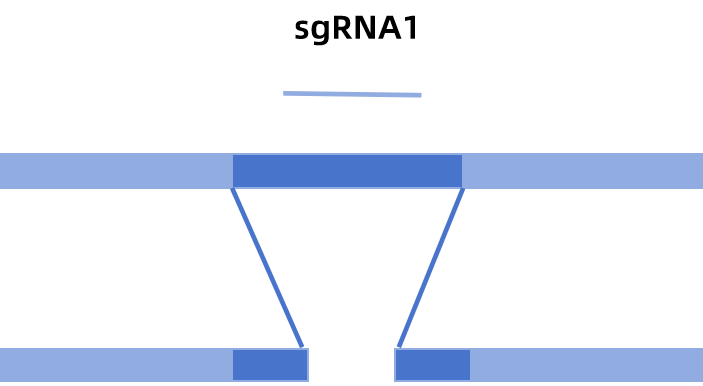
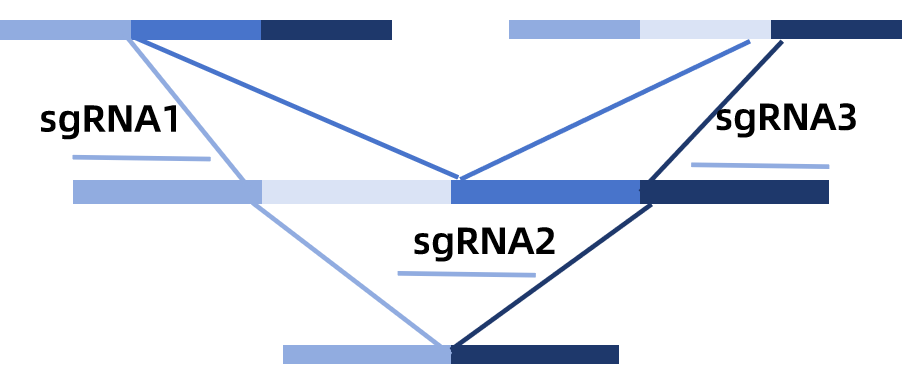
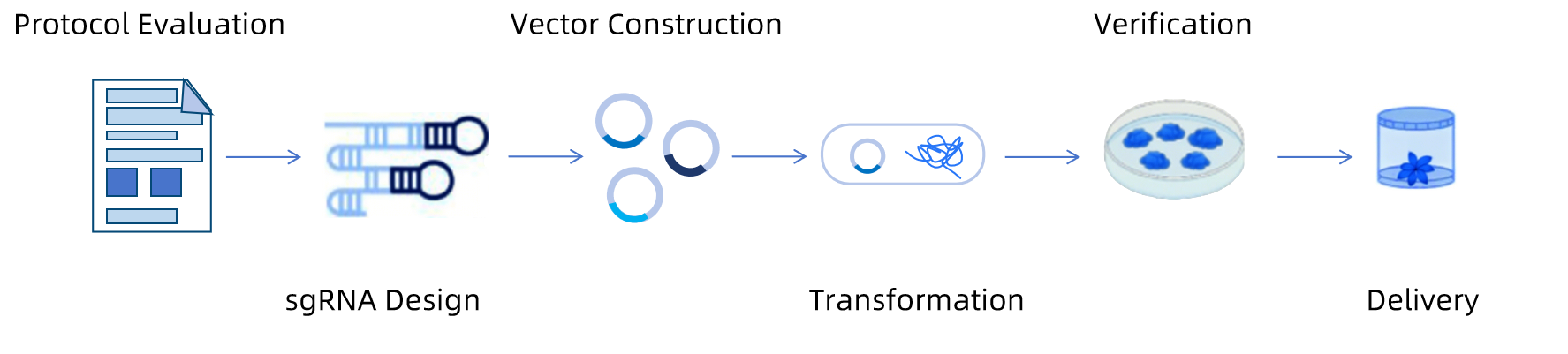
KMD Bioscience, leveraging its extensive experience in gene editing, has built an advanced Gene Editing Platform to provide efficient and precise services for plant gene knockout. This platform applies cutting-edge CRISPR/Cas9 technology combined with high-throughput sequencing validation methods to provide customers with one-to-one services covering multiple experimental stages, including Gene Knockout Strategy Design, Knockout Vector Construction, Genetic Transformation, Gene Knockout Efficiency Detection, and other related procedures.
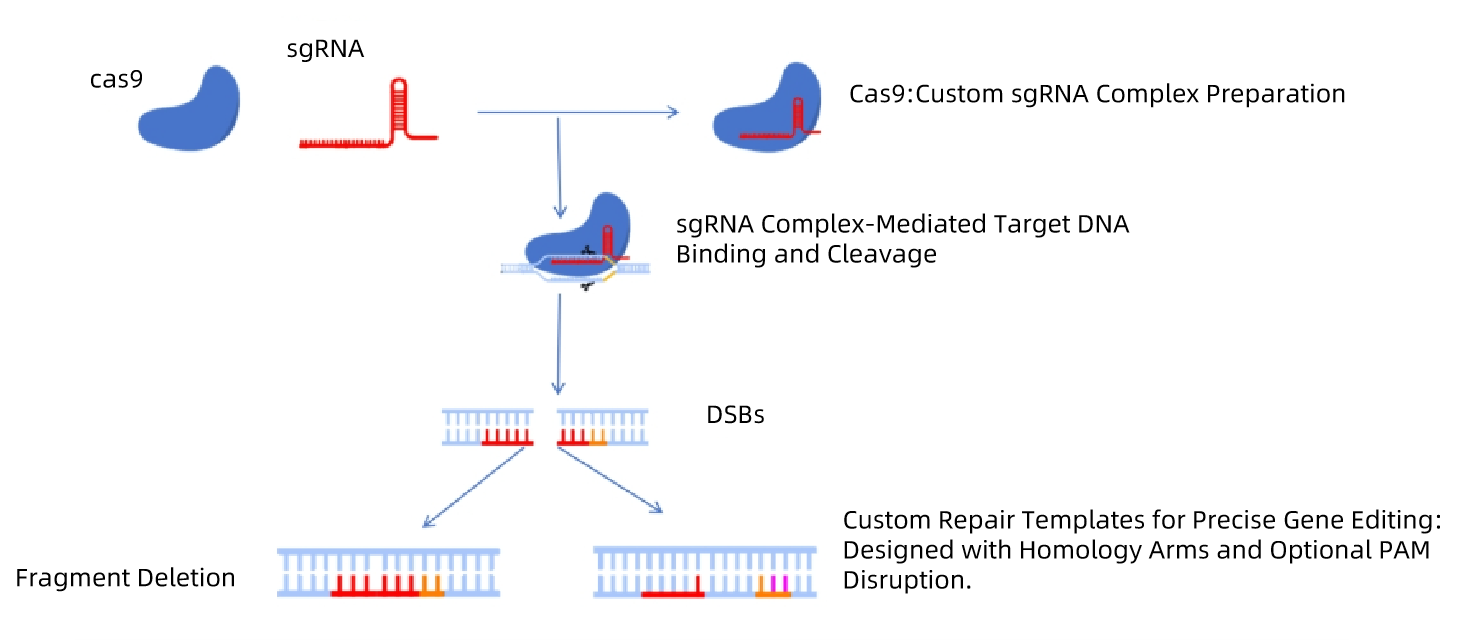
Figure 1. Gene Knockout Method





 0
0
