


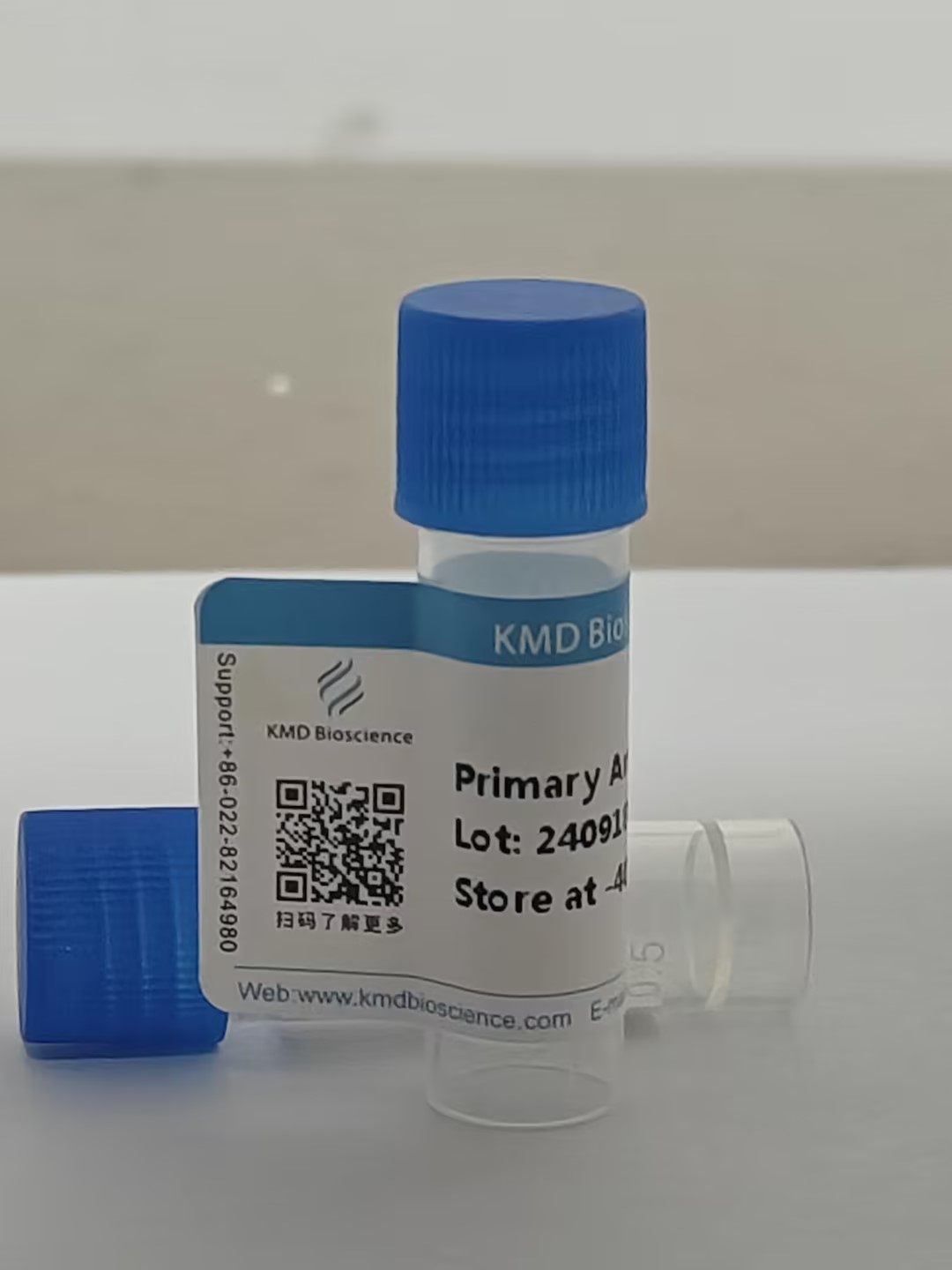
Protease K
Catalog Number EN010
Alias Endopeptidase K, Tritirachium alkaline proteinase, Tritirachium album serine proteinase, protease K, Tritirachium album proteinase K
Size 1g-1kg
Adjuvant and other auxiliary-reagent targets are functional-molecule sets used as immunoadjuvants, blocking reagents, coupling reagents, stabilizers, or auxiliary matrices in immunological experiments, vaccine and therapeutic-antibody development, and bioanalytical experiments, playing important auxiliary and supporting roles in enhancing immune responses, controlling non-specific background, improving detection stability, and optimizing antigen-presentation efficiency. These molecules include: immunoadjuvants (Freund's complete adjuvant FCA and incomplete IFA and their key components BCG and heat-killed mycobacteria, Montanide series, adjuvants such as monophosphoryl lipid A-MPL and 3'-O-MPL, E. coli LPS, CpG ODN such as CpG 1826, 1018, and 7909, poly(I:C), poly(A:U), natural immune agonists such as thiol-microbial volatiles, and nanoparticle/microsphere adjuvant-delivery systems such as PLGA, liposomes, and cationic liposomes DOTAP); blocking and coupling reagents (BSA and casein, animal serum blockers such as Normal Donkey Serum, Normal Goat Serum, Normal Rabbit Serum, fetal bovine serum, Normal Sheep Serum blocking buffer, non-specific-binding blockers such as TruStain FcX blocking human IgG and CompBeads blocking magnetic beads, Tween-20, Triton X-100, NP-40 and BSA mixtures); and other experimental auxiliary reagents (Tris, glycine, HEPES, PBS buffer components, EDTA and EGTA chelators, DTT and β-mercaptoethanol reductants, PMSF and protease-inhibitor cocktail, His-tag affinity resins and Ni-NTA resin, Protein A and Protein G affinity resins and magnetic beads, agarose and Sepharose crosslinked resins, fluorescent and enzyme-labeled secondary antibodies, ECL chemiluminescent substrates, colorimetric and fluorescent substrates such as TMB, ABTS, BCIP-NBT, protein standards and pre-stained markers, nucleic-acid markers, stabilizers and preservatives). These auxiliary reagents provide indispensable methodological and experimental support in optimizing antibody immunogenicity, improving detection and diagnostic specificity and stability, and constructing effective immune-response evaluation systems.



Service Account


 0
