


Drug Target Antibodies Key Mechanisms and Precise Experimental Applications
- 2026-06-23
- 117
Comprehensive Launch of Drug Target Antibodies
Drug target antibodies specifically refer to antibody drugs that precisely recognize and bind to specific biological macromolecules on the surface of cancer cells to achieve therapeutic purposes. The core advantage of drug target antibodies lies in their high targeting and specificity, making them a new direction in modern precision medicine.
These antibodies primarily treat diseases through the following three core mechanisms:
1.Direct action: Directly blocking the function of the target by binding to it.
2.Immune activation: Recruiting and activating human immune cells via the Fc region ("tail") to effectively kill target pathological cells.
3.Targeted delivery: Delivering cytotoxic agents such as potent chemotherapy drugs (ADC) or radioisotopes (RDC) to the target to achieve precise killing and improve efficacy.
KMD Bioscience has comprehensively launched multiple drug target antibodies, covering numerous tumor markers, immune checkpoints, cytokines, and more.
I. CTLA4
Human T cells acquire B7 ligands and major histocompatibility complex (MHC) from antigen‑presenting cells (APCs) via trans‑endocytosis upon CD28‑B7 binding. The acquired MHC and B7 enable T cells to self‑stimulate, a process that is restricted intracellularly by CTLA4. CTLA4 consumes B7 ligands that have been trans‑endocytosed by T cells or endogenously expressed via cis‑endocytosis. Extending this model to the extrinsic function of CTLA4 in human regulatory T cells (Tregs) suggests that blocking CD28 or CTLA4 attenuates Treg‑mediated B7 depletion from APCs, indicating that trans‑endocytosis cooperates with CTLA4‑mediated cis‑endocytosis to reduce B7 on APCs, thereby decreasing T cell activation.
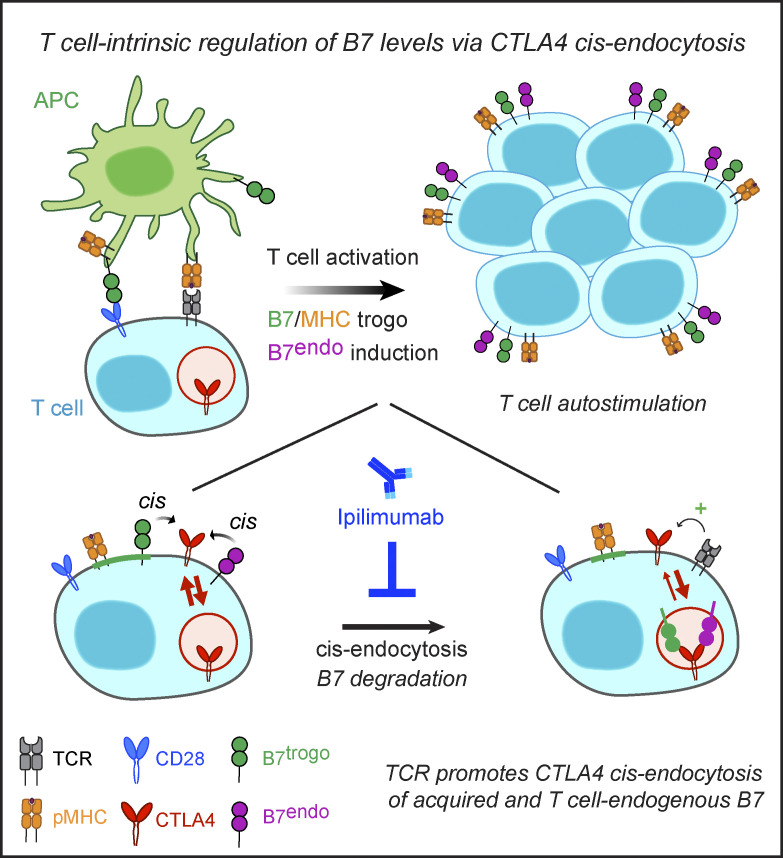
Figure 1: Mechanism of CTLA4 action (Reference [1])
II. HER2
Human epidermal growth factor receptor 2 (HER2) is a typical transmembrane glycoprotein of the epidermal growth factor receptor (EGFR) family and plays well‑defined and important roles in cell proliferation and differentiation. Therefore, many cancers are associated with aberrant HER2 signaling pathways. More specifically, HER2 overexpression or gene amplification in breast and gastric cancers leads to more aggressive tumors and poorer patient prognosis. Thus, it is evident that activating mutations of HER2 promote tumor formation and metastasis.
Among EGFR family members, HER2 is the most sought‑after heterodimer partner. Upon binding to other family members, HER2 undergoes dimerization, which directly activates its intrinsic tyrosine kinase activity, subsequently initiating several downstream signaling cascades that ultimately coordinate and regulate gene expression, cell cycle progression, cell motility, and many other cellular functions.
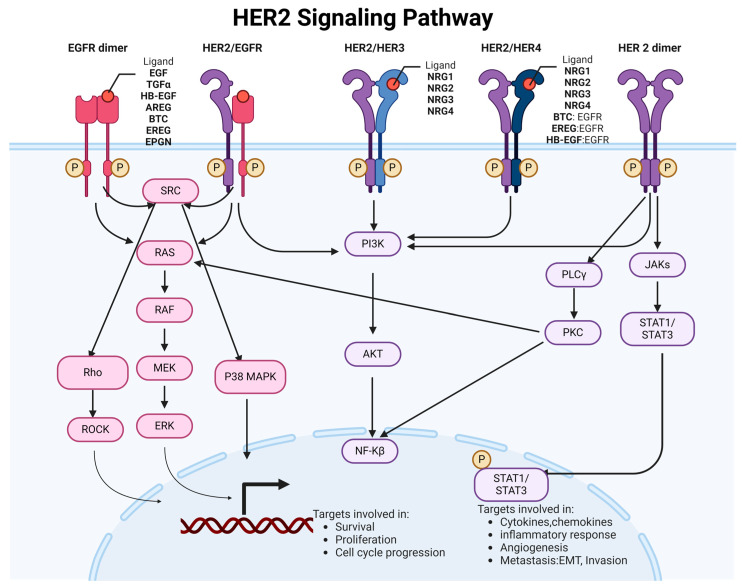
Figure 2: Mechanism of HER2 action (Reference [2])
III. PD1
Programmed cell death protein 1 (PD1) is mainly expressed on the surface of T cells and is one of the most thoroughly studied and typical immune checkpoint molecules. Its fundamental function is to suppress overactivation of the immune response while playing a critical role in maintaining self‑tolerance. Its classic ligand is programmed cell death ligand 1 (PDL1), which is highly expressed on the surface of various malignant tumor cells. Binding of PDL1 to PD1 inhibits the proliferation of PD1‑positive cells, making this one of the most common and important mechanisms of tumor immune evasion.
CD8 T cells are activated upon recognition of MHC class I tumor antigens and release IFN‑γ, which binds to the IFN‑γ receptor, thereby inducing PDL1 expression on tumor cells. PDL1 binds to elevated PD1 on the T cell surface, inhibiting CD8 T cell activation. Anti‑PD1 or anti‑PDL1 antibodies block the PD1‑PDL1 interaction, relieving the inhibition of CD8 T cells and thereby enhancing anti‑tumor immunity.
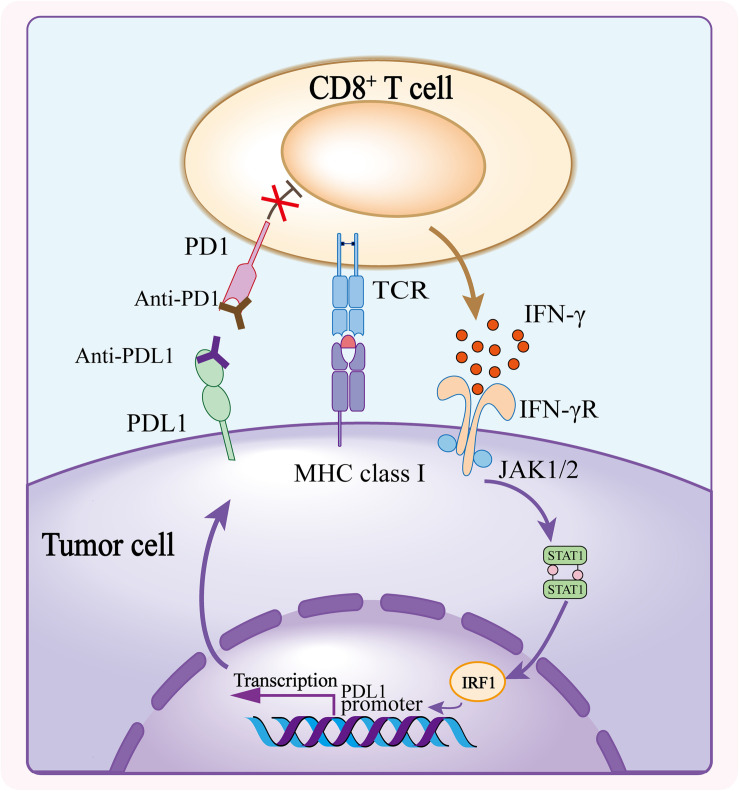
Figure 3: Mechanism of PD1 action (Reference [3])
IV. Core Applications
The drug target antibodies developed by KMD Bioscience possess high affinity and specificity and perform well in the following applications.
1. Applications in cell biology
◈Blocking experiments: At the cellular level, drug target antibodies can bind to antigens on the cell surface, thereby inhibiting their binding to ligands and indirectly blocking downstream signaling pathways.
◈Flow cytometry: Flow cytometry detection and sorting – using target antibodies to verify and screen for target cells expressing the antigen.
◈Immunology research: Immunohistochemistry and immunofluorescence – using fluorescently labeled target antibodies to stain target tissues or cells to determine whether the cells or tissues express the antigenic protein, commonly used in tumor tissue research.
2. Applications in molecular biology
◈Western Blot: Detection via protein immunoblotting, using target antibodies to verify antigen expression. This method requires sample linearization during processing, so some antibodies recognizing conformational epitopes may not bind well.
◈ELISA: Antigens are immobilized by coating onto ELISA plates. Drug target antibodies can be used in validation experiments, such as competitive binding assays to roughly determine the binding epitope and affinity of another antibody.
V. KMD Bioscience Products for Related Targets
For multiple targets, KMD Bioscience has launched the following drug target antibody products. In addition to CTLA4 antibodies, HER2 antibodies, and PD1/PDL1 antibodies, antibodies against CD117, CD20, LAG3, TIGIT, IL17A, EGFR, B7‑H3, and many other targets are available to meet different research needs of customers (for more needs, please visit the official website of KMD Bioscience). Furthermore, KMD Bioscience can also provide custom antibody services.
Antibody Product List | |||
Catalog Number | Product Name | Immunogen | Application |
Anetumab Biosimilar Reference Antibody | MSLN | ELISA, IF | |
Becotatug Biosimilar Reference Antibody | EGFR/ERBB1/HER1 | ELISA, IF | |
Botensilimab Biosimilar Reference Antibody | CTLA4/CD152 | ELISA, IF | |
[1] Xu X, Dennett P, Zhang J, Sherrard A, Zhao Y, Masubuchi T, Bui JD, Chen X, Hui E. CTLA4 depletes T cell endogenous and trogocytosed B7 ligands via cis-endocytosis. J Exp Med. 2023 Jul 3;220(7):e20221391.
[2] Cheng X. A Comprehensive Review of HER2 in Cancer Biology and Therapeutics. Genes (Basel). 2024 Jul 11;15(7):903.
[3] Liu J, Chen Z, Li Y, Zhao W, Wu J, Zhang Z. PD-1/PD-L1 Checkpoint Inhibitors in Tumor Immunotherapy. Front Pharmacol. 2021 Sep 1;12:731798.
Q1:What are drug target antibodies?
A1:Drug target antibodies generally refer to monoclonal antibodies (mAbs), which are immunoglobulins produced through biotechnology that can specifically bind to a particular target. According to their application scenarios, they are mainly divided into two types:
Therapeutic antibodies: Used to directly treat diseases by neutralizing pathogens, blocking signaling pathways, or labeling tumor cells to guide immune system attack.
Diagnostic antibodies: Used in in vitro diagnostics (e.g., ELISA) to detect specific antigens or antibodies.
In addition, therapeutic antibodies have evolved from the initial murine antibodies (high immunogenicity) to chimeric/humanized antibodies (reduced immunogenicity), and then to fully human antibodies.
Q2:What are common development technologies and application scenarios?
A2:
Antibody-drug conjugates (ADCs): Composed of three parts – antibody, cytotoxic payload, and linker – often referred to as "biological missiles." They combine the targeting ability of antibodies with the potent killing effect of chemotherapeutic drugs to precisely deliver the drug to tumor cells.
Bispecific antibodies (BsAbs): Can bind two different targets simultaneously. The most common mechanism is as T‑cell engagers (e.g., targeting CD3 and a tumor antigen), which can directly recruit immune T cells to the vicinity of tumor cells for killing.
Nanobodies: Single‑domain antibodies derived from camelids, with a size only one‑tenth that of conventional antibodies. They possess excellent tissue penetration ability and can be used to reach areas that traditional antibodies find difficult to access, such as crossing the blood‑brain barrier.
Q3:What challenges remain in the development and application of antibody drugs?
A3:
Drug resistance: This is a major cause of treatment failure. Resistance mechanisms are complex and can occur at different levels.
Target level: Downregulation or loss of antigen expression is a common mechanism. For example, in CD19‑targeted therapy, cancer cells can escape attack by reducing CD19 expression.
ADC‑specific resistance: Involves lysosomal dysfunction (inability to effectively release the toxin), drug efflux pumps (pumping the toxin out of the cell), and mutations in the payload target.
Tumor microenvironment: The tumor microenvironment may become immunosuppressive, weakening antibody function.
Immunogenicity: Antibodies, as foreign proteins, may be recognized by the immune system, leading to the production of anti‑drug antibodies (ADAs). This can accelerate drug clearance, reduce efficacy, or even cause severe allergic reactions. The key to reducing immunogenicity is to increase the degree of "humanization" of the antibody.
Toxicity and side effects: Antibody drugs may also cause off‑target toxicity (e.g., ADC damage to normal tissues), cytokine storms, or "on‑target toxicity" due to the expression characteristics of the target.
Production and cost: The production process for antibody drugs is complex and requires extremely high quality control, resulting in high research, development, and manufacturing costs.
Q4:What are the mainstream technologies for antibody discovery?
A4:
Hybridoma technology: A classic method that fuses B cells from immunized mice with myeloma cells.
Phage display: Antibody genes are expressed on the surface of phages in vitro, and high‑affinity antibodies are obtained through "panning."
Single B‑cell technology: Directly isolates single antigen‑specific B cells from humans and clones their antibody genes, allowing the generation of fully human antibodies.
Q5:What is the principle of target selection?
A5:
This is the first step in determining the success of a drug. The core is to find targets that are highly expressed in diseased tissues but have low or no expression in normal tissues, thereby ensuring treatment precision and reducing side effects. For example, the HER2 target is highly expressed on tumor cells in some breast cancer patients but has very low expression in normal tissues, making it an ideal therapeutic target.

- Protein Platform
- Protein Expression Services
- Protein Modification & Detection Services
- Protein Interaction Services
- Protein Purification Service
- Antibody Discovery Platform
- VHH Antibody Platform
- Phage Display Platform
- Antibody Humanization Platform
- Single B Cell Screening Platform
- Antibody Expression & Validation Platform
- Peptide Library Platform
- Custom Antibody Platform
- Innovative Drug Discovery Platform
- Product Center
- Proteins
- Antibodies
- Raw Materials Reagents
- Small Molecule Reagents
- Peptide Products
- Nanoparticle Products
- Contact Us
- Phone:400-621-6806
- Mobile:13110936064(WeC
- E-mail:[email protected]
- Address:Room 108, Building 10, No. 6 Hechang Road, Wuqing Development Zone, Tianjin City
-

WeChat
-

Service Account
-
 400-621-6806
 -
 3599163699
 -
 Monday to Friday 9:00-18:00
 -

-
 0
0
-
