


CD24: Pathways, Mech, FDA Drugs
- 2026-06-17
- 143
CD24 is a small-molecular glycoprotein anchored by glycosylphosphatidylinositol (GPI). It acts as a core multifunctional molecule with three vital identities: a cancer stem cell marker, an innate immune checkpoint, and a regulatory factor for metabolic inflammation. Spanning research from fundamental molecular mechanisms to clinical drug translational development, CD24 covers the three major disciplines of oncology, immunology and metabolism, and has emerged as a novel promising target for disease diagnosis and therapeutic intervention.
I. Structure and Basic Functions
First discovered as a B-cell differentiation antigen in 1978, CD24 is encoded by the CD24 gene localized at chromosome 6p21.3. It has a full-length sequence of 80 amino acids with a molecular weight of about 27 kDa. Structurally, it consists of a short extracellular domain, a single transmembrane domain and a cytoplasmic tail. Its C-terminus is anchored to the cell membrane through glycosylphosphatidylinositol (GPI). Multiple N-linked and O-linked glycosylation sites are distributed in its extracellular domain, and extensive glycosylation is the core characteristic supporting its functional activities.
Under physiological conditions, CD24 is highly expressed in hematopoietic stem cells, lymphocytes, epithelial cells and neurons. It regulates cell adhesion, migration, differentiation and programmed cell death, and specifically binds to membrane receptors including P-selectin, Siglec family proteins and β1 integrins, so as to maintain tissue structural stability and immune function balance.
In addition, CD24 is significantly overexpressed in solid tumors including breast cancer, pancreatic cancer, ovarian cancer and esophageal cancer, which can be used to assess tumor malignant progression and clinical prognosis. It also participates in the pathological development of autoimmune diseases, sepsis and metabolic disorders, serving as a key biomolecule that connects inflammatory lesions, tumorigenesis and metabolic abnormalities.
II. Core Signaling Pathways
CD24 possesses no intrinsic enzymatic activity. It modulates downstream signaling cascades by recruiting signaling molecules and binding specific receptors. Its core pathways are involved in tumor progression, immune regulation and metabolic homeostasis, forming a complex cross-regulatory signaling network.
1) Src-Integrin Pathway
CD24 recruits Src family kinases via cell membrane lipid rafts, activates focal adhesion kinase (FAK) and paxillin, and regulates the activity of α3β1 and α4β1 integrins, thus promoting adhesion, invasion and distant metastasis of tumor cells. Meanwhile, Src directly phosphorylates STAT3 and upregulates stemness-related genes such as Cyclin D1 and Survivin to maintain the self-renewal capacity of cancer stem cells.
2) MAPK Pathway
CD24 activates ERK1/2 and p38 MAPK through the Src-Lyn axis to induce proliferation of colorectal cancer cells. Its expression level is positively correlated with tumor progression and MAPK pathway activation, which is indispensable for maintaining the malignant phenotypes of cancer stem cells.
3) PI3K/Akt-mTOR Pathway
CD24 activates PI3K/Akt signaling to mediate trastuzumab resistance in HER2-positive breast cancer and sorafenib resistance in hepatocellular carcinoma. It also inhibits cellular autophagy through the Akt-mTOR axis and strengthens the anti-apoptotic ability of tumor cells.
4) Wnt/β-Catenin Pathway
CD24 directly binds to β-catenin and facilitates its nuclear translocation, activating downstream Wnt target genes and conferring tumorigenicity on tumor cells. This pathway is vital for triggering stemness phenotypes in liver cancer stem cells. Moreover, the Hippo-YAP pathway can directly bind to the CD24 promoter to upregulate CD24 expression, constructing the Hippo-YAP-CD24 axis to mediate tumor immune evasion.
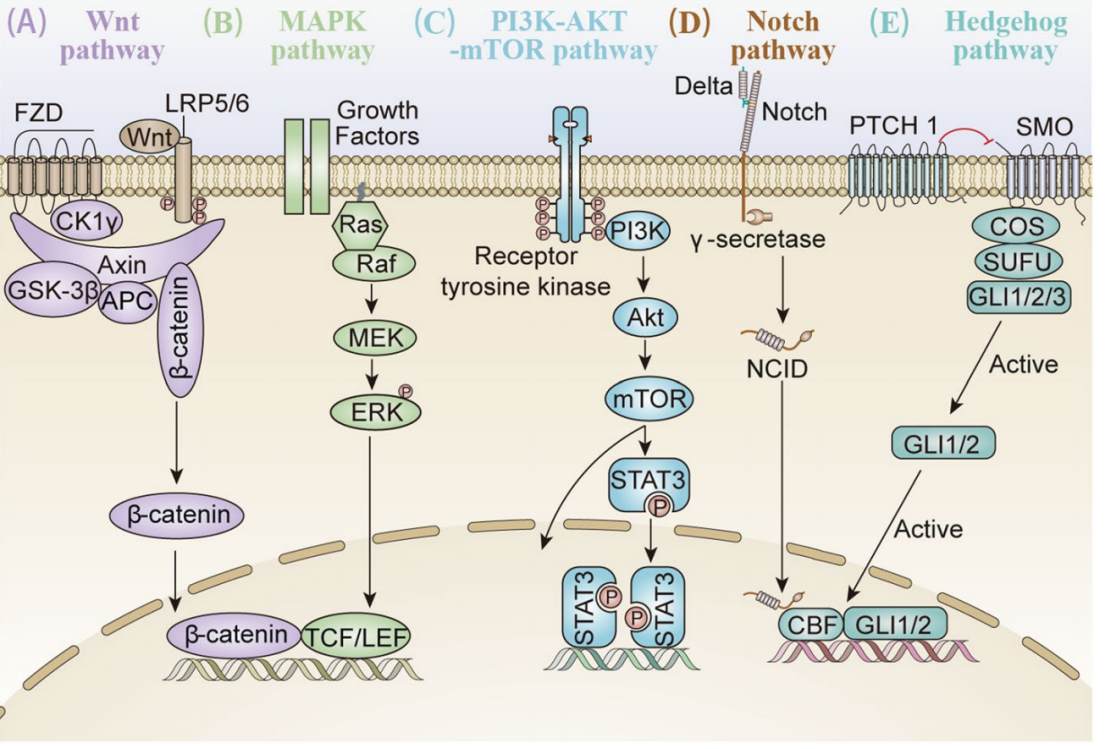
Fig. 1 Major CD24-mediated signaling pathways(Adapted from [1])
III. Mechanisms of Tumor Immune Evasion
CD24 is a novel innate immune checkpoint. It mainly mediates tumor immune evasion through the CD24-Siglec-10 axis, making up for the clinical limitations of CD47 and PD-1/PD-L1 pathways. Highly expressed CD24 on tumor cells specifically binds to Siglec-10 on macrophage surfaces, activates intracellular immunoreceptor tyrosine-based inhibitory motifs (ITIMs), recruits SHP-1/2 phosphatases, and inhibits macrophage phagocytosis, allowing tumor cells to escape innate immune clearance. This mechanism has been verified in esophageal cancer, hepatocellular carcinoma and glioma. Blockade of CD24-Siglec-10 interaction can significantly enhance macrophage-mediated tumor phagocytosis and suppress tumor growth.
Beyond phagocytosis suppression, CD24 further shapes an immunosuppressive microenvironment by multiple means: inhibiting the anti-tumor activity of NK cells and dendritic cells; inducing infiltration of regulatory T cells and myeloid-derived suppressor cells (MDSCs); and functioning as a cancer stem cell marker to confer chemoresistance and radioresistance on CD24-positive cancer stem cells, thus driving tumor recurrence and metastasis. In contrast to CD47, CD24 shows minimal expression in normal tissues with remarkably lower off-target risks in targeted therapy, rendering it a highly promising novel target for tumor immunotherapy.
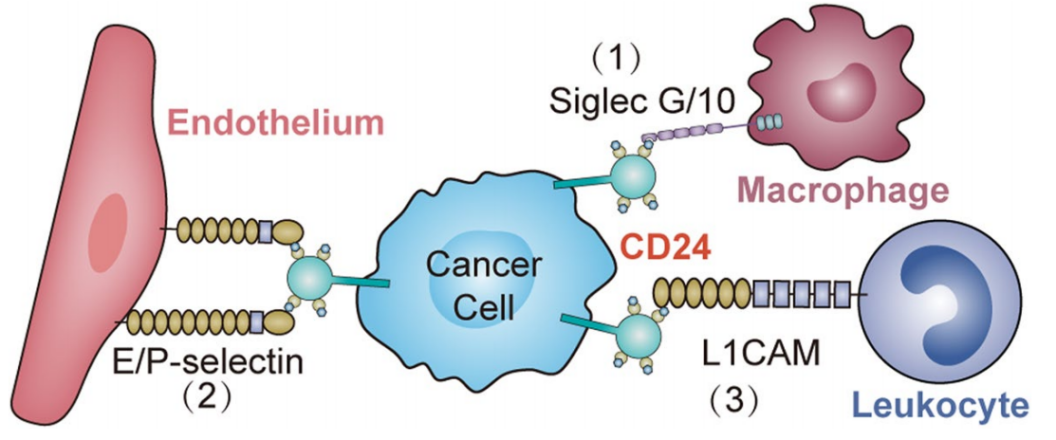
Fig. 2 Mechanism of Tumor Immune Evasion (Adapted from [1])
IV. Regulatory Effects on Metabolic Inflammation
The CD24-Siglec-E axis acts as a core innate immune checkpoint for metabolic inflammation. It enables targeted regulation of metabolic disorders including obesity, insulin resistance and non-alcoholic steatohepatitis (NASH), and links the pathological progression of inflammation and metabolism.
Under high-fat diet intervention, CD24 deficiency aggravates obesity, dyslipidemia, insulin resistance and hepatic steatosis in mice. The core mechanism is that damage to the CD24-Siglec-E axis causes excessive activation of the NF-κB pathway, accompanied by massive release of pro-inflammatory cytokines such as TNF-α, IL-6 and IL-1β. This triggers chronic metaflammation and disrupts metabolic homeostasis.
CD24Fc fusion protein can restore the physiological function of this signaling axis. It recruits SHP-1 phosphatase through Siglec-E to inhibit NF-κB-mediated inflammatory responses, relieve high-fat diet-induced metabolic abnormalities, and retard hepatic fibrosis progression as well as mitigate hepatocellular damage. Phase I clinical trials have verified that CD24Fc is able to lower low-density lipoprotein cholesterol levels in healthy individuals and suppress the expression of inflammation-related genes in peripheral blood, pioneering a novel research direction for clinical treatment of metabolic diseases. Furthermore, this mechanism reveals that metabolic inflammation can upregulate CD24 expression, which in turn accelerates immune evasion of tumor cells and ultimately forms a continuous and progressive pathological cycle.
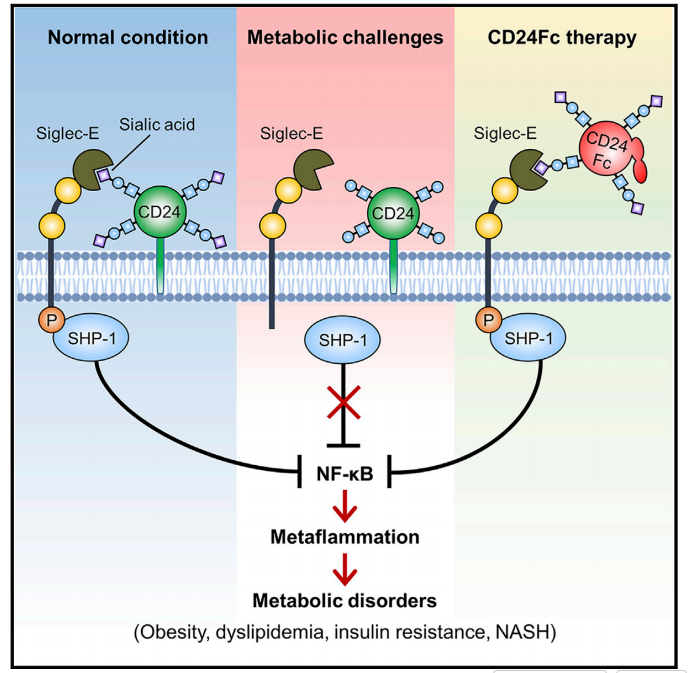
Fig. 3 Regulatory effects of CD24 on metaflammation (Adapted from [2])
V. Clinical Progress of CD24-Targeted Drugs
Four major research directions have been established for CD24-targeted therapeutics, namely monoclonal antibodies, antibody-drug conjugates (ADCs), CAR-T cell therapies and fusion proteins. Among all candidates, CD24Fc (MK-7110) has achieved the fastest advancement and is the CD24-targeted drug closest to FDA approval.
1) Monoclonal Antibodies
Anti-CD24 monoclonal antibodies such as IMM47 and ATG-031 restore macrophage phagocytic function via blocking the CD24-Siglec-10 axis, and their combination with PD-1 inhibitors can substantially improve therapeutic outcomes against solid tumors. G7mAb specifically targets liver cancer stem cells, and synergizes with chemotherapeutic agents to reinforce tumor suppressive efficacy.
2) Antibody-Drug Conjugates (ADCs)
HN-01 and ONC-784 conjugate anti-CD24 monoclonal antibodies with cytotoxic agents to precisely eliminate CD24-positive tumor cells. They exert potent anti-tumor activity in preclinical liver cancer and pancreatic cancer models, realizing dual functions of targeted cell killing and chemotherapy potentiation.
3) CAR-T Cell Therapy
SWA11-mediated CD24-targeted CAR-T therapy exhibits specific cytotoxic effects against triple-negative breast cancer, ovarian cancer and pancreatic cancer, and produces synergistic anti-tumor effects when combined with chemotherapy. BCMA-CD24 dual-target CAR-T is applied for multiple myeloma, which elevates treatment precision for hematological malignancies and breaks through drug resistance limitations of single-target therapy.
4) CD24Fc Fusion Protein
As a leading clinical candidate, CD24Fc (MK-7110) has completed multiple Phase III clinical trials. It is indicated for graft-versus-host disease (GVHD) prevention and severe COVID-19 treatment, which can markedly alleviate inflammatory responses and lower mortality rates. This agent possesses excellent safety profiles, with no obvious adverse reactions observed at a single dose of 240 mg, and it is the first CD24-targeted drug progressing into Phase III clinical studies. Despite the termination of its development for COVID-19 indications, its clinical value in immune disorders and metabolic diseases is still being deeply explored, making it the most prospective CD24-targeted candidate for FDA approval.
At present, the main clinical bottlenecks of CD24-targeted drugs include poor penetration capacity in solid tumors, large individual differences in tumor CD24 expression levels, and inadequate controllability of toxicity induced by combined medication. In the future, optimization of drug molecular structures, innovation of administration strategies and stratification by biomarkers will help expand the scope of clinical indications for CD24-targeted therapy.
KMD Bioscience owns mature platforms for protein R&D and production, covering four mainstream expression systems: prokaryotic, yeast, insect cell and mammalian cell expression systems. We can deliver high-purity, high-activity recombinant proteins and monoclonal antibodies targeting the full extracellular domain. Moreover, we are equipped with SPR and BLI affinity detection platforms as well as pharmacodynamic evaluation models, providing strong support for preclinical research of FDA pipeline drugs. We offer one-stop services covering recombinant protein preparation, antibody development and functional biological assays, accelerating the research and development of drugs targeting tumor immunity and metabolic inflammation, and providing reliable technical support for your scientific research and pharmaceutical development.
Products related to the CD24 target include:
Protein | |||
Catalog Number | Product Name | Sequence | Expression System |
Met1-Gly59 | HEK293 | ||
Met1-Gly59 | HEK293 | ||
Ser27-Gly59 | HEK293 | ||
Met 1-Gly 59 | HEK293 | ||
Met1-Arg52 | HEK293 | ||
Met1-Cys55 | HEK293 | ||
| / | Mammalian cells | ||
| / | HEK293 | ||
| / | HEK293 | ||
| / | HEK293 | ||
| / | HEK293 | ||
Antibody | |||
Catalog Number | Product Name | Immunogen | Application |
Recombinant protein of human CD24. | WB, IHC | ||
Recombinant fusion protein containing a sequence corresponding to a.a. 1-80 of human CD24 (NP_037362.1). | WB, IHC | ||
[1] Yang Y, Zhu G, Yang L, Yang Y. Targeting CD24 as a novel immunotherapy for solid cancers. Cell Commun Signal. 2023;21(1):312.
[2]Wang X, Liu M, Zhang J, et al. CD24-Siglec axis is an innate immune checkpoint against metaflammation and metabolic disorder. Cell Metab. 2022;34(8):1088-1103.e6.
[3]Zhao K, Wu C, Li X, et al. From mechanism to therapy: the journey of CD24 in cancer. Front Immunol. 2024;15:1401528.
Q1: What is CD24 molecule? What are its basic structure and physiological functions?
A: Cluster of Differentiation 24 (CD24) is a highly glycosylated GPI-anchored protein first discovered in 1978. Its core molecular weight is only 2–7 kDa, while extensive glycosylation modification brings its apparent molecular weight up to 30–70 kDa. Without transmembrane and intracellular domains, CD24 attaches to the cell membrane via GPI anchors. Its extracellular domain contains abundant N-linked and O-linked glycosylation sites, among which terminal sialic acid residues are the key structures for ligand binding.
Physiologically, CD24 is widely expressed on immune cells (B cells, T cell subsets, dendritic cells), stem cells (hematopoietic stem cells, neural stem cells) and epithelial cells of intestinal, mammary gland and respiratory tissues. Its core physiological functions include regulating B cell development, mediating cell adhesion, modulating inflammatory responses and maintaining tissue homeostasis. In immune regulation, CD24 binds to Siglec-10/Siglec-G to restrain excessive inflammation and avoid autoimmune injury. It also participates in the regulation of cell migration, proliferation and differentiation, and plays essential roles in organ development and tissue damage repair.
Q2: What is the molecular mechanism of CD24/Siglec-10 pathway and its function in tumor immune evasion?
A: The CD24/Siglec-10 pathway is a core innate immune checkpoint for tumor cells to achieve immune escape. Mechanically, highly expressed CD24 on tumor cells specifically binds to Siglec-10 receptors on macrophages and NK cells through terminal sialic acid residues, which triggers phosphorylation of intracellular immunoreceptor tyrosine-based inhibitory motifs (ITIMs), and further recruits and activates SHP-1/SHP-2 phosphatases. These phosphatases inhibit macrophage phagocytic activation signals such as PI3K/Akt and Rac1/CDC42 pathways via dephosphorylation, block cytoskeletal rearrangement and reduce phagocytic activity. Meanwhile, they weaken the cytotoxicity of NK cells and suppress the release of cytokines including IFN-γ.
Different from the CD47/SIRPα pathway, CD24/Siglec-10 pathway shows higher specificity in inhibiting tumor-associated macrophages (TAMs), and can still mediate effective immune evasion in tumors with low CD47 expression. This pathway is also positively regulated by the Hippo-YAP axis: as transcriptional co-activators, YAP/TAZ directly bind to CD24 promoter to upregulate CD24 expression, thereby further strengthening the immunosuppressive tumor microenvironment.
Q3: What are the similarities and differences between CD24 and CD47 as immune checkpoint molecules? What are their differences in clinical translational value?
A: Both CD24 and CD47 are key molecules for tumor immune evasion, which deliver "don’t eat me" signals to inhibit macrophage phagocytosis, but they possess distinct differences in molecular properties, functional mechanisms and clinical applications.
Characteristics | CD24 | CD47 | Clinical Translational Differences |
Molecular Structure | GPI-anchored protein, no transmembrane domain | Transmembrane protein with IgV-like domain | Anti-CD24 antibodies penetrate solid tumors better with lower side effects |
Receptor | Siglec-10 (human) / Siglec-G (mouse) | SIRPα | CD24 pathway targets TAMs with higher specificity |
Signal Transduction | Dependent on SHP-1/SHP-2 phosphatases | Dependent on intracellular ITIM of SIRPα | CD24 inhibitors avoid anemia risks caused by CD47 targeted therapy |
Tumor Expression | High expression in solid tumors (ovarian cancer, breast cancer, pancreatic cancer) | Widely expressed in hematological tumors and solid tumors | CD24 serves as an alternative therapy for patients with failed CD47 treatment |
Clinical Progress | Multiple monoclonal antibodies enter Phase I/II trials | Trials of Magrolimab were suspended due to safety issues | CD24-targeted drugs are granted FDA Fast Track Designation |
Q4: What are the mechanisms of aberrant CD24 expression in tumorigenesis and progression, and its clinical significance?
A: The abnormal overexpression of CD24 in tumors is regulated by multiple mechanisms, mainly including transcriptional activation, epigenetic modification and abnormal signaling pathway activation.
1) Transcriptional regulation: The Hippo-YAP pathway is the core regulatory axis. YAP/TAZ combines with TEAD transcription factors to directly activate CD24 promoter, which has been confirmed in esophageal squamous cell carcinoma and gastric cancer. In addition, sustained activation of STAT3 pathway enhances CD24 transcription through Src kinase-mediated phosphorylation and promotes tumor invasion and metastasis.
2) Epigenetic modification: DNA hypomethylation and histone acetylation in CD24 promoter region significantly boost its transcriptional activity, which is frequently found in ovarian cancer and triple-negative breast cancer. Activated MAPK/ERK, PI3K/Akt and other pathways can also upregulate CD24 expression via downstream transcription factors.
3) Clinical significance: High CD24 expression is closely associated with poor tumor prognosis, and can be used as an independent prognostic biomarker for ovarian cancer, pancreatic cancer, hepatocellular carcinoma and other malignancies. Its expression level can predict chemoresistance to guide clinical treatment regimens. Moreover, it acts as a precise target for immunotherapy and helps screen potential treatment beneficiaries.
Q5: What is the current FDA-related R&D progress of CD24-targeted drugs, and what are the representative candidates?
A: Current R&D of CD24-targeted drugs mainly focuses on tumor immunotherapy, and many candidates have obtained FDA clinical approvals or special designations.
1) ATG-031: The world’s first clinical-stage anti-CD24 monoclonal antibody. It was approved by FDA in 2023 to launch Phase I PERFORM study for advanced solid tumors. It specifically binds CD24 to block CD24-Siglec-10 interaction and restore macrophage phagocytosis. It shows excellent safety with no dose-limiting toxicity in Phase I studies.
2) PHST001 (Philogen): A humanized anti-CD24 monoclonal antibody awarded FDA Fast Track Designation in 2025, applicable for platinum-sensitive/platinum-resistant ovarian cancer and triple-negative breast cancer. Preclinical data verify that it can significantly enhance macrophage-mediated tumor phagocytosis and produce synergistic anti-tumor effects combined with PD-1 inhibitors. It is currently in Phase II clinical trials.
3) CD24Fc: A fusion protein constructed by CD24 extracellular domain and human IgG1 Fc segment. It inhibits inflammatory responses by activating CD24/Siglec-10 pathway, developed for severe COVID-19 and autoimmune diseases. It once obtained FDA Emergency Use Authorization (EUA) and is now in Phase III clinical trials.
4) ANC: A novel targeted therapeutic agent, which delivers nitric oxide to tumor sites precisely via CD24-specific antibodies to induce tumor cell apoptosis. Preclinical experiments prove its strong anti-hepatocellular carcinoma efficacy, and it remains in preclinical development stage.
- CD24
- CD24 antibody
- CD24 protein

- Protein Platform
- Protein Expression Services
- Protein Modification & Detection Services
- Protein Interaction Services
- Protein Purification Service
- Antibody Discovery Platform
- VHH Antibody Platform
- Phage Display Platform
- Antibody Humanization Platform
- Single B Cell Screening Platform
- Antibody Expression & Validation Platform
- Peptide Library Platform
- Custom Antibody Platform
- Innovative Drug Discovery Platform
- Product Center
- Proteins
- Antibodies
- Raw Materials Reagents
- Small Molecule Reagents
- Peptide Products
- Nanoparticle Products
- Contact Us
- Phone:400-621-6806
- Mobile:13110936064(WeC
- E-mail:[email protected]
- Address:Room 108, Building 10, No. 6 Hechang Road, Wuqing Development Zone, Tianjin City
-

WeChat
-

Service Account
-
 400-621-6806
 -
 3599163699
 -
 Monday to Friday 9:00-18:00
 -

-
 0
0
-
