


Every biopharmaceutical executive, translational program director, and head of medicinal chemistry eventually faces the multi-million-dollar strategic dilemma: should our next therapeutic program pursue an orally bioavailable small molecule chemical entity, or an engineered biologic macromolecule? Decades ago, this question was dictated entirely by therapeutic territory. If you targeted an intracellular kinase or G-protein coupled receptor (GPCR), you synthesized small molecules; if you targeted circulating cytokines or cell-surface immune checkpoints, you engineered monoclonal antibodies. Today, that boundary has dissolved into an aggressive commercial battlefield. Choosing the wrong therapeutic modality squanders multi-million-dollar research budgets on unaddressable binding pockets, insurmountable blood-brain barrier hurdles, or disastrous downstream immunogenicity. Understanding the true Differences Between Small Molecule and Biologic Drug Discovery requires looking past basic biochemistry textbooks and evaluating real lead optimization timelines, off-target toxicity liabilities, chemistry, manufacturing, and controls (CMC) capital expenditures, and contract research organization (CRO) operational competencies.
Quick Answer: The Strategic Reality Between Modalities
The definitive Differences Between Small Molecule and Biologic Drug Discovery center on six operational pillars: (1) Molecular Scale & Target Accessibility (small molecules under 500 Da permeate cell membranes to hit deep intracellular pockets; 150 kDa biologics dominate flat, extracellular protein-protein interfaces); (2) Lead Generation Technology (combinatorial chemical synthesis and high-throughput screening versus phage display libraries, hybridoma discovery, and in vitro affinity maturation); (3) Pharmacokinetics & Route of Administration (daily oral tablets with hepatic CYP450 clearance versus parenteral injection leveraging FcRn recycling for weeks-long systemic half-lives); (4) Safety Profiles & Attrition Mechanisms (small molecules fail from off-target metabolic toxicity and hERG cardiotoxicity; biologics fail from on-target hyper-pharmacology and anti-drug antibody immunogenicity); (5) CMC & Analytical Complexity (definable, batch-consistent chemical synthesis versus variable living-cell expression defined by ICH Q6B post-translational modifications); and (6) Clinical Attrition Economics (small molecules face brutal early-stage safety attrition, whereas biologics demonstrate roughly double the clinical transition success rate into regulatory approval but demand heavy upfront bioprocessing investments). Navigating biologic pipelines requires specialized recombinant infrastructure, such as the comprehensive Innovative Drug Discovery Platform engineered by KMD Bioscience.
Article Directory
Defining the Modalities: Organic Chemistry vs. Recombinant Systems
Quick Summary Table: Small Molecules vs. Biologics at a Glance
The 6 Core Differences in Discovery and Development Analyzed
Featured CDMO Capability: KMD Bioscience Affinity Maturation
Pros and Cons: Small Molecule Synthesis vs. Biologic Engineering
Decision Framework: Selecting the Right Modality for Your Target
CRO and CDMO Vetting Considerations for Biopharmaceutical Programs
Defining the Modalities: Organic Chemistry vs. Recombinant Systems
To evaluate the Differences Between Small Molecule and Biologic Drug Discovery, drug developers must look at structural physics and biophysical interactions. Small molecule drugs are low-molecular-weight chemical compounds, typically less than 900 Daltons (and historically adhering to Lipinski's Rule of 5: molecular weight under 500 Da, logP under 5, fewer than 5 hydrogen bond donors, and fewer than 10 hydrogen bond acceptors). They are assembled through organic chemical synthesis via reproducible, non-biological chemical reactions. Because of their compact size and lipophilic properties, they readily penetrate lipid bilayer cell membranes, cross physiological barriers including the blood-brain barrier (BBB), and engage deep hydrophobic catalytic pockets inside intracellular enzymes, ion channels, and nuclear receptors.
Therapeutic biologics, conversely, are complex, high-molecular-weight macromolecular proteins, typically ranging from 10,000 to over 150,000 Daltons. These entities encompass monoclonal antibodies (mAbs), antibody-drug conjugates (ADCs), bispecific antibodies, fusion proteins, and engineered cytokines. Biologics cannot be assembled step-wise in a chemical round-bottom flask; they are produced through recombinant gene expression inside living host cells—such as Chinese Hamster Ovary (CHO) cells, human embryonic kidney (HEK293) systems, or microbial hosts like Escherichia coli. Their immense surface contact areas (typically 1,500 to 3,000 square angstroms) enable exquisite, high-affinity molecular recognition that locks onto broad, flat extracellular target surfaces that lack defined enzymatic binding pockets.
From our experience managing discovery pipelines, confusing the operating rules between these two modalities is the leading cause of early program termination. Applying medicinal chemistry heuristics to antibody engineering—or expecting biological target specificity from early-stage chemical libraries—leads to severe budget overruns and missed clinical endpoints.
Quick Summary Table: Small Molecules vs. Biologics at a Glance
| Discovery Parameter | Small Molecule Chemical Entities | Therapeutic Biologics (mAbs, Recombinant Proteins) | Strategic Pipeline Impact |
|---|---|---|---|
| Molecular Size & Mass | Small: <500 to 900 Da; simple defined chemical structure | Large: 10,000 to 150,000+ Da; complex tertiary/quaternary folding | Dictates membrane permeability and delivery formats |
| Target Territory | Intracellular enzymes, GPCRs, nuclear receptors, CNS targets | Extracellular receptors, circulating ligands, membrane surface antigens | Determines target druggability from project inception |
| Screening Engine | Chemical HTS, Fragment-Based Screening (FBDD), DNA-encoded libraries | Phage display, yeast display, hybridoma immunization campaigns | Dictates early-stage CRO instrumentation and assay needs |
| Administration Route | Predominantly oral tablets/capsules; inhalation, topical | Parenteral delivery required (Intravenous, Subcutaneous, Intramuscular) | Directly governs patient compliance and commercial market adoption |
| Systemic Clearance & Half-Life | Short: Hours to 1 day; hepatic CYP450 metabolism & renal clearance | Prolonged: Days to weeks; reticuloendothelial uptake & FcRn recycling | Drives dosing frequency (daily oral vs. monthly injection) |
| Primary Attrition Causes | Off-target binding, metabolic instability, hERG/liver toxicity | On-target hyper-pharmacology, immunogenicity (ADA), aggregation | Small molecules fail in lead opt; biologics fail in clinical CMC/safety |
The 6 Core Differences in Discovery and Development Analyzed
1. Target Druggability and Molecular Access: Pockets vs. Flat Interfaces
The primary architectural divergence between modalities lies in target geometry. Classic small molecule discovery relies on the presence of a well-defined, concave, hydrophobic binding cleft—the classic lock-and-key model. Small molecules nestle inside these cavities, forming concentrated hydrogen bonds, van der Waals interactions, and electrostatic contacts to inhibit catalytic active sites (such as kinase ATP-binding pockets or protease active sites).
However, modern oncology, immunology, and neurology targets increasingly involve protein-protein interactions (PPIs). These interfaces are flat, hydrophobic surfaces spanning 800 to 3,000 square angstroms, completely devoid of deep grooved pockets. When small molecules attempt to block a flat PPI, they lack sufficient contact surface area, resulting in weak micromolar affinity and extensive off-target binding. This is where biologics dominate. Monoclonal antibodies engage target surfaces via three-dimensional complementarity-determining regions (CDRs), distributing binding energy across immense contact surfaces to achieve sub-nanomolar affinity. In most professional situations, if your therapeutic target is a flat extracellular checkpoint like PD-1, CTLA-4, or an interleukin receptor, deploying an antibody engineered through a dedicated Custom Antibody Platform is infinitely more viable than attempting chemical small molecule screens.
2. Hit Identification and Lead Generation Technologies
The operational engines that discover initial hits operate on completely different scientific planes:
Small Molecule Lead Discovery: Relies on screening massive synthetic chemical libraries (often 100,000 to 2,000,000 compounds) via robotic High-Throughput Screening (HTS), virtual in silico docking, DNA-encoded chemical libraries (DEL), or Fragment-Based Drug Discovery (FBDD). Hits require extensive structure-activity relationship (SAR) synthesis, where medicinal chemists synthesize hundreds of chemical analogs to optimize potency while balancing lipophilicity and molecular weight.
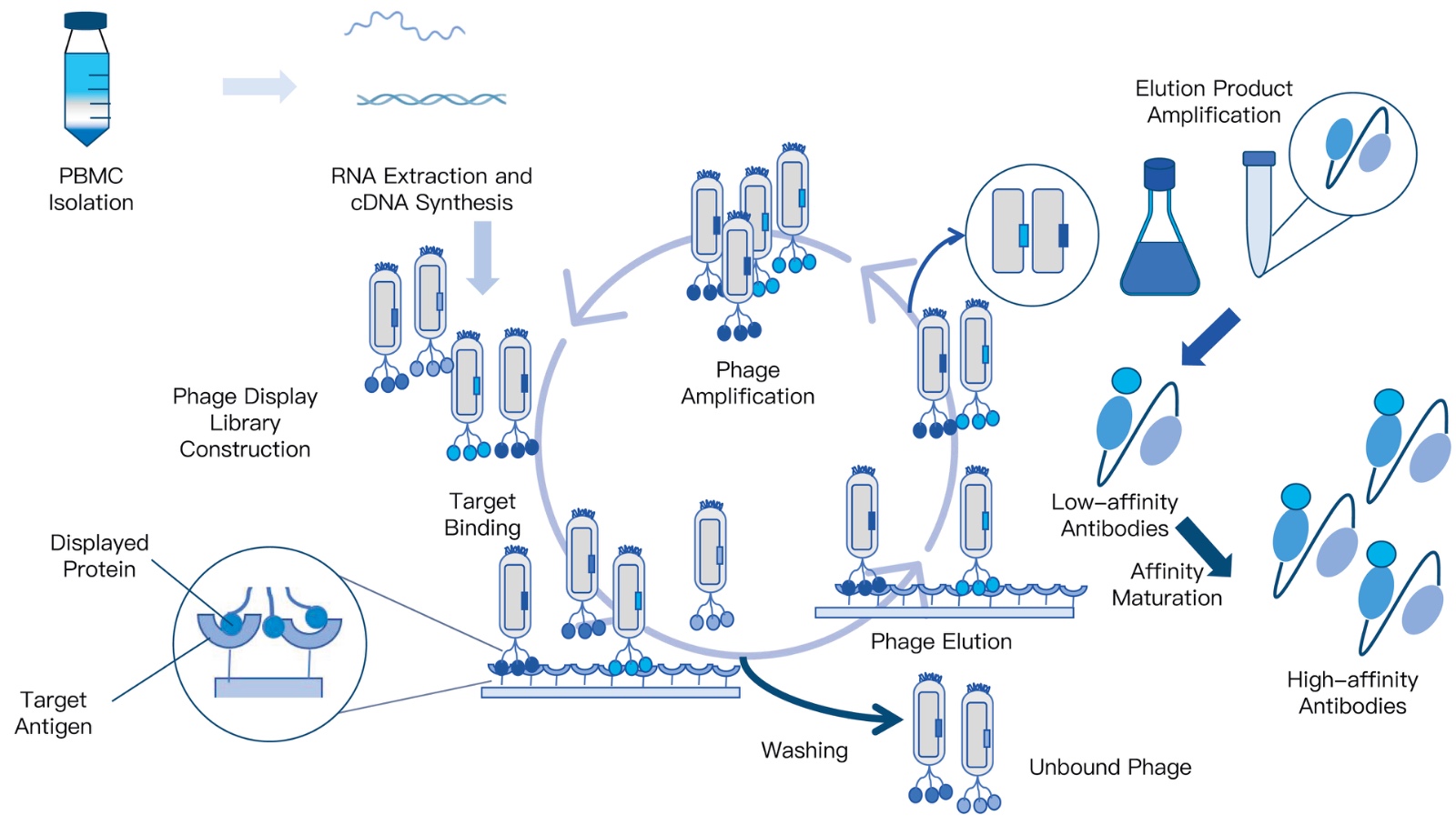
Biologic Lead Discovery: Relies on biological immune repertoires and molecular display platforms. Discovery begins either with animal immunization (transgenic mice expressing human immunoglobulin repertoires) followed by hybridoma generation or single B-cell cloning, or synthetic in vitro display technologies (phage display, yeast display, ribosomal display). Hits are already biological proteins, shifting the optimization burden toward recombinant engineering: antibody humanization, sequence de-risking (removing deamidation and isomerization motifs), and secondary maturation via high-diversity display systems like a dedicated Peptide Library Platform.
3. Specificity, Off-Target Promiscuity, and Toxicity Profiles
In our testing of translational drug candidates, small molecules and biologics present diametrically opposed safety liabilities:
Small molecules suffer from off-target chemical promiscuity. Because small compounds share structural motifs with thousands of endogenous metabolites, they frequently bind unintended targets. A kinase inhibitor designed for Target A may cross-inhibit off-target kinases, block human ether-a-go-go-related gene (hERG) potassium channels (triggering lethal cardiac QT prolongation), or induce idiosyncratic hepatotoxicity when metabolized into reactive quinone or epoxide intermediates by liver enzymes. Preclinical small molecule discovery demands extensive in vitro ADMET profiling, cytochrome P450 inhibition assays, Ames mutagenicity screens, and broad safety pharmacology panels.
Biologics, by contrast, exhibit exquisite, single-digit picomolar target specificity. They do not inhibit CYP enzymes, they do not cross the hERG channel, and their metabolic breakdown products are harmless endogenous amino acids. The primary safety concerns for biologics are on-target exaggerated pharmacology (e.g., cytokine release syndrome) and immunogenicity. The human immune system can recognize therapeutic antibodies as foreign proteins, generating Anti-Drug Antibodies (ADAs) that neutralize efficacy or trigger hypersensitivity. Overcoming immunogenicity requires humanization, germline optimization, and rigorous binding assessment using a validated Protein Interaction Services suite.
4. Pharmacokinetics (PK), Half-Life, and Routes of Administration
The patient experience and dosing schedule are completely dictated by modality physics. Small molecules are the undisputed champions of oral administration. Their low molecular weight and stable chemical bonds allow them to survive the harsh acidic environment of the stomach (pH 1.5 to 2.0), cross the gastrointestinal epithelial enterocytes via passive diffusion or active transport, and enter systemic circulation. However, their systemic half-life is typically short—often measured in hours—due to rapid first-pass hepatic metabolism and renal excretion, necessitating daily or twice-daily oral dosing.
Therapeutic biologics cannot be administered orally; digestive proteases and gastric acid degrade proteins immediately into inactive peptide fragments, and their immense size prevents mucosal absorption. Biologics mandate parenteral administration via intravenous (IV) infusion, subcutaneous (SC) injection, or intramuscular (IM) delivery. However, biologics feature unmatched pharmacokinetics: IgG antibodies interact with the neonatal Fc receptor (FcRn) in endothelial cells. When internalized via pinocytosis, IgG binds FcRn under acidic endosomal conditions, gets recycled back to the cell surface, and is released back into the bloodstream, bypassing lysosomal degradation. This FcRn recycling grants therapeutic antibodies remarkable systemic half-lives spanning 14 to 28 days, enabling convenient once-monthly or bi-weekly dosing schedules.
5. Chemistry, Manufacturing, and Controls (CMC): Chemical Synthesis vs. Living Cell Expression
In pharmaceutical engineering, the saying goes: For small molecules, the process makes the molecule; for biologics, the process IS the product.
Small molecule manufacturing is an exact, reproducible chemical science. A synthetic route consists of defined chemical steps, crystallization, and purification. Once synthesized, the molecule is identical from batch to batch, characterized down to atomic resolution by nuclear magnetic resonance (NMR), high-resolution mass spectrometry (HRMS), and X-ray crystallography. Scaling from 100 grams to metric tons involves classical chemical engineering principles with highly predictable stability profiles.
Biologics production, conversely, relies on recombinant expression inside living bioreactors. Upstream production requires engineering high-yield mammalian stable cell lines utilizing specialized Protein Expression Services. Because living cells produce the drug, the final product is not a single, uniform chemical entity, but an inherently heterogeneous mixture of micro-variants. Biologics undergo complex post-translational modifications (PTMs), including N-linked and O-linked glycosylation, terminal lysine clipping, deamidation, disulfide shuffling, and aggregation. Meeting regulatory specifications under ICH Q6B mandates extensive analytical characterization, including peptide mapping, glycan profiling, and circular dichroism, requiring integrated capabilities across an advanced Protein Modification & Detection Services workflow.
6. Development Timelines, Capital Attrition, and Regulatory Success Rates
The commercial risk profiles of the two modalities diverge dramatically across the development pipeline. Historically, small molecule discovery appears cheaper at the discovery phase: chemical libraries can be screened rapidly, and early chemical synthesis costs are modest. However, small molecules suffer brutal attrition during lead optimization and preclinical safety testing. Roughly 90% of small molecule programs fail before entering the clinic due to poor pharmacokinetics, insolubility, or unexpected animal toxicity.
Biologics carry heavy upfront capital expenses: generating recombinant antigens, screening phage libraries, optimizing mammalian expression titers, and running cell-banking protocols requires substantial early capital. However, once a biologic lead achieves favorable biophysical stability and humanization, its clinical probability of success (PoS) is significantly higher. Clinical data demonstrates that monoclonal antibodies advance from Phase I trials to regulatory approval at nearly double the rate of small molecule chemical entities (approximately 12% to 15% for mAbs versus 6% to 8% for small molecules). Biologics de-risk the biological mechanism of action early, saving hundreds of millions of dollars in late-stage clinical attrition.
Biologics Lead Optimization Spotlight: KMD Bioscience Affinity Maturation
In therapeutic antibody discovery, binding affinity directly governs therapeutic efficacy and clinical dosage requirements. When humanizing non-human monoclonal antibodies, target affinity frequently drops by several orders of magnitude. KMD Bioscience bridges this technical bottleneck through our specialized Antibody Affinity Maturation Services, built on proprietary phage display antibody library technology.
| Platform Core | Multi-species in vitro antibody affinity maturation leveraging proprietary phage display library engineering |
| Affinity Enhancement | Enhances parental monoclonal antibody binding affinity by 2 to 3 orders of magnitude, reaching picomolar levels ($10^{-9}\text{ M}$ or higher) |
| Engineering Strategies | Targeted CDR random mutagenesis, error-prone PCR, DNA shuffling, and high-stringency biopanning |
| Downstream Validation | Comprehensive kinetic profiling using surface plasmon resonance (SPR/Biacore) and bio-layer interferometry (BLI) via our Detection Platform |
| Turnkey Integration | Direct integration with upstream gene cloning in our Molecular Platform and downstream expression via the Antibody Expression & Validation Platform |
R&D Strategic Recommendation: Discover how KMD Bioscience optimizes therapeutic leads by reviewing the complete Antibody Affinity Maturation Service architecture to de-risk your preclinical biologic candidate.
Direct Technical & Commercial Comparison Table
| Development Phase / Attribute | Small Molecule Discovery Pipeline | Biologic (Antibody / Protein) Discovery Pipeline | Strategic CRO Sourcing Assessment |
|---|---|---|---|
| Primary Screening Method | Robotic HTS (enzymatic/cellular assays); DEL libraries; FBDD | Phage/yeast display panning; hybridoma single-cell cloning | Biologics require specialized recombinant antigen quality |
| Lead Optimization Cycle | Iterative medicinal chemistry synthesis (SAR); ADMET optimization | Humanization, CDR affinity maturation, PTM sequence de-risking | Biologics iterate via recombinant molecular biology |
| Preclinical Safety Hurdle | Off-target panel screens (Cerep), hERG cardiac assays, Ames test, DILI | Cross-reactivity tissue cross-binding; non-human primate toxicity | Biologics demand species cross-reactive animal models |
| Phase I to Approval Probability | Lower (~6% – 8% overall clinical success rate) | Higher (~12% – 15% overall clinical success rate) | Biologics provide higher late-stage clinical derisking |
| Early Preclinical Capital Cost | Moderate ($1.5M – $3.5M to IND candidate) | High ($3.0M – $7.0M to IND candidate including cell lines) | Small molecules lower upfront barrier; biologics higher |
| CMC / Bioprocess Scale-Up | Direct synthetic scaling; solvent and crystallization control | Master cell banking (MCB), bioreactor scaling, viral clearance | Biologics require high-containment cGMP bioprocessing |
Pros and Cons: Small Molecule Synthesis vs. Biologic Engineering
| Therapeutic Modality | Scientific & Commercial Pros | Engineering Limitations & Pipeline Risks |
|---|---|---|
| Small Molecule Chemical Entities (Medicinal Chemistry Route) |
|
|
| Therapeutic Biologics (Recombinant Antibodies & Proteins) |
|
|
Decision Framework: Selecting the Right Modality for Your Target
Allocating capital between small molecule synthesis and recombinant biologics must be guided by target biology, tissue distribution, and commercial patient access.
When Your Program Must Select Small Molecules:
Intracellular and Nuclear Targets: If your target is an intracellular enzyme, non-receptor tyrosine kinase, transcriptomic regulator, or nuclear receptor, biologics are structurally excluded. Monoclonal antibodies cannot cross the intact hydrophobic plasma membrane.
Central Nervous System (CNS) Disorders: The intact blood-brain barrier excludes macromolecules larger than 400 to 500 Daltons. While antibody-transferrin receptor shuttles are under development, small lipophilic molecules remain the gold standard for crossing the BBB to treat neurodegenerative diseases.
Developing Nations and Mass Outpatient Indications: For chronic indications requiring massive global distribution (such as hypertension, broad-spectrum antivirals, or anti-infectives), oral small molecule tablets eliminate the cold-chain distribution hurdles and expensive sterile injection equipment required by biologics.
When Your Program Must Select Biologics:
Extracellular Checkpoints & Circulating Ligands: For cell-surface immune checkpoints (PD-1, CTLA-4, LAG-3), growth factor receptors (HER2, EGFR), or soluble inflammatory cytokines (TNF-alpha, IL-6), biologics provide unmatched blocking potency and prolonged systemic exposure.
High-Selectivity Requirements with Lethal Off-Target Homology: When your therapeutic target shares high sequence and structural homology with other essential proteins (where small molecules trigger intolerable collateral toxicity), monoclonal antibodies distinguish single amino acid variants with absolute precision.
Recruiting Native Immune Effector Functions: When therapeutic efficacy requires antibody-dependent cellular cytotoxicity (ADCC), antibody-dependent cellular phagocytosis (ADCP), or complement-dependent cytotoxicity (CDC) to eliminate tumor cells, a full-length IgG antibody format is structurally indispensable. Advancing these programs requires exploring verified Protein Expression Platform suites to guarantee consistent Fc-effector glycosylation profiles.
Critical Discovery and Pipeline Development Mistakes
Translational Warning: The most catastrophic mistake biopharma startups make is attempting to push a small molecule into lead optimization against a flat protein-protein interaction without deep binding pockets. Teams spend millions on combinatorial synthesis, only to generate compounds with poor solubility, non-specific binding, and fatal metabolic liabilities.
Ignoring Post-Translational Modifications (PTMs) in Recombinant Antigens: When screening phage display libraries for antibody discovery, using bacterially expressed recombinant antigens that lack mammalian glycosylation leads to failure. The resulting antibodies bind the unglycosylated synthetic antigen in vitro, but completely fail to recognize the fully glycosylated target on human patient cells. Always source antigens expressed in mammalian systems with verified native conformations.
Over-Engineering Small Molecule Potency at the Expense of Lipophilicity: Medicinal chemists frequently add aromatic rings to compounds to force nanomolar IC50 values. This drives logP above 5.0, resulting in "molecular grease" that precipitates in aqueous media, binds non-specifically to human serum albumin, and triggers rapid liver clearance.
Neglecting Early Biologic Developability and Sequence Liabilities: Selecting lead antibodies based purely on picomolar affinity while ignoring developability is an expensive error. If your antibody sequence contains deamidation motifs (Asn-Gly), isomerization sites (Asp-Gly), or hydrophobic patches, the candidate will aggregate and precipitate during downstream bioreactor scale-up. Developability de-risking must occur alongside initial affinity screening.
Underestimating Preclinical Species Cross-Reactivity: If your therapeutic antibody binds human Target X with picomolar affinity but has zero cross-reactivity with the rodent or non-human primate homolog, you cannot evaluate toxicity or mechanism of action in standard preclinical models. Verifying species cross-reactivity early using advanced target validation workflows from our Process Development Platform is mandatory before committing to IND-enabling toxicology runs.
CRO and CDMO Vetting Considerations for Biopharmaceutical Programs
When selecting a contract research organization (CRO) or contract development and manufacturing organization (CDMO) to support your pipeline, technical capabilities must match your chosen modality:
1. Recombinant Library Diversity and Display Prowess (For Biologics)
Inquire about the real functional diversity of the CRO's phage or yeast display libraries. A library boasting $10^{10}$ clones is useless if sequence diversity is concentrated in non-functional frameworks. Ensure the CRO demonstrates verified biopanning protocols against challenging membrane-bound proteins and multi-pass GPCR antigens.
2. Structural Biology and Biophysical Analytical Infrastructure
Confirm the CRO maintains in-house biophysical characterization infrastructure: Surface Plasmon Resonance (SPR/Biacore), Bio-Layer Interferometry (BLI/ForteBio), differential scanning fluorimetry (DSF), and multi-angle light scattering (SEC-MALS). Outsourcing biophysical characterization to third-party testing labs introduces weeks of pipeline latency. Review comprehensive service directories via verified Technical Resources before executing master service agreements.
3. Mammalian Cell Line Development and Titer Guarantees
For biologic transitions into CMC, evaluate the partner's stable cell line development platform. Can they achieve commercial titers exceeding 3 to 5 grams per liter in CHO-K1 or CHO-S hosts? Do they verify monoclonality via image-verified single-cell printing? Confirming regulatory-compliant cell line history ensures your candidate smoothly clears FDA IND chemistry reviews.
4. Cross-Disciplinary Genetic and Molecular Tooling
Modern discovery increasingly demands hybrid approaches: combining antibody-targeted delivery with small molecule warheads (ADCs), or leveraging molecular biology tools like our Gene Editing Platform to generate knockout cell lines for target specificity verification. For plant-based expression systems and agricultural biotechnology crossover, examine specialized services like the Plant Genetic Transformation Platform to verify comprehensive multi-species expertise.
Expert R&D Strategy Recommendation
In our professional assessment, neither modality holds a permanent monopoly over therapeutic innovation. The most commercially resilient biopharmaceutical pipelines do not pit small molecules against biologics; they strategically deploy each modality where its biophysical properties maximize clinical probability of success.
If your therapeutic hypothesis demands oral administration, systemic tissue penetration, or targets intracellular enzymatic pockets within the central nervous system, commit your resources to modern small molecule discovery—leveraging DNA-encoded libraries and structure-based drug design to overcome historical ADMET liabilities.
However, if your program targets extracellular receptors, immune checkpoints, or complex protein-protein interfaces where single-target specificity is paramount, bypass small molecules entirely. Invest in recombinant biologic engineering. Partnering with proven, technically transparent platforms—such as the integrated antibody discovery, expression, and affinity maturation suites at KMD Bioscience—gives your team the high-affinity leads, developability de-risking, and scalable bioprocessing required to transform biological targets into commercial clinical assets.
Frequently Asked Questions
What are the core differences between small molecule and biologic drug discovery?
The primary differences span molecular scale and structure, target druggability (intracellular pockets vs. extracellular protein-protein interfaces), screening and lead generation engines (chemical high-throughput screening vs. display repertoire selection), pharmacokinetics and delivery routes (oral bioavailability vs. parenteral injection), toxicity mechanisms (off-target promiscuity vs. on-target pharmacology and immunogenicity), and manufacturing complexity (chemical synthesis vs. living cell expression).
Why do biologics historically demonstrate higher clinical success rates than small molecules?
Biologics, particularly monoclonal antibodies, feature immense binding surface areas that confer nanomolar to picomolar target specificity. This structural precision minimizes off-target metabolic toxicity and non-specific binding, which represent the leading causes of early-stage small molecule attrition during preclinical and Phase I trials.
Can small molecule drugs address flat protein-protein interaction (PPI) surfaces?
Historically, flat protein-protein interfaces exceeding 800 to 2,000 square angstroms were considered undruggable by traditional small molecules conforming to Lipinski's Rule of 5. While emerging modalities like PROTACs and molecular glues are expanding small molecule reach, biologics remain the gold standard for blocking broad, featureless extracellular interfaces.
How does CMC process development differ between small molecules and therapeutic biologics?
In small molecule discovery, the synthetic chemical process is fully definable and reproducible through classical analytical validation. In biologics, the living production host (CHO cells, HEK293, E. coli) directly defines critical quality attributes such as glycosylation, charge variants, and aggregation under ICH Q6B guidelines, making the expression process inseparable from the final product identity.





 0
0
