


9 Common Causes of Low Protein Yield and How to Fix Them
- 2026-08-30
- 108
In the highly competitive landscape of biopharmaceutical development and molecular diagnostics, protein expression is the foundational engine that drives progress. When that engine stalls, research timelines collapse, budgets inflate, and projects die. If you are struggling with trace amounts of target protein or extracting useless, insoluble aggregates, you are likely falling victim to well-documented biochemical bottlenecks. Understanding the exact Causes of Low Protein Yield is not an academic exercise; it is a critical commercial necessity.
From our experience engineering advanced biological systems at KMD Bioscience, we routinely see researchers waste months performing iterative troubleshooting on suboptimal expression vectors or incompatible host strains. Stop trying to force a complex human glycoprotein to express properly in standard Escherichia coli. It is commercially reckless and scientifically flawed. In this comprehensive practitioner's guide, we will aggressively dismantle the most frequent expression failures, providing you with practical, actionable fixes. We will explain what is going wrong at the molecular level, how to correct it, and whether it is actually worth your time to troubleshoot in-house versus upgrading your strategy entirely.
Quick Answer: The Primary Bottlenecks
The overarching Causes of Low Protein Yield fall into three categories: genetic design flaws, host incompatibility, and suboptimal physical culture conditions. The most immediate fixes involve implementing codon optimization before synthesis, switching to a tightly regulated promoter (to prevent toxic leaky expression), and lowering the induction temperature to 15-20°C to prevent the formation of insoluble inclusion bodies. If your protein requires complex post-translational modifications (PTMs) to fold or function, persisting with a bacterial host is a guaranteed path to low functional yield; you must upgrade to a mammalian or insect expression system.
Table of Contents
What It Is: The Mechanics of Protein Expression
Recombinant protein expression involves hijacking the cellular machinery of a host organism (bacteria, yeast, insect, or mammalian cells) to transcribe and translate a foreign piece of DNA into a target protein. When we investigate the Causes of Low Protein Yield, we are analyzing where this hijacked assembly line is breaking down. It could be at the transcriptional level (poor promoter recognition), the translational level (stalled ribosomes), or the post-translational level (misfolding and degradation).
How It Works: The 9 Causes & Solutions
Troubleshooting requires a systematic approach. Below are the nine most prevalent failures we encounter when auditing client expression protocols, accompanied by our recommended fixes.
1. Rare Codon Bias Stalling Translation
The genetic code is redundant; multiple codons can code for the same amino acid. However, a human gene will use different preferred codons than an E. coli genome. If your target gene contains codons that are rare in your host, the host's transfer RNAs (tRNAs) will be depleted rapidly. The ribosome stalls, leading to truncated proteins or frameshift mutations. The Fix: Do not rely on native sequences. Always perform computational codon optimization tailored to your specific host strain prior to gene synthesis. Utilizing a robust molecular biology research platform to redesign your sequence is an inexpensive, mandatory first step.
2. Incompatible Expression Host Selection
E. coli is fast and cheap, but it lacks the endoplasmic reticulum and Golgi apparatus required for complex folding. Attempting to express a large, multi-domain eukaryotic protein in bacteria often results in zero functional yield. The Fix: Match the complexity of the protein to the host. For monoclonal antibodies or complex glycoproteins, you must upgrade to mammalian systems like CHO or HEK293 cells. While the media is more expensive, the functional yield justifies the cost.
3. Rapid Expression Leading to Inclusion Bodies
When you drive a strong promoter (like T7) too hard, the host cell synthesizes the protein faster than molecular chaperones can fold it. The hydrophobic regions aggregate, forming dense, insoluble clumps known as inclusion bodies. The Fix: Slow down the translation machinery. In our testing, dropping the induction temperature from 37°C to 15°C or 20°C overnight is the most effective way to shift expression from insoluble aggregates to soluble, active protein.
4. Target Protein Toxicity
If your recombinant protein is toxic to the host cell (e.g., an ion channel or a protease), the cells will die before accumulating a high yield, or they will mutate to eject your plasmid. The Fix: Suppress leaky expression. Use tightly regulated promoters (like arabinose-inducible systems) or employ host strains carrying the pLysS plasmid, which produces T7 lysozyme to inhibit background polymerase activity until induction.
5. Proteolytic Degradation
Sometimes the cell produces your protein perfectly, but host-derived proteases immediately recognize it as foreign and chop it to pieces, leaving you with degraded bands on your Western blot. The Fix: Switch to protease-deficient strains (such as BL21 or Rosetta). Additionally, add potent protease inhibitor cocktails immediately during the cell lysis and purification phases.
6. Missing Post-Translational Modifications (PTMs)
Without critical PTMs like glycosylation, phosphorylation, or disulfide bond formation, many eukaryotic proteins remain structurally unstable and are rapidly degraded. The Fix: If disulfide bonds are critical, use specialized bacterial strains like SHuffle or Origami, which promote oxidative environments in the cytoplasm. Better yet, utilize a dedicated Protein Expression Services provider that can deploy mammalian transient expression.
7. Suboptimal Signal Peptides
If you are attempting to secrete your protein into the periplasm or culture media to simplify purification, a mismatched signal peptide will cause the protein to bottleneck at the membrane, resulting in low extracellular yield. The Fix: Do not guess. Clone your gene of interest downstream of a library of different signal sequences and perform small-scale screening to identify the optimal secretion leader.
8. Plasmid Instability and Loss
If the antibiotic selection pressure degrades during a long culture run, the host cells will shed the metabolic burden of your plasmid, resulting in a culture full of empty cells. The Fix: Ensure your antibiotics are fresh (ampicillin degrades rapidly in liquid culture; switch to carbenicillin). Alternatively, use plasmid stabilization systems or chromosomal integration for stable cell line development.
9. Poor Culture Oxygenation and Media Depletion
Growing cells in standard LB media with poor aeration limits cell density (OD600). Low biomass equals low total protein yield. The Fix: Upgrade your media. Switch to rich media like Terrific Broth (TB) or use auto-induction media, which allows cultures to reach extremely high densities before slowly turning on protein expression, vastly increasing final volumetric yields.
| Symptom Observed | Primary Cause | Recommended Fix |
|---|---|---|
| Protein is entirely in the insoluble pellet | Inclusion body formation / Misfolding | Lower induction temperature (15°C); add solubility tags (GST, MBP). |
| Truncated bands on Western Blot | Codon bias or Protease degradation | Optimize codon usage; use protease-deficient host strains. |
| Cultures stop growing before induction | Protein toxicity / Leaky promoter | Use tightly regulated strains (pLysS) or cell-free expression. |
| Protein expresses but lacks biological activity | Missing Post-Translational Modifications | Migrate to Mammalian or Insect cell expression systems. |
The Commercial Benefits of Yield Optimization
For commercial users operating an Innovative Drug Discovery Platform, low yield is not just an academic frustration; it is a financial hemorrhage. Increasing your soluble yield from 1 mg/L to 50 mg/L reduces your upstream fermentation costs, minimizes the volume of expensive chromatography resins needed, and accelerates your timeline to preclinical trials. Optimized yield directly translates to a lower Cost of Goods Sold (COGS) for therapeutic proteins and viral protein research products.
Limitations of Standard Expression Systems
We apply commercial and practical judgment here: there is no universal "super host." The limitation of optimizing E. coli is that no matter how much you tweak the temperature or media, it will never correctly glycosylate a human antibody. Conversely, the limitation of mammalian systems is the protracted timeline; developing a stable CHO cell line takes months and significant capital. You must match the limitations of the system to the budget and functional requirements of your project.
| Host System | Speed & Cost | PTM Capability | Best Use Case |
|---|---|---|---|
| Bacterial (E. coli) | Very Fast / Low Cost | None (No glycosylation) | Simple enzymes, antigens, non-modified peptides. |
| Yeast (Pichia pastoris) | Fast / Moderate Cost | Basic (High mannose glycosylation) | Industrial enzymes, some secreted eukaryotic proteins. |
| Insect (Baculovirus) | Moderate / High Cost | Good (Simple glycosylation) | Complex intracellular proteins, multiprotein complexes. |
| Mammalian (CHO/HEK) | Slow / Very High Cost | Excellent (Human-like) | Therapeutic antibodies, complex human glycoproteins. |
Who Should Use These Fixes & Who Does Not Need Them
For commercial users and structural biologists: If you require massive quantities of highly pure, functionally active protein for crystallography or therapeutic screening via an Antibody Expression & Validation Platform, executing these optimization strategies is mandatory. You cannot proceed with compromised yields.
Who does not need it: If you are a basic researcher who only needs nanogram quantities of a protein to verify an interaction on a single Western blot, spending three months optimizing codon usage and screening signal peptides is an immense waste of time. Harvest what little you have and move on with your assay.
Common Troubleshooting Mistakes
The most pervasive mistake we see is the reliance on in vitro refolding. When researchers encounter inclusion bodies, they often attempt to denature the pellet with urea and slowly dialyze it back to a folded state. In most professional situations, this is a fool's errand. The recovery rate of functional protein during refolding is typically less than 10%. It is vastly superior to invest that time into optimizing upstream conditions to force soluble expression in the first place.
Strategic Buying Considerations: In-House vs. Outsourcing
When the Causes of Low Protein Yield paralyze your pipeline, you face a buying decision: do you purchase expensive optimization kits and spend months of labor, or do you outsource? We strongly recommend outsourcing to a specialized Protein Expression Platform if your team lacks deep biochemical engineering experience. Contract Research Organizations (CROs) possess high-throughput screening technologies capable of testing dozens of vectors, hosts, and media formulations simultaneously, delivering results in weeks rather than months.
| Strategy | Pros (Advantages) | Cons (Disadvantages) |
|---|---|---|
| In-House Troubleshooting | Retain total control over IP; no external contracting fees. | Massive drain on personnel time; high cost of trial-and-error reagents. |
| Outsourcing to a CRO | Guaranteed deliverables; access to proprietary high-throughput optimization matrices. | Higher upfront invoice cost; requires tech transfer and onboarding. |
Expert Recommendation from KMD Bioscience
In most professional situations, brute-forcing a difficult protein to express is a poor allocation of R&D resources. If you have verified your sequence and adjusted your induction temperatures with no success, it is time to leverage specialized infrastructure. At KMD Bioscience, we seamlessly transition failing projects into high-yielding successes by applying rigorous, data-driven optimization protocols.
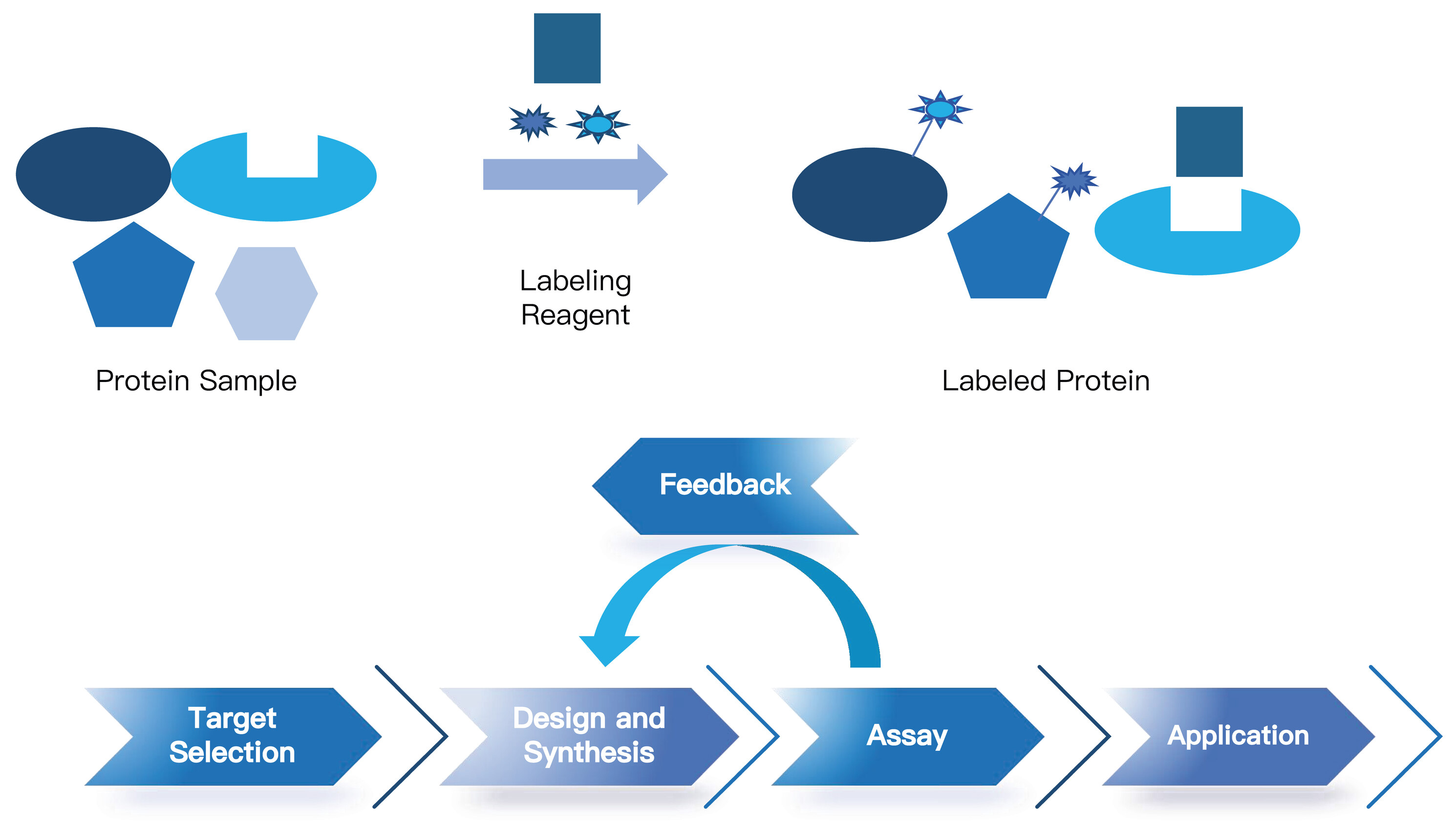
KMD Bioscience Protein Modification & Detection Services
KMD Bioscience has been focused on advanced research in Protein Modification and Detection for many years. With strong technical accumulation and rich practical experience, we have successfully established a comprehensive Protein Modification and Detection Platform. We provide efficient one-stop services from protein production to protein modification, detection, and labeling, and can tailor exclusive solutions according to clients' specific needs to ensure that each project is executed precisely and efficiently.
Learn More About Our Capabilities
Whether you require targeted troubleshooting, complex Custom Antibody Platform integration, or need to verify your final product via our protein de novo sequencing service, partner with a provider that views your yield challenges as solvable engineering equations.
Frequently Asked Questions (FAQ)
Why is my recombinant protein yield so low in E. coli?
The most common Causes of Low Protein Yield in E. coli are codon bias, formation of insoluble inclusion bodies due to rapid expression rates, and protein toxicity to the host cell. Troubleshooting requires optimizing your gene sequence or lowering induction temperatures.
Can changing the host strain improve protein expression?
Yes. In most professional situations, switching from a standard cloning strain to a dedicated expression strain (like BL21(DE3) for E. coli or switching entirely to CHO cells for mammalian expression) is the single most effective way to drastically improve functional protein yield.
Should I try to refold inclusion bodies or change my expression strategy?
We recommend changing your expression strategy first. Refolding inclusion bodies is a tedious, highly empirical process with low recovery rates. It is almost always more commercially viable to invest in optimizing culture conditions or outsourcing to a specialized protein expression platform.
Authoritative Industry References
For further reading on overcoming the biochemical barriers of recombinant protein production, we recommend the following authoritative sources:
National Center for Biotechnology Information (NCBI) - Peer-reviewed literature detailing the impact of codon optimization and host selection on recombinant yield.
Nature Scientific Reports - Advanced methodologies for preventing inclusion body formation and enhancing soluble protein expression.
Bitesize Bio - Practical laboratory troubleshooting guides for identifying and resolving rare codon bias and polymerase uncoupling in synthesis reactions.

- Protein Platform
- Protein Expression Services
- Protein Modification & Detection Services
- Protein Interaction Services
- Protein Purification Service
- Antibody Discovery Platform
- VHH Antibody Platform
- Phage Display Platform
- Antibody Humanization Platform
- Single B Cell Screening Platform
- Antibody Expression & Validation Platform
- Peptide Library Platform
- Custom Antibody Platform
- Innovative Drug Discovery Platform
- Product Center
- Proteins
- Antibodies
- Raw Materials Reagents
- Small Molecule Reagents
- Peptide Products
- Nanoparticle Products
- Contact Us
- Phone:400-621-6806
- Mobile:13110936064(WeC
- E-mail:[email protected]
- Address:Room 108, Building 10, No. 6 Hechang Road, Wuqing Development Zone, Tianjin City
-

WeChat
-

Service Account
-
 400-621-6806
-
 3599163699
-
 Monday to Friday 9:00-18:00
-

-
 0
-
