


6 Differences Between Bacterial and Mammalian Protein Expression
- 2026-08-26
- 111
In the biopharmaceutical and molecular biology industries, selecting the appropriate expression host is the single most critical decision you will make before launching a project. Make the right choice, and you streamline your path to market, drastically reducing your cost of goods sold. Make the wrong choice, and you will burn through hundreds of thousands of dollars in research and development funding only to end up with insoluble, biologically inactive aggregates that cannot be salvaged.
From our experience engineering and scaling recombinant molecules, the debate over the optimal host system is rarely a matter of personal preference; it is a strict biological and commercial calculation. When evaluating the Differences Between Bacterial and Mammalian Protein expression, you are essentially choosing between a high-speed, rudimentary manufacturing line and a slow, highly sophisticated biological foundry. Attempting to force a complex human glycoprotein out of an Escherichia coli (E. coli) culture is a classic amateur mistake that leads to severe project bottlenecks.
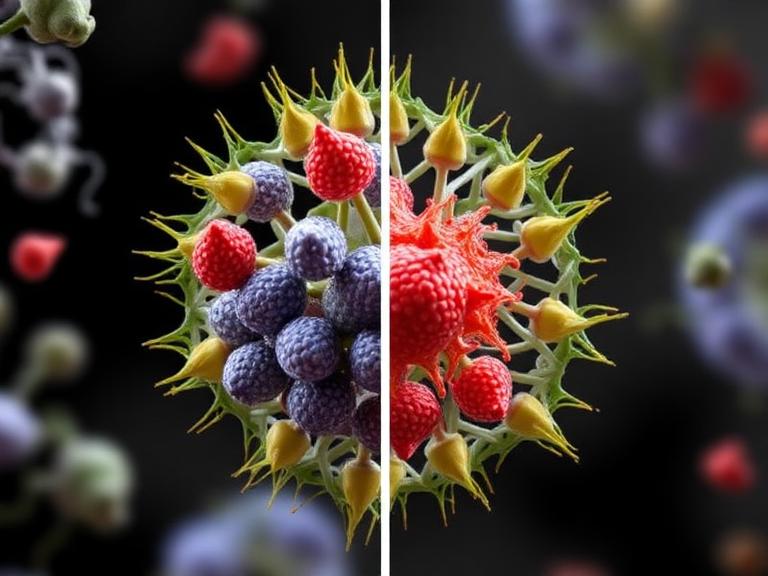
In this comprehensive, practitioner-level guide, we will break down the exact operational, structural, and financial realities of both systems. We will explain not only what these differences are, but WHETHER you actually need to upgrade to expensive mammalian cell lines, or if a highly optimized bacterial vector will suffice for your specific end-use application.
Quick Answer: Bacterial vs. Mammalian Expression
The primary Differences Between Bacterial and Mammalian Protein expression systems revolve around structural fidelity, speed, and cost. Bacterial systems (E. coli) are fast, highly scalable, and inexpensive, making them ideal for simple, non-glycosylated proteins and structural antigens. However, they lack the cellular machinery to perform complex folding and post-translational modifications. Mammalian systems (CHO, HEK293) are expensive and slow to culture, but they possess advanced endoplasmic reticulum and Golgi networks necessary to produce perfectly folded, glycosylated, and biologically active therapeutic molecules like humanized monoclonal antibodies.
Table of Contents
What It Is: Defining the Expression Hosts
Recombinant protein expression is the process of hijacking a host organism's cellular machinery to manufacture a protein of interest. To do this, scientists insert a specific DNA sequence into a vector (a delivery vehicle like a plasmid) and introduce it into the host cell.
Bacterial Expression: This predominantly utilizes Escherichia coli (E. coli). Bacteria are prokaryotes. They are single-celled organisms without a defined nucleus or complex intracellular organelles. They are engineered to be sheer production workhorses, prioritizing replication speed and massive protein yield over structural nuance.
Mammalian Expression: This relies on eukaryotic cells derived from mammals, most commonly Chinese Hamster Ovary (CHO) cells or Human Embryonic Kidney (HEK293) cells. These cells mirror human cellular architecture. They contain a nucleus, an endoplasmic reticulum (ER), and a Golgi apparatus, allowing them to process, fold, and decorate proteins exactly as the human body would.
How It Works: The Biological Factories
The mechanics of how these two systems translate genetic code into physical Proteins dictate their commercial viability.
In a bacterial system, transcription (reading the DNA) and translation (building the protein chain) occur simultaneously in the cytoplasm. Because there are no compartmentalized organelles, the protein is synthesized at breakneck speed. However, this speed is a double-edged sword. If the protein is large or complex, the rapid synthesis causes the amino acid chains to tangle, leading to improper folding.
In a mammalian system, the process is highly regimented. The mRNA is transported out of the nucleus to the rough endoplasmic reticulum. As the protein is synthesized, specialized molecular chaperones guide its three-dimensional folding. It is then transported to the Golgi apparatus, where specific sugar molecules are attached (glycosylation). This extensive quality control ensures the protein is biologically active, but it drastically reduces the overall speed of production.
The 6 Core Differences Between Bacterial and Mammalian Protein Expression
To make an informed procurement or R&D decision, you must intimately understand these six operational disparities. When we analyze the Differences Between Bacterial and Mammalian Protein expression, these are the factors that directly impact your budget and timeline.
1. Post-Translational Modifications (PTMs)
This is the most critical biological differentiator. In most professional situations involving human therapeutics, the protein sequence alone is not enough; it requires chemical modifications after it is built. Glycosylation (the attachment of glycans or sugar chains) governs a protein's half-life in the bloodstream, its stability, and its receptor binding affinity.
Mammalian cells excel at authentic human-like PTMs. Bacteria possess absolutely no machinery for N-linked or O-linked glycosylation. If you attempt to produce a complex glycoprotein in E. coli, you will yield a naked, unglycosylated peptide chain that will likely be cleared by the human immune system immediately or fail to bind to its target.
2. Protein Folding, Solubility, and Inclusion Bodies
Because bacteria synthesize proteins so rapidly, they lack the sophisticated chaperone networks found in the mammalian ER. When large, complex eukaryotic proteins are forced into E. coli, their hydrophobic regions are improperly exposed. These regions clump together, forming dense, insoluble masses known as inclusion bodies.
To recover active protein from inclusion bodies, engineers must harvest them, subject them to harsh denaturants (like urea or guanidine hydrochloride), and then attempt to refold them in vitro. In our testing, in vitro refolding is a highly inefficient, low-yield nightmare that significantly inflates downstream processing costs. Mammalian cells, conversely, naturally secrete perfectly folded, soluble proteins directly into the culture media.
3. Production Speed and Timeline
If speed to market for a simple diagnostic antigen is your priority, bacteria are unmatched. E. coli divides roughly every 20 to 30 minutes. You can transform a bacterial culture, induce expression, and harvest grams of protein within 48 to 72 hours.
Mammalian expression is an exercise in patience. Transient mammalian expression (temporary production) takes weeks. Developing a stable, high-yield clonal mammalian cell line (required for commercial manufacturing of Antibodies) can take 3 to 6 months of rigorous selection, screening, and optimization.
4. Cost of Production and Capital Expenditure
The economic Differences Between Bacterial and Mammalian Protein systems are staggering. Bacterial cultures thrive in cheap, simple media like Luria-Bertani (LB) broth, and they can be grown in basic, highly agitated stainless-steel fermenters.
Mammalian cells are notoriously fragile. They lack a protective cell wall, making them susceptible to shear stress from bioreactor impellers. They require highly expensive, chemically defined serum-free media, stringent pH buffering, and precise CO2 monitoring. The capital expenditure (CapEx) to set up and maintain a mammalian GMP facility is exponentially higher than a bacterial facility.
5. Contamination Risks and Clearance Profiles
The safety profiles of the final products differ vastly based on the host. E. coli naturally produces lipopolysaccharides (LPS), commonly known as endotoxins, in its outer membrane. Endotoxins are pyrogenic (fever-inducing) and highly toxic to humans. When utilizing bacterial systems, downstream purification must include rigorous, expensive endotoxin removal steps before the product can be used in cell-based assays or animal models.
Mammalian systems do not produce endotoxins, but they carry a severe risk of viral and mycoplasma contamination. A single viral intrusion can wipe out a 2000L bioreactor run, meaning mammalian facilities must employ strict viral clearance and filtration steps to meet FDA safety standards.
6. End-Use Application and Regulatory Viability
Your end goal dictates your starting point. If you are producing basic Raw Materials Reagents, simple enzymes for industrial biocatalysis, or non-glycosylated cytokines for research, E. coli is the undisputed commercial champion.
However, if your goal is human therapeutic deployment, mammalian systems are the industry standard. Complex biologics, particularly those developed through a Phage Display Platform or demanding advanced formatting via an Antibody Humanization Platform, strictly require the biochemical fidelity that only a mammalian host can provide to ensure safety, efficacy, and regulatory approval.
Benefits and Limitations
For commercial users, understanding the hard limits of your chosen system prevents catastrophic budget overruns. The benefit of E. coli is brute-force yield; we have routinely seen optimized bacterial strains push out several grams of protein per liter of culture. The limitation is that high yield means nothing if the protein is biologically inactive due to misfolding.
The benefit of mammalian systems like CHO cells is absolute biochemical perfection, resulting in molecules that the human body recognizes as native. The limitation is the astronomical cost of media and the protracted development timelines, which pose massive hurdles for underfunded biotech startups.
| Expression System | Pros (Advantages) | Cons (Disadvantages) |
|---|---|---|
| Bacterial (E. coli) |
|
|
| Mammalian (CHO/HEK293) |
|
|
Who Should Use Which System
For beginners and academic researchers: If you are looking to generate large quantities of simple structural proteins, unglycosylated Peptide Products, or antigens for basic ELISA assays, you should unequivocally use E. coli. It is robust, forgiving, and fits within tight academic grants.
For commercial users and therapeutic developers: If you are working through a Single B Cell Screening Platform to isolate a novel monoclonal antibody intended for clinical trials, you must utilize mammalian expression. There is no shortcut here. Regulatory bodies will not approve a biologic that lacks proper human glycosylation profiles due to the severe risk of immunogenic shock.
| Application / Requirement | Recommended System | Why This is the Best Choice |
|---|---|---|
| Industrial Enzymes / Reagents | Bacterial | Requires massive scale at the lowest possible cost; folding is generally simple. |
| Therapeutic Monoclonal Antibodies | Mammalian | Requires exact glycosylation for Fc-receptor binding and serum half-life. |
| Small Antigens for Diagnostics | Bacterial | High yield needed; PTMs are often unnecessary for simple epitope recognition. |
| Complex Viral Glycoproteins | Mammalian (or Insect) | Correct 3D conformation and dense sugar shields are required to mimic the native virus. |
Common Mistakes in Expression System Selection
The most pervasive mistake we encounter in the industry is a lack of codon optimization. The genetic code is degenerate, meaning multiple codons can code for the same amino acid. However, humans and bacteria prefer different codons. If you drop a raw human gene sequence directly into E. coli, the bacteria will rapidly deplete its pool of rare tRNAs, causing translation to stall, resulting in truncated, useless protein fragments. You must digitally optimize the gene sequence for the specific host organism before synthesis.
Another fatal error is underestimating downstream purification costs. Many project managers select bacterial expression simply because the upstream fermentation is cheap, completely ignoring the fact that rescuing protein from inclusion bodies requires massive volumes of expensive chaotropic agents, specialized refolding buffers, and extended dialysis timelines, ultimately making the bacterial route more expensive than if they had just used a transient mammalian system from day one.
Buying Considerations for B2B Clients
When outsourcing your protein expression to a Contract Research Organization (CRO), you must apply strict commercial judgment. Do not just accept a quote for "protein production." You must ask pointed questions:
What is your guaranteed endotoxin limit for bacterial expression? (It should be < 0.1 EU/ug for cell-based assays).
Do you offer transient HEK293 expression for rapid mammalian prototyping before committing to stable CHO cell line generation?
Can you provide a comprehensive COA Download detailing SEC-HPLC purity, mass spectrometry, and binding affinity data?
Expert Recommendation: Sourcing with Confidence
In most professional situations, bridging the gap between a digital sequence and a purified, GMP-ready biologic requires an infrastructure that few independent labs possess. Rather than investing millions in internal bioreactors and purification chromatography skids, we recommend partnering with a proven industry leader capable of handling both extremes of the expression spectrum.
Over years of development, KMD Bioscience has established a complete system for Recombinant Protein Expression and Purification, Protein Fermentation, and Process Technical Support for both Small-scale and Pilot-scale Protein Production.
Our scientists all come from biopharmaceutical enterprises and have 5–8 years of experience in the development of therapeutic proteins. They have in-depth knowledge of the development process for recombinant protein products under GMP regulations, QC quality control systems, documentation traceability, as well as ICH and GMP guidelines.
KMD is committed to providing users with high-purity and low-cost recombinant protein reagents, such as proteins, cytokines, various receptors, biological toxicity genes, viral antigens, transcription factors, hormones, etc., to meet the different needs of midstream and downstream research experiments. The proteins delivered by KMD can be used in drug research, antibody preparation, animal experiments, ELISA, crystal structure research, in vitro enzyme activity assays, cell experiments, etc.
Furthermore, we understand the nuances required for alternative hosts. We have been dedicated to the research of Recombinant Protein Expression and Production for many years. Our scientists have extensive experience in Yeast Recombinant Protein Expression, Fermentation, and Purification, and are able to quickly customize yeast protein expression strategies for different clients. At the same time, we can provide multiple specifications of yeast fermentation scales, such as 500L fermenters. Combined with our Protein Purification Platform, we are able to obtain high-quality recombinant protein products within a relatively short cycle. Explore our comprehensive KMD Bioscience Protein Expression Services to accelerate your pipeline today.
Frequently Asked Questions (FAQ)
Can I use bacterial expression for monoclonal antibodies?
In most professional situations, no. Monoclonal antibodies require complex folding, disulfide bond formation, and critical post-translational modifications (like glycosylation) to function correctly in the human immune system. Bacteria like E. coli cannot perform these modifications, making mammalian systems like CHO cells the industry standard. Minor antibody fragments like scFvs or those developed in a VHH Antibody Platform can sometimes be expressed in bacteria, but full-length IgGs cannot.
Why do proteins form inclusion bodies in E. coli?
When human or complex mammalian proteins are expressed rapidly and at high levels in E. coli, the bacterial chaperones cannot keep up with the folding demand. The hydrophobic regions of the unfolded proteins aggregate together to form dense, insoluble masses known as inclusion bodies, which require harsh denaturing and complex in vitro refolding processes to rescue.
Is yeast a better alternative to both bacterial and mammalian systems?
Yeast (such as Pichia pastoris) serves as an excellent middle ground. It offers the rapid growth and low cost of bacterial systems while providing basic eukaryotic post-translational modifications. However, yeast glycosylation patterns differ from human patterns (often hypermannosylation), meaning it is excellent for industrial enzymes, certain Nanoparticle Products, or certain antigens, but still insufficient for complex human therapeutics where immunogenicity is a concern.
Authoritative Industry References
To ensure your expression strategies align with global regulatory and scientific standards, we recommend reviewing the following authoritative sources:
U.S. Food and Drug Administration (FDA) - Guidelines on the development, characterization, and approval process for biological products and recombinant therapeutics.
International Council for Harmonisation (ICH) - Q5-series guidelines detailing the viral safety, characterization, and quality requirements for biotechnological products expressed in various host cells.
National Center for Biotechnology Information (NCBI) - Peer-reviewed literature providing advanced overviews of recombinant protein expression technologies, host cell selection, and inclusion body refolding techniques.
- Differences Between Bacterial and Mammalian Protein

- Protein Platform
- Protein Expression Services
- Protein Modification & Detection Services
- Protein Interaction Services
- Protein Purification Service
- Antibody Discovery Platform
- VHH Antibody Platform
- Phage Display Platform
- Antibody Humanization Platform
- Single B Cell Screening Platform
- Antibody Expression & Validation Platform
- Peptide Library Platform
- Custom Antibody Platform
- Innovative Drug Discovery Platform
- Product Center
- Proteins
- Antibodies
- Raw Materials Reagents
- Small Molecule Reagents
- Peptide Products
- Nanoparticle Products
- Contact Us
- Phone:400-621-6806
- Mobile:13110936064(WeC
- E-mail:[email protected]
- Address:Room 108, Building 10, No. 6 Hechang Road, Wuqing Development Zone, Tianjin City
-

WeChat
-

Service Account
-
 400-621-6806
-
 3599163699
-
 Monday to Friday 9:00-18:00
-

-
 0
-
