


10 Factors to Consider When Choosing a Protein Expression System
- 2026-08-25
- 112
In the biopharmaceutical and life sciences industries, the selection of an expression host is the definitive decision that dictates the success or failure of a recombinant protein project. Far too often, we see research laboratories and emerging biotech firms default to Escherichia coli (E. coli) simply because it is familiar and cheap. This lack of strategic foresight routinely results in months of wasted capital attempting to refold insoluble inclusion bodies or dealing with immunogenic endotoxin contamination downstream.
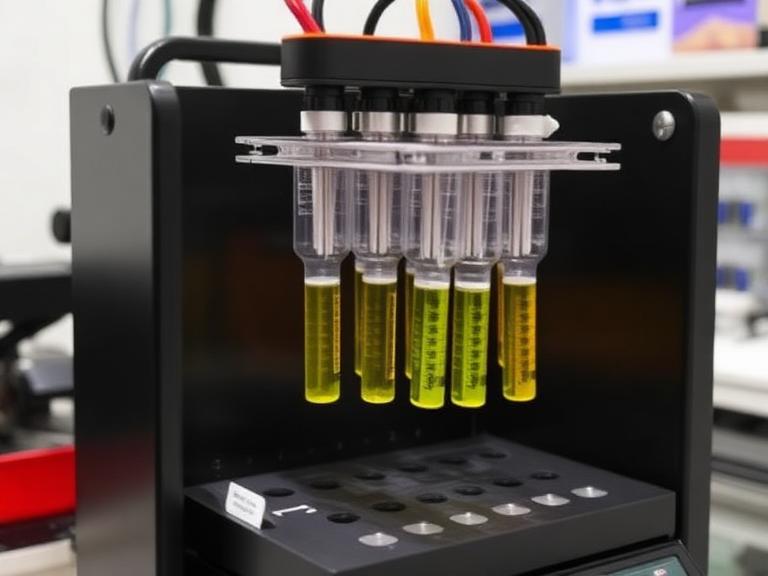
From our experience engineering therapeutic proteins, there is no universal "best" host. The right choice is a strict biological and commercial calculation. You must align the structural complexity of your target molecule with the metabolic capabilities of the host cell, while simultaneously balancing budget, timeline, and regulatory compliance. If you are developing a monoclonal antibody for human trials, your criteria will be vastly different than if you are producing an enzyme for an in vitro diagnostic kit. In this comprehensive guide, we will break down the exact commercial and practical Factors to Consider When Choosing a Protein expression system, helping you avoid costly manufacturing bottlenecks and ensuring your recombinant proteins meet rigorous quality control standards.
Quick Answer: The Bottom Line on Expression Systems
Before committing to a host cell line, you must evaluate the essential Factors to Consider When Choosing a Protein expression system. In most professional situations, the decision matrix is as follows:
Bacterial (E. coli): Best for simple, non-glycosylated proteins requiring rapid, high-yield, low-cost production. Fails with complex folding.
Yeast (P. pastoris): The ideal middle ground. Offers basic eukaryotic processing, massive scalability (high-density fermentation), and excellent secretion, but produces hyper-mannosylated glycans.
Insect (Baculovirus/Sf9): Excellent for complex intracellular proteins and multi-protein complexes. More expensive but provides superior folding over bacteria.
Mammalian (CHO/HEK293): Mandatory for therapeutic human antibodies and complex glycoproteins. Highest cost and longest timeline, but produces authentic human-like post-translational modifications.
Table of Contents
What It Is: Recombinant Protein Expression
Recombinant protein expression is the foundational technology of modern biotechnology. It involves taking a gene of interest, inserting it into a highly optimized expression vector (a plasmid), and introducing that vector into a living host cell. The host cell acts as a microscopic factory, utilizing its own cellular machinery to transcribe and translate the foreign genetic code into functional protein.
By leveraging an advanced Protein Expression Platform, scientists can mass-produce everything from industrial enzymes and viral antigens to life-saving monoclonal antibodies. However, because different organisms have evolved vastly different cellular architectures, the factory you choose dictates the final shape, function, and purity of your product.
How the Technology Works
The operational mechanics depend entirely on the host. Bacterial systems utilize simple transformation techniques, growing rapidly in inexpensive Luria-Broth (LB) media. Conversely, mammalian systems require complex transfection reagents or viral transduction and must be cultivated in strictly controlled, serum-free, chemically defined media inside highly monitored bioreactors. Once the cells reach optimal density, expression is induced (often chemically, such as with IPTG in E. coli or methanol in yeast), and the cells are harvested for downstream purification.
10 Factors to Consider When Choosing a Protein Expression System
When embarking on a new production campaign, the Factors to Consider When Choosing a Protein host are both biological and logistical. We recommend evaluating your project against these ten non-negotiable criteria.
1. Post-Translational Modifications (PTMs)
This is arguably the most critical biological factor. If your target protein requires glycosylation, phosphorylation, or complex disulfide bond formation to be biologically active, you cannot use E. coli. Bacteria lack the endoplasmic reticulum and Golgi apparatus necessary for these modifications. For true human-like glycosylation, mammalian cells are mandatory. If simple modifications are sufficient, yeast or insect cells offer a cost-effective alternative.
2. Protein Folding and Solubility
In our testing, forcing E. coli to express large, complex human proteins almost always results in the formation of inclusion bodies—dense, insoluble aggregates of misfolded protein. While you can sometimes denature and refold these proteins in vitro, the yield loss is catastrophic. If your protein is prone to misfolding, utilizing a eukaryotic system (yeast, insect, or mammalian) provides the necessary chaperone proteins to ensure correct native folding.
3. Required Yield and Scalability
Are you producing milligrams for a basic western blot, or kilograms for a Phase I clinical trial? If sheer volume is your primary goal, bacterial and yeast systems dominate. Yeast fermentation, in particular, can achieve astonishing cell densities. Industrial setups easily utilize 500L fermenters to generate massive yields at a fraction of the cost of mammalian bioreactors.
4. End-Use Application (Therapeutic vs. Research)
The intended application overrides all other Factors to Consider When Choosing a Protein system. If the protein is intended for human therapeutic use (e.g., a therapeutic antibody), regulatory bodies mandate mammalian systems to prevent immunogenic reactions from non-human glycosylation patterns. If the protein is strictly an antigen for an in vitro Detection Platform, E. coli or yeast are perfectly acceptable and highly economical.
5. Endotoxin Tolerance and Clearance
Gram-negative bacteria like E. coli naturally produce lipopolysaccharides (endotoxins) in their cell walls. Endotoxins are highly toxic to human and mammalian cell cultures. If your downstream application involves in vivo animal models or cell-based assays, removing endotoxins from an E. coli preparation adds significant time and cost to the purification phase. Mammalian and yeast systems are inherently endotoxin-free.
6. Speed and Turnaround Time
In commercial drug discovery, time is capital. Bacterial expression is incredibly fast; you can clone a gene and have purified protein in under two weeks. Transient mammalian expression has improved drastically but still requires a longer lead time. Stable mammalian cell line generation—required for commercial manufacturing—can take upwards of six months.
7. Budget and Cost-Benefit Analysis
You must practice strict commercial judgment. Mammalian cell culture media is profoundly expensive, and the bioreactors require intensive monitoring. If you are a startup operating on tight seed funding, you must determine if the biological fidelity of a mammalian system is actually worth the cost. Often, a well-optimized yeast system provides the best cost-to-benefit ratio for heavily funded research.
8. Secretion vs. Intracellular Expression
How the protein is recovered dictates downstream processing costs. E. coli typically accumulates protein intracellularly, requiring harsh mechanical or chemical lysis to crack the cells open, which releases immense amounts of host cell proteins and DNA that must be purified away. Yeast and mammalian systems can be engineered with signal peptides to secrete your target protein directly into the culture media, allowing for immediate, streamlined affinity purification.
9. Tag Compatibility and Cleavage
Adding a polyhistidine (His-tag) or Glutathione S-transferase (GST) tag simplifies purification, but you must consider if the tag will interfere with the protein's native structure or active site. If the tag must be removed, your expression strategy must include highly specific protease cleavage sites (e.g., TEV or Thrombin). Proper planning here is essential when utilizing Protein Modification & Detection Services.
10. Regulatory Compliance and Documentation
If there is any potential for commercialization, the cell line's history must be traceable. Utilizing unverified or academically licensed cell lines can result in massive intellectual property (IP) lawsuits. Commercial users must ensure their production partner adheres to GMP regulations, ICH guidelines, and maintains rigid documentation traceability from the master cell bank to the final vial.
| Expression System | Speed to Protein | Relative Cost | Protein Folding | Post-Translational Modifications | Typical Yield |
|---|---|---|---|---|---|
| Bacterial (E. coli) | Very Fast (1-2 weeks) | Low | Poor for complex proteins | None | High (if soluble) |
| Yeast (P. pastoris) | Fast (3-4 weeks) | Low to Medium | Good | Basic (High-Mannose type) | Very High (High-density fermentation) |
| Insect (Baculovirus) | Moderate (4-6 weeks) | Medium to High | Very Good | Complex (but non-human) | Moderate to High |
| Mammalian (CHO/HEK) | Slow (Transient: 4 wks, Stable: months) | Very High | Excellent | Comprehensive (Authentic Human) | Moderate (High for optimized clones) |
Benefits & Limitations of Expression Strategies
In most professional situations, balancing the benefits and limitations of your chosen system determines your workflow efficiency.
| System Category | Decisive Pros | Significant Cons |
|---|---|---|
| Microbial (Bacteria/Yeast) | Extremely rapid growth kinetics; low-cost media; massively scalable in standard fermenters; excellent for simple antigens. | High risk of inclusion bodies in E. coli; endotoxin removal required; inappropriate glycosylation for human therapeutics. |
| Mammalian Cell Culture | Produces native, biologically active human proteins; proper folding and complete PTMs; essential for Custom Antibody Platform projects. | Highly susceptible to viral/mycoplasma contamination; slow generation times; astronomical media and infrastructure costs. |
Who Should Use It & Who Does Not Need It
For commercial users and therapeutic developers: If you are manufacturing monoclonal antibodies or complex glycoproteins for human administration, you must use mammalian systems (CHO cells). There is no substitute. The immunogenic risks associated with improper glycosylation are too severe to compromise.
For beginners and diagnostic manufacturers: If you are generating proteins for ELISA kits, structural crystallography, or basic academic research, you do not need the expense of mammalian cells. We recommend starting with E. coli for simple proteins. If solubility becomes an issue, immediately pivot to yeast fermentation to leverage eukaryotic folding chaperones without breaking your budget.
Common Mistakes in Protein Expression
The most pervasive mistake we witness is ignoring codon optimization. A human gene dropped directly into E. coli will often stall during translation because the bacteria utilize different tRNA frequencies. You must digitally optimize the genetic sequence for your specific host before synthesis.
Another critical error is failing to anticipate purification bottlenecks. Researchers often design beautiful expression vectors but fail to include an easily accessible secretion signal or affinity tag, resulting in a protein that expresses perfectly but is impossible to purify without destroying its biological activity.
Buying Considerations for Outsourcing
When selecting a Contract Research Organization (CRO) to handle your Protein Expression Services, you must evaluate their infrastructure. Do they offer seamless scalability from 1L flasks to pilot-scale bioreactors? Do they possess deep expertise in downstream QC quality control systems? A reliable partner must provide transparent documentation traceability and a willingness to pivot strategies if the initial expression host fails to deliver soluble protein.
Expert Recommendation from KMD Bioscience
In most professional situations, relying on trial-and-error to determine the correct expression host burns critical runway. You need a partner with the commercial and practical judgment to execute customized expression strategies immediately.
Over years of development, KMD Bioscience has established a complete system for Recombinant Protein Expression and Purification, Protein Fermentation, and Process Technical Support for both Small-scale and Pilot-scale Protein Production. Our scientists all come from biopharmaceutical enterprises and have 5–8 years of experience in the development of therapeutic proteins. They have in-depth knowledge of the development process for recombinant protein products under GMP regulations, QC quality control systems, documentation traceability, as well as ICH and GMP guidelines.
KMD is committed to providing users with high-purity and low-cost recombinant protein reagents to meet the diverse needs of midstream and downstream research. Whether you require proteins for drug research, in vitro enzyme activity assays, or integration with our Phage Display Platform, we have you covered. Our scientists have extensive experience in Yeast Recombinant Protein Expression, and we provide multiple specifications of yeast fermentation scales, including 500L fermenters. Combined with our advanced purification infrastructure, we guarantee high-quality recombinant protein products within a remarkably short cycle.
Frequently Asked Questions (FAQ)
Why is Escherichia coli (E. coli) not always the best choice for protein expression?
While E. coli is inexpensive and scales rapidly, it lacks the complex intracellular machinery required for post-translational modifications (PTMs) such as glycosylation. Furthermore, complex mammalian proteins expressed in E. coli frequently misfold and aggregate into insoluble inclusion bodies, requiring costly and time-consuming in vitro refolding processes.
What are the most critical Factors to Consider When Choosing a Protein expression system for therapeutic antibodies?
For therapeutic antibodies, mammalian systems (like CHO or HEK293 cells) are mandatory. The critical factors include proper glycosylation profiling, endotoxin clearance, and adherence to GMP and ICH guidelines to ensure the final product is safe, non-immunogenic, and biologically active in humans.
How does yeast fermentation bridge the gap between bacterial and mammalian systems?
Yeast systems, such as Pichia pastoris, offer the rapid growth kinetics and low media costs of bacteria while providing basic eukaryotic post-translational modifications. They are highly scalable (e.g., up to 500L fermenters) and naturally secrete proteins into the culture media, drastically simplifying downstream purification.
Authoritative Industry References
To ensure your protein expression workflows meet global biopharmaceutical standards, we recommend consulting the following regulatory and scientific resources:
U.S. Food and Drug Administration (FDA) - Guidelines on the development and approval process for biological products and recombinant therapeutics.
International Council for Harmonisation of Technical Requirements for Pharmaceuticals for Human Use (ICH) - Global quality and manufacturing guidelines (Q-series) for biotechnology products.
National Center for Biotechnology Information (NCBI) - Peer-reviewed literature detailing advanced host cell engineering and downstream protein purification methodologies.
- Consider When Choosing a Protein

- Protein Platform
- Protein Expression Services
- Protein Modification & Detection Services
- Protein Interaction Services
- Protein Purification Service
- Antibody Discovery Platform
- VHH Antibody Platform
- Phage Display Platform
- Antibody Humanization Platform
- Single B Cell Screening Platform
- Antibody Expression & Validation Platform
- Peptide Library Platform
- Custom Antibody Platform
- Innovative Drug Discovery Platform
- Product Center
- Proteins
- Antibodies
- Raw Materials Reagents
- Small Molecule Reagents
- Peptide Products
- Nanoparticle Products
- Contact Us
- Phone:400-621-6806
- Mobile:13110936064(WeC
- E-mail:[email protected]
- Address:Room 108, Building 10, No. 6 Hechang Road, Wuqing Development Zone, Tianjin City
-

WeChat
-

Service Account
-
 400-621-6806
-
 3599163699
-
 Monday to Friday 9:00-18:00
-

-
 0
-
