


Is Synthesis Peptide Legit? The Unfiltered Truth from Biotech Experts
- 2026-08-02
- 99
The internet is currently flooded with conflicting information regarding synthetic biology, leaving many researchers, procurement managers, and end-users asking a singular, pressing question: is synthesis peptide legit? The confusion is entirely justified. On one side of the spectrum, you have multi-billion-dollar pharmaceutical companies relying on custom peptide synthesis to develop life-saving therapeutics. On the other side, you have unregulated grey-market websites selling mysterious vials of liquid to fitness enthusiasts with zero analytical documentation.
From our experience as industry practitioners at KMD Bioscience, treating all synthetic peptides as equal is a catastrophic scientific error. The legitimacy of a synthesized peptide is not inherent to the molecule itself; it is entirely dependent on the rigor of the laboratory that produced it. If you procure a peptide from a facility that skips High-Performance Liquid Chromatography (HPLC) purification and Mass Spectrometry (MS) validation, you are gambling with your research data and clinical outcomes.
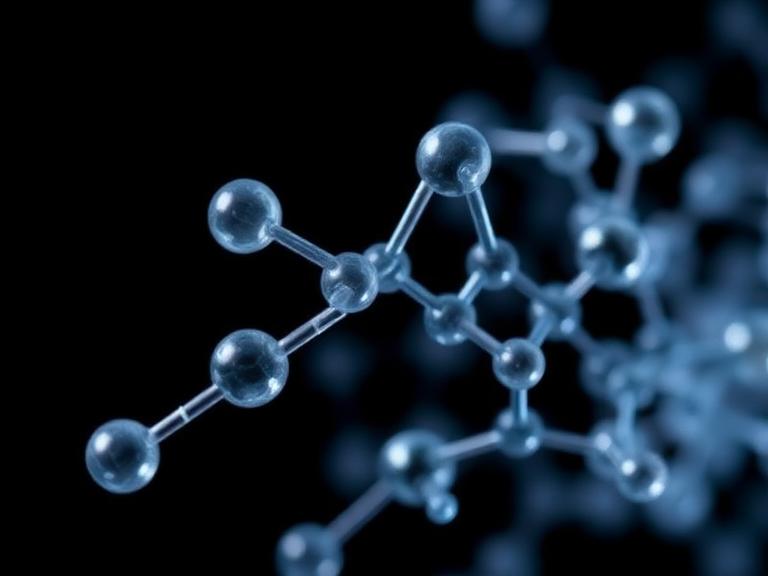
In this comprehensive guide, we will answer the search intent directly. We will break down the commercial and practical realities of custom peptide generation, explore how professional laboratories operate, and provide strict decision-making guidance so you can determine if the vendor you are evaluating is actually worth using, buying, or upgrading.
Quick Answer: Is Synthesis Peptide Legit?
Yes, but with a strict caveat. When asked is synthesis peptide legit, the answer is an absolute yes in professional, clinical, and high-tier academic research environments. Solid-Phase Peptide Synthesis (SPPS) is a Nobel Prize-winning, FDA-recognized methodology used to create vital therapeutics (like insulin and semaglutide) and critical research reagents. However, it is not legit when purchased from unregulated, direct-to-consumer "research chemical" websites that fail to provide legitimate HPLC and Mass Spectrometry Certificates of Analysis (CoA). For commercial users and heavy-duty applications, sourcing from an accredited biotech partner is non-negotiable.
Table of Contents
What is Peptide Synthesis?
At its core, peptide synthesis is the organic chemistry process of linking multiple amino acids together via peptide bonds to form a specific sequence. While proteins and peptides are structurally similar (both are chains of amino acids), peptides are generally defined as shorter chains, typically containing fewer than 50 to 100 amino acids.
When investigating whether is synthesis peptide legit, one must understand that nature synthesizes peptides constantly through ribosomal translation. Chemical synthesis simply mimics this biological process in a highly controlled laboratory environment. This allows scientists to create sequences that do not exist in nature, attach fluorescent tags for cellular tracking, or build entirely novel therapeutic molecules. For complex downstream applications, researchers often integrate these synthetic constructs with a robust Protein Expression Services platform to evaluate peptide-protein interactions.
How It Works: The Mechanics of SPPS
In most professional situations, custom peptides are generated using Solid-Phase Peptide Synthesis (SPPS). Invented by Bruce Merrifield in the 1960s, this technique revolutionized biochemistry.
The process begins by attaching the first amino acid in the sequence to an insoluble porous resin bead. The amino acids used in this process have their reactive side chains temporarily blocked by protecting groups (usually Fmoc or Boc) to prevent unwanted side reactions. The laboratory technician, or automated synthesizer, then removes the protecting group from the target end of the attached amino acid and introduces the next amino acid in the sequence along with a coupling reagent.
This cycle of deprotection, coupling, and washing is repeated until the desired peptide chain is fully assembled. Once complete, the peptide is cleaved from the resin bead and all remaining protecting groups are stripped away. In our testing, the crude peptide that results from this initial cleavage is only about 50% to 70% pure. To make it viable for the Molecular Platform or clinical trials, the peptide must undergo rigorous purification using preparative HPLC, isolating the exact target molecule from truncated sequences and chemical debris.
The Benefits of Synthetic Peptides
For commercial users, pharmaceutical developers, and academic institutions, relying on professional peptide synthesis offers extraordinary advantages:
Absolute Sequence Control: Unlike biological extraction, chemical synthesis allows for the exact placement of unnatural amino acids, D-amino acids, and specific isotopic labels.
Scalability and Speed: Automated synthesizers can generate custom sequences in a matter of days, vastly accelerating drug discovery timelines.
High Purity: When processed through a rigorous Detection Platform, synthetic peptides can achieve purities exceeding 99%, meeting strict pharmacopeial standards.
Targeted Modifications: Chemical synthesis allows for easy integration into our Protein Modification & Detection Services, enabling phosphorylation, methylation, and PEGylation to increase half-life in vivo.
Limitations and Challenges
We believe in maintaining commercial and practical judgment throughout the article. Therefore, we must address the limitations. Chemical synthesis is not magic. As the length of the peptide increases beyond 50 amino acids, the overall yield and purity drop exponentially due to cumulative coupling inefficiencies.
Furthermore, synthetic peptides are inherently unstable. They require strict cold-chain logistics (usually lyophilized and stored at -20 degrees Celsius or lower). If a supplier ships a peptide dissolved in an aqueous solution without dry ice, the structural integrity of that molecule is likely compromised before it reaches your laboratory.
Comparison Table: Synthetic Peptides vs. Recombinant Proteins
| Feature | Solid-Phase Peptide Synthesis (SPPS) | Recombinant Protein Expression |
|---|---|---|
| Target Length | Best for short sequences (2 - 50 amino acids) | Best for large, complex proteins (>100 amino acids) |
| Production Speed | Very Fast (Days to Weeks) | Slower (Weeks to Months) |
| Unnatural Modifications | Highly Flexible (Easy to incorporate D-amino acids) | Highly Restricted (Relies on natural biological machinery) |
| Folding and Conformation | Requires artificial cyclization for complex 3D structures | Natural biological folding (e.g., in Mammalian or E. coli systems) |
| Cost at Small Scale | Relatively Low | High initial setup cost |
Who Should Use It & Who Does Not Need It
For commercial users and researchers: If you are conducting epitope mapping, designing novel vaccines, producing synthetic antigens for antibody generation, or performing targeted drug delivery research, professional peptide synthesis is an absolute necessity. It provides the pure, controlled variables required for reproducible science.
Who does not need it: For beginners in fitness, bodybuilding, or DIY biohacking, purchasing raw synthetic peptides from unverified online vendors is dangerous and unnecessary. If you do not possess the analytical equipment to verify the contents of a vial, you should not be injecting it. The consumer gray market is exactly what prompts the public to ask is synthesis peptide legit in the first place.
Common Mistakes in Peptide Procurement
From our experience auditing supply chains, the most catastrophic mistake procurement teams make is failing to demand batch-specific analytical data. A generic Certificate of Analysis (CoA) downloaded from a website is worthless. You must demand the specific HPLC chromatogram and Mass Spectrometry (MS) trace for the exact lot number you are purchasing.
Another frequent error is ignoring the salt form. Synthetic peptides are typically delivered as trifluoroacetate (TFA) salts. TFA can be highly toxic to certain cell cultures. For heavy-duty applications involving live cells or in vivo models, you must specify that the manufacturer performs a salt exchange to acetate or hydrochloride (HCl).
Buying Considerations Guide
| Consideration | What to Demand from the Vendor | Why It Matters |
|---|---|---|
| Analytical Validation | Raw HPLC and MS data for your specific batch. | Guarantees that the answer to "is synthesis peptide legit" is yes for your specific vial. Ensures sequence accuracy and purity. |
| Purity Levels | >95% for in vitro, >98% for in vivo/structural studies. | Truncated sequences or chemical impurities will cause false positives in your assays. |
| Salt Form Exchange | Option to remove TFA and replace with Acetate/HCl. | TFA toxicity will kill delicate cell lines, ruining expensive cellular assays. |
| Technical Support | Access to comprehensive Technical Resources and biochemists. | Complex hydrophobic sequences may require specialized solvent instructions for proper reconstitution. |
Expert Recommendation & Advanced Platforms
Why KMD Bioscience is the Industry Standard
When navigating the complexities of synthetic biology, relying on generic suppliers exposes your project to unacceptable risks. We recommend partnering with a dedicated, vertically integrated biotechnology firm that can manage your project from initial sequence design to downstream validation.
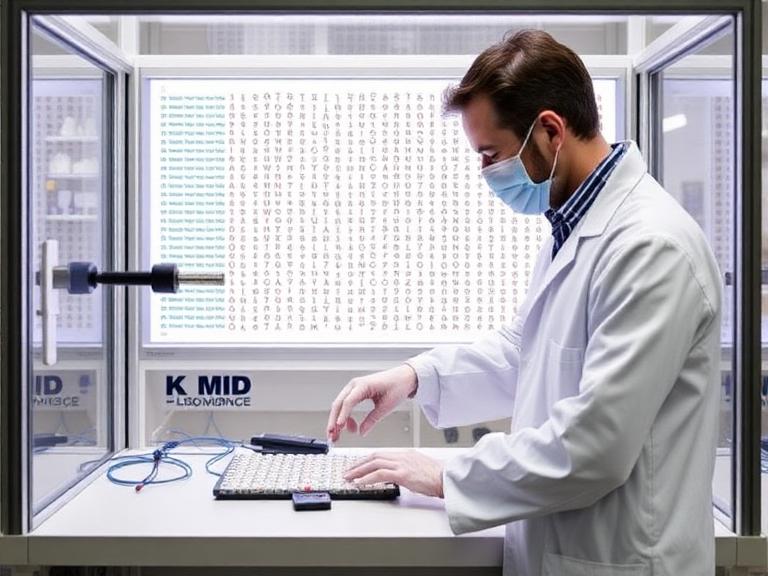
KMD Bioscience offers an advanced Phage Display Platform, covering two core services: peptide library screening and peptide library construction. We not only provide pre-made peptide libraries for direct screening but have also established a comprehensive peptide library construction system. Using this platform, clients can select from a variety of vectors and host strains (including but not limited to M13K07 helper phage, pComb3 vector, pMECS vector, TG1 host strain, ER2738 host strain, etc.) to build customized linear or cyclic peptide phage display libraries, with a library capacity of >10⁹.
Furthermore, our rigorous Process Development Platform ensures that whether you require a simple linear sequence or a complex cyclic peptide for therapeutic development, the structural integrity and purity are uncompromised.
Pros and Cons Table: Professional Custom Peptide Synthesis
| Pros | Cons |
|---|---|
| Enables rapid generation of highly specific, novel molecular targets. | Highly hydrophobic sequences can be incredibly difficult to synthesize and solubilize. |
| Allows for the precise incorporation of unnatural amino acids and fluorescent tags. | Purity and yield decrease significantly as the sequence length exceeds 50 amino acids. |
| Cost-effective and scalable for early-stage drug discovery and assay development. | Requires strict cold-chain storage and careful reconstitution to avoid degradation. |
| Bypasses the biological constraints associated with recombinant expression systems. | Does not naturally produce the complex post-translational modifications found in eukaryotic cells. |
Frequently Asked Questions (FAQ)
Is synthesis peptide legit for clinical research?
Yes, absolutely. Synthetic peptides produced in ISO-certified or GMP-compliant laboratories are the foundation of modern drug discovery, vaccine development, and targeted therapeutics. The technology is entirely legitimate and universally recognized by global regulatory bodies when backed by rigorous analytical validation.
How do I know if my synthetic peptide is pure?
You must demand a Certificate of Analysis (CoA) from the manufacturer that includes the specific High-Performance Liquid Chromatography (HPLC) chromatogram and Mass Spectrometry (MS) data for your exact lot number. In most professional situations, you should also independently verify the purity using your own laboratory's analytical core facility before initiating expensive in vivo assays.
Why do synthetic peptides degrade quickly once mixed?
Peptide bonds are naturally susceptible to hydrolysis, oxidation, and enzymatic degradation. Once a peptide is reconstituted from its stable lyophilized (freeze-dried) powder form into an aqueous buffer, its thermodynamic stability drops rapidly. To preserve integrity, peptides should be aliquoted into single-use vials immediately after reconstitution and flash-frozen at -80°C to avoid damaging freeze-thaw cycles.
Authoritative References & Industry Standards
To ensure your procurement and research align with global scientific standards, we recommend reviewing the following authoritative resources on peptide synthesis and validation:
U.S. Food and Drug Administration (FDA) - Drug Development & Approval Process: Outlines the strict regulatory requirements and analytical characterization necessary for synthetic peptide drug products.
National Center for Biotechnology Information (NCBI / PubMed): Academic review on the historical evolution, mechanical optimization, and therapeutic applications of Solid-Phase Peptide Synthesis (SPPS).
United States Pharmacopeia (USP): The official public standards-setting authority establishing the chemical purity, identity, and quality benchmarks for synthetic peptides used in pharmaceutical compounding and manufacturing.

- Protein Platform
- Protein Expression Services
- Protein Modification & Detection Services
- Protein Interaction Services
- Protein Purification Service
- Antibody Discovery Platform
- VHH Antibody Platform
- Phage Display Platform
- Antibody Humanization Platform
- Single B Cell Screening Platform
- Antibody Expression & Validation Platform
- Peptide Library Platform
- Custom Antibody Platform
- Innovative Drug Discovery Platform
- Product Center
- Proteins
- Antibodies
- Raw Materials Reagents
- Small Molecule Reagents
- Peptide Products
- Nanoparticle Products
- Contact Us
- Phone:400-621-6806
- Mobile:13110936064(WeC
- E-mail:[email protected]
- Address:Room 108, Building 10, No. 6 Hechang Road, Wuqing Development Zone, Tianjin City
-

WeChat
-

Service Account
-
 400-621-6806
 -
 3599163699
 -
 Monday to Friday 9:00-18:00
 -

-
 0
0
-
