


Rupatadine inhibits colorectal cancer cell proliferation through the PIP5K1A/Akt/CDK2 pathway
- 2026-03-31
- 155
I. Literature Background
Phosphorylation of phosphatidylinositol 4-phosphate mediated by PIP5K1A represents the primary pathway for phosphatidylinositol 4,5-bisphosphate synthesis. Phosphatidylinositol 4,5-bisphosphate can directly function as a second messenger or serve as a precursor for generating other second messengers, with its most important role being as a substrate for PI3K to produce phosphatidylinositol-3,4,5-trisphosphate, which recruits Akt and phosphoinositide-dependent protein kinase-1 to the plasma membrane within cells. This recruitment enables phosphoinositide-dependent protein kinase-1 to phosphorylate Akt at T308, leading to partial Akt activation.
Rupatadine is an N-alkylpyridine derivative and a second-generation antihistamine with dual affinity for histamine H1 receptors and platelet-activating factor receptors. In 2021, Deuster et al. discovered that rupatadine inhibits ovarian cancer cell proliferation and migration in vitro by targeting platelet-activating factor receptors; these findings suggested that rupatadine possesses anti-tumor benefits. However, no studies have yet investigated the role and mechanism of rupatadine in colorectal cancer (CRC).
Three co-corresponding authors including Cui Min from Zhuhai People's Hospital published a research paper in Biomedicine & Pharmacotherapy (IF=7.41) entitled "Rupatadine inhibits colorectal cancer cell proliferation through the PIP5K1A/Akt/CDK2 pathway." This study found that PIP5K1A functions as a proto-oncogene promoting cancer progression in colorectal cancer, with abnormal PIP5K1A expression correlating with CRC malignancy. They also discovered that rupatadine inhibits CRC cell proliferation by suppressing the PIP5K1A/Akt/GSK-3β pathway and downregulating protein expression of cyclin-dependent kinase 2 and cyclin D1.
The results of this study indicate that rupatadine acts as a PIP5K1A inhibitor in CRC cells and can suppress tumor growth through regulation of the Akt/CDK2 pathway. These findings not only hold significance for expanding the potential indications of rupatadine but also confirm PIP5K1A as a potential target for rupatadine's anti-cancer therapeutic effects.
II. Research Findings
1. Abnormal PIP5K1A Expression Correlates with Colorectal Cancer Progression
By examining PIP5K1A protein and mRNA expression levels in 13 paired cancer tissue and adjacent non-cancer tissue samples collected from CRC patients, PIP5K1A expression in tumors was found to be significantly stronger than in non-tumor tissues. Additionally, the impact of PIP5K1A on the CRC cell cycle was validated through gene silencing approaches. These data indicate that PIP5K1A can function as a proto-oncogene in CRC cells and that PIP5K1A holds clinical value as a potential target for novel CRC therapeutics.
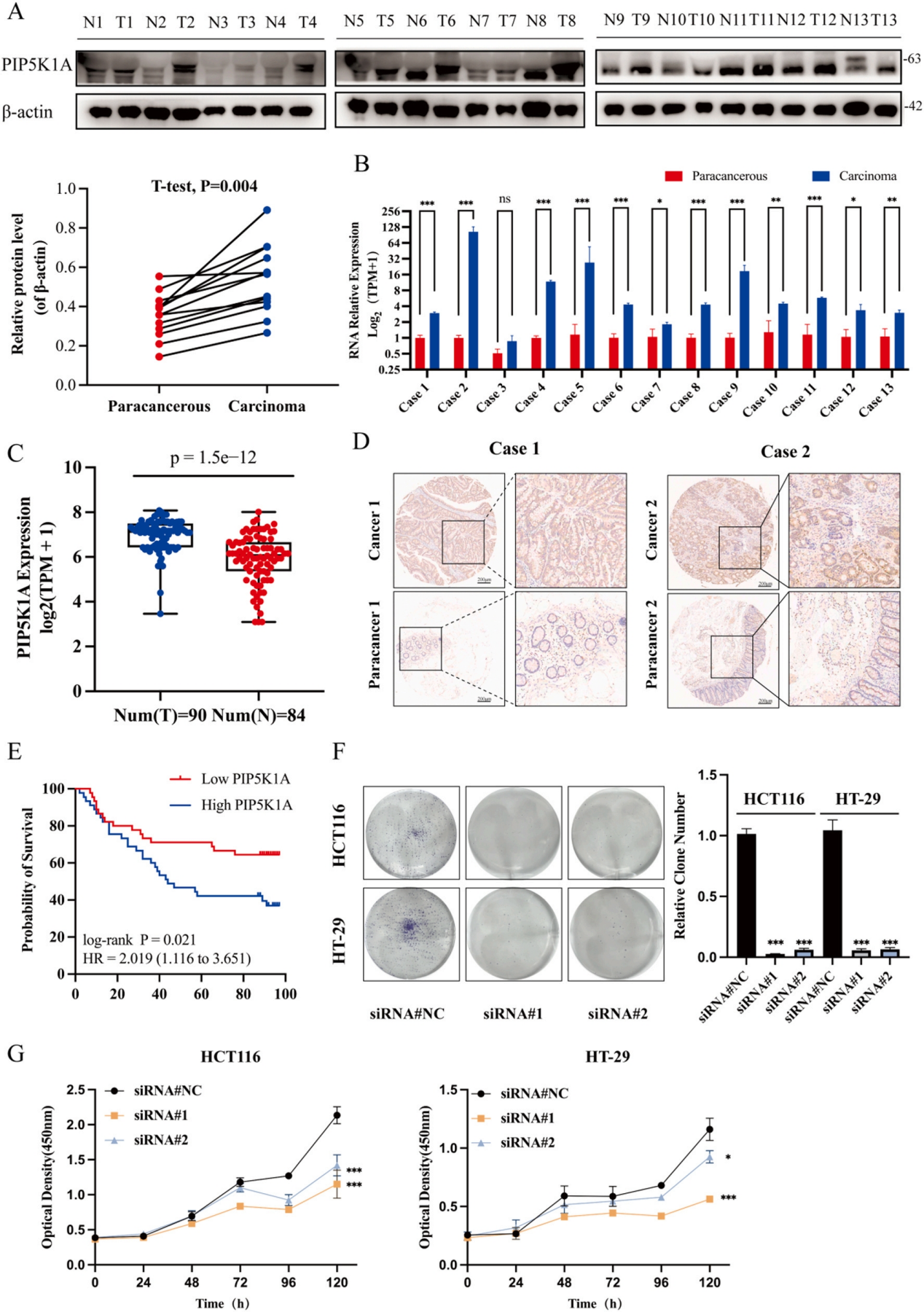
Figure 1: Correlation between abnormal PIP5K1A expression and colorectal cancer progression
2. Screening of PIP5K1A Kinase Inhibitors
Potential interactions between rupatadine and PIP5K1A were identified through compound structure-based virtual screening, with interaction sites simulated using molecular docking. PIP5K1A activity assays revealed that rupatadine could partially inhibit PIP5K1A activity in a concentration-dependent manner. PIP5K1A mRNA levels were examined by RT-PCR, and protein expression levels were assessed by Western Blot; comparison of these two results suggested that rupatadine reduces PIP5K1A protein levels in CRC cells by promoting its degradation, thereby attenuating its biological activity.
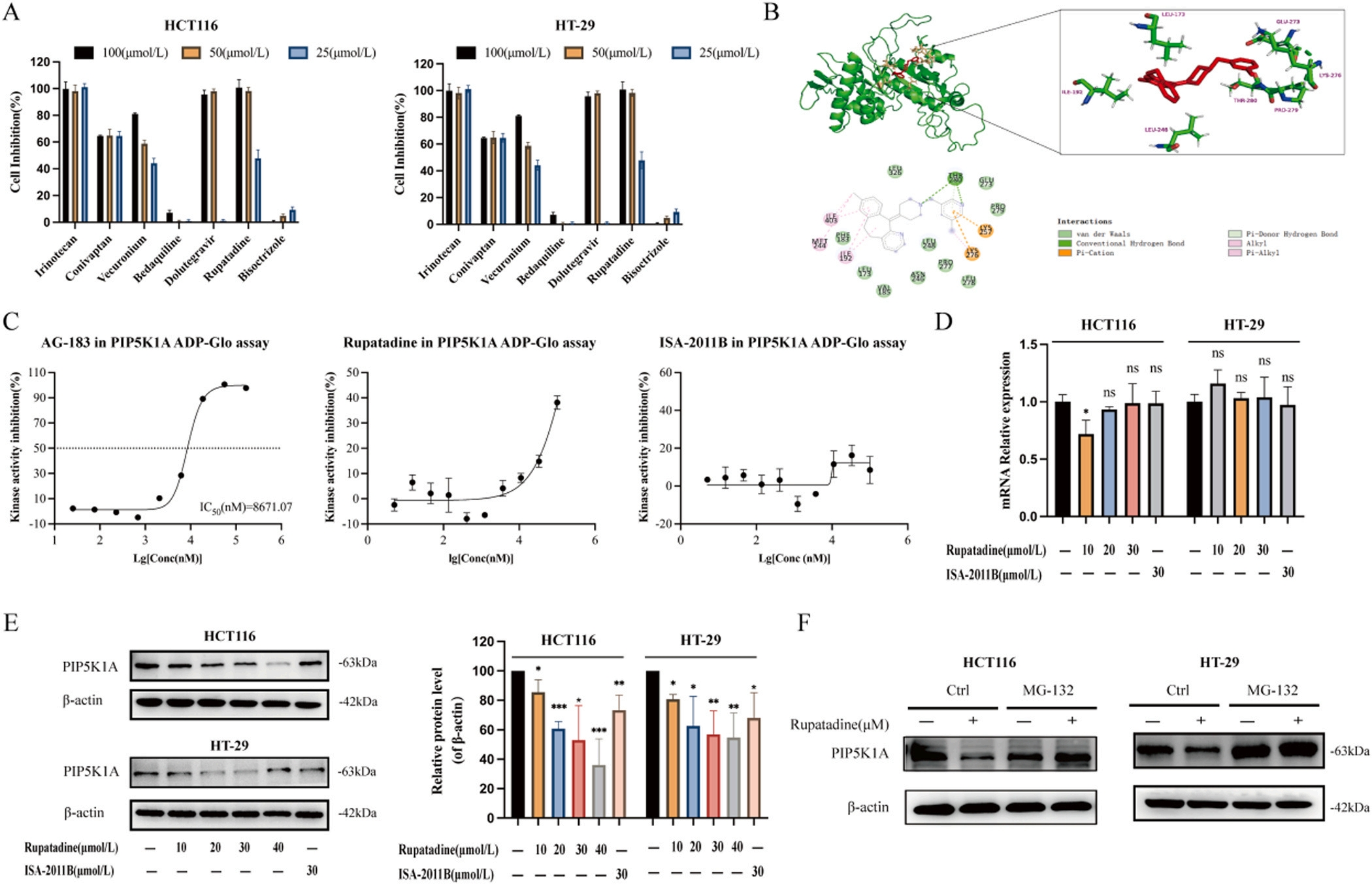
Figure 2: Screening of PIP5K1A kinase inhibitors
3. In Vitro Experimental Study of Rupatadine Inhibiting Colorectal Cancer Cell Proliferation
Through IC50 determination and plate colony formation assays, rupatadine was found to inhibit CRC cell growth in vitro in a concentration-dependent manner. Flow cytometry analysis of apoptosis and cell cycle arrest was performed to determine whether rupatadine inhibits cell proliferation, revealing that rupatadine primarily suppresses CRC cell proliferation by inducing cell cycle arrest.
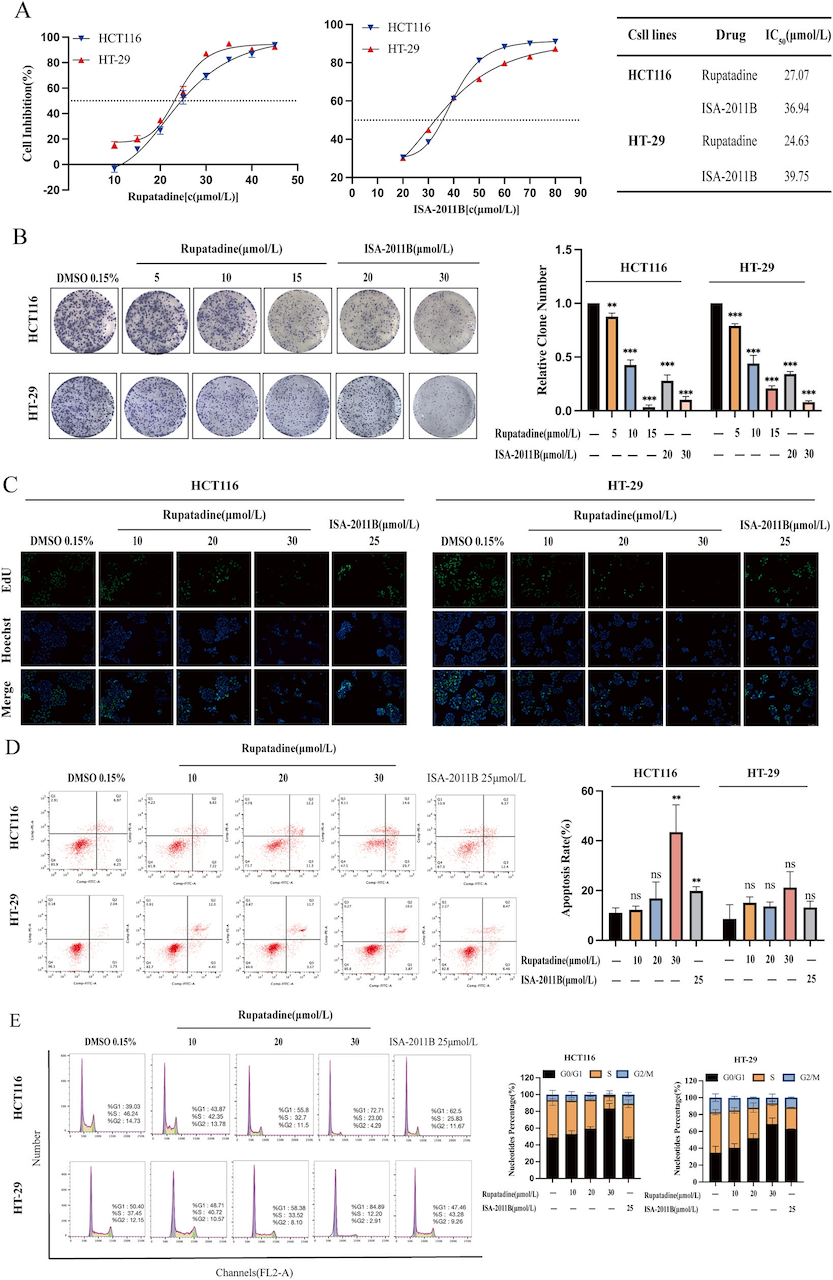
Figure 3: In vitro inhibition of colorectal cancer cell proliferation by rupatadine
4. Rupatadine Regulates Cell Cycle Through the PIP5K1A/GSK-3β/CDK2 Pathway
Western Blot analysis of key cell cycle regulatory proteins in CRC cells following PIP5K1A treatment revealed that CDK2 and cyclin D1 protein expression decreased significantly in a concentration-dependent manner, with CDK2 expression showing the strongest correlation with PIP5K1A expression. Examination of CDK2 mRNA expression changes in CRC cells after rupatadine treatment suggested that rupatadine influences cyclin expression by regulating cyclin transcription and translation. Following PIP5K1A treatment, β-catenin protein expression was inhibited, and nuclear β-catenin content decreased. Notably, β-catenin is a substrate of GSK-3β. Additionally, intracellular p-Akt and p-GSK protein expression were significantly reduced. These results indicate that rupatadine regulates the cell cycle through modulation of these signaling pathways.
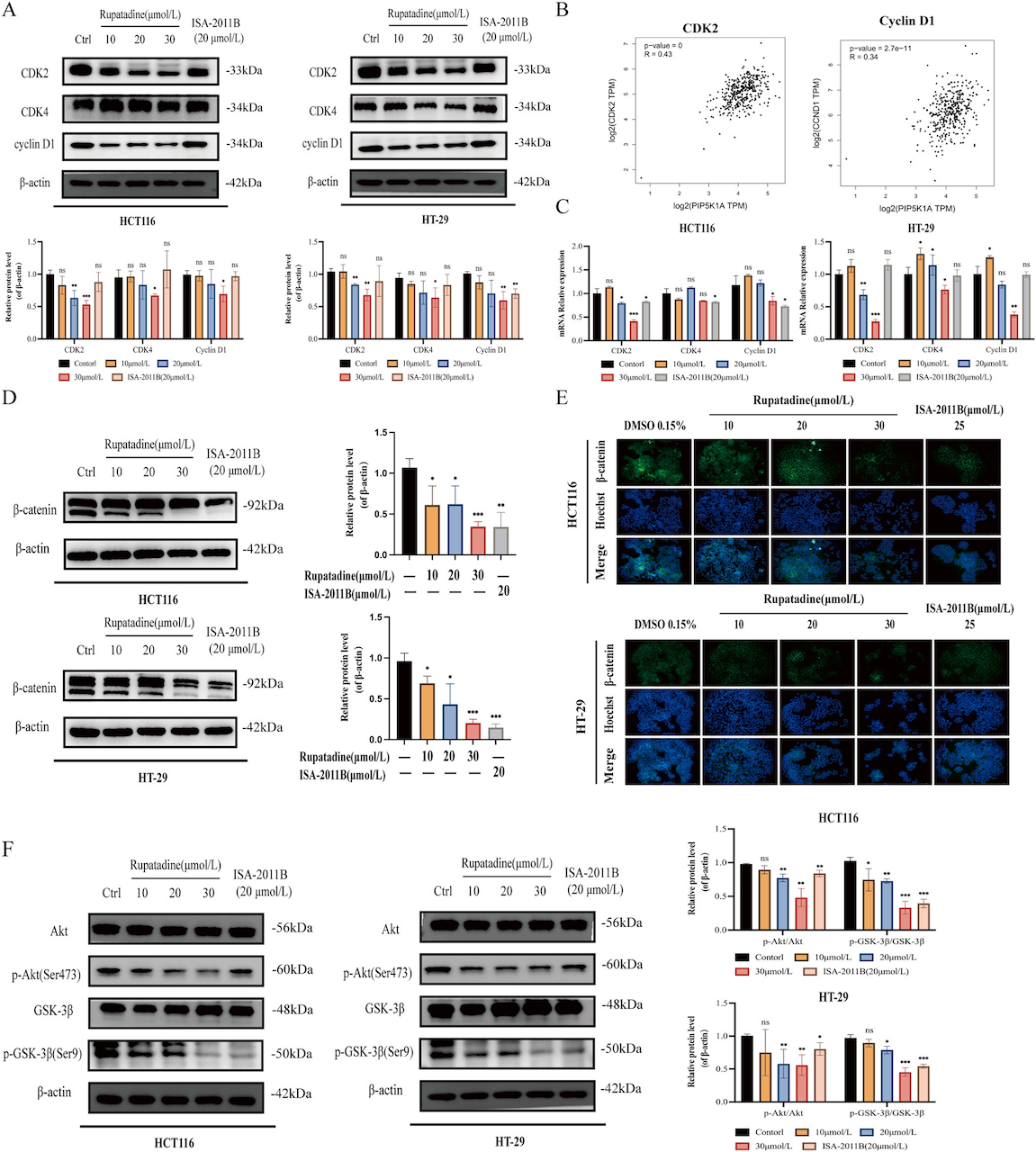
Figure 4: Rupatadine regulation of the cell cycle
5. In Vivo Anti-Tumor Effects of Rupatadine
Through construction of a mouse tumor model and observation of mouse body weight and tumor growth, rupatadine was found to significantly reduce tumor volume and weight without affecting mouse body weight. Tumor tissue sections from the model were collected and stained, revealing weaker staining in the rupatadine-treated group and diminished tumor cell growth. To further determine the mechanism by which rupatadine inhibits tumor growth in vivo, Western blot analysis was performed on key proteins of the PIP5K1A/Akt/CDK2 pathway, demonstrating that rupatadine treatment significantly reduced expression of PIP5K1A, p-Akt, and CDK2.
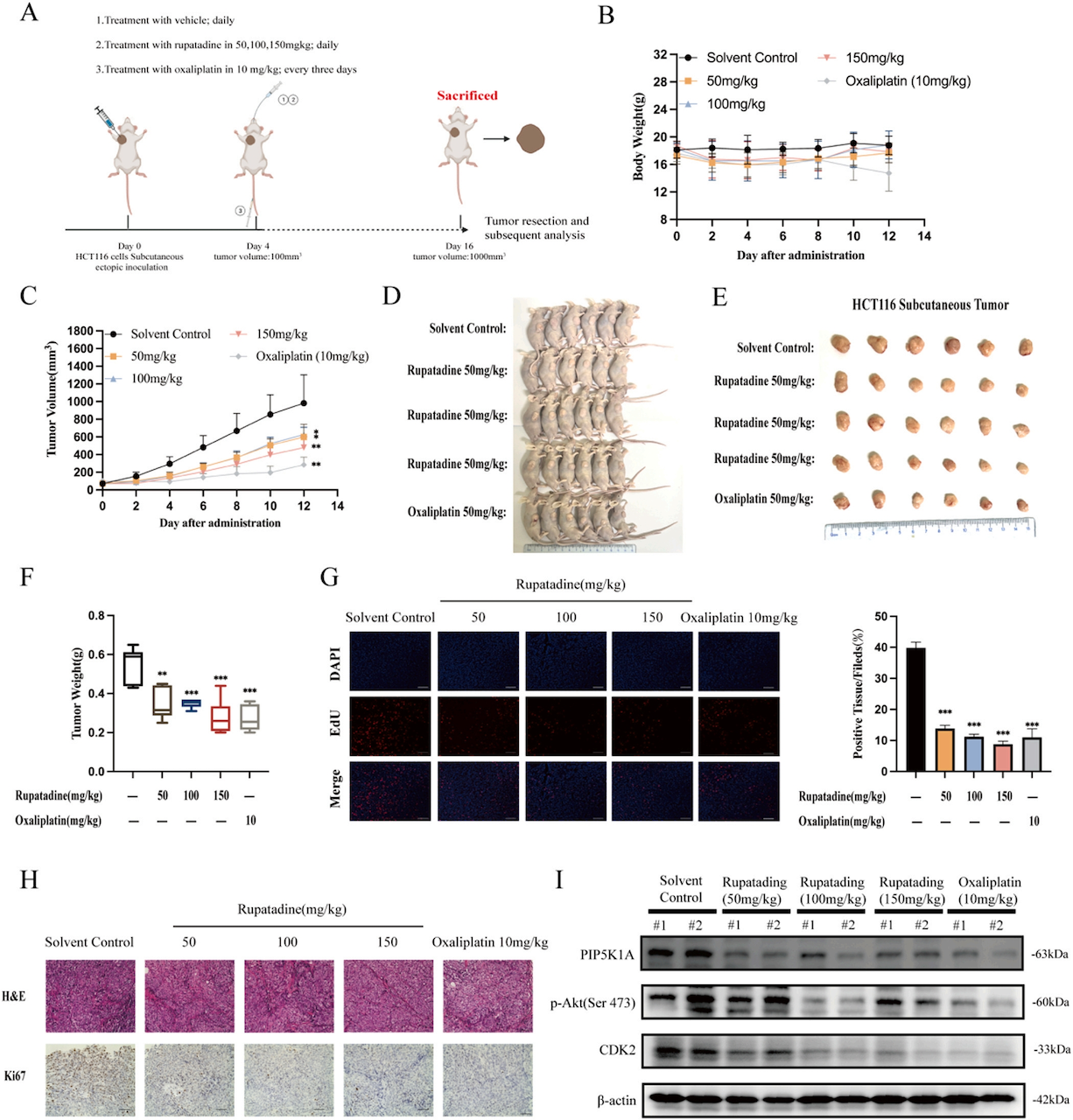
Figure 5: In vivo anti-tumor effects of rupatadine
The authors purchased purified human PIP5K1A protein from KMD Bioscience (Tianjin, China) for biolayer interferometry analysis to validate the direct interaction between the drug rupatadine and the target protein PIP5K1A, a critical experimental material in this study. Through advanced genetic engineering technologies, KMD Bioscience efficiently performs protein expression in various host cells, ensuring high purity, excellent stability, and activity to meet customer requirements. Additionally, we offer recombinant protein preparation services, producing specific recombinant proteins according to customer needs, along with related technical services including purification, characterization, and activity assays.
引用:
[1] Jiang L, Zhang Z, Luo Z, Li L, Yuan S, Cui M, He K, Xiao J. Rupatadine inhibits colorectal cancer cell proliferation through the PIP5K1A/Akt/CDK2 pathway. Biomed Pharmacother. 2024 Jul;176:116826.
- Rupatadine
- Colorectal cancer
- PIP5K1A/Akt/CDK2 pathway
- Biolayer interferometry

- Protein Platform
- Protein Expression Services
- Protein Modification & Detection Services
- Protein Interaction Services
- Protein Purification Service
- Antibody Discovery Platform
- VHH Antibody Platform
- Phage Display Platform
- Antibody Humanization Platform
- Single B Cell Screening Platform
- Antibody Expression & Validation Platform
- Peptide Library Platform
- Custom Antibody Platform
- Innovative Drug Discovery Platform
- Product Center
- Proteins
- Antibodies
- Raw Materials Reagents
- Small Molecule Reagents
- Peptide Products
- Nanoparticle Products
- Contact Us
- Phone:400-621-6806
- Mobile:13110936064(WeC
- E-mail:[email protected]
- Address:Room 108, Building 10, No. 6 Hechang Road, Wuqing Development Zone, Tianjin City
-

WeChat
-

Service Account
-
 400-621-6806
 -
 3599163699
 -
 Monday to Friday 9:00-18:00
 -

-
 0
0
-
