


Vitexin as VDR Agonist Prevents Colitis-Associated Colorectal Cancer via Macrophage Regulation
- 2026-03-20
- 175
Colorectal cancer is one of the leading causes of cancer-related deaths worldwide, with nearly 20% of cases linked to chronic inflammation. Colitis-associated colorectal cancer (CAC) is an aggressive tumor subtype that develops in patients with inflammatory bowel disease (IBD) after prolonged chronic inflammatory stimulation. Its pathogenic mechanisms are complex, and currently available drug treatments show limited efficacy.
The vitamin D receptor (VDR) plays a key regulatory role in intestinal inflammatory responses and tumor development, but its specific mechanism of action in the progression of CAC lesions remains incompletely understood.
The polarization state of macrophages within the tumor microenvironment (TME)—namely, the anti-tumor M1 type and the pro-tumor M2 type—plays a decisive role in tumor progression. Therefore, identifying natural compounds that can modulate VDR activity and influence macrophage polarization is of great value for the prevention and clinical treatment of CAC.
The team led by Yonger Chen was the first to demonstrate that the flavonoid small-molecule compound Vitexin acts as a novel vitamin D receptor agonist. Through in vitro and in vivo experimental systems, the team systematically revealed that this compound regulates macrophage polarization via the VDR/PBLD signaling pathway, thereby blocking the molecular mechanism of malignant transformation from chronic colitis to colorectal cancer. The related research findings were published in the international journal Molecular Cancer in 2024.
1. VDR Deficiency Accelerates Malignant Transformation from Chronic Colitis to Cancer
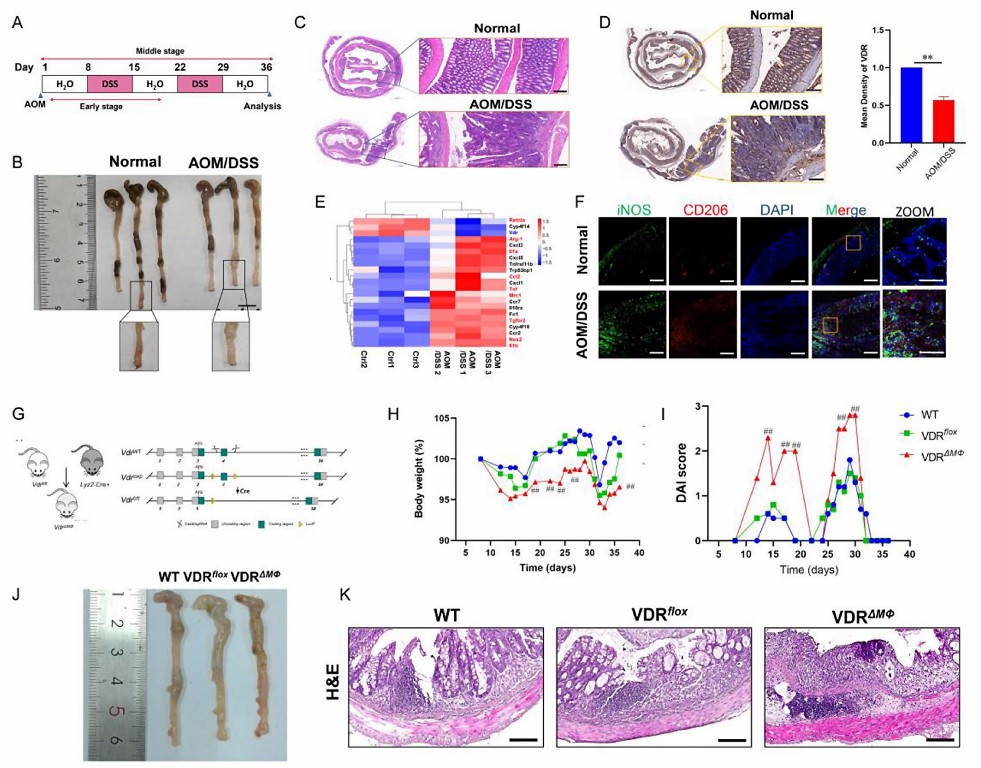
Figure 1 VDR plays an important role in the transformation of chronic intestinal inflammation-induced cancer
Experimental data from a CAC mouse model showed a significant decrease in VDR protein expression levels in intestinal tissue samples. After targeted knockout of the VDR-encoding gene in mouse myeloid cells, disease progression worsened sharply, body weight recovery slowed, colonic inflammation and tissue damage significantly intensified, and tumor growth accelerated. This study provides the first clear in vivo evidence that VDR, especially its expression in immune cell populations, serves as an important biological barrier preventing the "inflammation-to-cancer transformation" in the intestine.
2. Multidimensional Experiments Confirm That Vitexin Directly Targets and Binds VDR Protein
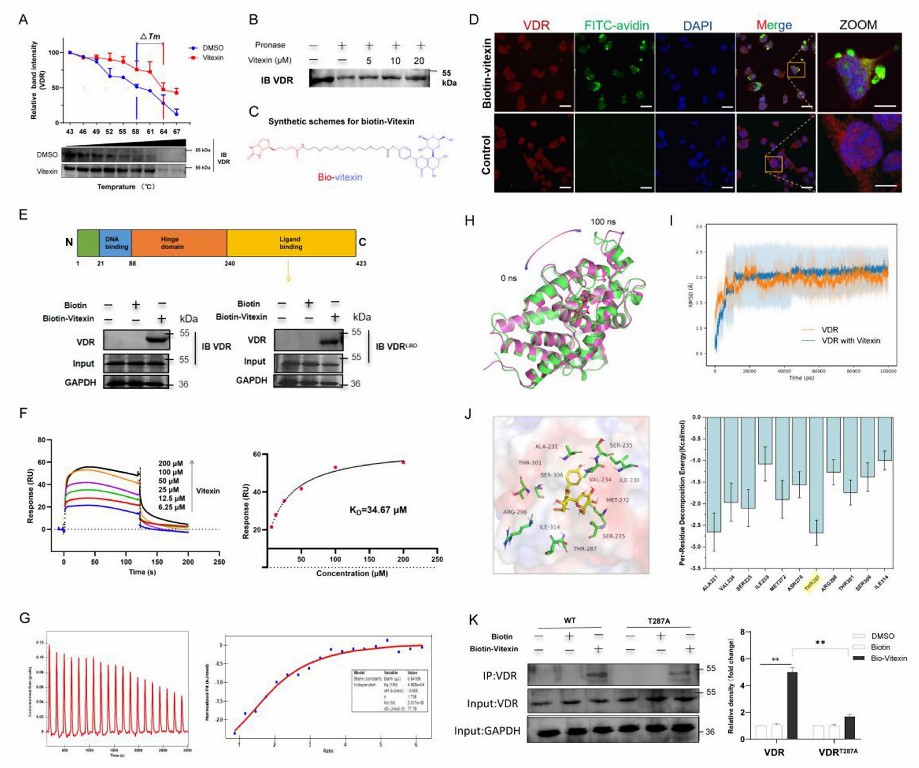
Figure 2 Vitexin targets VDR and binds amino acid motifs in its VDR-LBD region
To identify active molecules that regulate VDR, the research team focused on the natural flavonoid Vitexin and preliminarily confirmed its binding to VDR at the cellular level. Subsequently, high-purity recombinant human VDR ligand-binding domain (LBD) protein was obtained using recombinant protein production technology, and SPR assays confirmed direct interaction between the two. Molecular docking simulations and point mutation validation experiments further demonstrated that the key binding site of Vitexin on VDR is located at threonine 287 within the LBD domain.
3. Vitexin Promotes VDR Nuclear Translocation and Activates Its Transcriptional Function
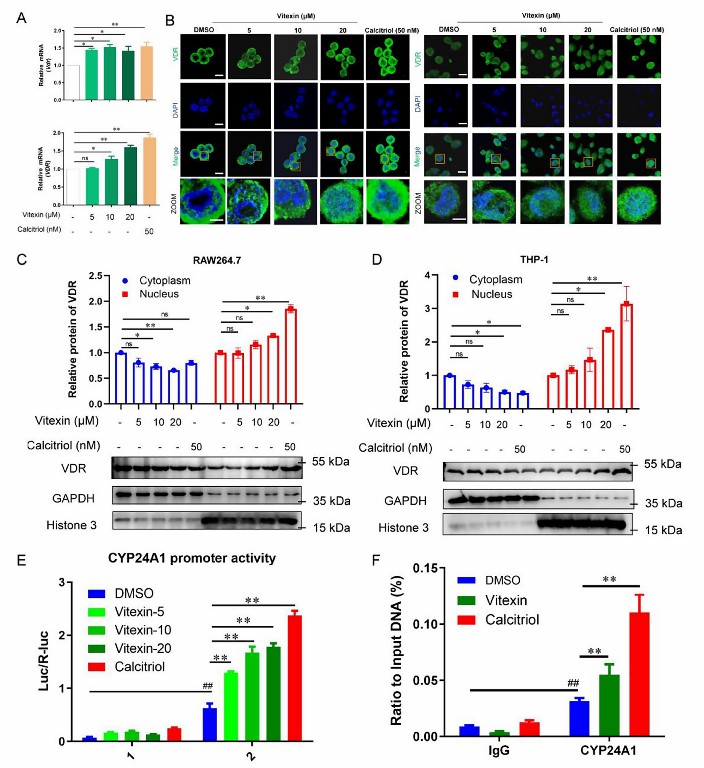
Figure 3 Vitexin promotes nuclear translocation of VDR protein in macrophages and regulates nuclear transcription
After confirming the binding, researchers further investigated the specific effect of Vitexin on VDR function. Following Vitexin treatment, VDR protein expression increased in macrophages, with specific translocation from the cytoplasm to the nucleus. Nuclear VDR activity was significantly enhanced, and its transcriptional activity was validated through a classic target gene CYP24A1 promoter reporter assay. These results demonstrate that Vitexin not only binds to VDR but also acts as an efficient activator of its function, laying the foundation for subsequent gene expression regulation.
4. Vitexin Reverses VDR Suppression in a Simulated Tumor Microenvironment
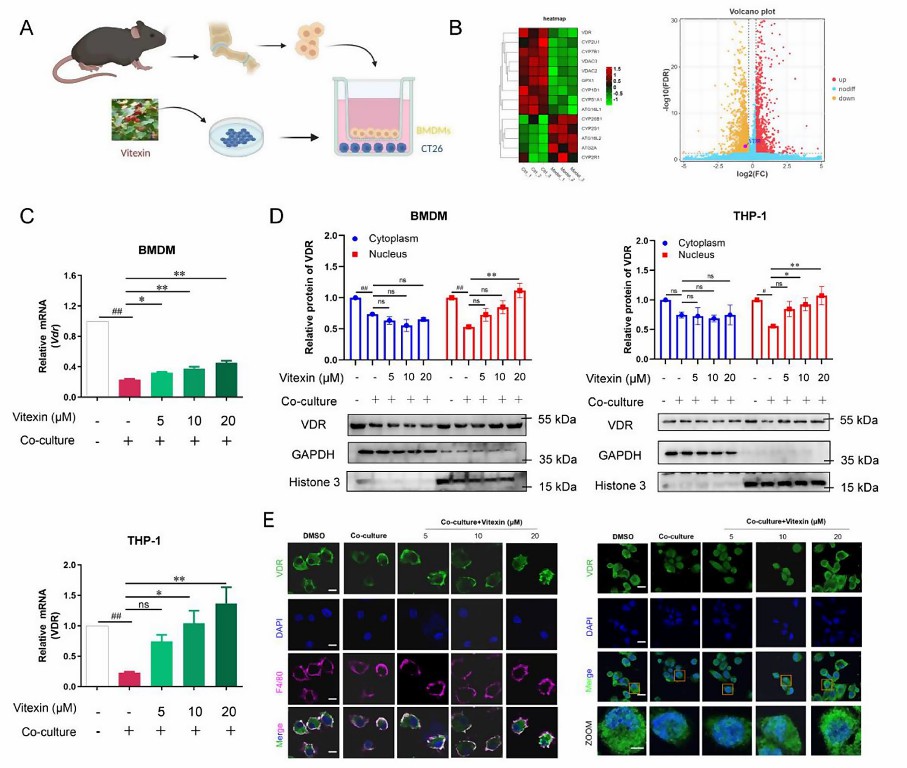
Figure 4 In the tumor microenvironment, vitexin promotes the nuclear translocation of VDR
The tumor microenvironment is complex and immunosuppressive. To simulate this environment, researchers established a co-culture system of tumor cells and macrophages. They found that co-culture with tumor cells significantly suppressed VDR protein expression in macrophages and replicated the immunosuppressive features of the in vivo environment. Adding Vitexin effectively reversed this suppression and restored nuclear VDR levels. The experiment confirmed that Vitexin efficiently regulates VDR even within complex cell interaction networks close to physiological conditions.
5. Vitexin Regulates Macrophage Polarization Toward Anti-tumor M1 Phenotype in a VDR-Dependent Manner
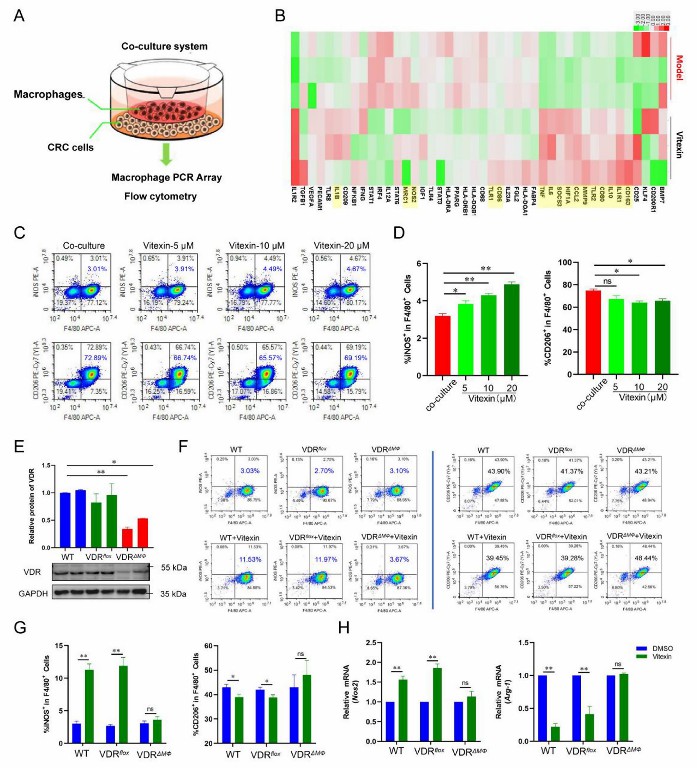
Figure 5 Vitexin regulates polarization in macrophages in co-culture, dependent on VDR
Experiments in the co-culture system confirmed that Vitexin significantly promoted the upregulation of M1 anti-tumor markers such as iNOS in macrophages while suppressing M2 pro-tumor markers such as CD206. However, when VDR was knocked down in macrophages, this regulatory effect of Vitexin was completely abolished. These complementary experimental results indicate that Vitexin's regulation of macrophage polarization fully depends on the expression and functional integrity of VDR protein.
6. Vitexin Regulates Macrophages via the VDR/PBLD Signaling Axis
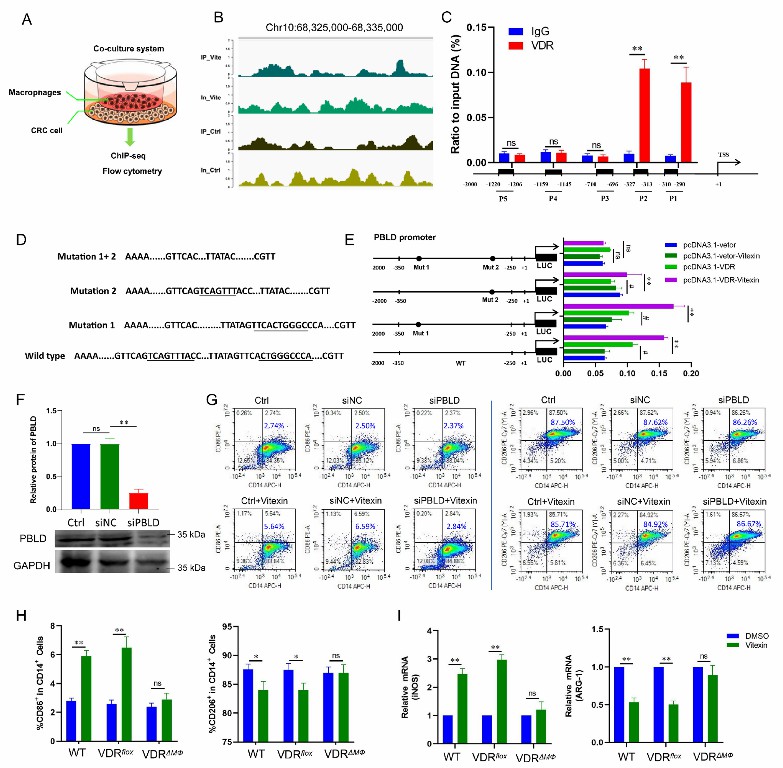
Figure 6 Vitexin regulates macrophage polarization in the tumor microenvironment via the VDR/PBLD pathway
How does activated nuclear VDR affect macrophages? Through ChIP experiments, researchers found that VDR directly binds to the promoter region of the PBLD gene, which has been demonstrated to possess tumor-suppressive potential. Subsequent experiments further confirmed that Vitexin significantly enhances PBLD gene transcription via the VDR pathway, and when PBLD expression was silenced, Vitexin-mediated M1 polarization of macrophages was also blocked. This evidence establishes a clear signaling pathway: Vitexin → VDR → PBLD → M1 macrophage polarization.
7. In Vivo Experiments Ultimately Confirm That Vitexin Inhibits CAC Development via This Pathway
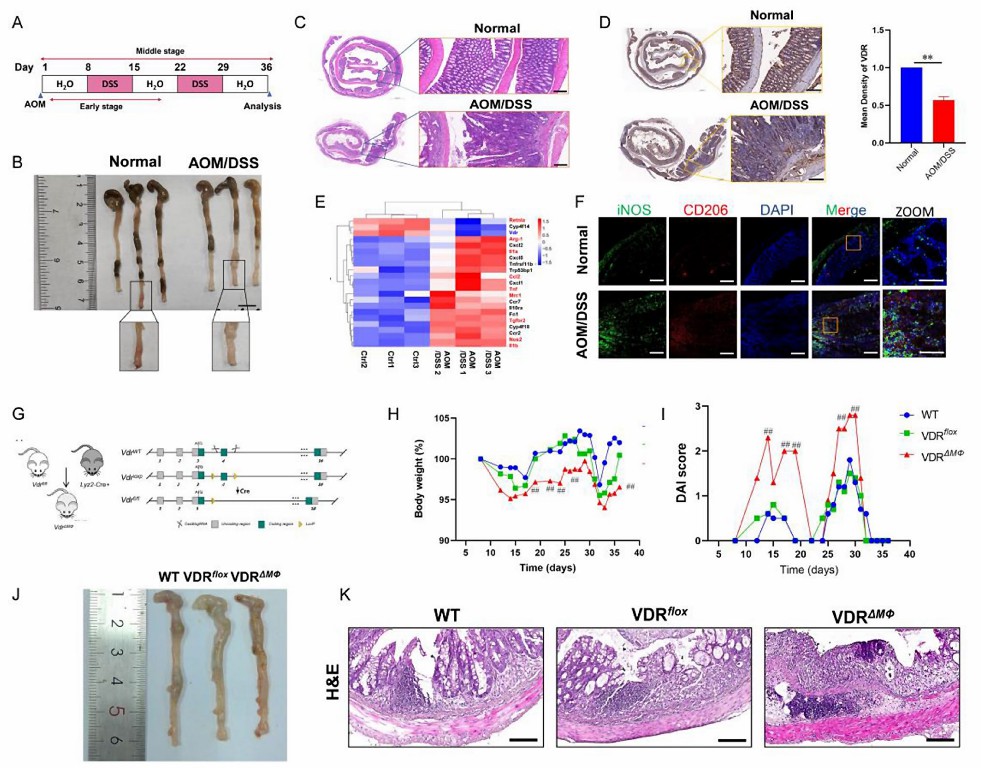
Figure 7 Vitexin mitigates the transition from chronic intestinal inflammation to cancer by modulating macrophage polarization and is dependent on the VDR/PBLD pathway
Elucidation of any molecular mechanism ultimately requires validation in living animal models. In wild-type CAC mouse models, Vitexin treatment showed significant therapeutic effects: effectively alleviating disease symptoms, reducing the incidence of colonic tumors, and accompanied by increased expression of VDR and PBLD proteins in colon tissue along with a higher proportion of M1 macrophages. However, in mouse models with myeloid cell-specific knockout of the VDR gene, all protective effects of Vitexin were completely lost, providing final experimental evidence that Vitexin exerts anti-CAC effects by targeting the myeloid VDR/PBLD signaling pathway.
The core experimental material for protein interaction validation in this study—recombinant human VDR protein—was custom-synthesized by KMD Bioscience.
Relying on advanced gene engineering technology, KMD Bioscience can efficiently express target proteins in various host cell systems, providing services such as Mammalian Protein Expression, Prokaryotic Protein Expression, and Cell-free Expression. These services ensure products with high purity, stability, and biological activity, fully meeting diverse customer application needs.
[1] Chen Y, Liang J, Chen S, Lin N, Xu S, Miao J, Zhang J, Chen C, Yuan X, Xie Z, Zhu E, Cai M, Wei X, Hou S, Tang H. Discovery of vitexin as a novel VDR agonist that mitigates the transition from chronic intestinal inflammation to colorectal cancer. Mol Cancer. 2024 Sep 13;23(1):196.
- Vitamin D receptor
- Macrophage polarization
- Protein Expression

- Protein Platform
- Protein Expression Services
- Protein Modification & Detection Services
- Protein Interaction Services
- Protein Purification Service
- Antibody Discovery Platform
- VHH Antibody Platform
- Phage Display Platform
- Antibody Humanization Platform
- Single B Cell Screening Platform
- Antibody Expression & Validation Platform
- Peptide Library Platform
- Custom Antibody Platform
- Innovative Drug Discovery Platform
- Product Center
- Proteins
- Antibodies
- Raw Materials Reagents
- Small Molecule Reagents
- Peptide Products
- Nanoparticle Products
- Contact Us
- Phone:400-621-6806
- Mobile:13110936064(WeC
- E-mail:[email protected]
- Address:Room 108, Building 10, No. 6 Hechang Road, Wuqing Development Zone, Tianjin City
-

WeChat
-

Service Account
-
 400-621-6806
 -
 3599163699
 -
 Monday to Friday 9:00-18:00
 -

-
 0
0
-
