


Berberine Targets IRGM1 to Regulate Intestinal Inflammation and Barrier Function in Ulcerative Colitis
- 2026-03-25
- 179
Ulcerative colitis (UC) is a chronic inflammatory bowel disease. The recurrent episodes of mucosal inflammation significantly reduce patients' quality of life. Current mainstream therapeutic drugs are often accompanied by certain side effects, prompting researchers to seek safer alternatives.
The application of Coptis chinensis and its core active component berberine in the treatment of intestinal diseases has a long history. However, the specific molecular targets and mechanisms of action of these components have long remained unclear. A recent study published in the journal Phytomedicine elucidated for the first time that berberine exerts its anti-UC pharmacological effects by targeting the immune-related GTPase IRGM1 to inhibit the activity of the downstream PI3K/AKT/mTOR signaling pathway, systematically revealing the specific mechanism of action of berberine.
The core experimental material used in this study for investigating signaling pathways—the recombinant IRGM1 protein—was custom synthesized by KMD Bioscience.
1. Chemical Structure of Berberine
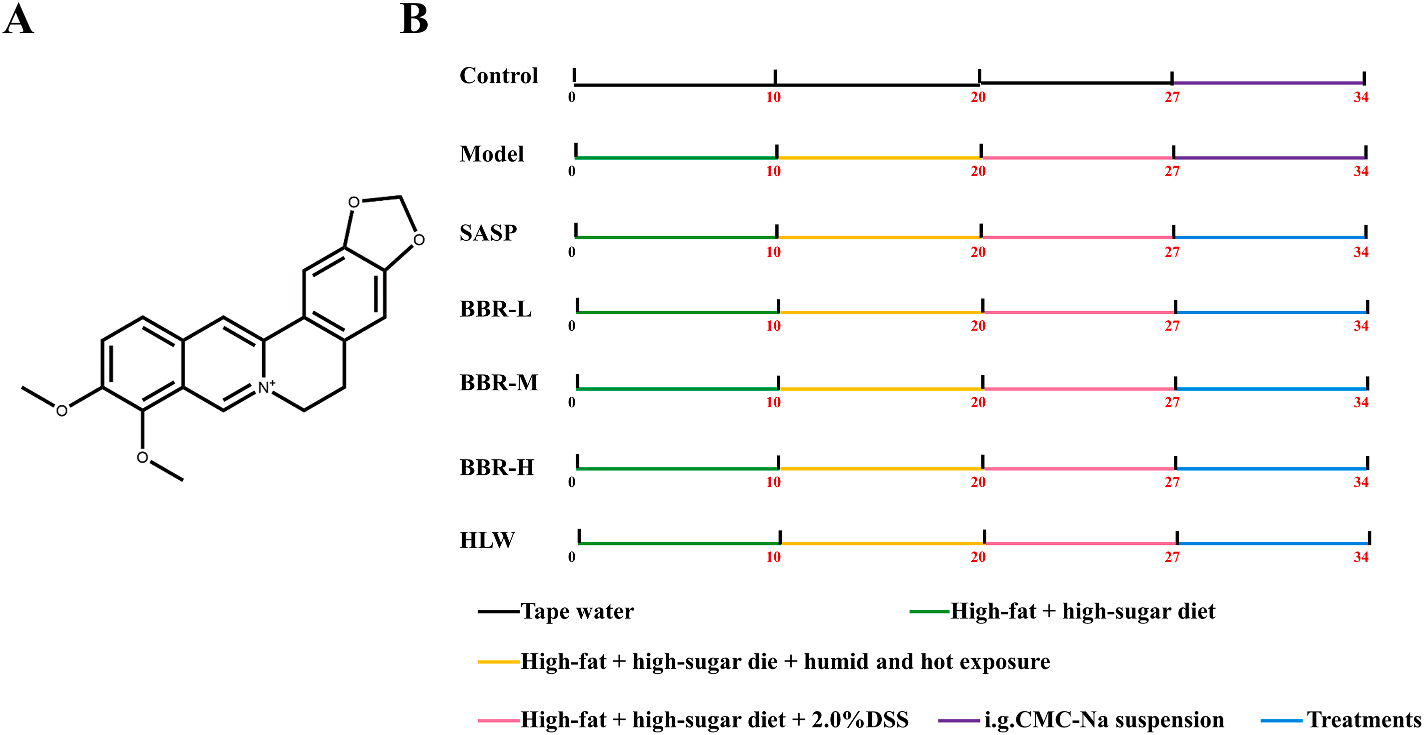
Figure 1 Berberine (BBR) chemical structure and in vivo animal experimental design
The research team successfully established a UC mouse model that more closely mimics the clinical manifestations of damp-heat syndrome by using a high-fat, high-sugar diet combined with a high-temperature, high-humidity housing environment and induction with dextran sulfate sodium. Typical symptoms included weight loss and an increased disease activity index. The team established four model experimental groups: low-, medium-, and high-dose berberine groups, and a Coptis extract group.
2. Berberine and Coptis Extract Significantly Alleviate Overall Symptoms in UC Mice
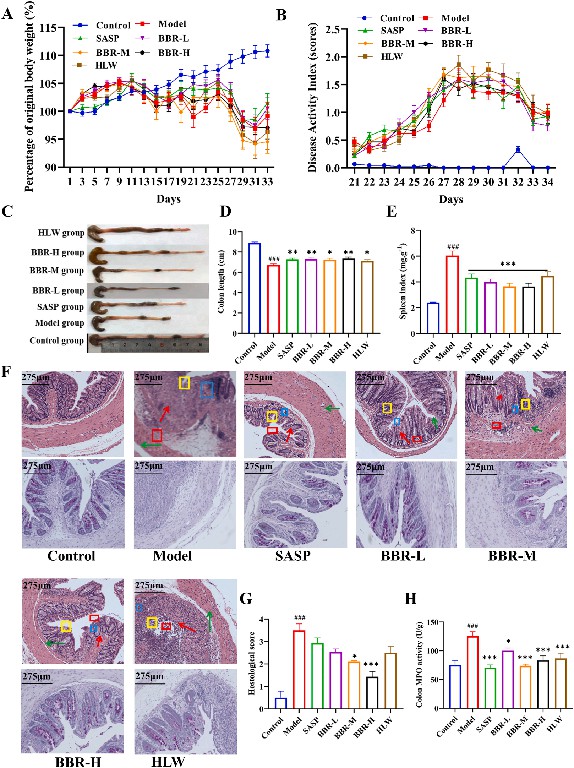
Figure 2 BBR and Coptis chinensis Franch. extract ameliorates UC in mice
The results showed that compared to the model group, mice receiving drug intervention exhibited weight recovery, a significant downregulation of the disease activity index, and a reversal of pathological manifestations such as colon shortening and spleen enlargement. Histopathological examination further confirmed that berberine intervention reduced the degree of colonic mucosal damage, improved the destruction of crypt structures, decreased inflammatory cell infiltration, and downregulated myeloperoxidase activity levels.
The above findings validated the effect of berberine in improving core UC symptoms at the level of overall animal experiments, establishing a solid phenotypic research foundation for subsequent analysis of its molecular mechanism.
3. Berberine Reduces Inflammatory Factors and Repairs the Intestinal Barrier
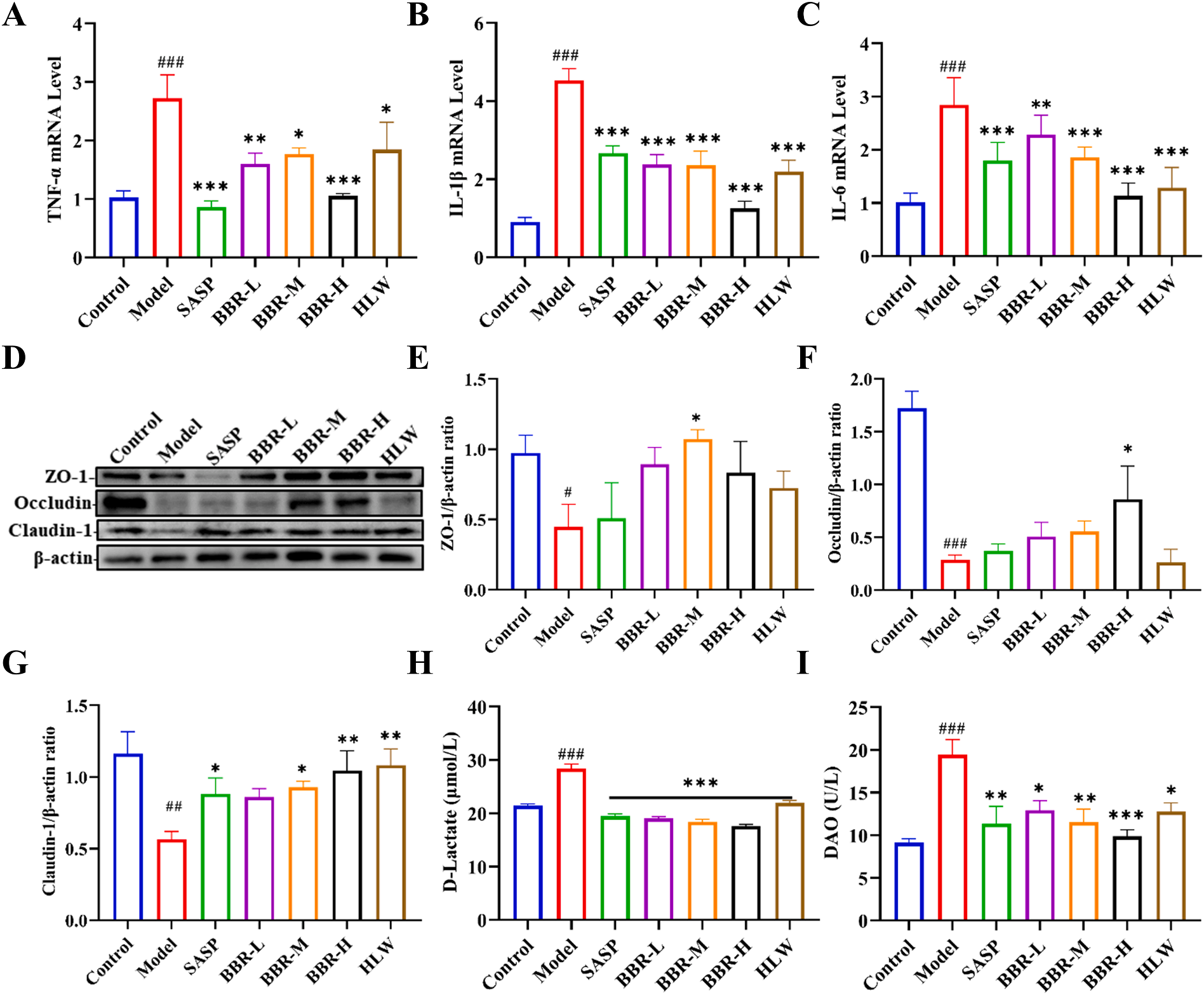
Figure 3 . Impact of BBR and Coptis chinensis Franch
Molecular-level studies found that berberine significantly reduced the mRNA expression levels of the core pro-inflammatory factors IL-1β, IL-6, and TNF-α in colon tissue. Western blot analysis showed that berberine treatment increased the expression of tight junction proteins occludin, claudin-1, and ZO-1, which are key proteins for maintaining the integrity of the intestinal epithelial barrier. Furthermore, the expression levels of intestinal barrier damage markers in mouse serum decreased, functionally confirming berberine's efficacy in repairing intestinal permeability. This reveals the dual therapeutic mechanisms of berberine: anti-inflammatory action and barrier repair.
4. Berberine and Its Photoaffinity Probe Inhibit Inflammation in Cell Models
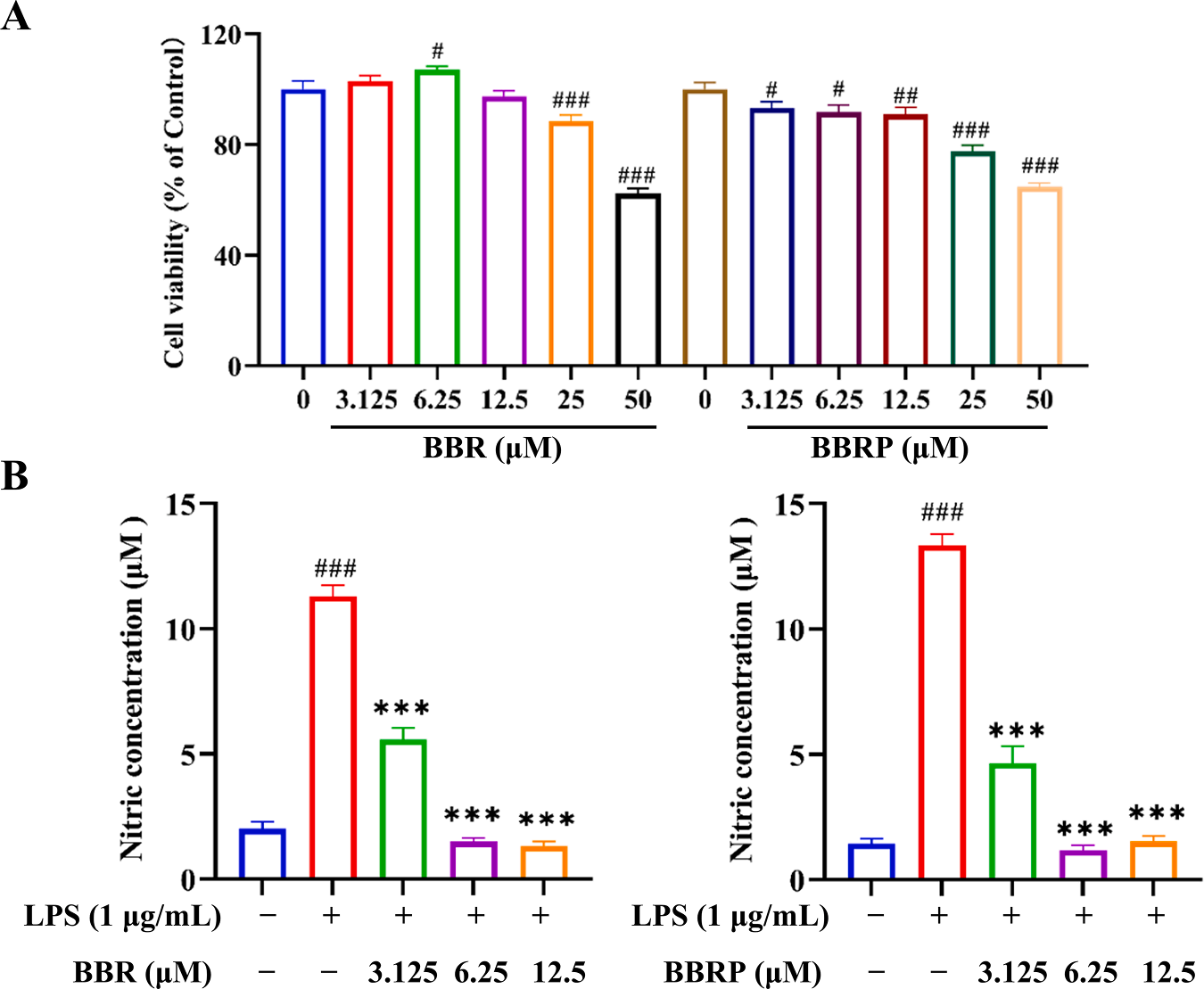
Figure 4 BBR and BBRP inhibited NO release
To investigate the target of action, researchers constructed an LPS-induced RAW264.7 macrophage inflammation model. The study found that both berberine and a designed synthetic photoaffinity probe significantly inhibited nitric oxide release. This finding confirmed that the photoaffinity probe retained the biological activity of berberine, ensuring the reliability of subsequent target fishing experiments using this probe.
5. Proteomic Screening Identifies IRGM1 as a Potential Target
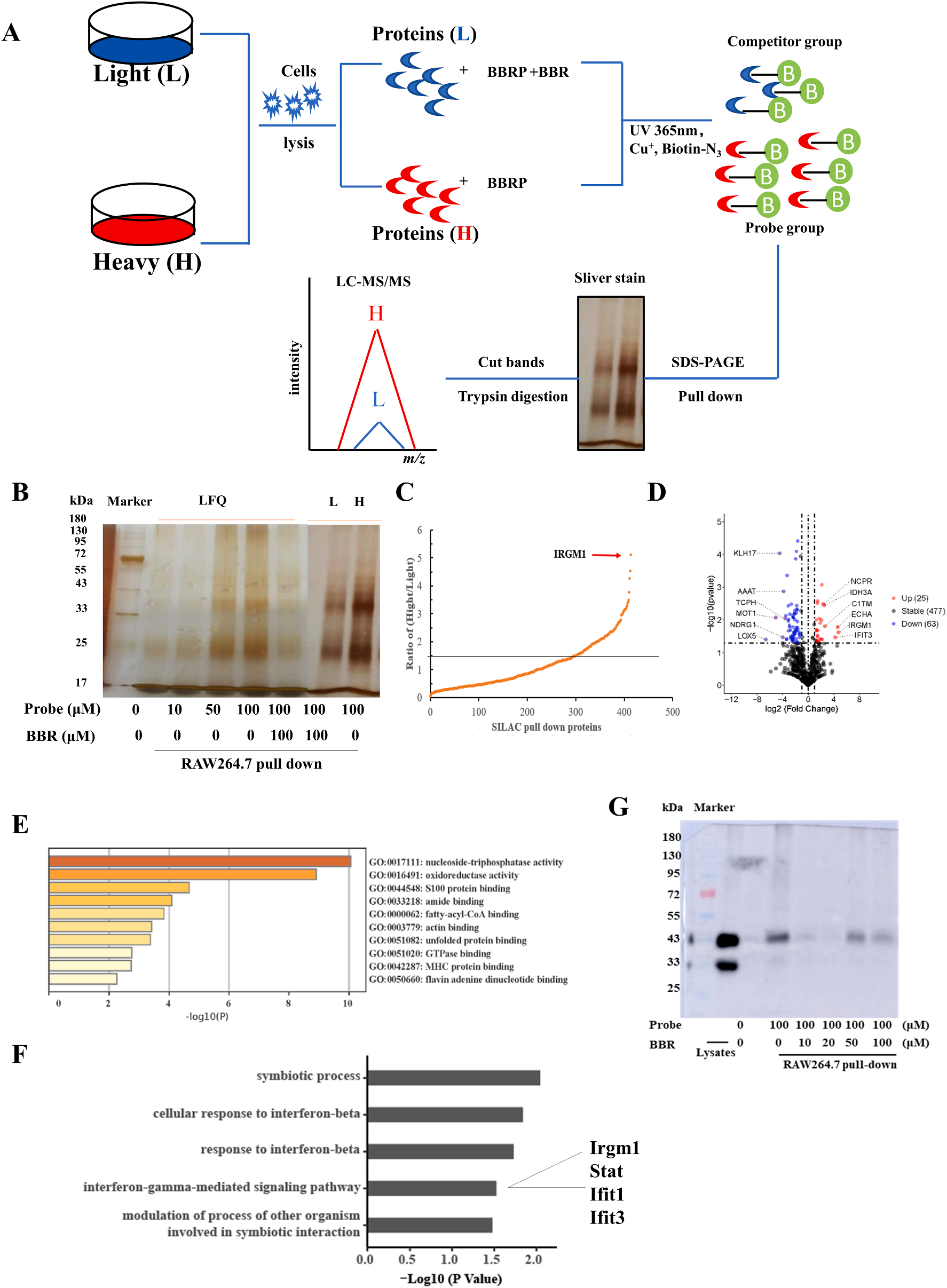
Figure 5 SILAC pull-down-based chemical proteomics approach for the identification of BBR’s direct target
Using SILAC-ABPP chemical proteomics technology, researchers incubated the berberine photoaffinity probe with cell lysates. Mass spectrometry detection and analysis screened for target proteins that specifically bind to berberine. Among 414 candidate proteins, IRGM1 showed the highest enrichment ratio, indicating that this protein is likely the core target through which berberine exerts its effects.
6. IRGM1 Is the Direct Target of Action
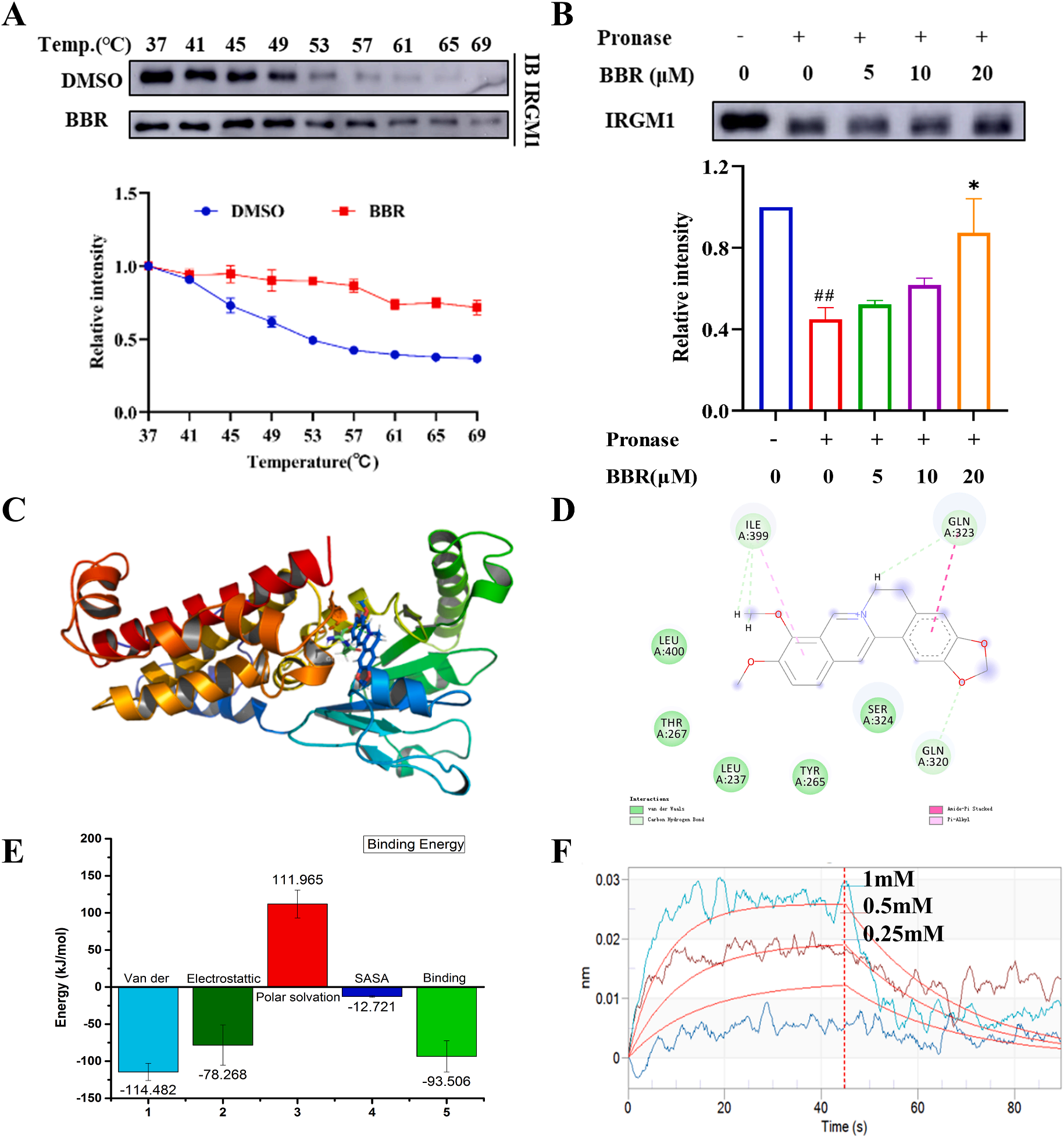
Figure 6 Covalent binding of berberine to IRGM1
Cellular thermal shift assay results showed that berberine increased the thermal stability of IRGM1. Drug affinity responsive target stability assays confirmed that berberine protected IRGM1 from protease hydrolysis. Crucially, after obtaining high-purity IRGM1 protein via recombinant protein preparation technology, the study directly detected the binding constant between berberine and IRGM1 using bio-layer interferometry, proving the binding capability of berberine to IRGM1.
7. Berberine Downregulates IRGM1 Expression in In Vivo and In Vitro Models
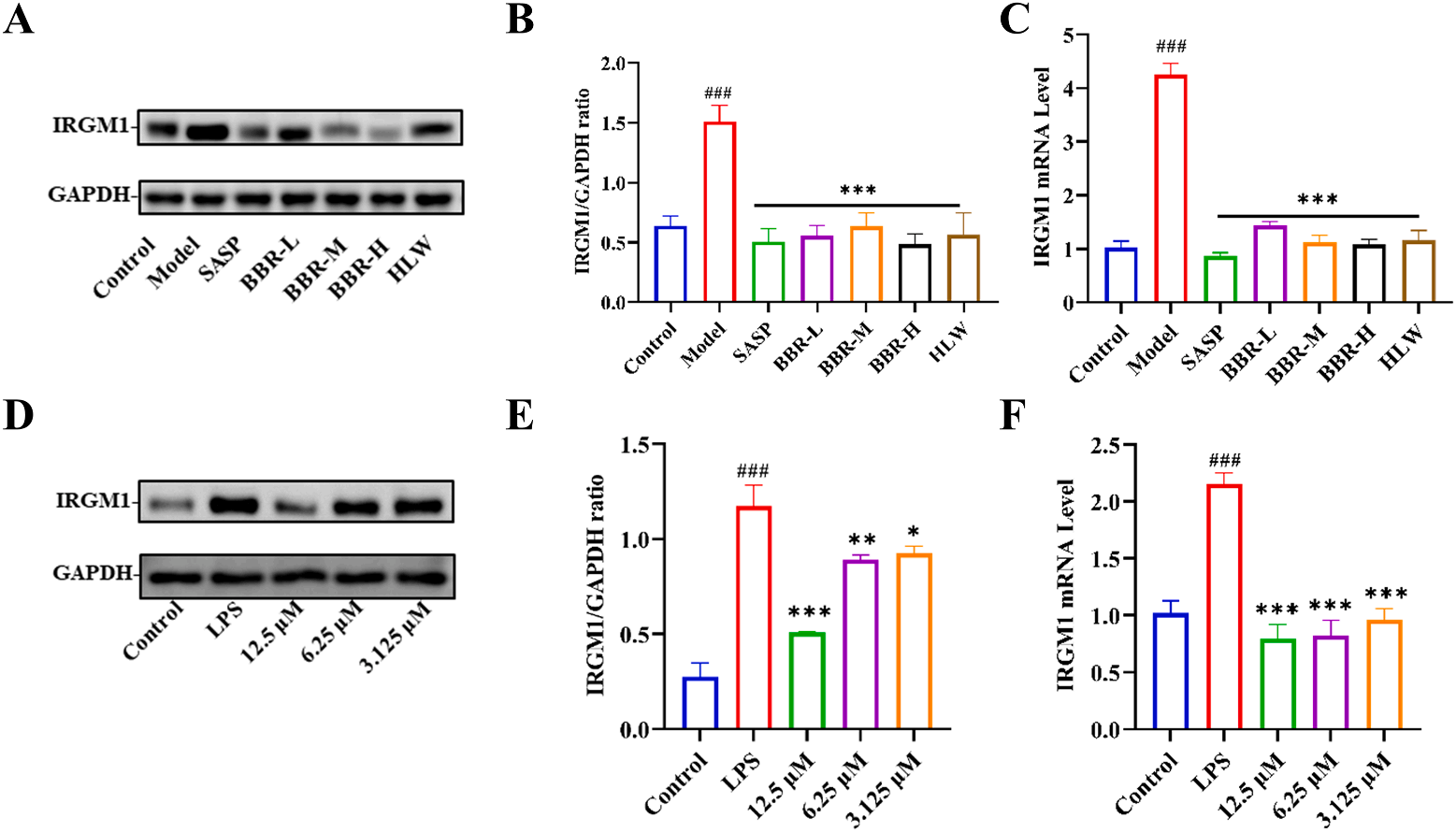
Figure 7 BBR’s effect on IRGM1 expression in various models
After identifying the core target, this study further investigated the functional regulatory effect of berberine on IRGM1. In the colon tissue of UC model mice and in the LPS-induced macrophage system, both the mRNA and protein expression levels of IRGM1 showed a significant upward trend. Intervention with berberine or Coptis extract effectively inhibited this overexpression, proving that berberine specifically binds to IRGM1 and exerts a negative regulatory effect on its protein expression level.
8. Berberine Regulates Inflammatory Factor Expression via IRGM1
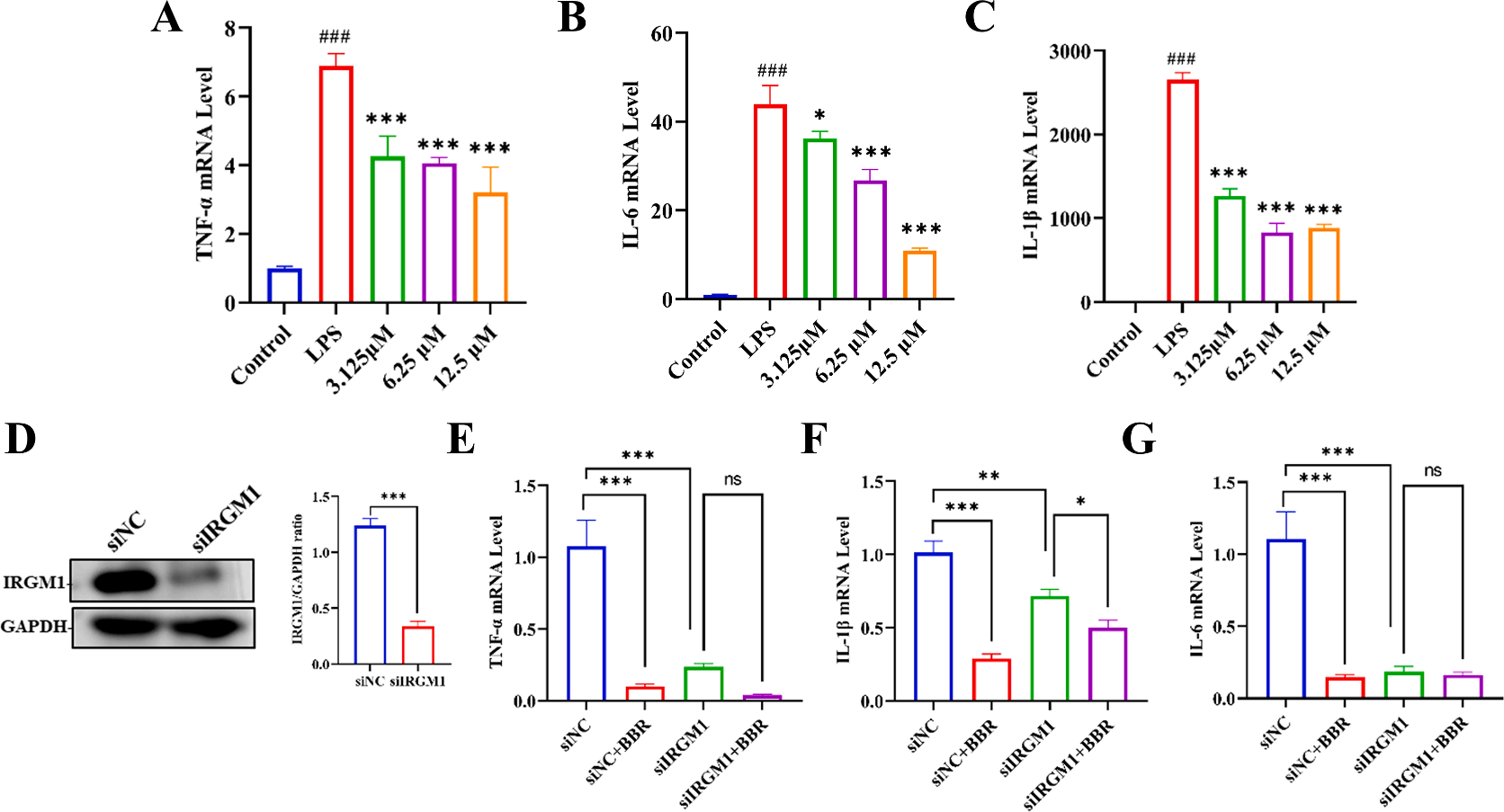
Figure 8 BBR’s effect on inflammatory cytokine expression
The study showed that in the LPS-induced macrophage system, berberine significantly downregulated the expression levels of inflammatory factors. After lentiviral knockdown of IRGM1 expression, the inhibitory effect of berberine on inflammatory factors was significantly weakened. Knockdown of IRGM1 alone also reduced the baseline inflammatory level in cells, indicating that IRGM1 occupies a core regulatory position in the inflammatory signaling pathway and proving that IRGM1 is the core mediator through which berberine exerts its anti-inflammatory effects.
9. Berberine Inhibits the PI3K/AKT/mTOR Pathway via IRGM1
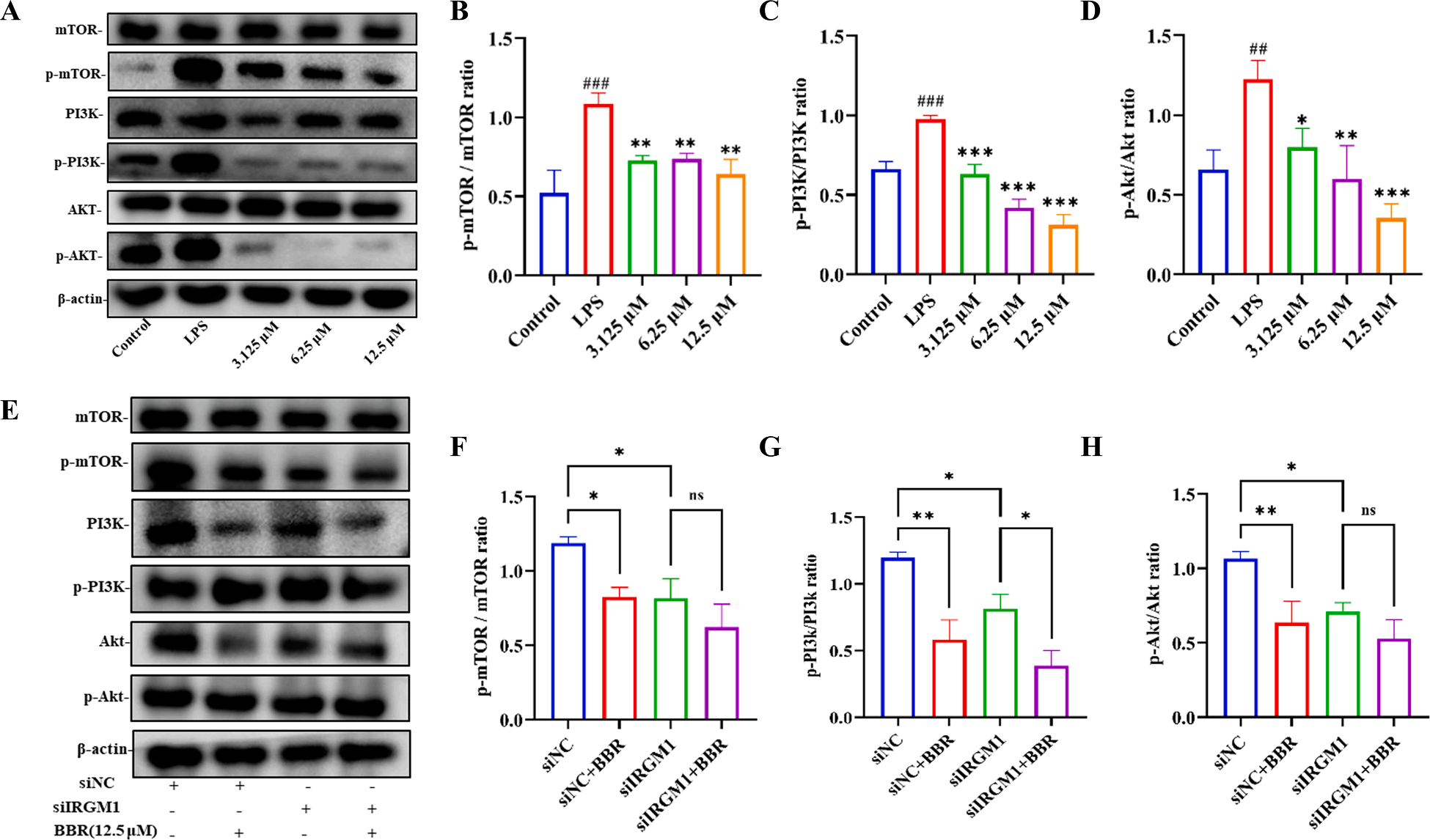
Figure 9 BBR’s effect on protein expression in RAW264.7 cell inflammatory models induced by LPS
In both the UC model and the LPS-stimulated cell model, the phosphorylation levels of core proteins in the PI3K/AKT/mTOR signaling pathway were significantly increased. Berberine intervention effectively inhibited the activation state of this pathway. Results from IRGM1 knockdown experiments demonstrated that berberine's inhibitory effect on this signaling pathway requires IRGM1 as the basis for action. This study delineated a clear signaling axis: berberine targets and binds to IRGM1, inhibits the activation of the PI3K/AKT/mTOR signaling pathway, and ultimately achieves an effective reduction in the release of pro-inflammatory factors.
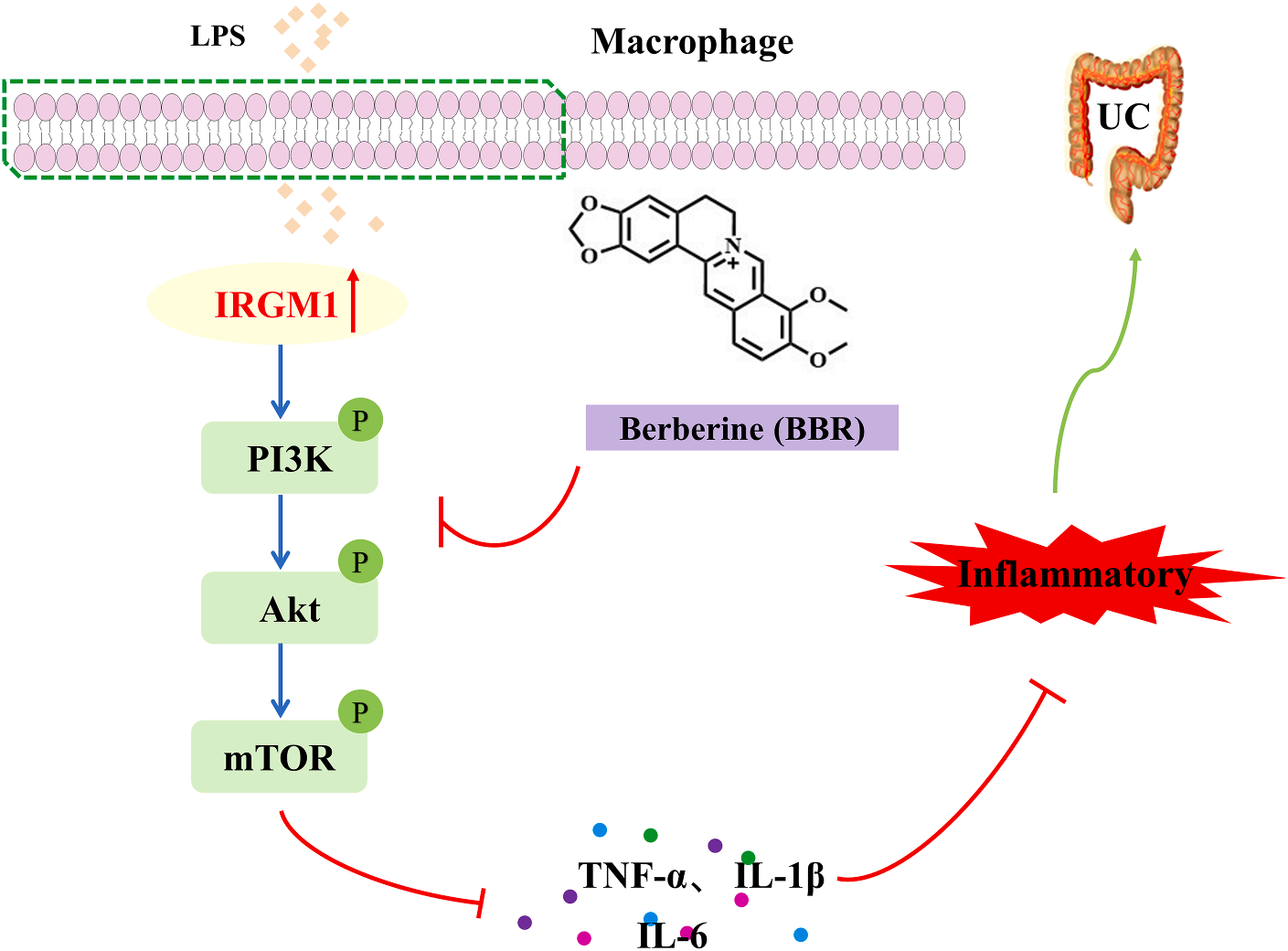
Figure 10 The possible molecular mechanism through which BBR alleviates UC
This study systematically revealed a novel molecular mechanism of berberine in treating ulcerative colitis: targeting IRGM1 directly and exerting anti-inflammatory and intestinal barrier-protective effects by inhibiting the PI3K/AKT/mTOR signaling pathway.
During the research, the application of recombinant protein preparation and high-precision interaction detection technologies was key to successfully identifying and validating IRGM1 as the target. The recombinant IRGM1 protein used in this study was custom-synthesized by KMD Bioscience.
KMD Bioscience can efficiently express target proteins in various host cell systems, providing services such as Mammalian Protein Expression, Prokaryotic Protein Expression, and Cell-free Expression. These services ensure products with high purity, stability, and biological activity, fully meeting diverse customer application needs.

- Protein Platform
- Protein Expression Services
- Protein Modification & Detection Services
- Protein Interaction Services
- Protein Purification Service
- Antibody Discovery Platform
- VHH Antibody Platform
- Phage Display Platform
- Antibody Humanization Platform
- Single B Cell Screening Platform
- Antibody Expression & Validation Platform
- Peptide Library Platform
- Custom Antibody Platform
- Innovative Drug Discovery Platform
- Product Center
- Proteins
- Antibodies
- Raw Materials Reagents
- Small Molecule Reagents
- Peptide Products
- Nanoparticle Products
- Contact Us
- Phone:400-621-6806
- Mobile:13110936064(WeC
- E-mail:[email protected]
- Address:Room 108, Building 10, No. 6 Hechang Road, Wuqing Development Zone, Tianjin City
-

WeChat
-

Service Account
-
 400-621-6806
 -
 3599163699
 -
 Monday to Friday 9:00-18:00
 -

-
 0
0
-
