


On the Development of Bispecific Aptamers
- 2026-05-14
- 290
I. Overview of Bispecific Aptamers
Bispecific aptamers are artificially synthesized nucleic acid molecules rationally designed or selected to bind two distinct targets with high affinity and specificity. In addition to retaining the high affinity and specificity characteristic of traditional monospecific aptamers, they exhibit synergistic and multivalent effects, enabling efficient and specific interactions with two binding sites. Structurally, they typically consist of two independent target recognition domains or utilize ingeniously designed nucleic acid secondary/tertiary structures to form a single composite binding interface, allowing simultaneous or sequential recognition of two binding sites. As molecular bridges, they can integrate signal amplification, multiplex detection, and targeted drug delivery strategies, thereby enhancing detection sensitivity, diversifying target recognition, and promoting drug enrichment at target sites through synergistic effects.
II. Development Strategies and Principles
The development of bispecific aptamers primarily follows two technical pathways: rational design and in vitro selection. Rational design involves assembling known monospecific aptamer sequences using tandem, circular, or branched nucleic acid scaffolds, with rigid/flexible linkers regulating the spatial orientation and freedom of binding domains. In vitro selection employs strategies such as alternating target screening, parallel screening, or counter-selection to directly identify bispecific sequences from synthetic nucleic acid libraries. The fundamental principle is to construct a nucleic acid three-dimensional structure accommodating two target-binding interfaces while optimizing linker length and rigidity between binding domains to minimize steric hindrance and achieve synergistic binding effects. During construction, biophysical tools like surface plasmon resonance (SPR) are used to validate dual-target binding, followed by truncation optimization and mutagenesis to obtain minimal functional sequences.
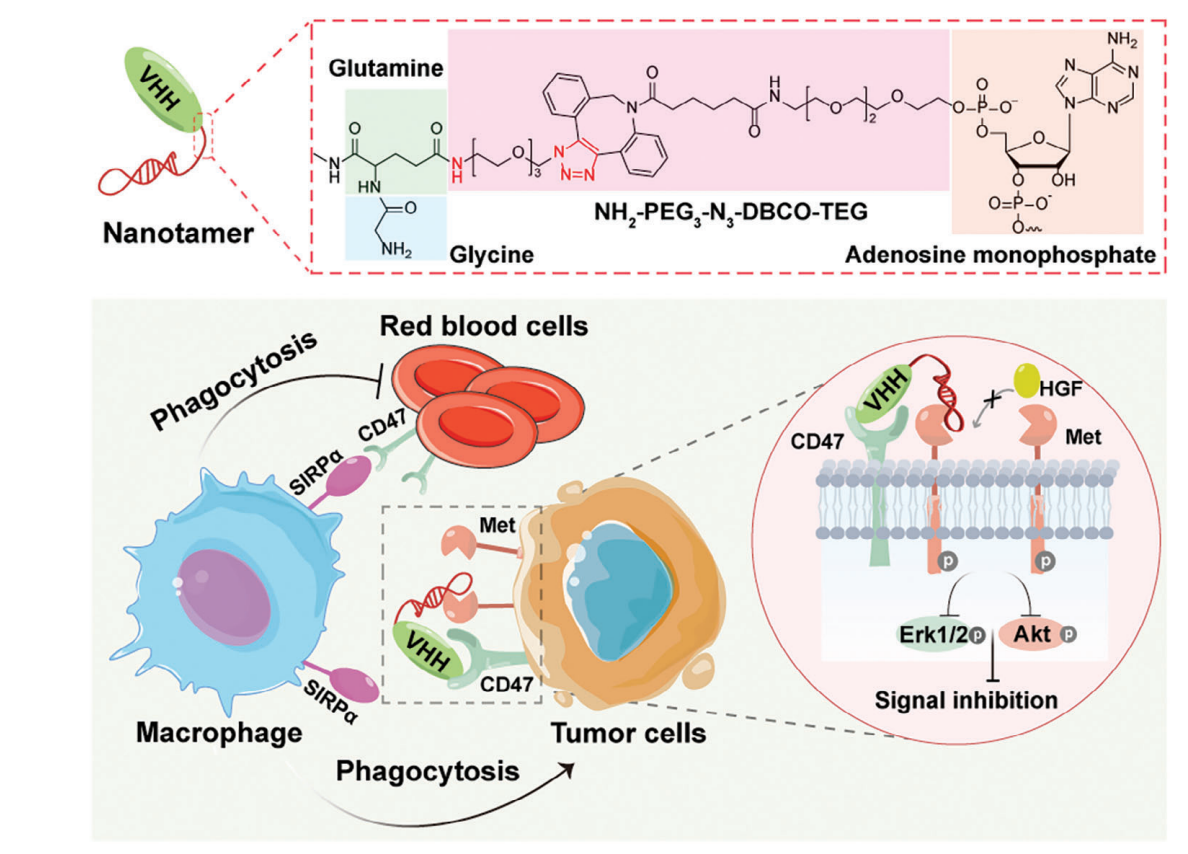
Fig 1. Mechanism of Bispecific Aptamer in Cancer Therapeutics
III. Structural Feature Analysis
The structural characteristics of bispecific aptamers are defined by their sophisticated nucleic acid three-dimensional conformations, which consist of two independent target recognition domains connected via structural scaffolds or linkers. Recognition domains may adopt classic secondary structures such as hairpins, G-quadruplexes, or pseudoknots, with their spatial arrangement and relative orientation determining dual-target binding capability. The length and rigidity of linkers must be precisely designed to balance the required synergy and flexibility between binding domains. Some bispecific aptamers may achieve cross-reactive recognition of two targets through a single binding interface. Structural stability depends on cation concentration (K+, Mg2+) and the incorporation of modified bases. Conformational dynamics can be analyzed using techniques such as circular dichroism (CD), small-angle X-ray scattering (SAXS), and Förster resonance energy transfer (FRET). These structural features collectively provide the molecular basis for simultaneous binding to two distinct targets and triggering synergistic effects.
IV. Targeting Synergistic Mechanisms
The targeting synergy of bispecific aptamers arises from their dual specificity and the spatial organization and dynamic assembly of their molecular structures. When a bispecific aptamer engages two targets simultaneously, three synergistic mechanisms come into play:
1) Spatial Proximity Synergy: The physical bridging of two targets significantly increases local effective concentration, forming a functionally stable yet structurally reversible ternary complex.
2) Allosteric Synergy: Binding to the first target induces conformational changes in the aptamer, optimizing the second binding site and enhancing affinity for the second target.
3) Functional Synergy: One domain binds to a tumor cell surface marker while the other recruits immune effector cells or delivers therapeutic agents, enabling targeted killing or drug delivery. These mechanisms collectively position bispecific aptamers as novel molecular tools for advanced diagnostics and therapeutics.
V. In Vitro Screening Technologies
The development of bispecific aptamers primarily relies on in vitro selection techniques (SELEX), employing strategies such as alternating target selection, parallel screening, and counter-selection to achieve dual-target specificity. Specifically, random nucleic acid libraries are sequentially or simultaneously incubated with both target molecules, followed by enrichment of sequences capable of binding both targets. Negative selection steps eliminate non-specific binders. Advanced screening platforms-including microfluidic chips, capillary electrophoresis- SELEX, and cell-SELEX-enhance efficiency and specificity. Real-time monitoring techniques like surface plasmon resonance (SPR) evaluate binding affinity and specificity throughout the process. Enriched sequences undergo high-throughput sequencing and bioinformatic analysis to identify candidate bispecific aptamers, which are then refined through truncation and mutagenesis to optimize structure and function.
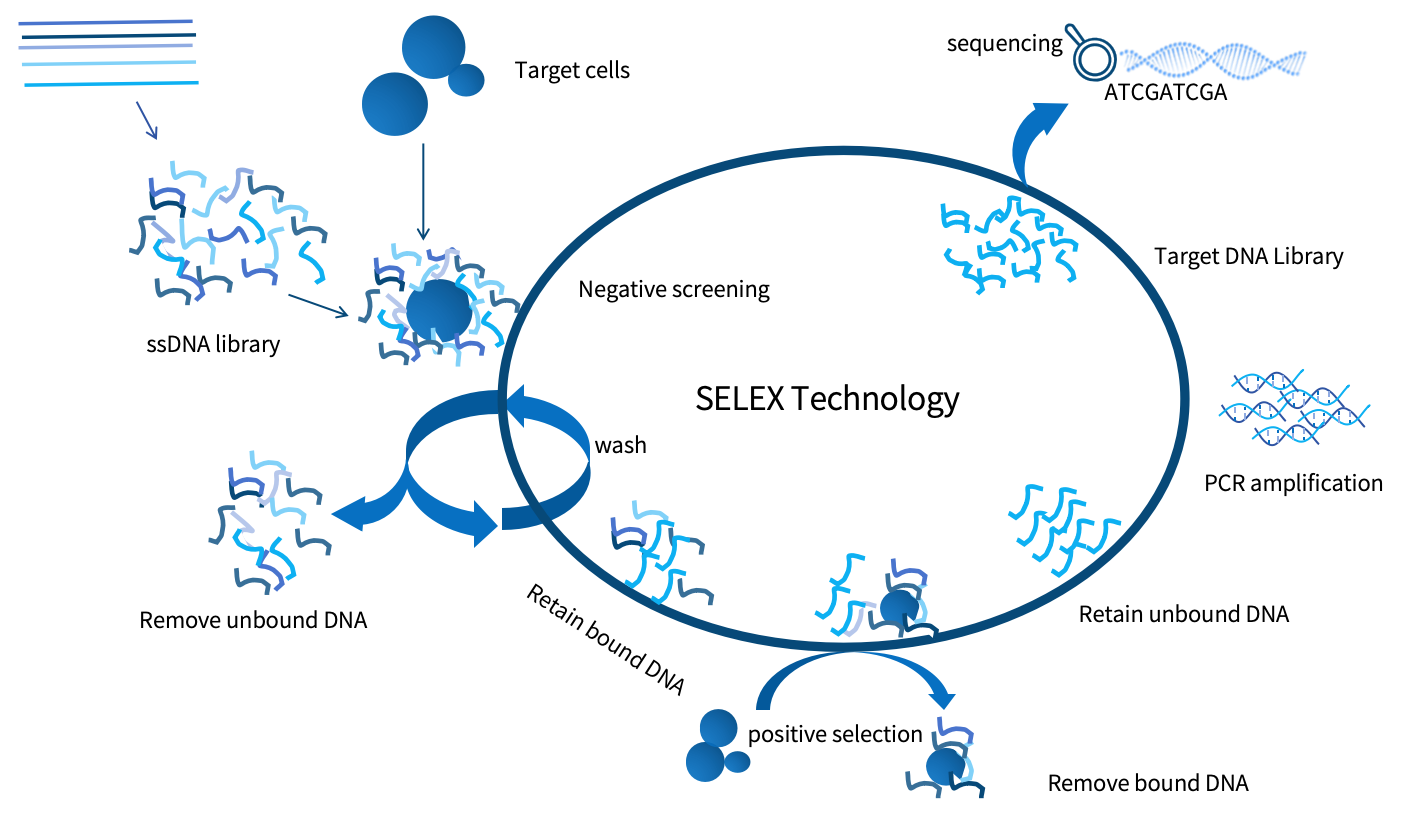
Fig 2. Workflow for Bispecific Aptamer Screening(https://www.kmd-bioscience.cn/innovative-drug-discovery-platform/aptamer-screening-service.html)
KMD Bioscience possesses robust technological and platform capabilities for bispecific aptamer development. Leveraging advanced nucleic acid synthesis and modification platforms, high-throughput SELEX systems, and specialized structural analysis technologies (SPR, CD, ITC), we offer end-to-end solutions—from target screening and rational design to in vitro selection and functional validation. With extensive project experience, we tailor optimal development strategies for diverse applications and deliver innovative, reliable bispecific aptamer services. Contact us to learn more!
[1] Thomas BJ, Porciani D, Burke DH. Cancer immunomodulation using bispecific aptamers. Mol Ther Nucleic Acids. 2022; 27: 894-915.
[2] Sun W, Zhang H, Xie W, et al. Development of Integrin-Facilitated Bispecific Aptamer Chimeras for Membrane Protein Degradation. J Am Chem Soc. 2024; 146(37): 25490-25500.
[3] Zhou P, Zhang S, Li L, et al. Targeted degradation of VEGF with bispecific aptamer-based LYTACs ameliorates pathological retinal angiogenesis. Theranostics. 2024; 14(13): 4983-5000.
- Bispecific Aptamers
- Nucleic Acid Structural Engineering

- Protein Platform
- Protein Expression Services
- Protein Modification & Detection Services
- Protein Interaction Services
- Protein Purification Service
- Antibody Discovery Platform
- VHH Antibody Platform
- Phage Display Platform
- Antibody Humanization Platform
- Single B Cell Screening Platform
- Antibody Expression & Validation Platform
- Peptide Library Platform
- Custom Antibody Platform
- Innovative Drug Discovery Platform
- Product Center
- Proteins
- Antibodies
- Raw Materials Reagents
- Small Molecule Reagents
- Peptide Products
- Nanoparticle Products
- Contact Us
- Phone:400-621-6806
- Mobile:13110936064(WeC
- E-mail:[email protected]
- Address:Room 108, Building 10, No. 6 Hechang Road, Wuqing Development Zone, Tianjin City
-

WeChat
-

Service Account
-
 400-621-6806
 -
 3599163699
 -
 Monday to Friday 9:00-18:00
 -

-
 0
0
-
