


An Overview of the Applications and Future Perspectives of Cell-SELEX
- 2026-05-14
- 318
Nucleic acid aptamers are single-stranded DNA or RNA molecules obtained through complex screening techniques like SELEX. They possess unique folded structures that enable them to bind with high affinity and high specificity to specific targets, functioning like a precise "molecular key." Targets can range from small ions to large, intact living cells. Compared to traditional antibodies, nucleic acid aptamers exhibit significant advantages in terms of chemical stability and ease of modification. These characteristics make them more conducive to large-scale production and standardized application, holding immense development potential in both biomedical and industrial fields.
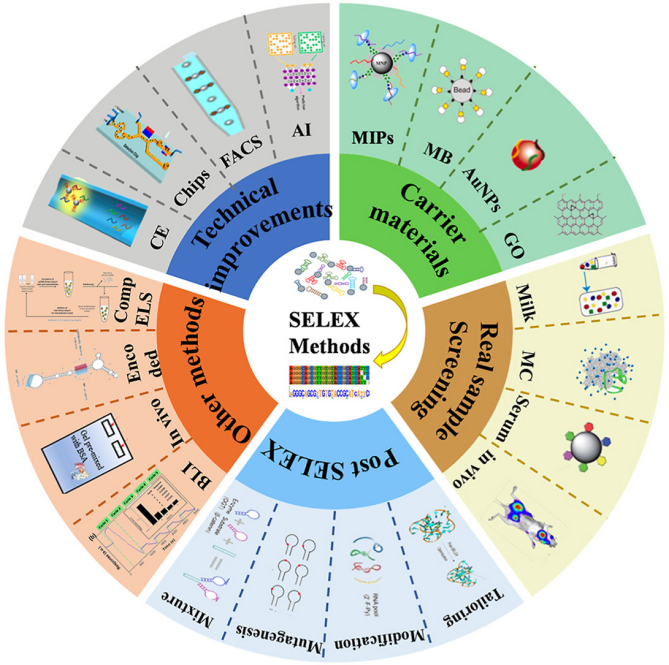
Figure 1: Full-process Analysis of SELEX Technology
I. Precise Diagnosis: The "Molecular Insight" for Understanding Disease
In disease diagnosis, aptamers are opening new frontiers with their precision, capable of accurately capturing and binding to trace disease markers in blood or other body fluids. Aptamer sensors developed based on this provide highly specific and sensitive detection methods for early tumor diagnosis and rapid detection of infectious diseases. For example, aptamers targeting CTCs or specific surface markers of certain exosomes are significant for liquid biopsy, offering novel non-invasive or minimally invasive pathways for early cancer detection and dynamic monitoring.
The advantage of aptamer diagnostics also lies in their flexible design and programmability. Aptamers readily integrate with nanomaterials and signal components such as fluorescent materials and photoelectronic devices to form integrated detection platforms. This "pocket-sized" aptamer design saves testing time, reduces detection requirements, and enhances diagnostic efficiency.
II. Targeted Therapy: "Intelligent Missiles" Striking Lesions
The arena where aptamers perform "precision strikes" is in therapeutic applications. Selected aptamers capable of specifically binding to receptors on cancer cells can directly act as tumor inhibitors, blocking the transmission of oncogenic signals and preventing their occurrence or metastasis. The most exciting application lies in aptamer-based drug delivery systems. By attaching aptamers as "targeting ligands" to drug carriers such as liposomes or polymeric nanoparticles, the engineered drugs gain the ability to target diseased cells. This system encapsulates drugs and delivers them to pathological sites in patients, enabling directional and controllable drug release. It significantly enhances therapeutic efficacy while minimizing toxic side effects on healthy tissues, offering new hope for treating major diseases like cancer.
III. Drug Delivery: "Precision Delivery" Penetrating Barriers
Aptamers possess certain application advantages regarding biological barriers. Traditional drugs are limited by natural barriers like the blood-brain barrier (BBB), hindering effective penetration into the central nervous system for disease treatment. In contrast, aptamers targeting transport receptors on the BBB have the potential to act as "keys" for barrier penetration. Aptamers or their modified nanocarriers can actively "hijack" endogenous transport systems, effectively and safely delivering therapeutic agents into the brain, offering novel therapeutic strategies for conditions like brain tumors and neurodegenerative diseases.
Smart aptamer delivery systems further enhance the environmental adaptability of the delivery platform. By designing aptamer sequences or incorporating environmentally responsive materials, the system can achieve site-specific drug release triggered by local conditions at the pathological site, such as pH, enzymes, or redox status. This spatiotemporal controllability is a crucial technological approach for increasing the effective drug concentration and duration of action at the target site. Consequently, it improves therapeutic efficacy while reducing systemic drug toxicity and side effects.
IV. Future Outlook: The Era of "Aptamer+" with Boundless Possibilities
Profound changes are occurring in aptamer screening and application technologies. While the traditional SELEX procedure is cumbersome and time-consuming, emerging technologies such as Microfluidic SELEX, Cell-SELEX, and high-throughput sequencing bioinformatics analysis are dramatically improving screening efficiency and success rates. These advancements also endow aptamers with more complex targeting capabilities. The advent of automated, integrated screening platforms further facilitates the transition of aptamers from the lab to application.
Looking ahead, the fusion and innovation of "Aptamer+" will continuously expand its application boundaries. The integration of aptamers with gene editing tools, mRNA vaccine technology, advanced biomaterials, and artificial intelligence foreshadows the emergence of more powerful theranostic platforms, smarter in vivo imaging probes, and even programmable synthetic biology systems. These interdisciplinary collisions will not only profoundly transform the biomedicine field but are also expected to spawn breakthrough applications in multiple areas vital to the national economy and people's livelihood, such as environmental monitoring, food safety, and even biomanufacturing, contributing unique forces to human health and technological advancement.
[1] Zhu C, Feng Z, Qin H, et al. Recent progress of SELEX methods for screening nucleic acid aptamers. Talanta. 2024 Jan 1;266(Pt 1):124998.
[2] Zhou J, Rossi J. Aptamers as targeted therapeutics: current potential and challenges. Nat Rev Drug Discov. 2017 Mar;16(3):181-202.
[3] Sefah K, Shangguan D, Xiong X, O'Donoghue MB, Tan W. Development of DNA aptamers using Cell-SELEX. Nat Protoc. 2010 Jun;5(6):1169-85.
[4] Brito AMM, Oliveira V, Icimoto MY, Nantes-Cardoso IL. Collagenase Activity of Bromelain Immobilized at Gold Nanoparticle Interfaces for Therapeutic Applications. Pharmaceutics. 2021 Jul 27;13(8):1143.
FAQ
Q1: How long does it typically take to screen for a functional nucleic acid aptamer? Is this process complex?
Screening for a high-affinity, high-specificity nucleic acid aptamer indeed requires a significant investment of time and effort. The traditional SELEX process usually takes several weeks to months, encompassing multiple rounds of selection, amplification, and binding affinity testing. The complexity arises from several factors: First, the initial random library contains a vast number of sequences (1014 to 1015 distinct molecules), making finding the "optimal solution" akin to finding a needle in a haystack. Second, for complex targets, the selection conditions require meticulous design to mimic the real physiological environment, ensuring the selected aptamers are truly effective in the intended application scenario. Finally, candidate aptamers post-selection require rigorous validation and optimization. However, the development of automated platforms, microfluidics, and high-throughput sequencing (HTS) is significantly shortening this cycle while continuously improving efficiency and success rates.
Q2: As a drug or diagnostic tool, would the production cost of a nucleic acid aptamer be higher than that of an antibody?
From a large-scale production perspective, nucleic acid aptamers generally offer potential cost advantages. Antibodies require production within living biological systems—a process that is complex, time-consuming, costly, and can suffer from batch-to-batch variability. In contrast, nucleic acid aptamers are chemically synthesized DNA or RNA molecules. Once an effective sequence is identified, it can be produced on a large scale using standardized, highly automated solid-phase synthesis technology—much like synthesizing PCR primers or gene fragments. This chemical synthesis approach is not only fast, high-yield, and offers excellent batch-to-batch consistency but also eliminates the need for complex cell culture and purification facilities. Furthermore, raw material costs are relatively low. Therefore, for large-scale applications, aptamers are more competitive in terms of cost control.
Q3: Since aptamers can bind targets precisely, can they act directly as drugs themselves, or are they only useful for delivering other drugs?
Nucleic acid aptamers hold significant promise in both roles! On one hand, aptamers can act directly as therapeutic molecules (antagonists). By binding with high affinity and specificity to key pathogenic proteins (such as growth factors, inflammatory cytokines, or receptors) and blocking their function, they can interfere with disease signaling pathways to achieve therapeutic effects. The first approved aptamer drug, Pegaptanib, is a direct example; it treats eye disease by blocking VEGF. On the other hand, aptamers are exceptionally well-suited to act as "precision navigators." They can be designed to activate specific receptor pathways or, more commonly, conjugated to the surface of nanomedicine carriers. This enables the entire drug delivery system to function like a guided missile, relying on the aptamer's "navigation" to precisely locate diseased cells. This increases drug concentration at the target site while minimizing damage to healthy tissue. Thus, aptamers are both potential "stand-alone" drugs and excellent "team players" guiding delivery systems.
Q4: Aptamers are so small; if used for drug delivery, can they carry enough drug to the target? How efficient is it?
Due to their small molecular weight, it is indeed challenging for aptamers themselves to carry large quantities of drug molecules directly. However, their core strength lies in their precise targeting ability, not their drug payload capacity. Therefore, aptamer-mediated drug delivery typically employs a "combinatorial strategy": the aptamer acts as the "targeting head" and "key," responsible for recognizing the target cell and potentially facilitating internalization. The task of carrying the therapeutic payload is assigned to the "cargo compartment" it is attached to—usually carriers like liposomes, polymeric nanoparticles, or even virus-like particles. These carriers inherently possess large drug-loading capacities. The aptamer precisely guides the entire "delivery train" to the target, significantly improving the accumulation efficiency of the drug at the disease site. Studies show that compared to non-targeted conventional nanomedicines or free drugs, aptamer-targeted delivery systems can effectively deliver several-fold to tens of times more drug into target tissues or cells. This substantial enhancement in therapeutic efficacy is the core demonstration of their efficiency.

- Protein Platform
- Protein Expression Services
- Protein Modification & Detection Services
- Protein Interaction Services
- Protein Purification Service
- Antibody Discovery Platform
- VHH Antibody Platform
- Phage Display Platform
- Antibody Humanization Platform
- Single B Cell Screening Platform
- Antibody Expression & Validation Platform
- Peptide Library Platform
- Custom Antibody Platform
- Innovative Drug Discovery Platform
- Product Center
- Proteins
- Antibodies
- Raw Materials Reagents
- Small Molecule Reagents
- Peptide Products
- Nanoparticle Products
- Contact Us
- Phone:400-621-6806
- Mobile:13110936064(WeC
- E-mail:[email protected]
- Address:Room 108, Building 10, No. 6 Hechang Road, Wuqing Development Zone, Tianjin City
-

WeChat
-

Service Account
-
 400-621-6806
 -
 3599163699
 -
 Monday to Friday 9:00-18:00
 -

-
 0
0
-
