


An Overview of Aptamer Library Construction
- 2026-05-14
- 394
Nucleic Acid Aptamer
Nucleic acid aptamers are single-stranded DNA or RNA molecules obtained through in vitro selection. They bind to proteins, cells, or small molecules. Compared to traditional antibodies, nucleic acid aptamers offer advantages including high specificity, strong affinity, excellent stability, and ease of modification. With continuous advancements in technology and medicine, nucleic acid aptamers have become a research hotspot in the biomedicine field. However, the success of all applications begins with an efficient nucleic acid aptamer selection process. The outcome of this selection critically depends on the quality and diversity of the Nucleic Acid Aptamer Library. Thus, the scientific construction of Nucleic Acid Aptamer Library is the primary task for developing high-performance nucleic acid aptamers.
Nucleic Acid Aptamer Library Construction
The essence of Nucleic Acid Aptamer Library construction is to create ultra-large-scale collections of random nucleic acid sequences. A typical Nucleic Acid Aptamer Library contains 10^14 to 10^15 molecules. Its structure consists of a core randomized region flanked by fixed primer regions on both sides. The nucleotides in the randomized region are arranged without rules, forming a vast "sequence space," while the primer regions must ensure the stability of PCR amplification.
The scientific rigor of this process is primarily reflected in the nucleic acid aptamer sequence design. The length of the randomized region requires flexible adjustment based on target characteristics: it is typically 30-40 nucleotides for small molecule targets, which are structurally more compact; whereas for protein binding sites, it is 60-80 nucleotides to accommodate complex conformations. Bases are usually present in equal proportions; however, when developing therapeutic nucleic acid aptamers, modified pyrimidine nucleotides are often introduced to enhance nuclease resistance. Primer region design necessitates avoiding secondary structure traps; GC content must be strictly controlled between 40%-60% and the length must be no less than 18 nucleotides to ensure annealing specificity.
Solid-phase chemical synthesis technology undertakes the mission of transforming the design blueprint into a physical LIBRARY. Post-synthesis quality control is also critically important. First, Next-Generation Sequencing (NGS) is used to assess the actual complexity. Subsequently, Polyacrylamide Gel Electrophoresis (PAGE) purification is employed to remove truncated fragments. Ultimately, a sufficient quantity of a nucleic acid library with abundant sequence space can be obtained. The ingenious conception in nucleic acid aptamer sequence design, coupled with the rigorous execution of synthesis quality control, provides dual assurance for constructing high-quality Nucleic Acid Aptamer Library.
Nucleic Acid Aptamer Selection
Once LIBRARY construction is complete, nucleic acid aptamer selection begins. The classic SELEX technique employs multiple rounds of "binding-separation-amplification" cycles. This process, akin to molecular-level enrichment, progressively enriches high-affinity sequences. Typically, 8 to 15 rounds of selection are required. Each round reduces the number of sequences, gradually converging towards the target ligand.
To address the selection demands of complex biological samples, advanced nucleic acid aptamer selection technologies have emerged. Magnetic Bead-based SELEX immobilizes the target on magnetic carriers, significantly increasing operational throughput. Capillary Electrophoresis SELEX utilizes electric field separation technology to precisely identify ligands with weak binding affinity. Cell-SELEX enables direct selection on the surface of living cells, maximizing the retention of native conformation and post-translational modification information. The recently developed Microfluidic Platform further reduces reagent consumption to the microscale, allowing high-throughput screening of precious clinical samples.
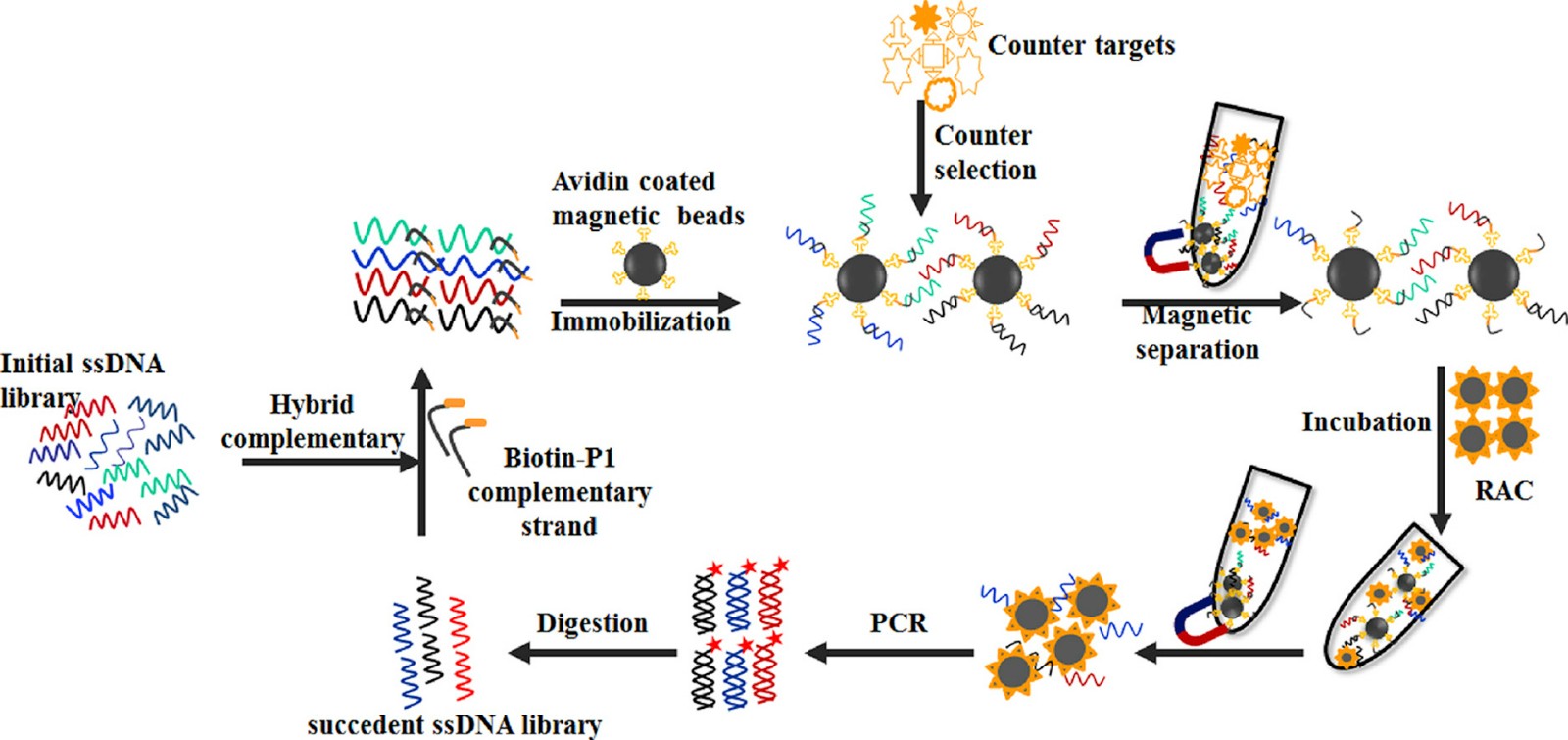
Figure 1. Nucleic Acid Aptamer Selection
Nucleic Acid Aptamer Library Construction is far more than simple oligonucleotide synthesis. Every step is crucial, and its quality directly determines the efficiency of nucleic acid aptamer selection and the performance of the ultimately obtained nucleic acid aptamers. Ingenious nucleic acid aptamer sequence design is the soul of constructing a high-diversity, low-bias library as an indispensable cornerstone for powerful nucleic acid aptamer screening technologies, a well-constructed initial library is the cornerstone for discovering high-performance nucleic acid aptamers.
However, current library construction still faces several technical challenges. These include: base mismatches during long-fragment synthesis potentially overstating complexity; PCR amplification bias possibly leading to the loss of potentially advantageous sequences; and the introduction of modified nucleotides potentially increasing the difficulty of enzymatic reactions, among others. Leveraging its independently built Ultra-High-Throughput Oligonucleotide Synthesis Platform, KMD Bioscience can deliver customized libraries with complexity up to 10^14. Its open architecture ensures seamless compatibility with cutting-edge methods like Cell-SELEX and Microfluidic Screening, providing partners with an end-to-end solution spanning from nucleic acid aptamer sequence design to the delivery of functional ligands.
[1] Zhu C, Feng Z, Qin H, et al. Recent progress of SELEX methods for screening nucleic acid aptamers. Talanta. 2024 Jan 1;266(Pt 1):124998.
[2] Santosh B, Yadava PK. Nucleic acid aptamers: research tools in disease diagnostics and therapeutics. Biomed Res Int. 2014;2014:540451.
[3] Cho M, Xiao Y, Nie J, et al. Quantitative selection of DNA aptamers through microfluidic selection and high-throughput sequencing. Proc Natl Acad Sci U S A. 2010 Aug 31;107(35):15373-8.
[4] Ozer A, Pagano JM, Lis JT. New Technologies Provide Quantum Changes in the Scale, Speed, and Success of SELEX Methods and Aptamer Characterization. Mol Ther Nucleic Acids. 2014 Aug 5;3(8):e183.
[5] Duan N, Gong W, Wu S, Wang Z. An ssDNA library immobilized SELEX technique for selection of an aptamer against ractopamine. Anal Chim Acta. 2017 Apr 8;961:100-105.
Q1. What is the molecular mechanism of aptamer-target binding?
A1
The single-stranded structure of aptamers folds into complex three-dimensional conformations (such as G-quadruplexes and hairpin structures), exposing specific chemical groups and spatial topologies on their surface, which interact with targets through multiple forces. These forces include: electrostatic attraction, hydrogen bond networks, van der Waals forces, and hydrophobic interactions. The binding process follows the "Conformational Selection Model"—the target locks onto the most stable binding state from the dynamic conformational library of the aptamer. For example, the thrombin aptamer HD1 inserts into the fibrin-binding site of the enzyme through two TT loops, forming 17 hydrogen bonds and 4 hydrophobic contacts to achieve ultra-high affinity. Notably, high affinity often depends on a slow dissociation rate rather than a fast association rate.
Q2. How does aptamer conformational diversity affect screening efficiency?
A2
The dynamic equilibrium of aptamer conformations is both an advantage and a challenge. In solution, single-stranded nucleic acids can switch between multiple conformations on a microsecond timescale, which broadens the range of potential binding states but also results in functional conformations possibly accounting for less than 1%. Buffer components significantly influence conformational distribution: magnesium ions can stabilize the planar structure of G-quadruplexes, while sodium ions promote stem-loop formation. If screening conditions do not match the stability requirements of functional conformations, high-potential sequences may be missed. To optimize efficiency, a "conformational prescreening" strategy is needed: resetting the conformational library through temperature-variable annealing or adding cofactors to block non-specific folding. Studies have shown that pre-folding can reduce the number of selection rounds for Mycobacterium tuberculosis aptamers from 15 to 8.
Q3. How do chemical modifications overcome the limitations of natural nucleic acids?
A3
The phosphodiester bonds of natural nucleic acids are easily cleaved by serum nucleases (with a half-life of only a few minutes), requiring chemical modifications to improve stability.
Backbone Engineering: Phosphorothioate (PS) replaces the oxygen atom in the phosphate group with a sulfur atom, increasing nuclease resistance by 100-fold but potentially reducing binding affinity.
Base Modification: 2'-fluoro/methoxy modification of the 2'-hydroxyl group of ribose can both resist RNase degradation and enhance target binding through hydrophobic interactions.
Terminal Capping: 3'-inverted deoxythymidine (3'-idT) or cholesterol modification at the 3' end can block exonuclease attack, extending the half-life to >24 hours.
However, modifications may alter the charge distribution and folding energy barrier of aptamers, requiring re-optimization of selection pressure. For example, in the screening of phosphorothioate libraries, the Mg²⁺ concentration needs to be increased from 5 mM to 10 mM to compensate for the loss of folding stability.
Q4. Do aptamer screening technologies without PCR amplification exist?
A4
To avoid PCR-introduced biases, three types of amplification-free technologies are being developed. In vitro transcription selection: directly using a double-stranded DNA library as a template, transcribing to generate an RNA aptamer library with T7 RNA polymerase, and after binding, converting the target RNA into cDNA with reverse transcriptase for sequencing, thereby avoiding base mismatches during DNA amplification. Nanopore single-molecule detection: using platforms such as Oxford Nanopore, when aptamer-target complexes pass through the nanopore, they cause characteristic current blockade signals, enabling direct enrichment of high-affinity sequences without amplification. Microfluidic droplet sorting: encapsulating individual aptamer molecules and targets in 10 pL water-in-oil droplets; if binding occurs, a fluorescent signal is activated, and positive droplets are sorted using a Fluorescence-Activated Cell Sorter (FACS). For example, the MIT-developed Drop-SELEX platform can screen 10^9 molecules in a single round, compressing the cycle time from several months to 72 hours.

- Protein Platform
- Protein Expression Services
- Protein Modification & Detection Services
- Protein Interaction Services
- Protein Purification Service
- Antibody Discovery Platform
- VHH Antibody Platform
- Phage Display Platform
- Antibody Humanization Platform
- Single B Cell Screening Platform
- Antibody Expression & Validation Platform
- Peptide Library Platform
- Custom Antibody Platform
- Innovative Drug Discovery Platform
- Product Center
- Proteins
- Antibodies
- Raw Materials Reagents
- Small Molecule Reagents
- Peptide Products
- Nanoparticle Products
- Contact Us
- Phone:400-621-6806
- Mobile:13110936064(WeC
- E-mail:[email protected]
- Address:Room 108, Building 10, No. 6 Hechang Road, Wuqing Development Zone, Tianjin City
-

WeChat
-

Service Account
-
 400-621-6806
 -
 3599163699
 -
 Monday to Friday 9:00-18:00
 -

-
 0
0
-
