


Rabbit Anti-Arabidopsis thaliana TOC75 pAb
Catalog Number PA12651
Alias
Size 50 µL, 100 µL
Photosynthesis-related proteins are key functional-protein sets participating in the entire process of light capture, light conversion, photosynthetic carbon assimilation, and photosynthate transport—the energy basis of the green biogeochemical cycle, holding a central position in crop-yield improvement, light-use-efficiency enhancement, and artificial-photosynthesis research. These proteins include: photosystem II reaction-center and antenna pigment proteins (D1/PsbA, D2/PsbD, CP43 and CP47 core antenna complexes PsbC/PsbD, Lhcb1–Lhcb6 light-harvesting complexes); photosystem I reaction-center and electron-transport proteins (PsaA/PsaB core, PSI antenna Lhca1–Lhca5, ferredoxin Fd, ferredoxin reductase FNR, cytochrome b6f complex PetA/PetB/PetC); photosynthetic electron transport and proton-gradient coupling components (plastoquinone PQ, plastocyanin PC, ATP synthase CF0-CF1 CPa and cFc subunits); key carbon-assimilation enzymes (Rubisco large subunit rbcL and small subunit rbcS, Rubisco activase, 3-phosphoglycerate dehydrogenase, malate dehydrogenase, pyruvate phosphate dikinase); C4 and CAM carbon-concentration enzymes (PEP carboxylase, pyruvate and peptide transporters, NADP-malic enzyme, PEP carboxykinase, carbonic anhydrase CA); chloroplast photoprotection and photo-regulation systems (PsbS, NPQ proteins, STN7 and STN8 kinases, D1 repair and Psb27, zeaxanthin and violaxanthin and ZEP); and photosynthate export and sugar metabolism (sucrose phosphate synthase SPS, sucrose transporter SUT, triose phosphate translocator TPT, starch synthase and phosphorylase AGPase). Photosynthesis-related targets hold a key position and broad prospects in improving crop yield, light-use efficiency, stress and drought/salt tolerance, and photosynthetic biofactories and synthetic biology.
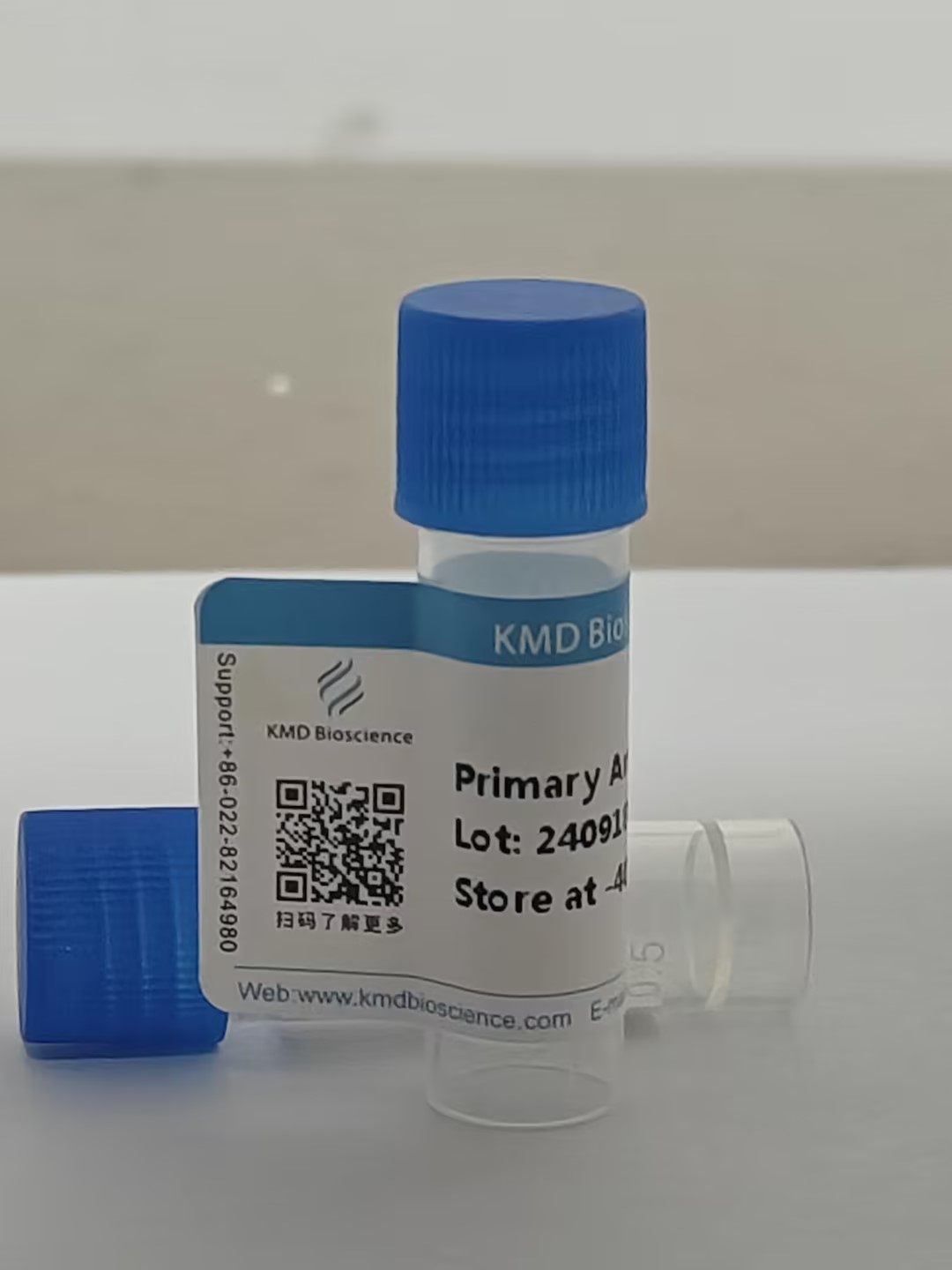
Catalog Number PA12651
Alias
Size 50 µL, 100 µL
Catalog Number PA12279
Alias
Size 50 µL, 100 µL
Catalog Number PA12278
Alias
Size 50 µL, 100 µL
Catalog Number PA12277
Alias
Size 50 µL, 100 µL
Catalog Number PA12266
Alias
Size 50 µL, 100 µL
Catalog Number PA12257
Alias
Size 50 µL, 100 µL
Catalog Number PA12246
Alias
Size 50 µL, 100 µL
Catalog Number PA12242
Alias
Size 50 µL, 100 µL
Catalog Number PA12241
Alias
Size 50 µL, 100 µL
Catalog Number PA12234
Alias
Size 50 µL, 100 µL



Service Account


 0
