


Alpaca IgG1 Native Protein
Catalog Number TKPA108
Alias Alpaca IgG1 Native Protein, IgG1, Alpaca Immunoglobulin Isotype-1, alpaca control antibody, alpaca isotype control
Size 1mg,5mg,10mg
Isotype-control and immunoglobulin molecules are a standardized set of antibody molecules used as controls and blocking references in immunological experiments, mainly for establishing specificity and non-specific signal controls, blocking non-specific binding sites, and serving as species-specific controls in flow cytometry, immunofluorescence, immunohistochemistry, and ELISA systems; they typically have very low or no antigen specificity, but share the exact species origin, immunoglobulin subtype, and labeling method with the experimental primary antibody, ensuring strict comparability of staining intensity, fluorescence distribution, and background level between control and experimental groups. These molecules include: mouse isotype-control IgG (IgG1, IgG2a, IgG2b, IgG3, IgM, IgA) and rabbit IgG, rat IgG, and other conventional isotype-control IgG with fluorophores (FITC, PE, APC, PerCP, BV, PE-Cy5, AF series) and enzyme labels (HRP, alkaline phosphatase AP); humanized and chimeric control IgG (human IgG1, IgG2, IgG3, IgG4, κ and λ light-chain combinations, universal Fc-blocking human IgG); ordinary IgG and human IgG molecules as negative binding controls not recognized by target antigens; and blocking antibodies and human IgG molecules for blocking Fc receptors (FcγR) and Human Fc Binding Block functions. Isotype controls/immunoglobulins have fundamental and key methodological significance in detection-method specificity and background verification, inter-batch consistency comparison, and clinical-diagnostic-reagent validation.
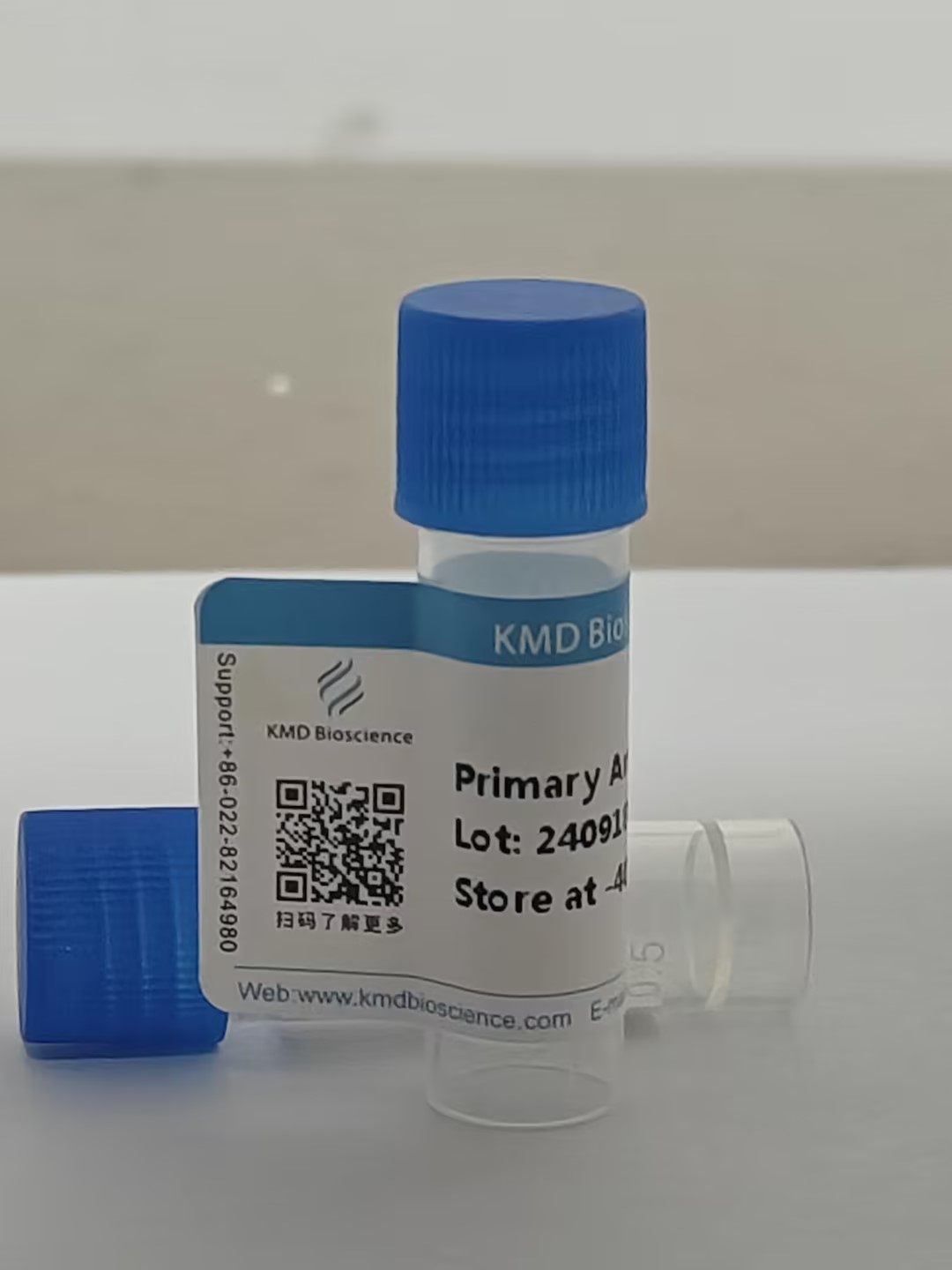
Catalog Number TKPA108
Alias Alpaca IgG1 Native Protein, IgG1, Alpaca Immunoglobulin Isotype-1, alpaca control antibody, alpaca isotype control
Size 1mg,5mg,10mg
Catalog Number TKPA106
Alias Alpaca IgG3 Native Protein, IgG3, Alpaca Immunoglobulin Isotype-3, alpaca control antibody, alpaca isotype control
Size 1mg,5mg,10mg
Catalog Number TKPA105
Alias Alpaca IgG2 Native Protein, IgG2, Alpaca Immunoglobulin Isotype-2, alpaca control antibody, alpaca isotype control
Size 1mg,5mg,10mg
Catalog Number TKPA101
Alias Alpaca IgG Native Protein, alpaca control antibody, alpaca isotype control
Size 1mg,5mg,10mg
Catalog Number MA1567
Alias
Size 100 µg, 500 µg, 1mg



Service Account


 0
