


Comprehensive Guide to Bovine Neutralizing Antibody Production Process
- 2026-07-10
- 286
1. What Are Neutralizing Antibodies?
Neutralizing antibodies (NAbs) are a specialized class of antibodies that can specifically bind to bacterial toxins, pathogens (such as viruses), or their byproducts, thereby neutralizing their harmful effects. When pathogenic microorganisms invade a host, the immune system produces corresponding antibodies. Neutralizing antibodies work by binding to antigens on the surface of viruses, directly blocking viral attachment to host cell receptors and preventing viral entry into cells.Additionally, antibodies that bind to specific proteins and inhibit their biological functions may also be referred to as neutralizing antibodies.
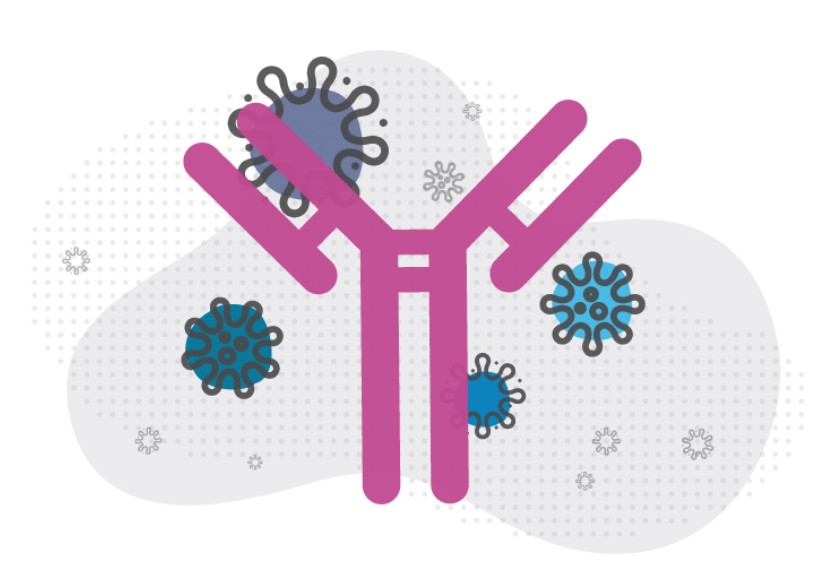
Figure 1: Neutralizing Antibodies
2. How Neutralizing Antibodies Work
Neutralizing antibodies (NAbs) can prevent pathogens from infecting the human body by interfering with the way surface molecules of the pathogens enter host cells. In enveloped viruses (thermosensitive viral cells within a lipid membrane), neutralizing antibodies block viral attachment to cells and subsequent viral entry. In non-enveloped viruses (a type of heat-resistant viral cell lacking a lipid membrane), neutralizing antibodies can bind to capsid proteins, which are the protein shells enclosing the genetic material of the viral cell.
Neutralizing antibodies can also aggregate pathogens and alter their structure and shape (known as conformational changes) to prevent their entry into cells and replication inside them. In bacterial infections, neutralizing antibodies can inhibit the harmful effects of toxins. This has been demonstrated in diphtheria treatments, although they are no longer recommended for preventing diphtheria infections. Once a pathogen is neutralized by NAbs, it is degraded by white blood cells, filtered by the spleen, and eventually excreted from the body through urine or feces.
3. Applications of Neutralizing Antibodies
A common medical use of neutralizing antibodies is passive immunization. In this process, individuals who lack immunity to a disease receive antibodies from those already immune to it. While this protection is not long-lasting, it provides immediate defense against infection. In the first few months after birth, passive immunity can be naturally transferred to infants through breastfeeding.
Neutralizing antibodies are also utilized in vaccination, known as active immunization. Vaccines are designed to mimic the body’s natural immune response to infection by introducing either weakened or inactivated forms of a virus/bacteria or their components. This stimulates the immune system to produce neutralizing antibodies against the pathogen in the vaccine. If the person is exposed to the pathogen again, these antibodies will recognize and combat the infection naturally.
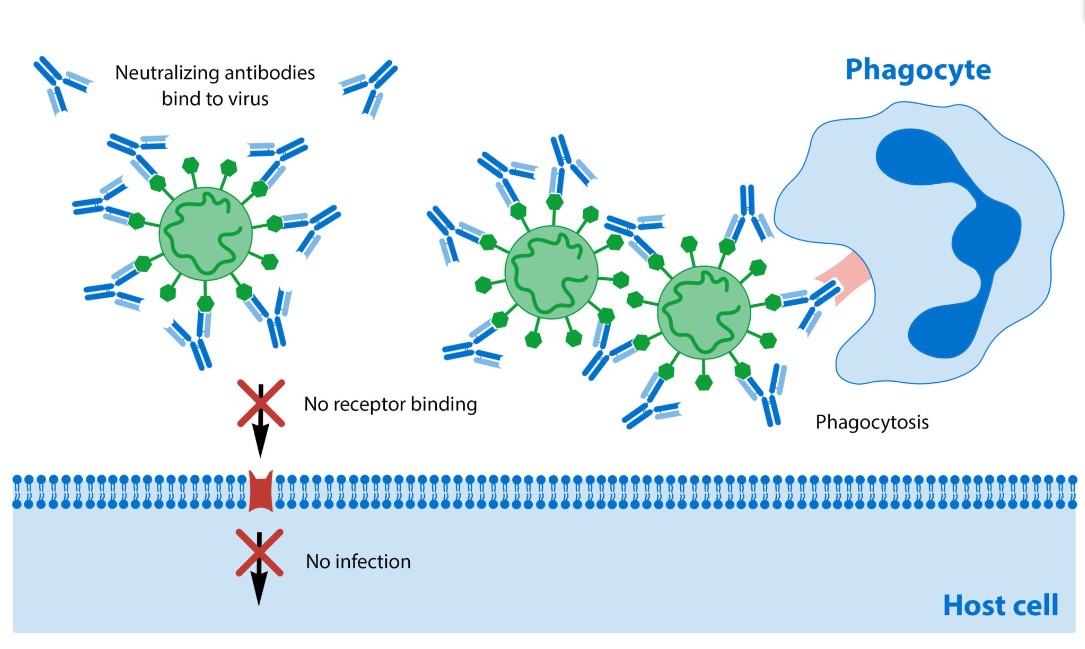
Figure 2: Mechanism of Neutralizing Antibodies Against SARS-CoV-2
4. Preparation Methods of Neutralizing Antibodies
Currently, various methods are available for the preparation of neutralizing antibodies, including hybridoma technology, phage display technology, and antibody humanization.
5. KMD Bioscience Provides High-Quality Bovine Neutralizing Antibody Preparation Services
KMD Bioscience offers neutralizing antibody preparation services that exclusively accept viral samples. Taking bovine neutralizing antibody preparation as an example, the main experimental workflow includes: antigen preparation, animal immunization, bovine antiserum collection, antibody purification, titer testing, and final serum delivery to clients.
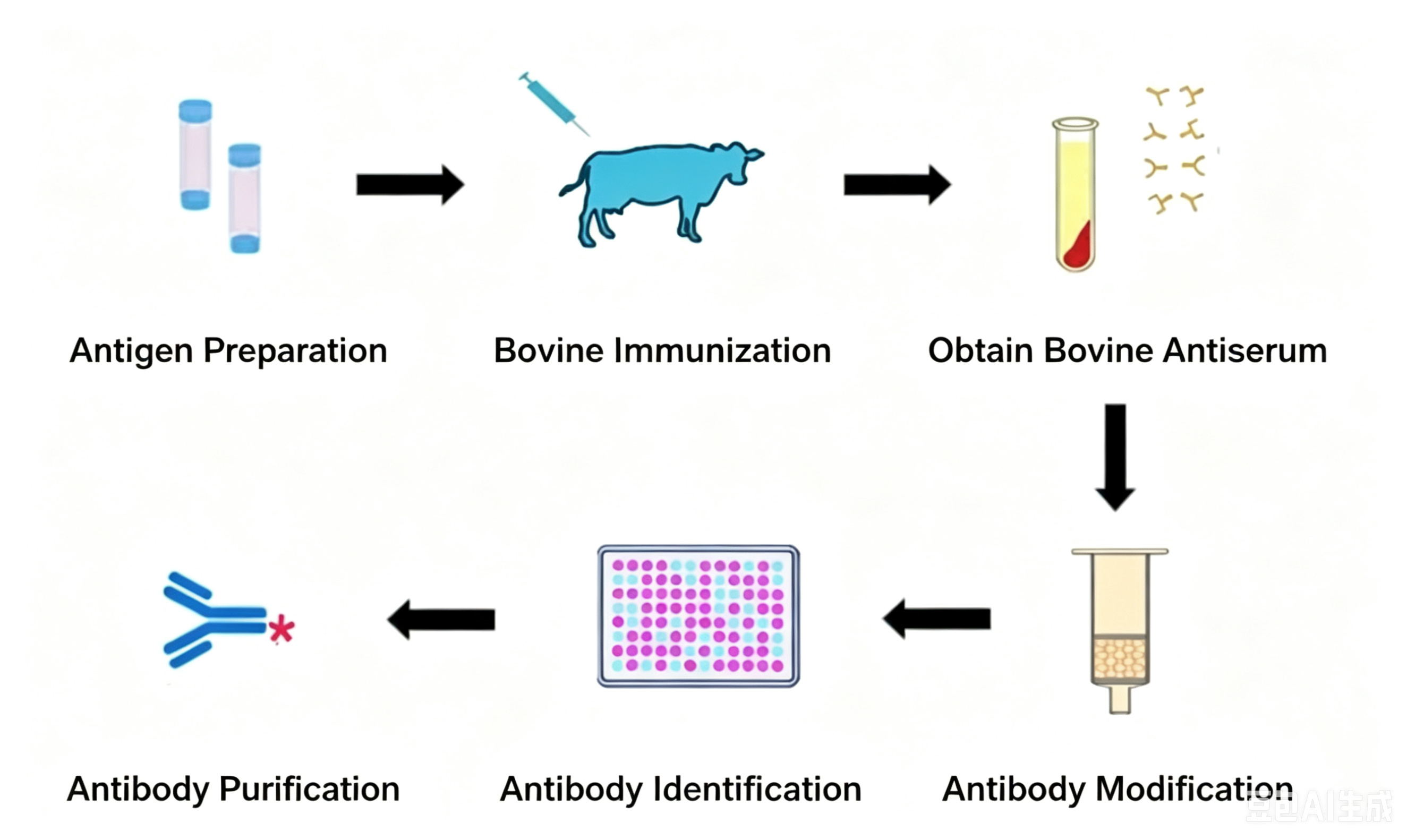
Figure 3: Preparation Process of Bovine Neutralizing Antibodies
5.1 Antigen Information
Clients are required to provide purified virus as the immunogen.
5.2 Bovine Immunization
Healthy cattle aged 24 months are selected for immunization. The immunization protocol involves 4-5 intramuscular injections, with each dose being 5 mL, administered according to the immunization schedule outlined in Table 1.
Table 1: Bovine Immunization Schedule
| Process | Time | Description | Date |
| Negative Serum Collection | Day 0 | Collect 10 mL of pre-immunization serum | ****** |
| First Immunization | Day 1 | Intramuscular injection of 5 mL immunogen | ****** |
| Second Immunization | Day 14 | Intramuscular injection of 5 mL immunogen | ****** |
| Third Immunization | Day 28 | Intramuscular injection of 5 mL immunogen | ****** |
| Post-Third Immunization Serum Collection | Day 35 | Collect 30 mL serum and send to the client | ****** |
| Fourth Immunization | Day 42 | Intramuscular injection of 5 mL immunogen | ****** |
| Post-Fourth Immunization Serum Collection | Day 49 | Collect 10 mL test serum to measure neutralizing antibody titer | ****** |
| Fifth Immunization (Optional) | Day 56 | Intramuscular injection of 5 mL immunogen | ****** |
| Post-Fifth Immunization Serum Collection | Day 63 | Collect 10 mL test serum to measure neutralizing antibody titer | ****** |
Final Serum Collectio | Day 73 | If neutralizing antibody titer reaches 1:1024, collect 2.5-3.5 L bovine serum | ****** |
5.3 Obtaining Bovine Antiserum
High-stability antibody serum is obtained.
5.4 Antibody Purification
Multiple antibody purification techniques are employed, including Protein A, Protein G, and antigen-affinity purification, among other options available for customer selection.
5.5 Neutralization Titer Assay
(1) Take the antibody sera from the third and fourth immunizations, respectively, and dilute each serum sample 8-fold with complete 1640 medium to obtain the test stock solution. Then, perform serial two-fold dilutions of the test stock solution with complete 1640 medium up to a 2048-fold dilution (i.e., dilutions of: 16-fold, 32-fold, 64-fold, 128-fold, 256-fold, 512-fold, 1024-fold, and 2048-fold). This results in a total of nine test serum dilutions, including the stock solution.
(2) Mix 100 μL of each diluted serum concentration with 100 μL of virus, then add 800 μL of cell culture medium. After mixing, incubate the mixture in a 37°C water bath for 1 hour.
(3) Add 0.1 mL of the serum-virus mixture to each well of a 96-well cell culture plate containing a monolayer of 293T cells. Each dilution is inoculated into 8 wells. Simultaneously, set up 8 wells for normal cell controls and 8 wells for virus controls.
(4) Place the 96-well cell culture plate in a 37°C, 5% CO₂ incubator and observe daily for cytopathic effects (CPE).
(5) Sterilization treatment: Centrifuge the serum at 12,000 rpm for 20 minutes, then filter it through a 0.45 μm membrane, and finally sterilize it under a laminar flow hood using a 0.22 μm sterile filter membrane to obtain sterile serum.
5.6 Serum Delivery
Up to 5L of bovine antibody serum can be delivered on a large scale.
Neutralizing antibodies play a crucial role in the development of antiviral drugs and vaccine production. KMD Bioscience offers high-specificity and high-affinity neutralizing antibody preparation services, including bovine neutralizing antibodies and murine neutralizing antibodies, which have been successfully customized for numerous clients. Equipped with a well-established protein and antibody platform, we are committed to supporting your scientific research endeavors.
- Neutralizing Antibody Production
- Bovine Neutralizing Antibody Production
- Neutralizing Antibody Production Process

- Protein Platform
- Protein Expression Services
- Protein Modification & Detection Services
- Protein Interaction Services
- Protein Purification Service
- Antibody Discovery Platform
- VHH Antibody Platform
- Phage Display Platform
- Antibody Humanization Platform
- Single B Cell Screening Platform
- Antibody Expression & Validation Platform
- Peptide Library Platform
- Custom Antibody Platform
- Innovative Drug Discovery Platform
- Product Center
- Proteins
- Antibodies
- Raw Materials Reagents
- Small Molecule Reagents
- Peptide Products
- Nanoparticle Products
- Contact Us
- Phone:400-621-6806
- Mobile:13110936064(WeC
- E-mail:[email protected]
- Address:Room 108, Building 10, No. 6 Hechang Road, Wuqing Development Zone, Tianjin City
-

WeChat
-

Service Account
-
 400-621-6806
 -
 3599163699
 -
 Monday to Friday 9:00-18:00
 -

-
 0
0
-
