


Popular Science of Small Molecule Antigens
- 2026-07-10
- 301
A hapten, also known as an incomplete antigen, refers to a small molecule that cannot induce an immune response on its own—meaning it lacks immunogenicity. However, when conjugated (typically via covalent bonds) to a macromolecular carrier such as a protein or non-antigenic polylysine, it gains immunogenicity and can then trigger an immune response.Although haptens alone are not immunogenic, they exhibit immunoreactivity (antigenicity) once bound to a protein carrier or high-molecular-weight polymer. Small-molecule compound antigens are the most classic examples of haptens. Common haptens include polysaccharides, lipids, nucleic acids, as well as certain small-molecule compounds and drugs.
Preparation of Small Molecule Antigens:
To generate antibodies against small molecule haptens, certain structural requirements must be met. The small molecule should possess a degree of complexity or rigidity, such as containing benzene rings, heterocyclic groups, or branched structures. Otherwise, it may be difficult to produce antibodies, or the resulting antibodies may have low titers.
Some small molecule haptens with active groups (e.g., -COOH, -NH2, -OH) can be conjugated to carrier proteins to prepare complete artificial antigens. However, if the hapten lacks functional groups that can directly form covalent bonds with the carrier, or if the existing active groups are critical for maintaining the hapten's immunogenicity and characteristic structure, or if direct conjugation to the carrier protein may interfere with the hapten's structural integrity due to the carrier's local microchemical environment or steric hindrance—thereby affecting the immune response—then the hapten must be redesigned and chemically modified to produce a derivatized hapten.
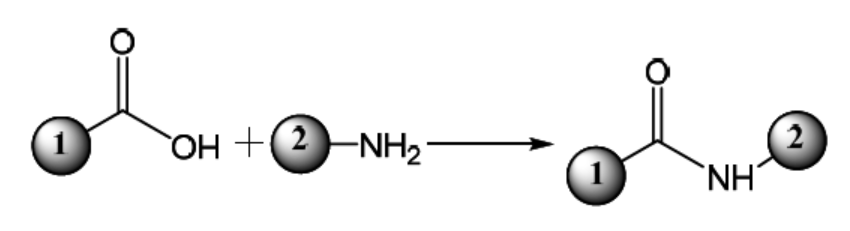
Figure 1. Schematic diagram of the conjugation principle.
Common Methods for Structural Modification of Small Molecule Antigens:
1. Succinic anhydride method: Compounds containing hydroxyl groups in their molecular structure are modified to introduce carboxyl groups.
2. Carboxymethyl hydroxylamine method or p-aminobenzoic acid method: Carbonyl-containing compounds are modified to introduce hydroxyl groups.
3. Sodium chloroacetate method or diazotization method (reaction with sodium nitrite under acidic conditions): Phenolic hydroxyl compounds are modified to introduce carboxyl groups.
4. Mannich method: Amine-containing compounds are modified to introduce amino groups.
Common carriers:
1. Keyhole Limpet Hemocyanin (KLH)
Keyhole limpet hemocyanin is a copper-containing protein found in arthropods and mollusks, with a molecular weight ranging from 4.5×10⁵ to 1.3×10⁷ Da. KLH exhibits high immunogenicity and is the most commonly used carrier protein, making it an ideal carrier for mammalian hosts (e.g., rabbits and mice). However, KLH has poor solubility in water, forming a flocculent suspension, though this does not affect its immunogenicity.
2. Bovine Serum Albumin (BSA)
Bovine serum albumin is a protein extracted from bovine plasma and is one of the most stable and highly soluble albumins available. It has a molecular weight of 6.7×10⁴ Da and contains 59 lysine residues in its structure. BSA is a commonly used carrier for weakly immunogenic compounds. Due to its relatively small size and high water solubility, BSA is frequently employed in immunoassays. However, since BSA is often used to block nonspecific binding sites in antibody-based assays (e.g., ELISA), using antibodies against hapten-BSA conjugates may lead to false-positive results.
3. Ovalbumin (OVA)
Ovalbumin is a protein isolated from egg whites, with a molecular weight of 45×10³ Da. OVA is typically used as an alternative carrier to confirm that antibodies are specific to the hapten rather than the carrier protein.
Applications of Small Molecule Antigen Antibodies:
* Rapid detection of small molecule compounds;
* Detection of disease-related metabolic intermediates and monitoring of blood drug concentrations;
* Food residue testing;
* Drug abuse detection, doping control, etc.
The synthesis of small molecule antigens with excellent immunogenicity is a prerequisite and key step for conducting drug residue, environmental pollutant, and related detection. KMD Bioscience's small molecule platform provides antibodies and related services with sensitivity at trace residue levels for food safety monitoring and biological product testing.With extensive experience in the conjugation and preparation of small molecule antigen-antibodies, we can modify or synthesize derivatives of small molecule compounds according to clients' specific requirements. We offer haptens with different linker arms or complete antigens conjugated with various carrier proteins.
- Small molecule antigens/antibodies
- monoclonal antibody production
- hapten preparation
- small molecule antigen antibody preparation

- Protein Platform
- Protein Expression Services
- Protein Modification & Detection Services
- Protein Interaction Services
- Protein Purification Service
- Antibody Discovery Platform
- VHH Antibody Platform
- Phage Display Platform
- Antibody Humanization Platform
- Single B Cell Screening Platform
- Antibody Expression & Validation Platform
- Peptide Library Platform
- Custom Antibody Platform
- Innovative Drug Discovery Platform
- Product Center
- Proteins
- Antibodies
- Raw Materials Reagents
- Small Molecule Reagents
- Peptide Products
- Nanoparticle Products
- Contact Us
- Phone:400-621-6806
- Mobile:13110936064(WeC
- E-mail:[email protected]
- Address:Room 108, Building 10, No. 6 Hechang Road, Wuqing Development Zone, Tianjin City
-

WeChat
-

Service Account
-
 400-621-6806
 -
 3599163699
 -
 Monday to Friday 9:00-18:00
 -

-
 0
0
-
