


Introduction to Recombinant Chimeric Antibody Expression
- 2026-07-10
- 426
Chimeric antibodies were the first genetically engineered antibodies successfully researched and developed. They are produced by splicing the variable region genes of murine monoclonal antibodies with the constant region genes of human antibodies via DNA recombination technology. The resulting recombinant gene is then cloned into an appropriate expression vector and transfected into a suitable cell line to express the chimeric antibody.Chimeric antibody technology effectively reduces the murine-derived components while retaining high specificity and affinity. This significantly enhances the diversity of genetically engineered antibodies and greatly shortens both operational and R&D cycles.An increasing number of scientists are building upon human-mouse chimeric antibodies to further advance antibody humanization and affinity maturation, aiming to develop therapeutic antibodies with low immunogenicity, high affinity, and strong specificity. As a result, the in vitro recombinant expression of chimeric antibodies has become a crucial part of drug-target antibody development.
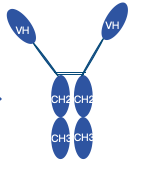
Figure 1: Schematic diagram of the basic structure of a chimeric antibody
1. Expression of Chimeric Antibodies
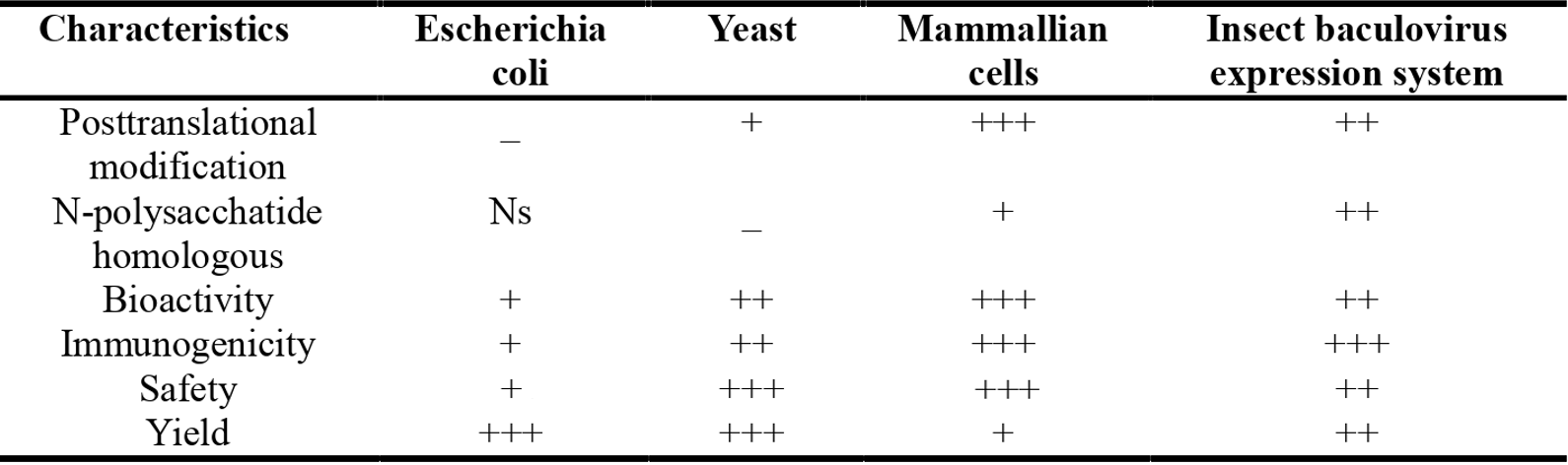
The biological activity of genetically engineered antibodies varies significantly across different expression systems, not only in terms of yield but also in the functionality of the expressed products. Therefore, selecting an appropriate expression system is crucial for genetically engineered antibodies. Table 1.1 summarizes the characteristics of different expression systems.The mammalian cell expression system enables proper protein folding and assembly during expression, along with post-translational modifications. Compared to eukaryotic expression systems, proteins expressed in mammalian cells exhibit higher biological specificity, greater stability, and enhanced drug resistance. These advantages make mammalian cells an ideal platform for the expression of recombinant chimeric antibodies at KMD Bioscience.
Table 1.1 – Comparison of Different Expression Systems
2. Design of Recombinant Chimeric Antibodies
Recombinant chimeric antibodies are a type of genetically engineered antibody. The process involves artificially modifying antibody-encoding genes through gene recombination and protein engineering technologies, followed by transfection into appropriate host cells to ultimately obtain expressed antibody molecules. By combining the variable region (Fab) genes from murine antibodies with the constant region (Fc) genes from human antibodies, chimeric antibodies can be expressed in cell expression systems. This antibody design strategy can be applied to mammalian cell expression systems such as Chinese Hamster Ovary (CHO), NS0, and 293F.However, recombinant chimeric antibodies can sometimes be challenging to express. Factors such as Fc region selection, vector design and optimization, and host cell choice must be carefully considered, requiring a well-designed expression strategy.
2.1 Selection of Fc Region in Chimeric Antibodies
The biological activity of recombinant chimeric antibodies is determined by both the antigen-binding fragment (Fab) and the crystallizable fragment (Fc). The Fc region plays a critical role by binding to Fc receptors (FcRs) on various effector cells, thereby mediating diverse antibody effector functions. The table below summarizes the distinct functional properties of Fc regions derived from different sources.
Table 1.2 Comparison of Fc Regions from Different Sources
Source | Composition | Function |
IgG | A dimer, formed by the connection of the C-terminals (constant regions) of two heavy chains. | Binds to Fcγ receptors, thereby mediating various immune effects. |
IgM | Typically exists as a pentamer. | Interacts with multiple Fc receptors, offering unique advantages in pathogen clearance and complement activation. |
IgA | Formed by the connection of the C-terminals of two heavy chains. | Binds to FcRn on mucosal epithelial cells, facilitating transport and protection in mucosal immunity. |
IgE | Formed by the connection of the C-terminals of two heavy chains. | Binds to Fcε receptors on mast cells and eosinophils, mediating the occurrence of allergic reactions. |
IgD | Formed by the connection of the C-terminals of two heavy chains. | Binds to the Fcμ receptor on B cells, regulating B-cell activation and differentiation. |
2.2 Selection of Vectors
An appropriate vector can enhance the expression level of the target protein in cells, as well as improve its biological activity and immunogenicity. In mammalian cell expression systems, the vectors used can be classified into viral vectors and non-viral vectors. Viral vectors, constructed through genetic engineering techniques, offer a more reliable delivery pathway. They enable rapid and stable transmission of exogenous genes within cells, thereby ensuring more accurate genetic information transfer. However, due to the compact size and limited capacity of viral vectors, if the size of the exogenous gene exceeds the vector's carrying capacity, the packaging outcome may become unreliable.Non-viral vectors, on the other hand, possess advantages such as high loading capacity, lack of immunogenicity, ease of large-scale production, and convenient storage. As a result, their applications are becoming increasingly widespread.
2.2.1 Viral Vectors
(1) Retroviruses are vastly different from ordinary RNA viruses. Their DNA fragments do not undergo any form of self-replication. Instead, they rely on the transcription of RNA fragments to form cDNA, followed by the integration of DNA fragments, ultimately embedding into the chromatin of host cells. This allows the specific genes of the virus to be transcribed into the cells, and through mitosis, these specific viral characteristics are transferred to the next generation of cells.
(2) Lentiviral vectors are modified vectors based on HIV-1. They consist of one expression plasmid and multiple helper plasmids. By co-transfecting these plasmids with 293T cells, viral packaging is achieved. The recombinant virus then invades host cells, enabling the target gene to be inserted in a random yet stable manner, thereby achieving rapid and stable expression.
(3) Adenoviruses possess unique DNA-encoding characteristics. They can interact with the CAR receptor on the cell surface, leading to viral infection of the cells. Their genes are not fully encoded but are instead dispersed onto the cell surface, utilizing the cell's transcription, expression, and other processes to complete viral replication and assembly.
2.2.2 Non-Viral Vectors
When using mammalian cells to obtain recombinant antibodies, the selection of vectors primarily considers promoters, protein tags, and selectable markers.
(1) The "promoter" can be regarded as a key factor for RNA polymerase and certain transcription factors, as it can regulate protein expression and plays an important role in protein expression regulation. In mammalian cell expression systems, common promoters include CMV, SV40, EF1a, and CAG. SV40 has relatively weaker protein expression capability and is therefore less frequently chosen. If the cells used are immune cells, stem cells, etc., plasmids with the EF1a promoter can be selected as the vector.
(2) Protein tagging is achieved by adding a polypeptide or protein sequence to the C-terminus or N-terminus of the target protein. This provides a specific marker for the expressed gene, facilitating better detection, purification, and other procedures. Commonly used tags include His, FLAG, HA, Myc, and GFP.
(3) By using different types of markers, cells expressing specific functional genes can be more accurately identified. These markers include Puromycin, Blasticidin, Neomycin, Zeocin, ZsGreen, EGFP, RFP, and mCherry, which can help us better understand these functions.
2.3 Principles and Considerations for Cotransfection
Transfection is a process that introduces genetic material (such as plasmids) from the external environment into mammalian cells, which can be achieved through either transient transfection or stable transfection. Using genetic engineering techniques, multiple genes can be simultaneously introduced into competent cells, a process known as cotransformation or cotransfection. During cotransfection experiments, two key points should be noted:
(1) The replicons of the two plasmids should be different, as plasmids with identical replicons may exhibit incompatibility;
(2) It is preferable for the plasmids to carry distinct antibiotic resistance markers.
2.4 Chimeric Antibody Purification Techniques
Approximately 70%–80% of antibody purification processes employ Protein A/G affinity chromatography, a technique that enables precise antibody isolation. The binding strength of Protein A to IgG largely depends on the species and subclass of the antibody, whereas Protein G exhibits higher affinity for IgG from most mammals. Therefore, Protein G can be used to purify monoclonal or polyclonal mammalian IgG that does not bind well to Protein A. Following affinity chromatography, high-purity (>95%) antibodies can be obtained from the sample.
3. Advantages of Recombinant Chimeric Antibodies
(1) Reduction of Human Anti-Mouse Antibody (HAMA) reactions;
(2) Diverse antibody options, including types, subtypes, classes and subclasses, domain additions, and glycosylation site modifications, enabling unique antibody efficacy;
(3) The human Fc segment can significantly influence the mechanisms and functions of biological responses.
(4) Chimeric antibodies composed of eukaryotic expression vectors and human antibody constant regions allow the insertion of different murine monoclonal antibody variable regions, shortening development and production cycles;
(5) Relatively simple to manipulate.
KMD Bioscience has established a comprehensive mammalian expression system, including but not limited to FreeStyle 293-F, Expi 293-F, Expi-CHO-K1, and Expi CHO-S cell lines. Combined with KMD Bioscience’s high-expression vectors (featuring a full-length CMV promoter and optimized secretion signal peptide sequences), we are capable of providing clients with high-level expression and preparation of recombinant chimeric antibodies, including but not limited to chimeric antibodies from various species, humanized antibodies, VHH, scFv, Fab, and other types of recombinant antibodies and antibody fusion proteins.Additionally, KMD Bioscience is equipped with a complete set of purification resins and devices from GE, large-scale fermentation capabilities, and a single-use cell fermentation facility for cell culture and protein expression. This enables us to provide clients with high-quality recombinant chimeric antibodies in bulk. Our technology platform integrates fermentation and transformation in a single step, significantly shortening the production cycle.
- Chimeric Antibody
- Recombinant Chimeric Antibody Expression
- Recombinant Antibody
- Recombinant Antibody Expression

- Protein Platform
- Protein Expression Services
- Protein Modification & Detection Services
- Protein Interaction Services
- Protein Purification Service
- Antibody Discovery Platform
- VHH Antibody Platform
- Phage Display Platform
- Antibody Humanization Platform
- Single B Cell Screening Platform
- Antibody Expression & Validation Platform
- Peptide Library Platform
- Custom Antibody Platform
- Innovative Drug Discovery Platform
- Product Center
- Proteins
- Antibodies
- Raw Materials Reagents
- Small Molecule Reagents
- Peptide Products
- Nanoparticle Products
- Contact Us
- Phone:400-621-6806
- Mobile:13110936064(WeC
- E-mail:[email protected]
- Address:Room 108, Building 10, No. 6 Hechang Road, Wuqing Development Zone, Tianjin City
-

WeChat
-

Service Account
-
 400-621-6806
 -
 3599163699
 -
 Monday to Friday 9:00-18:00
 -

-
 0
0
-
