


Endotoxins/Activity/Purity: How to Interpret the Three Key Quality Factors of Recombinant Proteins
- 2026-11-03
- 14
In the vast field of life sciences research, recombinant proteins have become an indispensable core tool—from cell culture media supplements and raw materials for immunoassay reagents to antibody screening targets and research on protein structure and function, virtually every laboratory relies on them. However, faced with the vast array of recombinant protein products on the market, how can one determine their quality? Endotoxins, activity, and purity—these three key terms hold the answer.
This article will break down the three core elements of recombinant protein quality control one by one, helping you truly understand the specifications and make the right choices when purchasing and using these products.
I. Purity
(i) What Is Purity?
Purity is a fundamental measure of recombinant protein quality. Simply put, it refers to the proportion of the target protein in the total protein. Higher purity means fewer foreign proteins—such as contaminating proteins, degradation fragments, and aggregates—and thus less interference with experimental results.
(ii) How to Test Purity
Currently, there are two main methods for purity assessment:
SDS-PAGE electrophoresis: Purity is preliminarily assessed by observing the number and intensity of protein bands. A pure recombinant protein should exhibit a single, distinct band; the fewer the non-specific bands, the higher the purity. In their review, Oliveira et al. noted that SDS-PAGE, size-exclusion chromatography (SEC), and other techniques are classic methods for evaluating protein purity and homogeneity[1].
High-Performance Liquid Chromatography (HPLC): This method can precisely quantify the target protein and detect trace amounts of impurity proteins. Among these, SEC-HPLC (size-exclusion chromatography) can also assess the monomer content and aggregation status of proteins. In a study on the preparation of recombinant human cyclin A, purity was verified to be 95% via SDS-PAGE, and anion-exchange chromatography was used for purification[2]. Furthermore, a study on recombinant human parathyroid hormone demonstrated that, through optimization of the purification process, purity verified by both SDS-PAGE and RP-HPLC could reach over 98%[3].
(iii) What Constitutes a Good Standard?
Research-grade recombinant proteins typically require a purity of over 90%, while high-sensitivity experiments require a purity of 95% or higher. High-quality products in the industry generally guarantee a purity of >95%, with some reaching 98% or higher.
Purchasing Advice: When reviewing a product’s COA (Certificate of Analysis), pay close attention to the purity testing methods (dual verification via SDS-PAGE and HPLC is more reliable) and the specific values. Exercise caution with products labeled only as “high purity” without providing specific data.
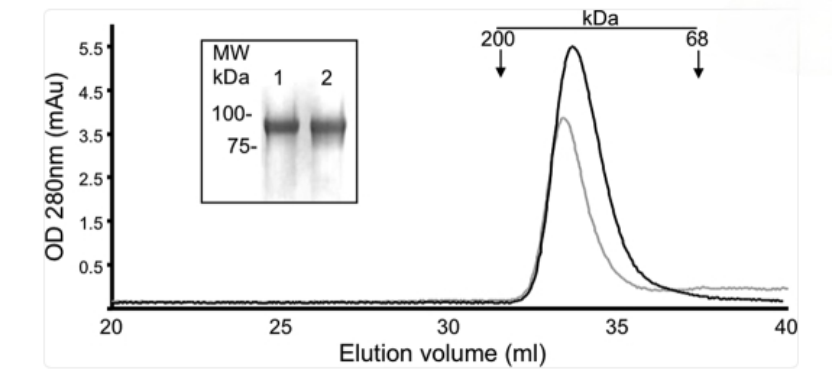
Figure 1: SDS-PAGE Purity Analysis[4]
II. Activity
(i) What Is Activity?
No matter how high the purity, if the protein lacks activity, it is nothing more than a pile of waste. Biological activity is a key indicator of the functional integrity of recombinant proteins; it determines whether the protein can truly perform its intended biological functions.
(ii) How to Test Activity
The method used to assess activity depends on the type of protein:
Cytokine-like proteins: Cell proliferation assays (e.g., cell line-dependent proliferation), chemotaxis assays, or cytotoxicity assays are used, with activity expressed as ED50 (half-maximal effective concentration). ED50 refers to the protein concentration that elicits 50% of the maximum response; a lower value generally indicates higher activity.
Enzyme-like proteins: Catalytic activity is evaluated using enzyme kinetic parameters (e.g., Kcat, Km).
Receptor/antibody-like proteins: Surface plasmon resonance (SPR) or BLI technology is used to measure binding affinity to ligands; the ELISA method can be used to measure antigen-binding capacity.
Functional assays at the cellular level: For cytokines, growth factors, and similar molecules, activity is assessed through cell proliferation/inhibition assays (such as the MTT or CCK-8 assays).
(iii) What Constitutes a Good Standard?
There is no uniform, absolute standard for activity, as the specific activity of different proteins varies greatly. The key points are:
Whether the activity data is verifiable: The COA should provide specific data such as ED50, specific activity (U/mg), or binding affinity (KD value).
Batch-to-batch consistency: High-quality suppliers are able to keep activity fluctuations between different batches within a narrow range.
Purchasing Advice: Do not be misled by marketing claims of “high activity”; be sure to check the specific activity data. For proteins used in cell-based experiments, a lower ED50 typically indicates higher activity.
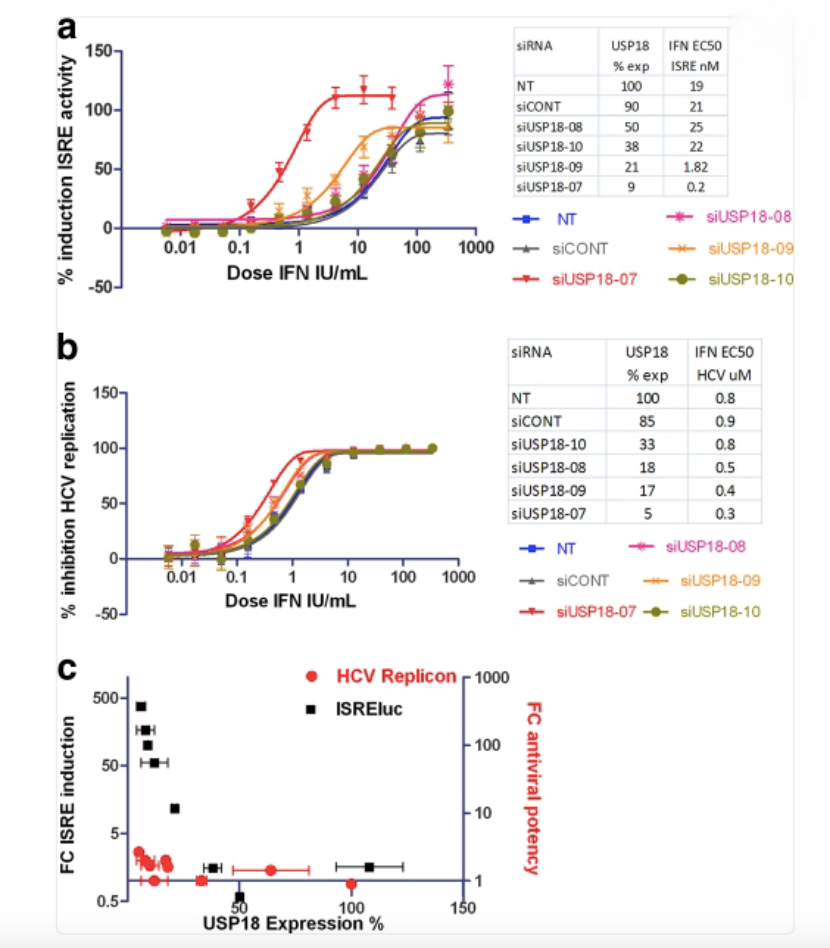
Figure 2: Schematic Diagram of the ED50 Dose-Response Curve[5]
III. Endotoxin
(i) What Is Endotoxin?
Endotoxins are lipopolysaccharide components of the cell walls of Gram-negative bacteria. In recombinant protein production—particularly when using E. coli expression systems—endotoxins are contaminants that must be thoroughly removed. They act like hidden killers in experiments; even though they are invisible to the naked eye, they can severely interfere with cellular experiments, trigger immune responses, and lead to distorted data or even experimental failure. Studies have shown that many commercially available recombinant proteins are produced using E. coli, and most suppliers only guarantee endotoxin levels below 1 EU. However, even trace amounts of endotoxin are sufficient to activate human CD1c+ dendritic cells[6].
(ii) How to Test Endotoxin
Endotoxin testing is primarily based on standard methods outlined in the *Chinese Pharmacopoeia*, the *United States Pharmacopeia* (USP), and the *European Pharmacopoeia* (EP), among others:
Limulus Amebocyte Lysate (LAL) Assay: This is a widely recognized standard testing method, which includes the gel method and the colorimetric method. For more than 40 years, the LAL assay has been the gold standard for bacterial endotoxin testing.
Recombinant Factor C (rFC) method: An emerging animal-free detection method that has been formally incorporated into the pharmacopoeia system.
(iii) What Constitutes a Good Standard?
Depending on experimental requirements, endotoxin levels are classified into different grades:
Level | Endotoxin Content | Applicable Scenarios |
General Level | <1.0 EU/μg | General Biochemistry Laboratory |
Low endotoxin level | <0.1 EU/μg | Cell Function Assays, Primary Cell Culture |
Ultra-low endotoxin level | <0.01 EU/μg | Experiments Involving Extreme Sensitivity to Endotoxins |
The requirements for protein-based drugs intended for injection are even more stringent; proteins used in animal testing must meet endotoxin-free standards[7].
Purchasing Recommendations: If your experiments involve cell culture (especially primary cells) or in vivo injection, be sure to select a product with a low endotoxin level (<0.1 EU/μg). Do not opt for standard-grade products just to save money—the cost of a failed experiment far exceeds the cost of the protein itself.
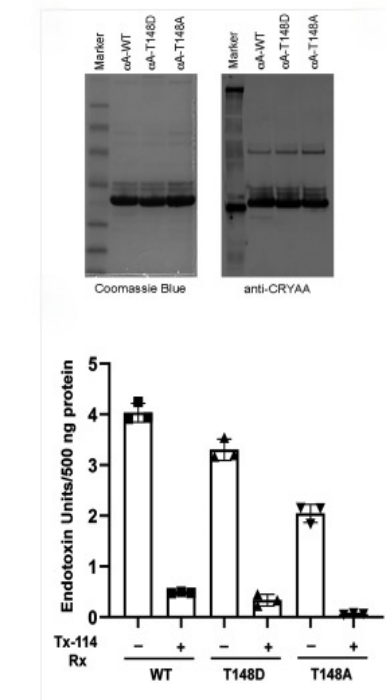
Figure 3: Schematic Diagram of the Combined LAL Endotoxin Assay[8]
IV. All Three Elements are Essential
Purity, activity, and endotoxin together form the “iron triangle” of recombinant protein quality:
Purity determines how “clean” the protein is—the fewer impurities, the less interference.
Activity determines how “useful” the protein is—the higher the activity, the better the effect.
Endotoxin levels determine the protein’s “safety”—the lower the endotoxin levels, the less harm it causes to cells and animals.
A high-quality recombinant protein product should meet the “three highs” criteria: high purity, high activity, and low endotoxin levels.
The ultimate goal of recombinant protein production is to obtain high-quality, pure protein samples. In fact, the success of recombinant protein’s downstream applications depends on its quality[1].
V. About KMD Bioscience
As a specialized supplier in the field of recombinant proteins, KMD Bioscience’s protein expression platform features a variety of recombinant protein expression systems, including prokaryotic, yeast, insect, and mammalian systems. The company has established a comprehensive protein purification system covering both prokaryotic and eukaryotic systems and can provide end-to-end services, including tag removal, lyophilization, endotoxin removal, and fermentation.
In terms of quality control, KMD Bioscience strictly adheres to GMP standards; every batch of product undergoes purity verification via SDS-PAGE and endotoxin testing using the LAL method. The purity of our recombinant protein products is generally ≥95%, and endotoxin levels are controlled at <0.1 EU/μg or even lower. Bioactivity data is verifiable, and product performance remains stable and reliable across batches.
KMD Bioscience consistently adheres to a development philosophy centered on deepening our commitment to research services, continuously providing life science researchers both domestically and internationally with research reagents—such as recombinant proteins and antibodies—that feature stable quality control and batch-to-batch consistency, along with comprehensive, end-to-end technical support. Choosing KMD Bioscience means choosing high-quality, traceable, and trustworthy recombinant protein products.
Understanding the three key factors of recombinant proteins—purity, activity, and endotoxin levels—is essential for every researcher. The next time you purchase recombinant proteins, take a closer look at these three indicators on the COA: Is the purity ≥95%? Is the activity supported by specific data? Does the endotoxin level meet your experimental requirements?
Choosing the right protein is half the battle won in your experiment.
[1]Oliveira C, Domingues L. Guidelines to reach high-quality purified recombinant proteins. Appl Microbiol Biotechnol. 2018 Jan;102(1):81-92. doi: 10.1007/s00253-017-8623-8. Epub 2017 Nov 18. PMID: 29151158.
[2]Kalinina AA, Kolesnikov AV, Kozyr AV, Kulikova NL, Zamkova MA, Kazansky DB, Khromykh LM. Preparative Production and Purification of Recombinant Human Cyclophilin A. Biochemistry (Mosc). 2022 Mar;87(3):259-268. doi: 10.1134/S0006297922030063. PMID: 35526853.
[3]Mollasoltani F, Adak M, Esfahani H, Yasaghi ER, Khanchezar S. A novel chromatography method for high purity production of Recombinant human parathyroid hormone from E. coli. Sci Rep. 2025 Dec 30;16(1):3974. doi: 10.1038/s41598-025-34073-5. PMID: 41469825; PMCID: PMC12855288.
[4]Auton M, Sowa KE, Smith SM, Sedlák E, Vijayan KV, Cruz MA. Destabilization of the A1 domain in von Willebrand factor dissociates the A1A2A3 tri-domain and provokes spontaneous binding to glycoprotein Ibalpha and platelet activation under shear stress. J Biol Chem. 2010 Jul 23;285(30):22831-9. doi: 10.1074/jbc.M110.103358. Epub 2010 May 24. PMID: 20498367; PMCID: PMC2906274.
[5]Murray EJ, Burden F, Horscroft N, Smith-Burchnell C, Westby M. Knockdown of USP18 increases α 2a interferon signaling and induction of interferon-stimulating genes but does not increase antiviral activity in Huh7 cells. Antimicrob Agents Chemother. 2011 Sep;55(9):4311-9. doi: 10.1128/AAC.00644-11. Epub 2011 Jun 27. PMID: 21709085; PMCID: PMC3165365.
[6]Schwarz H, Schmittner M, Duschl A, Horejs-Hoeck J. Residual endotoxin contaminations in recombinant proteins are sufficient to activate human CD1c+ dendritic cells. PLoS One. 2014 Dec 5;9(12):e113840. doi: 10.1371/journal.pone.0113840. PMID: 25478795; PMCID: PMC4257590.
[7]Remans K, Lebendiker M, Abreu C, Maffei M, Sellathurai S, May MM, Vaněk O, de Marco A. Protein purification strategies must consider downstream applications and individual biological characteristics. Microb Cell Fact. 2022 Apr 7;21(1):52. doi: 10.1186/s12934-022-01778-5. PMID: 35392897; PMCID: PMC8991485.
[8]Nath M, Sluzala ZB, Phadte AS, Shan Y, Myers AM, Fort PE. Evidence for Paracrine Protective Role of Exogenous αA-Crystallin in Retinal Ganglion Cells. eNeuro. 2022 Mar 4;9(2):ENEURO.0045-22.2022.
FAQs
Q1: What level of purity is considered acceptable for a recombinant protein?
Research-grade recombinant proteins typically require a purity of over 90%, while high-sensitivity experiments require a purity of 95% or higher. High-quality products in the industry generally guarantee a purity of >95%, with some reaching 98% or higher. When reviewing the Certificate of Analysis (COA), it is recommended to prioritize products that have been verified using both SDS-PAGE and HPLC. Exercise caution with products labeled only as “high purity” without specific data.
Q2: What are the consequences of endotoxin contamination?
Endotoxins are lipopolysaccharides found in the cell walls of Gram-negative bacteria; even at very low concentrations, they can severely interfere with experimental results. Studies have shown that endotoxin levels in many commercially available recombinant proteins—as low as <1 EU—are sufficient to activate human CD1c+ dendritic cells, leading to distorted results or even complete failure in immunological experiments.
Q3: Why might a product fail quality standards even though SDS-PAGE indicates high purity?
Because SDS-PAGE can only assess a protein’s “purity,” but cannot detect “endotoxins” or “activity.” A high-purity protein may still be contaminated with endotoxins, or its structure may have been damaged during purification, resulting in loss of activity. Therefore, purity, activity, and endotoxins must all be subject to separate quality control checks; none can be overlooked.
Q4: What key information should be focused on in a COA report?
Focus on three sets of data:
(1) Purity—Has it been verified by both SDS-PAGE and HPLC? What are the specific values?
(2) Activity—Are specific data provided, such as ED50, specific activity (U/mg), or binding affinity (KD value)?
(3) Endotoxins—Are specific values in EU/μg or EU/mg listed? Do they meet the purity level required for your experiments?
Q5: What is the difference between SDS-PAGE and HPLC in purity testing? Why is dual verification recommended?
SDS-PAGE separates proteins via electrophoresis and assesses molecular weight uniformity and the presence of contaminating bands based on band positions and numbers. It is a qualitative/semi-quantitative method suitable for preliminary purity assessment. HPLC (High-Performance Liquid Chromatography) can precisely calculate the percentage content of the target protein; in particular, SEC-HPLC can also assess the monomer content and aggregation status of the protein. The principles of the two methods are complementary: SDS-PAGE can determine “whether there are any contaminating bands,” while HPLC can precisely calculate “what the purity level is.” Therefore, purity data verified by both SDS-PAGE and HPLC is more reliable.
- Recombinant protein quality control
- methods for purity testing of recombinant protein
- endotoxin levels of recombinant protein
- ED50 for activity testing of recombinant protein

- Protein Platform
- Protein Expression Services
- Protein Modification & Detection Services
- Protein Interaction Services
- Protein Purification Service
- Antibody Discovery Platform
- VHH Antibody Platform
- Phage Display Platform
- Antibody Humanization Platform
- Single B Cell Screening Platform
- Antibody Expression & Validation Platform
- Peptide Library Platform
- Custom Antibody Platform
- Innovative Drug Discovery Platform
- Product Center
- Proteins
- Antibodies
- Raw Materials Reagents
- Small Molecule Reagents
- Peptide Products
- Nanoparticle Products
- Contact Us
- Phone:400-621-6806
- Mobile:13116038708
- E-mail:[email protected]
- Address:Room 108, Building 10, No. 6 Hechang Road, Wuqing Development Zone, Tianjin City
-

WeChat
-

Service Account
-
 400-621-6806
-
 3599163699
-
 Monday to Friday 9:00-18:00
-

-
 0
-
