


A Guide to Avoiding Pitfalls When Selecting WB Primary Antibodies
- 2026-10-20
- 2
Anyone who’s done a Western blot (WB) knows the frustration: after running the gel for several days, you end up with blank bands, a background so noisy it looks like a map, or mysterious nonspecific bands… Don’t be too quick to blame your experimental technique—the problem is likely with the antibody.
Today, we’ll discuss the most common pitfalls in selecting primary antibodies for Western blots (WB) and why rabbit polyclonal antibodies might be your safest bet.
I. Common Problems in WB Experiments
(i) Ignore Species Reactivity and Genus-Species Matching
This is the most basic—and most common—mistake. Are you detecting proteins from humans, mice, rats, or some other species? Be sure to check that the species for your experiment is explicitly listed in the primary antibody’s instructions. Additionally, avoid using a primary antibody from the same species as your sample; otherwise, the secondary antibody will recognize both the primary antibody and endogenous immunoglobulins in the sample, leading to cross-reactivity.
(ii) Ignoring Western blot (WB) Validation and Blindly Trusting Universal Antibodies
Be sure to verify that the antibody has been validated by Western blot (WB). Many antibodies are designed for immunohistochemistry (IHC) or flow cytometry (Flow Cytometry) and recognize epitopes in their native conformation, whereas WB detects denatured proteins, where the epitopes may have been disrupted and are therefore unrecognizable.
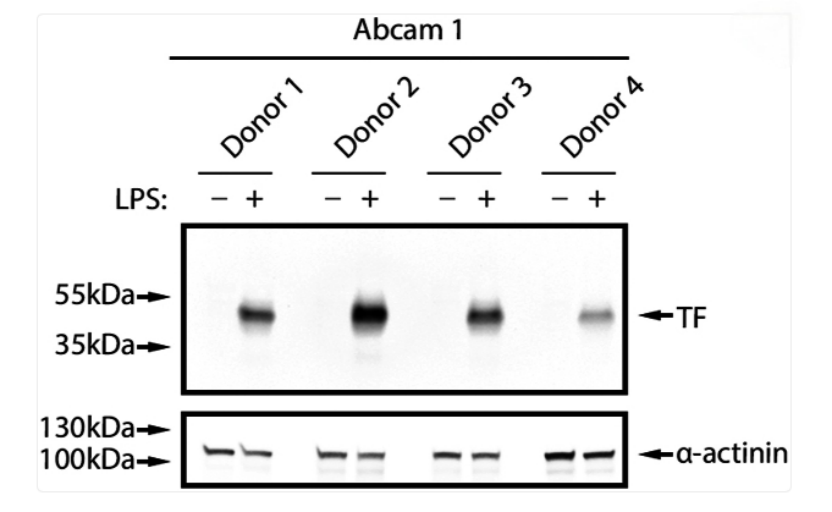
Figure 1: Changes in TF Expression in PBMCs Before and After LPS Stimulation, as Detected by a Multibody Assay
(iii) Selecting the Wrong Type of Monoclonal or Polyclonal Antibody
Monoclonal antibodies are highly specific and exhibit minimal batch-to-batch variation, but they recognize only a single epitope—if that epitope is destroyed during denaturation, the signal disappears instantly.
Polyclonal antibodies are mixtures of antibodies produced by multiple B-cell clones that recognize several different epitopes on an antigen. If one epitope is lost, the others can compensate.
II. How to Resolve the Issue of Excessive Antibodies in Rabbits
(i) Addressing Experimental Failures Caused by Species Reactivity and Mismatches in Source Genera
Rabbit antibodies are phylogenetically distant from most commonly used laboratory animals (such as mice, rats, and humans), so they naturally pose a lower risk of cross-reactivity. When studying mouse proteins, primary antibodies prepared from non-mouse species, such as rabbits, should be selected.
More importantly, rabbit polyclonal antibodies recognize multiple epitopes. A study evaluating rabbit polyclonal antibodies against the dengue NS1 antigen explicitly pointed out that, compared to monoclonal antibodies, polyclonal antibodies offer several advantages, including shorter production time, lower cost, and greater stability. The rabbit polyclonal antibody prepared in this study demonstrated consistent immunoreactivity against the NS1 antigens of all four dengue virus serotypes in both ELISA and Western blot (WB) assays—this serotype-crossing detection capability is precisely the advantage afforded by multi-epitope recognition[1].
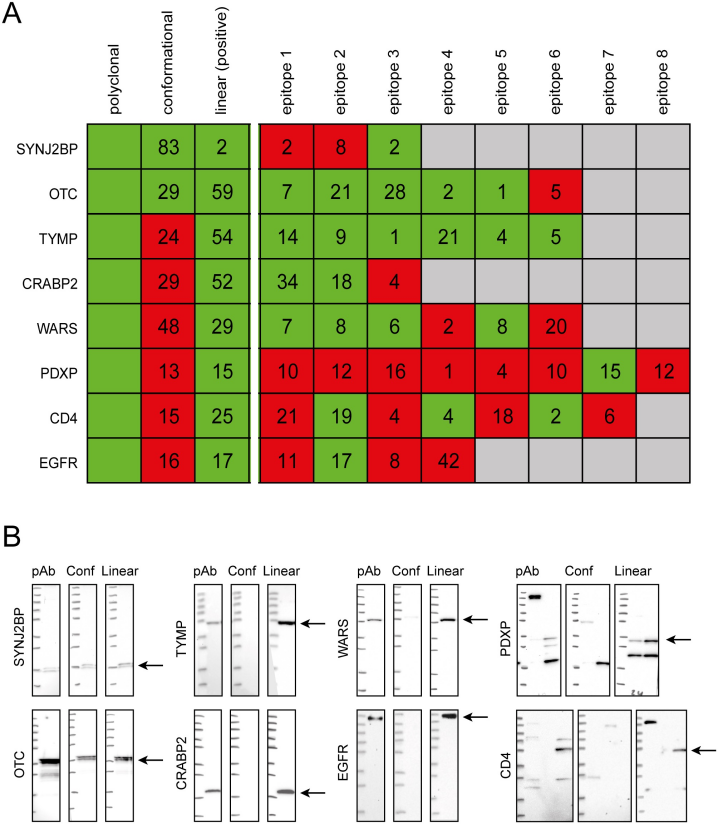
(ii) Addressing the Issue of Experimental Failures Caused by Pan-Antibodies
① Polyclonal Antibodies Recognize Linear Epitopes and are Naturally Well-Suited for Western blotting (WB)
Studies have shown that in most polyclonal sera, target-specific antibodies primarily recognize linear epitopes; in most cases, these antibodies produce Western blot (WB) bands with the correct molecular weight. In contrast, antibodies that recognize conformational epitopes often fail to bind to the target protein in WB assays[2]. This implies that even if the denaturation step in WB analysis destroys some conformational epitopes, there are still a large number of clones in polyclonal sera that recognize linear epitopes and can bind effectively.
② With a Stronger Polyclonal Signal, Even Low-Abundance Proteins can Produce a Band.
Research clearly indicates that polyclonal antibodies typically produce stronger signals than monoclonal antibodies in Western blot (WB) assays because they can bind to multiple epitopes on a protein; with multiple antibody molecules binding to each target protein, the signal is amplified, resulting in higher detection sensitivity[3].
A recent study directly compared monoclonal and polyclonal antibodies against MMP1 (matrix metalloproteinase 1): the goat polyclonal antibody (AF901) could clearly detect both recombinant and endogenously expressed MMP1 at a dilution of 1 μg/ml; in contrast, the recombinant goat monoclonal antibody (MAB901R) exhibited a significantly weaker binding signal to the recombinant protein at the same dilution and was completely unable to detect endogenously expressed protein; detection was only barely achievable when the concentration was increased to 5 μg/ml[4].
This comparison clearly demonstrates the sensitivity advantage of polyclonal antibodies in detecting low-abundance endogenous proteins.
(iii) Addressing the Issue of Experimental Failure Caused by Selecting the Wrong Type of Monoclonal or Polyclonal Antibodies
① Stronger Signal, Allowing Even Low-Abundance Proteins to Show up as Bands
Polyclonal antibodies typically produce stronger signals in Western blots (WB) than monoclonal antibodies because they bind to multiple epitopes on the protein. For low-abundance targets, the multi-epitope overlap effect of polyclonal antibodies makes it easier to detect bands.
② Controllable Batch-to-Batch Variation
Although traditional polyclonal antibodies exhibit batch-to-batch variability, recombinant rabbit polyclonal antibody technology has effectively resolved this issue. Recombinant rabbit polyclonal antibodies are produced by cloning and expressing specific DNA sequences encoding the heavy and light chains of the antibody, combining the advantages of multi-epitope binding with batch-to-batch consistency[3].
③ A Well-Established Secondary Antibody System with a Wide Range of Options
Rabbit-derived primary antibodies can be used in combination with commercially available, well-established anti-rabbit secondary antibodies. There is a wide selection of HRP-labeled and fluorescently labeled anti-rabbit secondary antibodies on the market, and the experimental protocols are well-established.。
④ Short Production Cycle and High Cost-Effectiveness
The production cycle for polyclonal rabbit antibodies is typically 8 to 12 weeks, which is faster and less expensive than the production of monoclonal antibodies. Rabbits have a stronger immune response to antigens, and the antibodies they produce generally have higher affinity and specificity.。
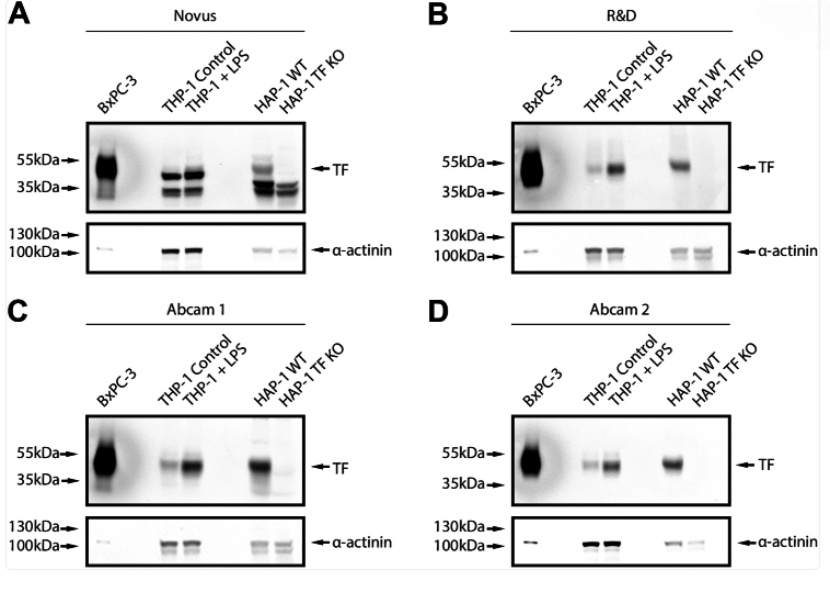
Figure 3: Disappearance of the Specific Band for Polyantibody in KO Validation
III. Practical Recommendation: KMD Bioscience’s Full Line of Rabbit Polyclonal Antibodies (PA/PAV)
KMD Bioscience's PA series of rabbit polyclonal antibodies covers a wide range of areas, including viruses, bacteria, and recombinant proteins. Representative products include:
Product Name | Item Number | Applications |
Recombinant Rabbit Polyclonal Antibody Against Hepatitis B HBsAg | PA2062 | ELISA, WB |
Inactivated Rabbit Polyclonal Antibody Against Enterovirus 71 | PA2110 | ELISA, WB |
PA2058 | ELISA, WB | |
PA2057 | ELISA, WB |
The PAV series is an upgraded product line of the PA series; it also features rabbit polyclonal antibodies as its core and covers a wider range of targets.
Each rabbit polyclonal antibody in the PA/PAV series has undergone rigorous validation and comes with clear recommended dilution ratios: WB: 1:500–1:1000. This means you can start using the product right away without having to figure out the conditions from scratch.
It is worth noting that KMD Bioscience’s rabbit polyclonal antibody products have been cited in peer-reviewed literature. In a study published in the Frontiers series of journals, the rabbit polyclonal antibody EV-A71 (KMD Bioscience, PA2059, diluted 1:500) used in the study was sourced from KMD Bioscience[5].
IV. Practical Tips for Selecting Antibodies
(i) For New Targets with Unknown Abundance, Start by Testing Conditions Using Polyclonal Antibodies.
With a strong signal and high error tolerance, first get the system up and running and minimize background noise, then consider switching to a monoclonal antibody for precise quantification. Don’t get bogged down right from the start with a monoclonal antibody whose titer is unknown.
(ii) Follow KO Verification Data
Nowadays, reputable manufacturers conduct knockout (KO) validation—using cells or tissues with the target gene knocked out as negative controls. One study showed that polyclonal antibodies clearly demonstrate the disappearance of specific bands in KO cell lines. Reviewing this validation data before purchasing antibodies can help you avoid many pitfalls.
(iii) Conduct Preliminary Experiments First.
Even with validated antibodies, conditions vary from lab to lab. After receiving the product, start by conducting a preliminary gradient dilution experiment to determine the optimal dilution ratio for your specific system.
V. Summary
When selecting a primary antibody for Western blotting (WB), keep these three key points in mind: species, validation, and type.
If you’re looking for a strong signal, high tolerance for experimental errors, and good value for money, rabbit polyclonal antibodies are one of the most reliable choices for Western blot (WB) experiments. Literature data indicate:
Polyclonal antibodies recognize linear epitopes, making them naturally suited for Western blot (WB) detection; polyclonal antibodies offer a clear advantage in signal intensity for WB; rabbit polyclonal antibodies outperform monoclonal antibodies in terms of production time, cost, and stability.
The full range of PA/PAV rabbit polyclonal antibodies from KMD Bioscience has undergone rigorous validation, comes with clear recommended dilution ratios, features a mature purification process, and has been cited in published literature—making them well worth adding to your shopping cart.
After all, a successful experiment is every researcher’s greatest wish.
References
[1]Abraham PR, Devaraju P, L B, Prasad E, S VS, Dhotre A, Ramachandrappa NK, Venkata SM, Kumar A. Evaluation of polyclonal antibodies raised in rabbits against dengue NS1 antigen. Sci Rep. 2026 Jan 16;16(1):5591. doi: 10.1038/s41598-026-35952-1. PMID: 41545441; PMCID: PMC12891463.
[2]Forsström B, Axnäs BB, Rockberg J, Danielsson H, Bohlin A, Uhlen M. Dissecting antibodies with regards to linear and conformational epitopes. PLoS One. 2015 Mar 27;10(3):e0121673. doi: 10.1371/journal.pone.0121673. PMID: 25816293; PMCID: PMC4376703.
[3]Rosell A, Moser B, Hisada Y, Chinthapatla R, Lian G, Yang Y, Flick MJ, Mackman N. Evaluation of different commercial antibodies for their ability to detect human and mouse tissue factor by western blotting. Res Pract Thromb Haemost. 2020 Jul 6;4(6):1013-1023. doi: 10.1002/rth2.12363. PMID: 32864552; PMCID: PMC7443430.
[4]Ascoli CA, Aggeler B. Overlooked benefits of using polyclonal antibodies. Biotechniques. 2018 Sep;65(3):127-136. doi: 10.2144/btn-2018-0065. Epub 2018 Aug 9. PMID: 30089399.
[5]Wang M, Zhang M, Deng H, Zhang Y, Liu C, Chen Y, Zhang C, Zhang W, Jia X, Dang S, Li Y. Integrative scRNA-seq and transcriptomic analysis initially reveals monocyte/macrophage activation drives EV-A71-induced immune dysregulation and neural injury in severe HFMD. Front Immunol. 2025 Aug 21;16:1620633. doi: 10.3389/fimmu.2025.1620633. PMID: 40918094; PMCID: PMC12408647.
FAQs
Q1: Which is better, rabbit polyclonal antibodies or rabbit monoclonal antibodies? Why does the article recommend polyclonal antibodies?
Both have their own specific applications, so it’s not possible to simply say which one is better. The article recommends polyclonal antibodies primarily to address a common challenge in Western blot (WB) experiments—weak signals and the failure to detect bands.
The advantages of polyclonal antibodies are: they recognize multiple epitopes, amplifying the signal and providing higher detection sensitivity; furthermore, the antibodies in most polyclonal sera primarily target linear epitopes, making them naturally suited for Western blot assays, where proteins are denatured.
The advantages of monoclonal antibodies are: high specificity and minimal batch-to-batch variation, making them suitable for experiments requiring precise quantification or long-term tracking.
Recommendation: For new targets or low-abundance proteins, start with polyclonal antibodies to establish experimental conditions and optimize the workflow; if precise quantification is required later, consider switching to monoclonal antibodies. The article also mentions that recombinant rabbit polyclonal antibody technology has already resolved the issue of significant batch-to-batch variability in traditional polyclonal antibodies.
Q2: Polyclonal antibodies have significant batch-to-batch variability. What if the results differ between batches once this batch is used up?
This is indeed a problem with traditional polyclonal antibodies, but the article mentions two solutions:
First, choose recombinant rabbit polyclonal antibodies. Recombinant rabbit polyclonal antibodies are produced by cloning and expressing specific antibody heavy-chain and light-chain DNA sequences, combining the advantages of multi-epitope binding with batch-to-batch consistency. KMD Bioscience’s PA/PAV series are all produced using recombinant technology.
Second, purchase a sufficient quantity at once and aliquot it for storage. The product manual recommends storing the antibodies at 4°C for up to 6 months. It is advised to aliquot them into tubes containing approximately 10 μL per tube and store them long-term at -20°C, avoiding repeated freeze-thaw cycles. This approach ensures that a single batch of antibodies can be used for an extended period, minimizing the variability associated with switching between batches.
Q3: The article recommends dilution ratios of 1:500–1:1000. Can I simply follow these ratios?
You can use these as a starting point, but it is recommended to conduct preliminary experiments to optimize the dilution. The dilution ratios provided in the article represent the manufacturer’s validated recommended range; however, sample types, protein expression levels, and exposure conditions vary across laboratories.
Recommended procedure: After receiving the antibody, first perform a preliminary gradient dilution experiment (e.g., 1:200, 1:500, 1:1000, 1:2000) to identify the optimal dilution ratio for your specific system. This ensures signal intensity while minimizing background as much as possible.
Q4: How do rabbit polyclonal antibodies recognize linear epitopes, and why are they naturally suited for Western blotting?
Western blotting requires treating proteins with SDS to denature them (i.e., the protein’s tertiary structure is disrupted, transforming it into a linear polypeptide). If an antibody recognizes a conformational epitope (which requires the protein to maintain its native three-dimensional structure for binding), this epitope disappears after denaturation, and the antibody naturally cannot bind.
In contrast, most antibodies in polyclonal sera target linear epitopes (i.e., consecutive amino acid sequences in the protein’s primary sequence). Even after protein denaturation, these epitopes remain intact, allowing the antibodies to bind.
This is why the article states that “polyclonal antibodies are naturally suited for Western blotting”—polyclonal sera contain a high proportion of antibodies that recognize linear epitopes, enabling them to function effectively under denaturing conditions.
Q5: What is the difference between KMD Bioscience’s PA and PAV series? Which one should I choose?
The PA series is a classic product line covering multiple fields such as viruses, bacteria, and recombinant proteins. Examples include the recombinant hepatitis B HBsAg rabbit polyclonal antibody (PA2062), the inactivated enterovirus 71 rabbit polyclonal antibody (PA2110), the CMV rabbit polyclonal antibody (PA2058), and the coxsackievirus A16 rabbit polyclonal antibody (PA2057), all of which have been validated by ELISA and Western blot.
The PAV series is an upgraded version of the PA series. It also centers on rabbit polyclonal antibodies but covers a wider range of targets and may offer further advancements in antigen design and validation standards.
Recommendations: If your target is listed in the PA series (e.g., hepatitis B, enterovirus, CMV, etc.), simply select the corresponding PA product; if your target is not listed, check whether the PAV series covers it, or consider KMD Bioscience’s custom rabbit polyclonal antibody service.
- rabbit polyclonal antibody
- Primary antibody
- Recombinant rabbit polyclonal antibody

- Protein Platform
- Protein Expression Services
- Protein Modification & Detection Services
- Protein Interaction Services
- Protein Purification Service
- Antibody Discovery Platform
- VHH Antibody Platform
- Phage Display Platform
- Antibody Humanization Platform
- Single B Cell Screening Platform
- Antibody Expression & Validation Platform
- Peptide Library Platform
- Custom Antibody Platform
- Innovative Drug Discovery Platform
- Product Center
- Proteins
- Antibodies
- Raw Materials Reagents
- Small Molecule Reagents
- Peptide Products
- Nanoparticle Products
- Contact Us
- Phone:400-621-6806
- Mobile:13110936064(WeC
- E-mail:[email protected]
- Address:Room 108, Building 10, No. 6 Hechang Road, Wuqing Development Zone, Tianjin City
-

WeChat
-

Service Account
-
 400-621-6806
-
 3599163699
-
 Monday to Friday 9:00-18:00
-

-
 0
-
