


A Guide to Prokaryotic Protein Expression
- 2026-07-09
- 296
I. The Concept of Prokaryotic Expression
Protein expression refers to a molecular biology technique in which exogenous genes are expressed in model organisms such as bacteria, yeast, animal cells, or plant cells. Prokaryotic protein expression refers to the process of using gene cloning technology to construct an expression vector containing an exogenous target gene and introducing it into an expression strain, thereby enabling the expression of that gene within a specific prokaryotic organism or cell.
II. Advantages and Disadvantages of Prokaryotic Protein Expression Systems
Common protein expression systems include prokaryotic, yeast, insect, plant, and mammalian systems. Among these, the prokaryotic protein expression system is the most economical and cost-effective. The differences among the four common expression systems are summarized in Table 1 below:
Table 1: Differences Among Common Protein Expression Systems
Expression System | Advantages | Disadvantages |
Prokaryotes | Affordable and high-performance | Failure to undergo glycosylation leads to the formation of inclusions; endotoxins are produced. |
Yeast | High expression levels, with post-translational modification capabilities, and suitable for large-scale expression | Lack of a strong, tightly regulated promoter results in low secretion efficiency |
Mammals | The product’s antigenicity and immunogenicity are closest to those of native proteins, and its glycosylation is accurate. | Low yield |
Insects | Low glycosylation levels and a single expression form | High cost, low expression levels |
Plants | Easy to cultivate on a large scale | Genetically modified plants are expensive, it is difficult to increase expression levels, and isolation and purification are inconvenient. |
Protein expression levels: Prokaryotes > Yeast > Mammals; insect systems are similar to prokaryotes and yeast. Selecting an appropriate protein expression system requires a comprehensive evaluation of various factors, including experimental costs and timeline. Currently, the most commonly used system is the prokaryotic protein expression system, with Escherichia coli and Bacillus subtilis serving as the primary hosts. The former offers high expression levels but requires endotoxin removal from the final product; the latter yields relatively lower protein production but does not produce endotoxins. The main differences are summarized in Table 2 below:
Table 2: Comparison of E. coli and Bacillus subtilis Expression Systems
Project | E. coli expression host | Bacillus subtilis expression host |
Advantages | Wide range of applications Easy to operate Large-scale production Low cost | Low production costs Endotoxin-free Capable of secreting and expressing proteins |
Disadvantages | Poor secretory function | Relatively low output |
Common Hosts | Rosetta(DE3) Rosetta(DE3)pLysS Rosetta 2(DE3)pLysS Origami 2(DE3) Rosetta-gami 2(DE3)pLysS | WB600 WB800N Bacillus Subtilis 168 |
III. Components of a Prokaryotic Protein Expression System
A complete protein expression system typically consists of a host, an exogenous gene, a vector, and auxiliary components.
1. Host Bacteria
Common host bacteria for prokaryotic protein expression include the BL21 (DE3) and Rosetta strains.
2. Exogenous Genes
Due to the diversity of exogenous genes, efficient expression requires consideration of codon optimization, enhancing the stability of exogenous gene mRNA, and optimizing vector design.
3. Expression Vectors
Plasmids used as prokaryotic protein expression vectors include a replicon, promoter, selection marker, multiple cloning site (MCS), and a fusion tag removal strategy. Common prokaryotic expression vectors include pET-28a(+), pGEX-4T-1, and pET SUMO. Prokaryotic expression plasmids are shown in the figure below:
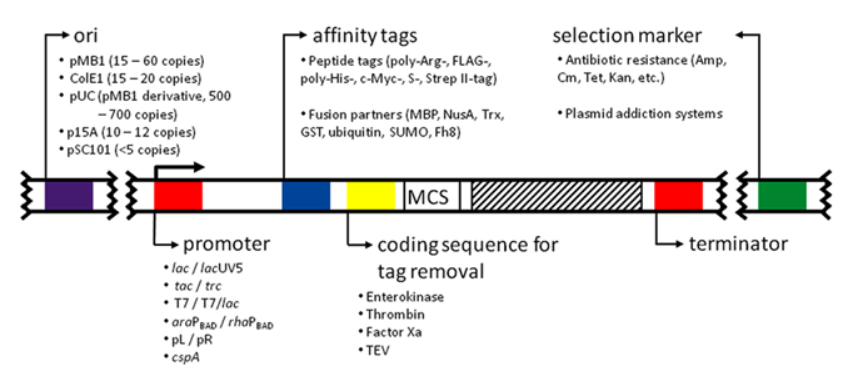
Figure 1: Plasmid vector for prokaryotic protein expression
4. Other Components (Fusion Tags)
The use of affinity tags in recombinant protein expression serves two purposes: first, to facilitate the protein purification process; and second, to increase the solubility of certain insoluble proteins. For fusion tag selection, please refer to the list on the Camed website.
IV. Applications of Prokaryotic Protein Expression Systems
Prokaryotic expression systems hold very promising prospects for application. According to publicly available information, prokaryotic expression systems can be used for the large-scale production of recombinant proteins, such as drugs, vaccines, and antibodies (e.g., CMD-RP00002), thereby providing strong support for the biomedical field. Additionally, these systems can be used to produce plant and animal growth regulators, antimicrobial peptides, and insecticidal proteins, thereby improving crop yield and quality, reducing pesticide use, and ensuring food safety. At the same time, prokaryotic expression systems can also be used to produce industrial enzymes, bio-dyes, and other substances. With advantages such as high efficiency, low cost, and environmental friendliness, they offer new avenues for industrial production.
V. KMD Bioscience Provides Prokaryotic Protein Expression Services
KMD Bioscience is committed to providing customers with high-quality prokaryotic protein expression services, handling up to 400 prokaryotic protein preparation projects annually. KMD Bioscience has designed a set of effective expression vectors incorporating various fusion tags (such as His, GST, SUMO, and FLAG), enabling the soluble expression of recombinant proteins with molecular weights exceeding 150 kDa for our clients. Additionally, we have collected and established a variety of expression strains (including low-temperature-induced expression strains and ultra-low-temperature-induced expression strains operating at 10–16°C) to ensure the quality of every recombinant protein preparation.
VI. KMD Bioscience Provides an Overview of the Complete Prokaryotic Protein Expression Workflow
The general experimental workflow for prokaryotic protein expression is illustrated below:
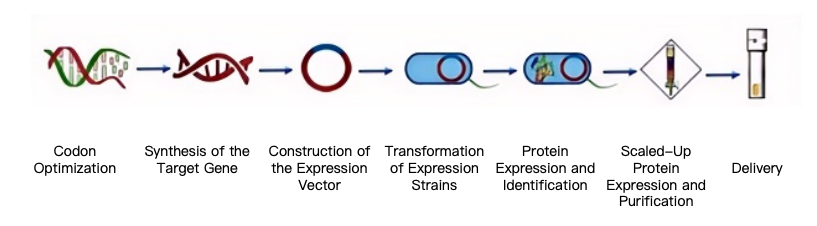
Figure 2: Flowchart of the prokaryotic protein expression experiment
1. Codon Optimization
E. coli uses codons with varying frequencies; there are optimal codons and preferred codons. Generally, codons with a usage frequency greater than 20% are selected. Optimizing the gene sequence can improve the stability of the mRNA secondary structure and prevent issues such as translation delays or termination due to insufficient tRNA pools, translation frameshifts, and amino acid mismatches.
2. Synthesis of the Target Gene
Using PCR, a cloned plasmid containing the target gene serves as a template. A pair of primers is designed based on the gene sequence (with different restriction sites introduced into the upstream and downstream primers, respectively), and the desired gene fragment is obtained through PCR cycling.
3. Construction of the Expression Vector
Select an appropriate vector; common prokaryotic expression vectors include the pET series, pGEX-4T-1, and pET-SUMO. Perform a double restriction enzyme digestion of the expression plasmid using restriction enzymes corresponding to the restriction sites in the primers. Run the digestion products on an agarose gel, and recover the PCR product after double restriction enzyme digestion.
4. Transformation of Expression Strains
For prokaryotic protein expression, use BL21 (DE3) or Rosetta series strains. Transform the plasmid vector into Rosetta BL21 cells using ligase. Screen the transformants on TB plates (containing 50 μg/mL kanamycin), and pick single clones for activation culture.
5. Protein Expression and Identification
Single colonies were picked from TB plates and grown to an OD₆₀₀ of 0.6–0.8, then induced with IPTG at 37°C for 4 hours. Samples were collected from the culture before and after induction and analyzed by SDS-PAGE.
6. Scaled-Up Protein Expression and Purification
1) Scaled-Up Expression
A BL21 strain capable of expressing the target protein was inoculated into 1 L of TB medium. IPTG was added to induce expression for 12 hours. The culture was then centrifuged to collect the cell pellet, which was sonicated to disrupt the cells, and the supernatant and precipitate were collected.
2) Purification
Supernatant Purification: Purify by affinity enrichment on a Ni column using a filtration membrane, followed by SDS-PAGE analysis.
Inclusion Body (Precipitate) Purification: Purify by affinity enrichment on a Ni column using a buffer for elution, followed by SDS-PAGE analysis.
7. Delivery
KMD Bioscience delivers a complete experimental data report and the protein at the determined concentration.
After years of development, KMD Bioscience has established a comprehensive set of technical support capabilities for protein expression, protein fermentation, and small-scale and pilot-scale processing. In vitro recombinant protein expression and preparation typically involve technical details such as the selection of expression hosts, gene synthesis, and vector construction. Customers need only provide us with a protein sequence, CDS, or protein name, and our experienced scientists can develop a complete protein expression and purification protocol for you in a short period of time.
- Protein expression
- prokaryotic protein expression
- protein expression and purification
- protein expression service companies

- Protein Platform
- Protein Expression Services
- Protein Modification & Detection Services
- Protein Interaction Services
- Protein Purification Service
- Antibody Discovery Platform
- VHH Antibody Platform
- Phage Display Platform
- Antibody Humanization Platform
- Single B Cell Screening Platform
- Antibody Expression & Validation Platform
- Peptide Library Platform
- Custom Antibody Platform
- Innovative Drug Discovery Platform
- Product Center
- Proteins
- Antibodies
- Raw Materials Reagents
- Small Molecule Reagents
- Peptide Products
- Nanoparticle Products
- Contact Us
- Phone:400-621-6806
- Mobile:13110936064(WeC
- E-mail:[email protected]
- Address:Room 108, Building 10, No. 6 Hechang Road, Wuqing Development Zone, Tianjin City
-

WeChat
-

Service Account
-
 400-621-6806
 -
 3599163699
 -
 Monday to Friday 9:00-18:00
 -

-
 0
0
-
