


Plasmid Extraction
- 2026-07-10
- 299
Plasmids are extrachromosomal DNA molecules found in bacteria, yeast, actinomycetes, and other organisms. They exist in the cytoplasm (except in yeast, where the 2 μm plasmid resides in the nucleus) and are capable of autonomous replication, maintaining a stable copy number even in daughter cells. Plasmids typically exist as circular double-stranded DNA molecules that express their carried genetic information.Although plasmids are not essential for bacterial growth and reproduction, they can be spontaneously lost or artificially eliminated through treatments such as heat or UV exposure. The genetic information carried by plasmids can confer specific biological traits to host bacteria, enhancing their survival under certain environmental conditions. In nature, plasmids often carry genes that provide selective advantages, such as antibiotic resistance, promoting the survival of their host organisms.
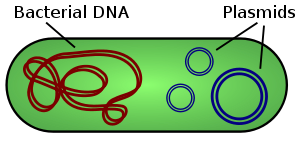
Plasmid extraction involves the removal of RNA, separation of plasmid DNA from bacterial genomic DNA, and elimination of proteins and other impurities to obtain relatively pure plasmid DNA. There are various methods for plasmid DNA extraction, which can be categorized as follows:By extraction yield: miniprep, midiprep, and maxiprep.By instrumentation used: conventional extraction and kit-based extraction.By specific operational method: alkaline lysis and boiling methods, among others.Each method has its own advantages and disadvantages, and an appropriate extraction method can be selected based on the specific experimental requirements.
1、Alkaline lysis method
The alkaline lysis method is currently a widely used technique for plasmid DNA extraction. The advantages of this method are the high purity of the extracted plasmid DNA and its convenient operation. Its drawback is the relatively long purification time required. Researchers have conducted extensive studies to shorten the purification time of this method, but the results have not been ideal. Currently, the DNA extraction process using this method takes over 1.5 hours.
First, the bacteria containing the target plasmid are cultured, and the sample is then centrifuged to concentrate the cellular material (including DNA) into a pellet at the bottom of the container. The supernatant is discarded, and the pellet is resuspended in a resuspension buffer (containing EDTA, glucose, Tris, and RNase A). The purpose of EDTA is to chelate divalent metal cations, such as Mg²⁺ and Ca²⁺, which are necessary for the function of DNA-degrading enzymes (DNases), and to destabilize the DNA phosphate backbone and cell wall. The glucose in the buffer maintains the osmotic pressure of the cells to prevent cell rupture. The Tris in the buffer keeps the pH of the cells at 8.0, while RNase removes RNA that could interfere with the experiment.
Next, a cell lysis solution (a strongly alkaline solution composed of the detergent sodium dodecyl sulfate (SDS) and a strong base such as sodium hydroxide (NaOH)) is added. The resulting mixture is incubated for a few minutes. During this time, the detergent (SDS) disrupts the cell membrane, allowing the alkali (NaOH) to come into contact with and denature both chromosomal and plasmid DNA. After the cell membrane is torn apart by SDS, the cellular contents neutralize the NaOH; this is why the pH of the lysate drops from 12.8 to 12.3. Therefore, if there are insufficient bacterial cells, excess NaOH will produce small DNA fragments.
Finally, a neutralization buffer (potassium acetate) is added. This acidifies the solution and allows the plasmid DNA to renature, but prevents the chromosomal DNA from precipitating out of the solution. Another role of potassium is to cause the precipitation of sodium dodecyl sulfate, thereby removing the detergent. A final centrifugation is performed, and this time the pellet contains only debris, which can be discarded. The supernatant containing the plasmid is carefully collected and can be further purified or used for analysis, such as gel electrophoresis.
2、Boiling Method
The boiling method works by using high temperatures to disrupt bacterial cells, combined with lysozyme to enzymatically break down the bacterial cell wall. The heat destroys the cell wall, helps unwind DNA strands, and denatures proteins and chromosomal DNA. Upon cooling, the DNA strands renature into their supercoiled form. Centrifugation removes the denatured chromosomal DNA and proteins, leaving the plasmid DNA to be extracted from the supernatant.This method is very rapid, but the quality of the extracted plasmid DNA is inferior compared to that obtained through the alkaline lysis method.
| Method | Advantages | Disadvantage |
| Alkaline lysis method | Simple operation High yield High purity Low pollution | Time-consuming Prone to irreversible denaturation due to alkaline reagents |
| Boiling Method | Simple operation Short time | Low recovery rate Conditions too harsh (boiling water) |
- Plasmid extraction method
- Plasmid isolation method
- Alkaline lysis method for plasmid extraction
- Boiling method for plasmid extraction

- Protein Platform
- Protein Expression Services
- Protein Modification & Detection Services
- Protein Interaction Services
- Protein Purification Service
- Antibody Discovery Platform
- VHH Antibody Platform
- Phage Display Platform
- Antibody Humanization Platform
- Single B Cell Screening Platform
- Antibody Expression & Validation Platform
- Peptide Library Platform
- Custom Antibody Platform
- Innovative Drug Discovery Platform
- Product Center
- Proteins
- Antibodies
- Raw Materials Reagents
- Small Molecule Reagents
- Peptide Products
- Nanoparticle Products
- Contact Us
- Phone:400-621-6806
- Mobile:13110936064(WeC
- E-mail:[email protected]
- Address:Room 108, Building 10, No. 6 Hechang Road, Wuqing Development Zone, Tianjin City
-

WeChat
-

Service Account
-
 400-621-6806
 -
 3599163699
 -
 Monday to Friday 9:00-18:00
 -

-
 0
0
-
