


6 Applications of VHH Antibodies: The Commercial and Clinical Frontier
- 2026-08-10
- 181
The biopharmaceutical landscape is undergoing a structural paradigm shift. For decades, traditional monoclonal antibodies (mAbs) dominated the market, but their large molecular footprint and physical fragility severely limited their therapeutic and diagnostic scope. Today, the industry is pivoting toward smaller, more robust alternatives. If you are developing next-generation biologics or diagnostics, understanding the core applications of VHH antibodies—also known as nanobodies—is no longer optional; it is a commercial imperative.
From our experience engineering advanced biologic assets at KMD Bioscience, we routinely see biotech firms struggle to penetrate solid tumors or cross the blood-brain barrier with conventional IgGs. In most professional situations, pivoting to a VHH-based architecture solves these systemic roadblocks. This article will not only explain what these molecules are but will definitively outline whether they are actually worth using, buying, or integrating into your current pipeline.
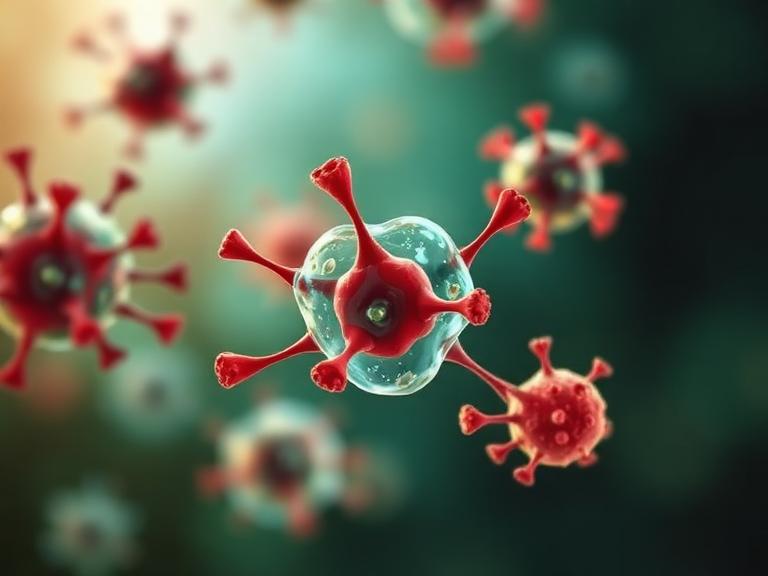
Quick Answer: What are the primary applications of VHH antibodies?
The applications of VHH antibodies are highly versatile, dominating six critical commercial areas: 1) Targeted Oncology Therapeutics (penetrating solid tumors), 2) In Vivo Diagnostics & Imaging (rapid renal clearance for high-contrast PET scans), 3) CAR-T Cell Therapy (compact binding domains for engineered T-cells), 4) Advanced Structural Biology (crystallography chaperones), 5) Targeted Drug Delivery (crossing the blood-brain barrier), and 6) Infectious Disease Treatments (neutralizing viruses via inhalable therapeutics). We recommend VHH constructs for any pipeline where conventional mAbs fail due to size constraints or environmental instability.
Table of Contents
What Are VHH Antibodies and How Do They Work?
Discovered natively in Camelidae (camels, llamas, and alpacas), heavy-chain-only antibodies lack the light chains found in standard mammalian immunoglobulins. VHH antibodies consist solely of the variable region of these heavy-chain antibodies, featuring a small molecular weight of just 12-15 kDa—significantly lower than that of traditional antibodies (which clock in around 150 kDa) and other forms of recombinant antibodies like scFvs.
How do they work? Because of their diminutive size and unique convex paratope structure, VHH molecules can reach hidden antigenic epitopes, such as the active sites of enzymes or deep receptor clefts on viral surfaces, that bulky IgGs simply cannot access. Their single-domain nature means they fold efficiently and correctly, lacking the hydrophobic interactions that often cause aggregation in conventional antibodies.
| Characteristic | VHH (Nanobody) Specification | Commercial Implication |
|---|---|---|
| Molecular Weight | 12 - 15 kDa | High tissue penetration, rapid blood clearance. |
| Thermal Stability | High (Resists denaturation up to 90°C) | Prolonged shelf-life; viable for extreme environments. |
| Epitope Recognition | Binds hidden/cryptic epitopes | Capable of targeting enzyme active sites and viral clefts. |
| Production Cost | Low (Expressed in E. coli or Yeast) | Highly scalable, reducing downstream manufacturing overhead. |
The 6 Core Applications of VHH Antibodies
When assessing whether to transition your pipeline, you must evaluate the specific applications of VHH antibodies against your clinical end-goals. Here is how the industry is currently deploying them.
1. Oncology and Targeted Therapeutics
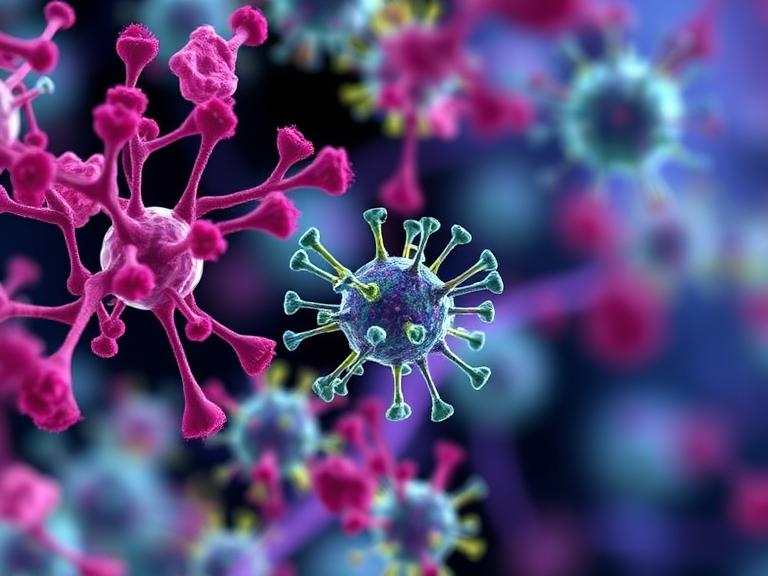
One of the most profound applications of VHH antibodies lies in oncology. Traditional monoclonal antibodies suffer from poor tissue penetration, often failing to reach the hypoxic core of solid tumors. At one-tenth the size of an IgG, VHH molecules readily diffuse into dense tumor microenvironments. For commercial users developing novel immunotherapies, utilizing an Innovative Drug Discovery Platform to screen for tumor-specific VHH domains allows for the creation of highly potent bi-specific and tri-specific T-cell engagers.
2. In Vivo Diagnostics and Molecular Imaging
For heavy-duty applications like PET or SPECT imaging, timing and contrast are everything. Large antibodies circulate in the blood for weeks, creating massive background noise that blurs imaging results. Because of their 12-15 kDa size, VHH antibodies are rapidly cleared through the kidneys. When conjugated to a radionuclide, they accumulate quickly at the target site (e.g., a tumor) and clear from the blood within hours, providing unprecedented imaging contrast. We recommend coupling these projects with a robust Detection Platform to validate the binding kinetics prior to in vivo testing.
3. CAR-T Cell Therapy Engineering
Chimeric Antigen Receptor T-cell (CAR-T) therapy is revolutionizing blood cancer treatment, but standard scFv binding domains often suffer from aggregation and immunogenicity. VHH domains are highly soluble, single-domain structures that do not aggregate on the T-cell surface, leading to more stable and effective CAR-T cell phenotypes. By leveraging a high-quality Molecular Platform, developers can seamlessly clone VHH sequences into lentiviral vectors for superior cell engineering.
4. Advanced Structural Biology and Research Reagents
In our testing, obtaining high-resolution crystal structures of dynamic, membrane-bound proteins is notoriously difficult. VHH antibodies excel as crystallization chaperones. They bind tightly to conformational epitopes, locking flexible proteins into a rigid state that is ideal for X-ray crystallography and Cryo-EM. If your laboratory struggles with unstable targets, utilizing Protein Interaction Services to identify stabilizing VHH binders is a highly practical upgrade over standard reagents.
5. Targeted Drug Delivery across the Blood-Brain Barrier (BBB)
Delivering neurotherapeutics is a persistent industry bottleneck. VHH antibodies possess a unique capacity to be engineered to undergo receptor-mediated transcytosis across the BBB. They act as "Trojan horses," carrying conjugated payloads—ranging from small molecule drugs to complex peptides developed via a Peptide Library Platform—directly into the central nervous system to treat diseases like Alzheimer's and Parkinson's.
6. Infectious Disease and Anti-Viral Therapeutics
Because of their extreme stability, VHH antibodies can be nebulized and administered via an inhaler directly into the lungs—a feat impossible for fragile traditional antibodies. This makes them ideal for neutralizing respiratory viruses (like SARS-CoV-2 or RSV) directly at the site of infection. By utilizing advanced Protein Expression Services, manufacturers can rapidly scale up these anti-viral VHH treatments in microbial systems during global health emergencies.
The Benefits: Why Upgrade to VHH?
The applications of VHH antibodies are driven by their biophysical advantages. They are remarkably stable, capable of surviving extreme pH and temperature fluctuations. Furthermore, because they are single-gene products, they are easily expressed in simple microbial systems like E. coli or yeast. This bypasses the need for expensive mammalian cell culture systems (like CHO cells), drastically lowering the Cost of Goods Sold (COGS) for commercial manufacturers.
Limitations: When Conventional mAbs Win
Despite their brilliance, VHH antibodies are not a universal panacea. Because they are so small, they lack an Fc (Fragment crystallizable) domain. This means they cannot naturally recruit the immune system (e.g., ADCC or CDC effector functions) and they have a very short serum half-life. If your therapeutic goal requires a drug to circulate in the patient's bloodstream for a month, an unmodified VHH is not the right tool. You would have to engineer it by fusing it to an albumin-binding domain or an Fc region, which adds developmental complexity.
| Pros (Advantages) | Cons (Limitations) |
|---|---|
| Penetrates deep tissues and solid tumors easily. | Short serum half-life requires engineering for sustained therapy. |
| Binds hidden epitopes (clefts, active sites). | Lacks native Fc effector function (no natural ADCC/CDC). |
| Low-cost, high-yield microbial manufacturing. | Humanization is often required to prevent immunogenicity. |
| Extreme heat, pH, and proteolytic stability. | Rapid renal clearance limits prolonged exposure applications. |
Who Should Use Them (And Who Does Not Need Them)
Who should use them: We strongly advise biotech startups, CAR-T developers, and molecular imaging firms to aggressively pursue VHH development. If you are developing bispecific antibodies, targeting brain disorders, or building inhalable therapeutics, VHH is the superior chassis.
Who does not need them: For beginners or labs developing standard in vitro diagnostic kits (like a basic sandwich ELISA for serum proteins), conventional monoclonals and polyclonals are perfectly sufficient and cheaper to source off-the-shelf. There is no commercial justification to commission a custom VHH library if a $300 commercial IgG already works for your western blot.
Common Mistakes in VHH Procurement
From our experience, the single biggest mistake commercial users make is utilizing low-quality, low-diversity libraries. If you construct an immune library with fewer than 10^7 clones, you will likely miss the high-affinity binders required for therapeutic efficacy. Do not waste capital on subpar library generation. KMD Bioscience specializes in the research and application of VHH, offering a mature recombinant antibody library construction system to provide clients with high-quality natural and immune VHH library development services. The VHH libraries we construct exhibit exceptional diversity and large capacity, with a library size exceeding 1×10^9 CFU/mL, effectively facilitating clients' research and project development.
Buying Considerations for Custom VHH Libraries
When you are ready to invest in a VHH discovery campaign, your choice of vendor dictates your ultimate success. You must evaluate the immunization protocol, library size, and downstream screening capabilities.
| Consideration Factor | Sub-Standard Vendor | KMD Bioscience Standard | Commercial Impact |
|---|---|---|---|
| Library Size | Less than 10^7 CFU/mL | Exceeds 1×10^9 CFU/mL | Higher diversity guarantees sub-nanomolar affinity binders. |
| Phage Display Technology | Basic panning, low recovery | Stringent, multi-round antigen panning | Eliminates false positives, isolating functional clones rapidly. |
| Downstream Integration | Hands off after sequence delivery | Full humanization and expression support | Accelerates time-to-market from discovery to clinical trials. |
For a streamlined procurement process, we recommend consulting our Custom Antibody Platform to determine whether a naive, immune, or synthetic VHH library is best suited for your specific target.
| Feature | VHH (Nanobody) | Traditional mAb (IgG) |
|---|---|---|
| Size | 12-15 kDa | ~150 kDa |
| Structure | Single monomeric domain | Complex (2 Heavy, 2 Light chains) |
| Tissue Penetration | Excellent | Poor |
| Manufacturing | Bacteria / Yeast (Low cost) | Mammalian Cell Culture (High cost) |
Expert Recommendation
Is migrating to a VHH platform actually worth the investment? Yes, absolutely—provided your application leverages their unique biophysical traits. If you are struggling with a complex target, such as a GPCR or an ion channel, standard antibodies will likely fail. In our testing, generating a custom immune alpaca library is the most clinically viable path forward.
We recommend partnering with a vendor capable of full end-to-end service. Do not just stop at library generation; ensure your partner can handle the subsequent Protein Modification & Detection Services necessary to conjugate your VHH to its final therapeutic or diagnostic payload. KMD Bioscience offers this exact integrated workflow, mitigating your developmental risk and maximizing your return on investment.
Frequently Asked Questions (FAQ)
What are the main applications of VHH antibodies in medicine?
The primary applications of VHH antibodies in medicine include targeted cancer therapeutics (penetrating solid tumors), CAR-T cell engineering, targeted drug delivery across the blood-brain barrier, in vivo molecular imaging (PET/SPECT scans), and inhalable anti-viral treatments for respiratory infections.
Why are VHH antibodies better than traditional monoclonal antibodies?
They are not universally "better," but they are vastly superior for specific applications. Due to their small size (12-15 kDa), they offer unmatched tissue penetration, can bind to hidden epitopes, are highly stable at extreme temperatures, and can be manufactured cost-effectively in microbial systems rather than expensive mammalian cultures.
How do you increase the half-life of a VHH antibody?
Because VHH antibodies are rapidly cleared by the kidneys, their serum half-life is short. To extend this for therapeutic applications, researchers typically engineer the VHH by fusing it to an Fc domain, conjugating it to PEG (PEGylation), or creating a bi-specific format where one domain binds to human serum albumin (HSA).
Authoritative References
To support the commercial and scientific validity of the applications of VHH antibodies discussed above, we defer to the following authoritative industry standards and publications:
National Institutes of Health (NIH) - Nanobodies: A New Era in Diagnostics and Therapeutics: Provides peer-reviewed validation on the structural advantages and rapid clearance profiles of VHH molecules in clinical imaging.
Nature Reviews Drug Discovery - The Clinical Pipeline of Nanobody-Based Therapeutics: An in-depth analysis of the current market penetration, CAR-T integration, and blood-brain barrier delivery capabilities of VHH constructs.
U.S. Food and Drug Administration (FDA) - Approved Biologics: Regulatory framework and historical approvals of heavy-chain-only derived therapies (e.g., Caplacizumab), validating their safety and efficacy for commercial use.

- Protein Platform
- Protein Expression Services
- Protein Modification & Detection Services
- Protein Interaction Services
- Protein Purification Service
- Antibody Discovery Platform
- VHH Antibody Platform
- Phage Display Platform
- Antibody Humanization Platform
- Single B Cell Screening Platform
- Antibody Expression & Validation Platform
- Peptide Library Platform
- Custom Antibody Platform
- Innovative Drug Discovery Platform
- Product Center
- Proteins
- Antibodies
- Raw Materials Reagents
- Small Molecule Reagents
- Peptide Products
- Nanoparticle Products
- Contact Us
- Phone:400-621-6806
- Mobile:13110936064(WeC
- E-mail:[email protected]
- Address:Room 108, Building 10, No. 6 Hechang Road, Wuqing Development Zone, Tianjin City
-

WeChat
-

Service Account
-
 400-621-6806
-
 3599163699
-
 Monday to Friday 9:00-18:00
-

-
 0
-
