


Synthesis of RNA-based gene regulatory devices for redirecting cellular signaling events mediated by p53.
- 2026-05-07
- 121
I. Literature Background
The p53 gene is a well-known tumor suppressor gene, and its mutations often contribute to tumor occurrence and progression. Due to the diversity and complexity of p53 gene mutations, effective p53 gene therapy is currently unavailable.
Based on the current context, a growing number of researchers have carried out a series of studies on p53 gene therapy, in which Gui Yaoting, et al., from the Key Laboratory of Male Reproduction and Genetics at Peking University Shenzhen Hospital, as co-corresponding authors, published a research paper titled “Synthesis of RNA-based gene regulatory devices for redirecting cellular signaling events mediated by p53” in Theranostics (IF=13.3). This study developed a novel and efficient p53-specific ribozyme switch, providing a modular strategy for integrating aptazyme binding to cellular proteins. By combining it with other synthetic biology tools, they successfully inhibited tumor growth, offering a new perspective for tumor therapy.
This study validated through SPR experiments that the p53 RNA aptamer sequence exhibits strong binding interaction with the p53 protein. The p53 aptazyme can effectively sense wild-type p53 protein and initiate self-cleavage in cells. The Cre-p53 aptazyme gene circuit and dCas9-VP64/sgRNA-mediated gene circuit, designed based on the p53 aptazyme, significantly inhibited the growth of wild-type p53-expressing cells and promoted their apoptosis. Furthermore, this gene circuit also exhibited significant tumor inhibition in vivo.
Ⅱ.Research Findings
1. Construction and characterization of the p53 aptazyme
To investigate whether the p53 protein could bind to the aptazyme and modulate the activity of the hammerhead ribozyme, a p53-responsive ribozyme switch (p53 aptazyme) was constructed in this study. The results showed that in the absence of p53, the binding of the aptamer and the hammerhead sTRSV ribozyme blocked its cleavage activity; however, in the presence of p53, the loop structure of the hammerhead ribozyme was restored, and the cleavage activity was activated.
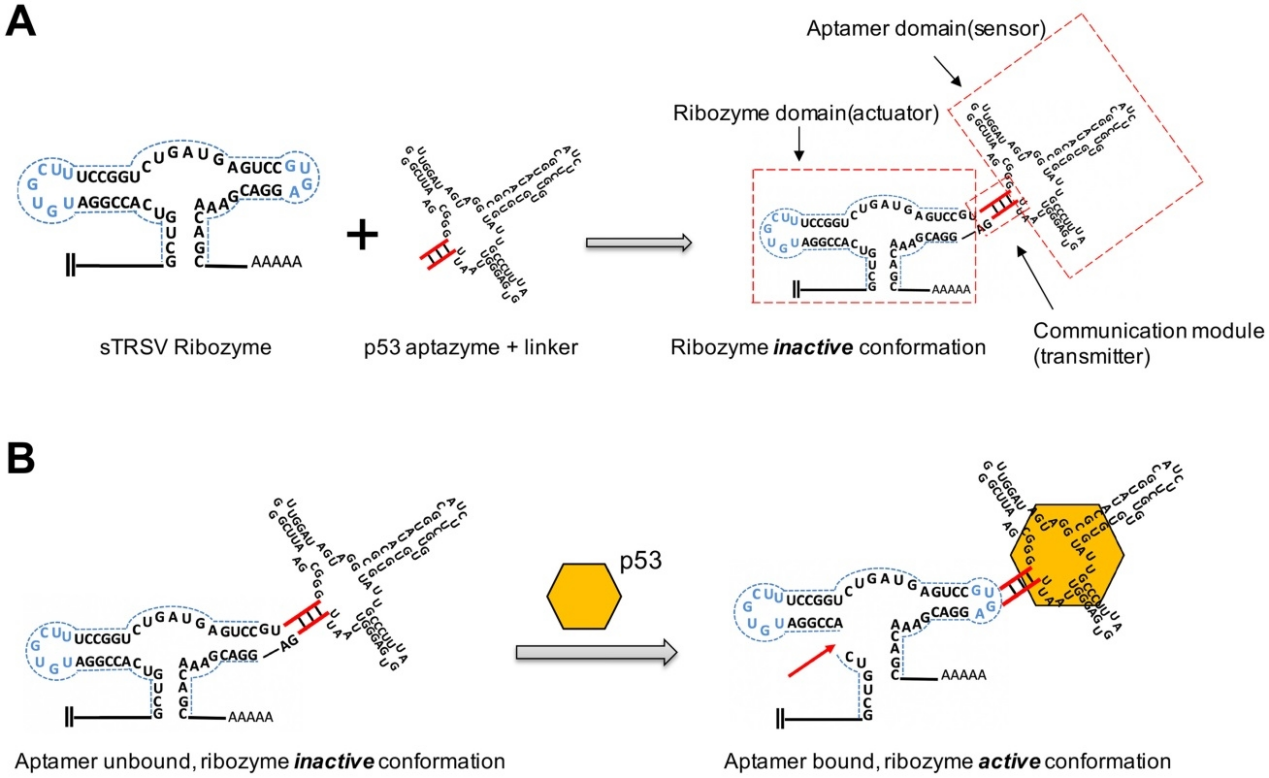
Figure 1 Construction and characterization of the p53 aptazyme
This study used three wild-type p53 cell lines, HEK 293T (human embryonic kidney cells), HCT 116 p53+/+ (human colon cancer cells), and primary cultured HFF (human foreskin fibroblasts), to test whether the aptazyme could sense endogenous p53. The efficiency of the aptazyme was evaluated by comparing relative fluorescence between the experimental and control groups. Ultimately, it was found that only p53 aptazyme 1 could transmit the aptamer-ligand binding signal.
Luciferase assays performed with p53 aptazyme 1 in four cell types revealed that relative hRluc luciferase activity in the p53 aptazyme 1 group was significantly reduced in HFF, 293T, and HCT 116 p53+/+ cells but not in p53-mutant cells. However, when wild-type p53 protein was overexpressed in p53-mutant cells, relative hRluc luciferase activity was also significantly reduced. These results indicated that the synthetic p53 aptazyme 1 could effectively sense wild-type p53 protein and initiate self-cleavage.
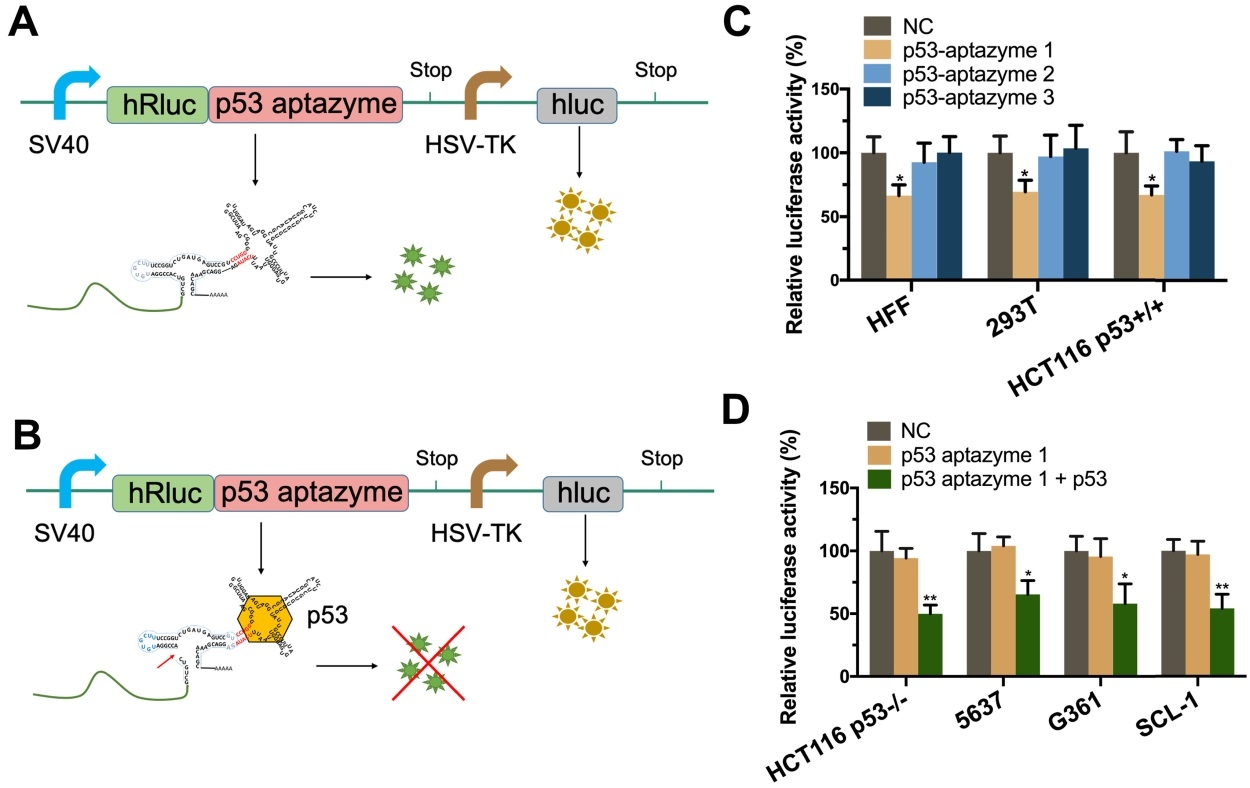
Figure 2 Aptazyme sensing of endogenous p53 test
2. Construction of a Cre-LoxP-mediated gene circuit based on the p53-aptazyme device
To achieve a killing effect on tumor cells, this study assembled the ribozyme switch (p53 aptazyme 1) with the Cre-LoxP system, which is commonly used for genetic pathway modification. In this gene circuit, upon binding of wild-type p53 protein to the p53 aptamer, the ribozyme is activated, leading to degradation of the Cre-ribozyme-aptamer fusion transcript and generation of EGFP. Conversely, the ribozyme remains inactive in p53-mutant cells, the LoxP sites are spliced, resulting in production of diphtheria toxin downstream of EGFP. Through this design, the gene circuit achieves p53 sensing and targeted killing of tumor cells.
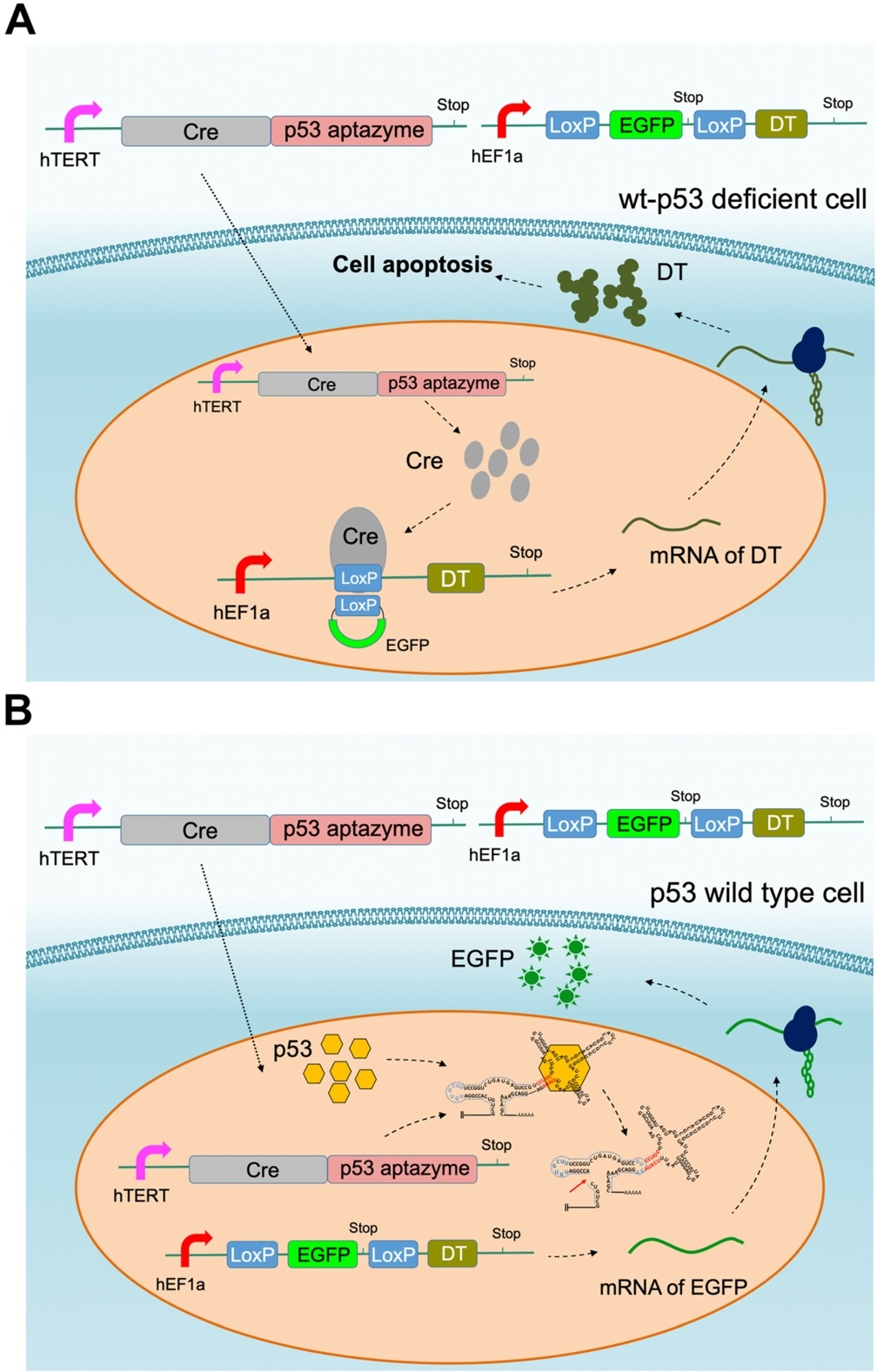
Figure 3 Construction of a Cre-LoxP-mediated gene circuit based on the p53-aptazyme device
3. The Cre-p53 aptazyme gene circuit inhibits the growth and promotes apoptosis of wild-type p53-deficient tumor cells
To investigate whether the Cre-p53 aptazyme gene circuit could inhibit p53-deficient tumors, the authors established a tumor model using nude mice. The results showed that the Cre-p53 aptazyme system effectively reduced tumor size in nude mice injected with p53-deficient cells but had no effect in nude mice injected with wild-type cells. Data obtained from various assays validated the role of the p53 aptazyme device in the Cre-LoxP system, which can specifically recognize p53 and induce apoptosis in p53-deficient cells.
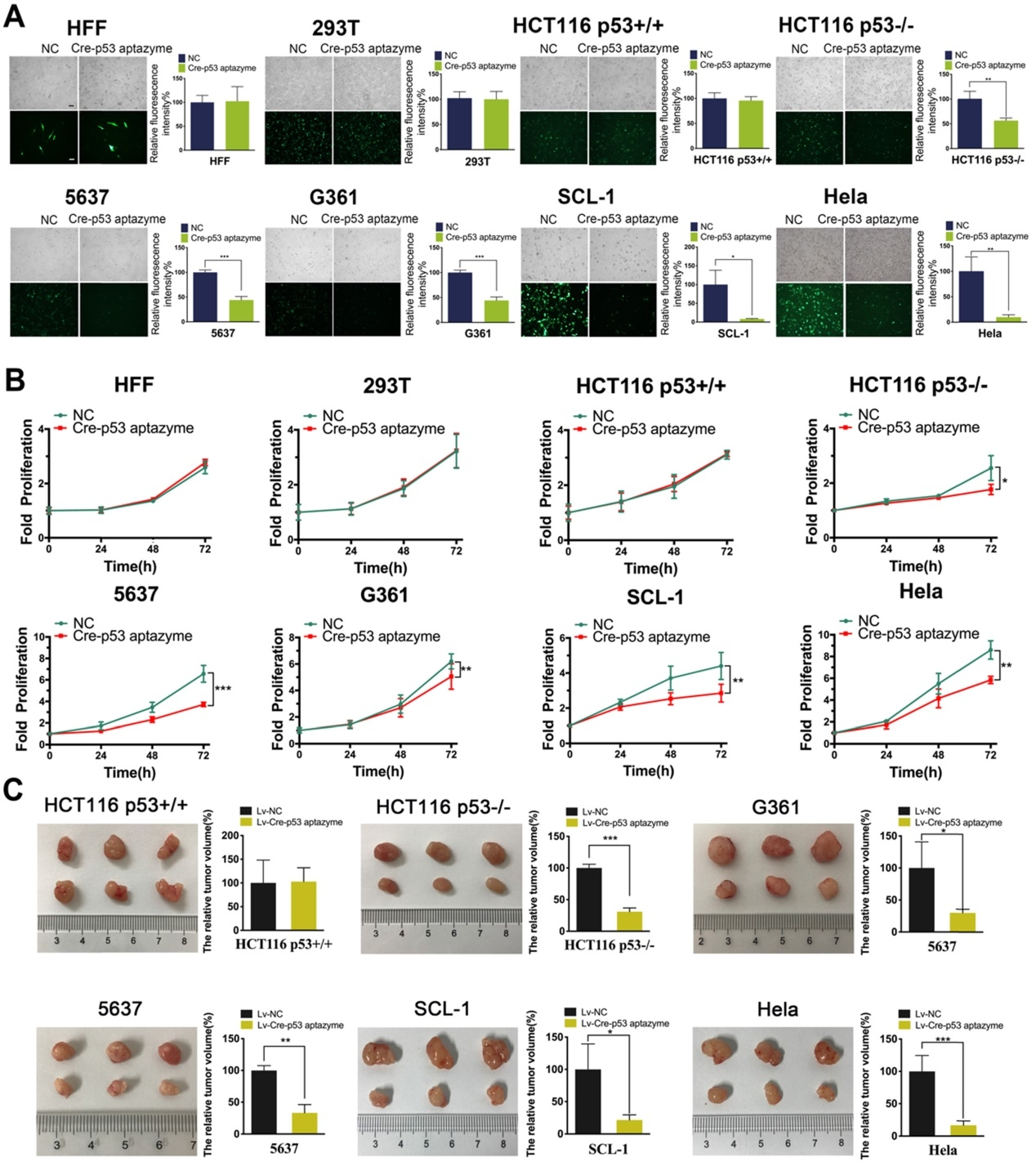
Figure 4 The Cre-p53 aptazyme gene circuit inhibits the growth and promotes apoptosis of wild-type p53-deficient tumor cells
4. Construction of a dCas9-VP64/sgRNA-mediated gene circuit based on the p53-aptazyme device
Simplification of the gene circuit benefits vector delivery efficiency and system stability. The Cre aptazyme is relatively large and requires two vectors rather than a single vector to deliver the cancer-specific killing system. In contrast, the CRISPR system can achieve cancer-specific killing function through construction of a single vector. The research team developed a dCas9-VP64 tool that can effectively activate wild-type p53 expression. The designed CRISPR-dCas9 and p53 aptazyme circuit was encoded on a single plasmid. In wild-type p53 cells, the ribozyme is activated, and the dCas9-VP64 fusion gene is inactivated; in wild-type p53-deficient cells, p53 protein is overexpressed by dCas9-VP64.
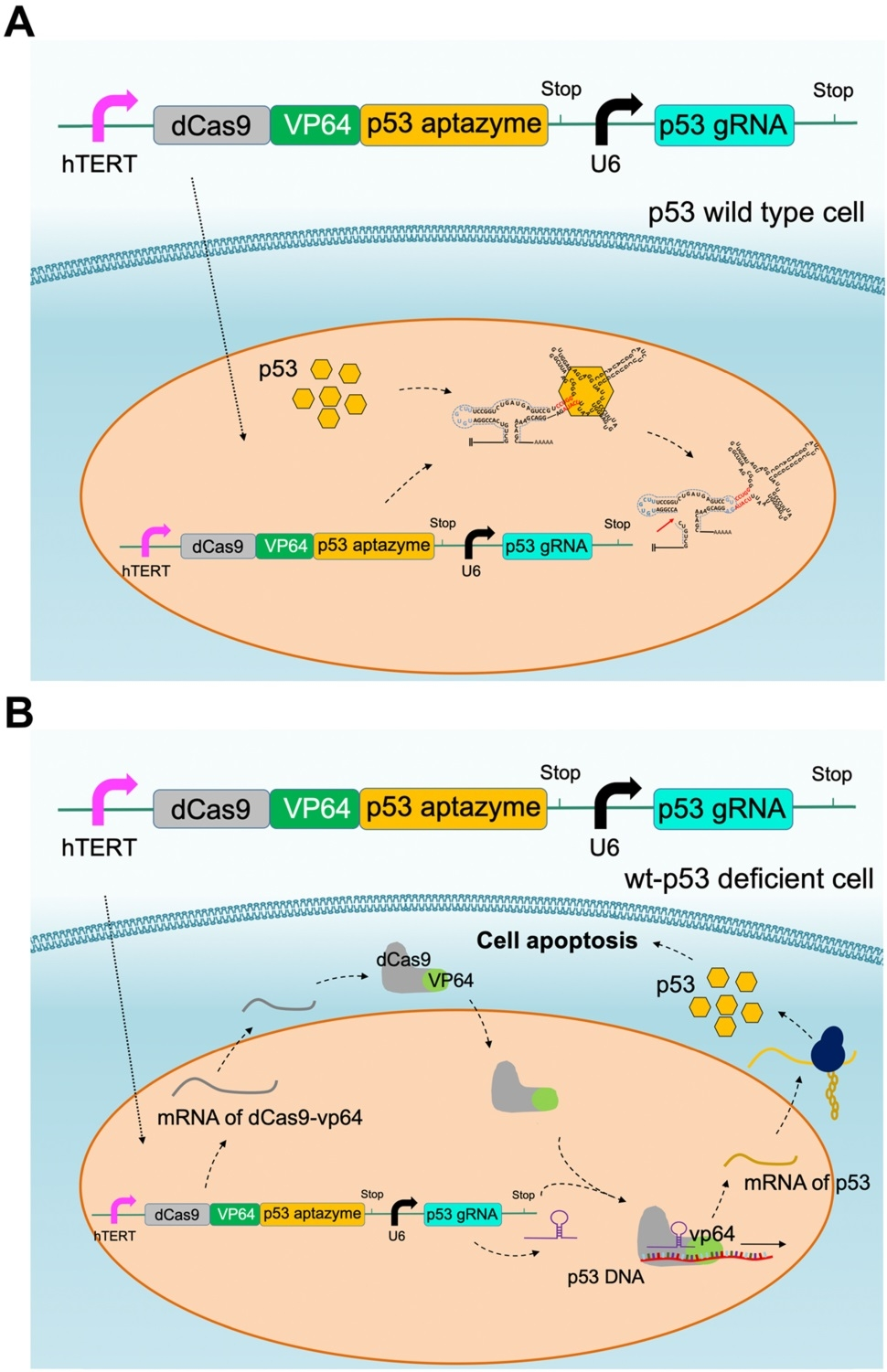
Figure 5 CRISPR-p53 aptazyme-mediated apoptosis
5. The dCas9-VP64/sgRNA-p53 aptazyme switch inhibits the growth and promotes apoptosis of wild-type p53-deficient cells in vitro and in vivo
To validate the activation of wild-type p53 expression, the authors transfected the dCas9-VP64/sgRNA-p53 aptazyme plasmid into several cell lines. In G361, SCL1, and HeLa cells, wild-type p53 at the endogenous locus was activated by dCas9-VP64, and cell growth was inhibited.
The plasmid was packaged into lentivirus and transduced into cancer cell lines for tumor xenograft experiments in nude mice. The results demonstrated that this system effectively reduced tumor size in mice injected with p53-deficient cells (G361, SCL-1, and HeLa).
Based on these findings, the authors propose that the dCas9-VP64-p53 switch can sense wild-type p53 and induce apoptosis in p53-deficient cancer cells.
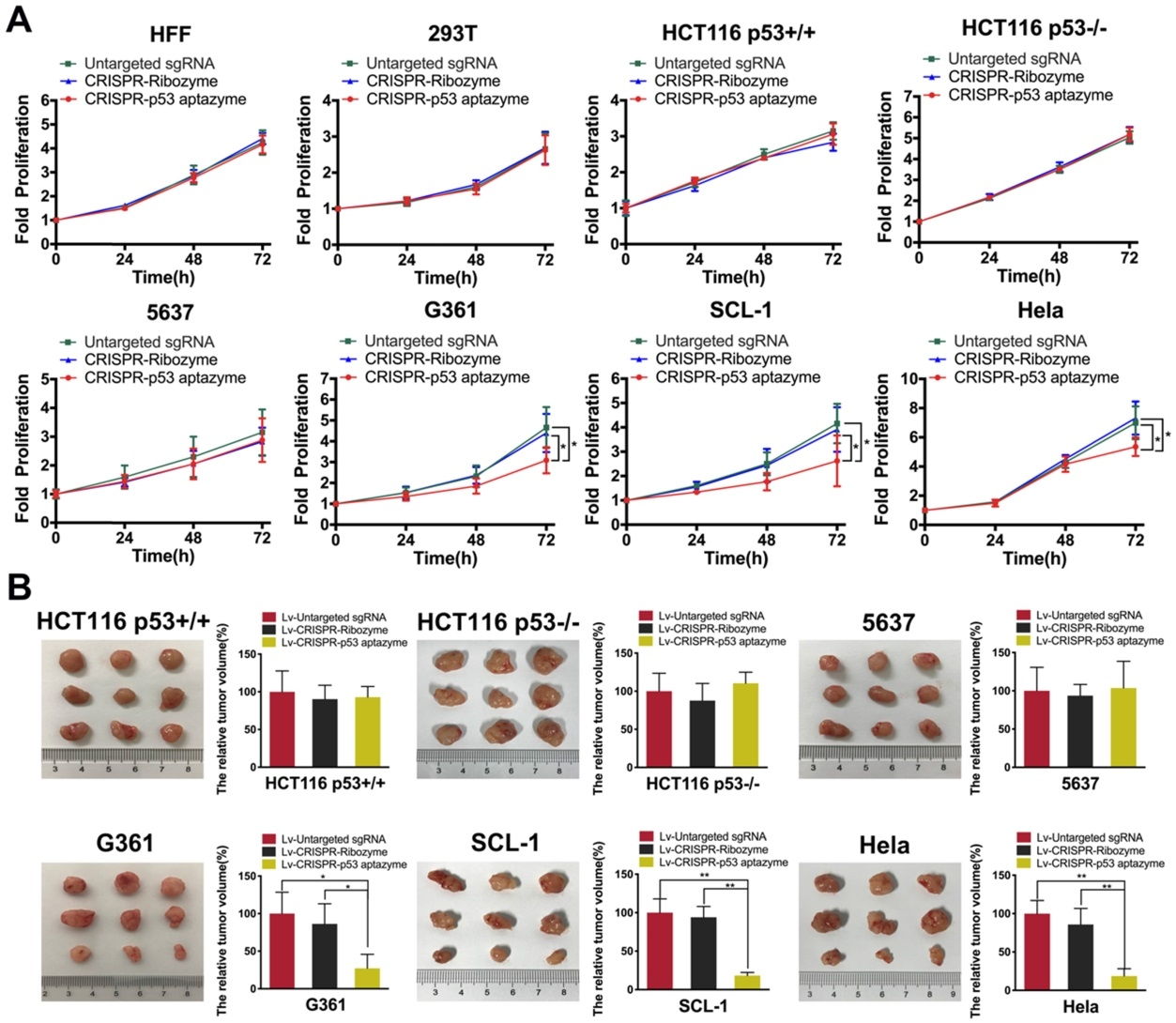
Figure 6 The CRISPR-p53 aptazyme system inhibits the proliferation of several wild-type p53-deficient cells in vitro and in vivo
The p53 protein (KMH1837, KMD Bioscience) used for surface plasmon resonance (SPR) experiments and the DTA antibody (PAV4207, KMD Bioscience) used for Western blot detection were both obtained from KMD Bioscience, serving as key experimental materials in this study. Nucleic acid aptamers have attracted significant attention from researchers, as they are expected to replace traditional antibodies and become a new generation of artificial antibodies. KMD Bioscience offers nucleic acid aptamer screening services using the systematic evolution of ligands by exponential enrichment (SELEX) method, which enables efficient identification of DNA or RNA aptamer sequences with high affinity for the target, thereby meeting the downstream experimental needs of customers.
[1] Huang X, Wang M, Liu Y, Gui Y. Synthesis of RNA-based gene regulatory devices for redirecting cellular signaling events mediated by p53. Theranostics. 2021 Mar 4;11(10):4688-4698.
Q1: What are nucleic acid aptamers? What advantages do they have compared to antibodies?
A1: Nucleic acid aptamers are short, single-stranded DNA or RNA oligonucleotides that can fold into specific three-dimensional structures, enabling them to bind targets (such as proteins, small molecules, cells, etc.) with high affinity and specificity. They are often referred to as “chemical antibodies.”
Compared to antibodies, their main advantages include:
High stability: Good thermal stability, reversible denaturation, and strong tolerance to pH and chemical environments.
Low production cost: They can be synthesized chemically on a large scale with low batch-to-batch variability, eliminating the need for animal immunization.
Low immunogenicity: They generally do not elicit an immune response in vivo, making them suitable for therapeutic applications.
Flexible modification: They are easily amenable to chemical modifications (e.g., fluorescent labeling, biotinylation) to enhance stability or functionality.
Q2: What is the basic workflow of the classical SELEX selection process?
A2: SELEX (Systematic Evolution of Ligands by Exponential Enrichment) is the classical method for screening nucleic acid aptamers. It enriches high-affinity sequences through iterative cycles of “binding-separation-amplification.”
Library construction: A single-stranded DNA or RNA library containing a large random region (typically containing 10¹⁴–10¹⁶ different sequences) is synthesized.
Binding and separation: The library is incubated with the target to allow aptamers to bind, and unbound or weakly bound sequences are removed by washing.
Elution and amplification: Bound aptamers are eluted and amplified by PCR (for DNA) or RT-PCR (for RNA) to generate an enriched sub-library.
Iteration and enrichment: The above steps are repeated for multiple rounds (typically 6–16 rounds) to progressively enrich sequences with the highest affinity for the target.
Sequencing and identification: The final enriched library is subjected to high-throughput sequencing, and candidate aptamers are selected for affinity and specificity validation.
Q3: In addition to classical SELEX, what are some advanced selection technologies currently available?
A3:
Technology Name | Core Principle | Key Advantages |
Cell-SELEX | Uses intact living cells as the selection target | Maintains native target conformation and microenvironment; eliminates the need for protein purification |
HT-SELEX | Combines high-throughput sequencing to monitor sequence abundance changes across each selection round | Reduces the number of selection rounds; provides kinetic information on sequence enrichment |
SPARK-seq | Integrates CRISPR perturbations, single-cell multi-omics sequencing, and Cell-SELEX | Enables high-throughput parallel screening; directly maps “sequence-target” interaction networks; obtains dissociation kinetic parameters |
CRISmers + GRAPE-LM | Uses CRISPR to construct an intracellular selection system combined with AI-driven generation and optimization via a nucleic acid language model | Achieves high-quality RNA aptamers in a single round; high biological relevance; requires extremely low initial library size (as low as 10⁸) |
Q4:What is “intracellular selection”? What makes it unique?
A4: Intracellular selection (such as the CRISmers technology) shifts the selection environment from a test tube to inside living cells. Its advantages include:
High biological relevance: The selection process naturally incorporates endogenous folding conformations, molecular competition, and biological mechanisms, resulting in aptamers that function better in authentic cellular environments.
Functional selection: Using phenotypic changes such as cell viability as the selection output directly yields molecules with biological functionality.
Q5: What is the future direction of nucleic acid aptamer selection?
A5: The future direction is to build an end-to-end automated closed-loop system integrating “experimental selection + AI design.”
Data-driven: High-quality data from the selection process are aggregated to form a reusable data foundation.
Intelligent design: AI models learn the “sequence-structure-function” relationships to generate high-potential candidates.
Automated validation: Multidimensional validation data are rapidly obtained through automated experimental platforms.
Closed-loop iteration: Validation results are fed back into the models to drive increasingly precise designs in the next cycle, greatly shortening the R&D timeline and enabling a paradigm shift from “finding a needle in a haystack” to “design-on-demand.”

- Protein Platform
- Protein Expression Services
- Protein Modification & Detection Services
- Protein Interaction Services
- Protein Purification Service
- Antibody Discovery Platform
- VHH Antibody Platform
- Phage Display Platform
- Antibody Humanization Platform
- Single B Cell Screening Platform
- Antibody Expression & Validation Platform
- Peptide Library Platform
- Custom Antibody Platform
- Innovative Drug Discovery Platform
- Product Center
- Proteins
- Antibodies
- Raw Materials Reagents
- Small Molecule Reagents
- Peptide Products
- Nanoparticle Products
- Contact Us
- Phone:400-621-6806
- Mobile:13110936064(WeC
- E-mail:[email protected]
- Address:Room 108, Building 10, No. 6 Hechang Road, Wuqing Development Zone, Tianjin City
-

WeChat
-

Service Account
-
 400-621-6806
 -
 3599163699
 -
 Monday to Friday 9:00-18:00
 -

-
 0
0
-
