


Expression and Purification of Nanobodies
- 2026-05-14
- 521
1.Introduction to Nanobodies
Nanobodies (Nb) are composed solely of two heavy chains, with their variable region referred to as VHH (variable domain of heavy chain of heavy-chain antibody). The molecular weight of a recombinantly expressed VHH is approximately 15 kDa—only about one-tenth that of a conventional antibody and half that of an antigen-binding fragment (e.g., scFv or VH-VL).
Unlike traditional antibodies, nanobodies lack a light chain and thus possess only three complementarity-determining regions (CDRs) derived from the heavy chain. To compensate for the absence of light chain CDRs, nanobodies feature an extended CDR3 region (typically 16–18 amino acid residues, compared to 8–15 residues in conventional antibodies). This structural adaptation enhances both the diversity and specificity of antigen recognition.
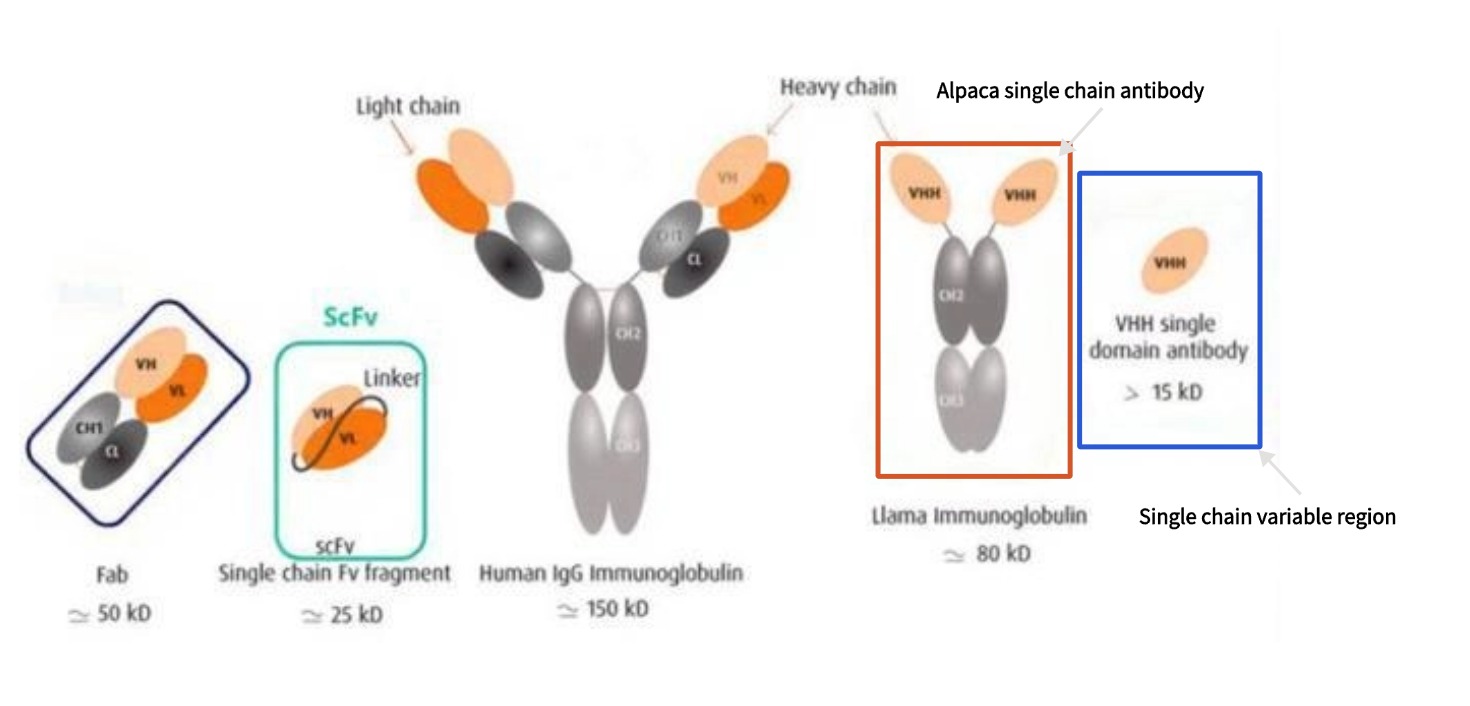
Figure 1: Structural diagram of nanobodies
2.Expression and Purification Strategies for Nanobodies
Unlike the classic hybridoma technology used for monoclonal antibody production, the development of nanobodies primarily involves steps such as alpaca immunization, phage library construction, antibody screening, expression and purification, and validation. After alpaca immunization, B lymphocytes are isolated from the peripheral blood, total RNA is extracted, and reverse-transcribed into cDNA. Using cDNA as a template, diverse nanobody gene fragments are obtained via PCR amplification, which are then ligated into vectors to construct the phage library. Subsequently, multiple rounds of panning are performed to isolate antigen-specific nanobodies, followed by sequencing, expression, and validation.
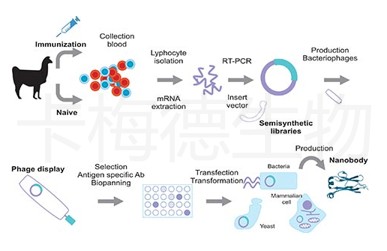
Figure 2: The workflow/procedure of nanobody production
KMD Bioscience has established a comprehensive mammalian expression system for antibody production, utilizing cell lines including but not limited to FreeStyle™ 293-F and ExpiCHO-S™. This system is paired with KMD-designed high-expression vectors (featuring full-length CMV promoters and optimized secretion signal peptide sequences) for recombinant antibody expression and preparation. Following expression, nanobodies are purified via nickel column chromatography. The purified nanobodies then undergo affinity assessment using Biacore technology.
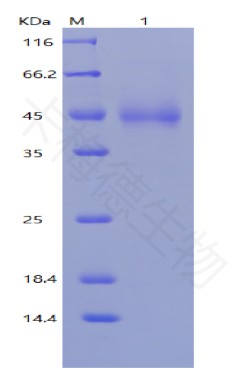
Figure 3: Expression results of the Fc-VHH nanobody.
3. Applications of Nanobodies
Nanobodies, owing to their small molecular weight and single-gene-encoded nature, are highly amenable to genetic engineering. Multiple nanobodies can be assembled via short linker sequences to form multivalent or multispecific antibody constructs. Additionally, nanobodies readily fuse with other structural domains (e.g., BSA, IgG-Fc) to form novel fusion molecules. In such constructs, the nanobody moiety mediates targeted antigen binding, while the fused partner (e.g., therapeutic or diagnostic modules) confers complementary functionalities. This versatility enables diverse applications, including combination therapies, diagnostic assays, and multidisciplinary research tools, underscoring their broad utility.
KMD Bioscience is committed to providing high-quality custom nanobody services for our clients. As a leading biotechnology company, we possess a professional team and advanced technological platforms, enabling us to design and develop nanobodies with high affinity and specificity tailored to our clients' needs. Our customized services cover the entire process, from antigen immunization of animals and antigen preparation to nanobody screening and production. Whether it involves custom nanobody preparation for specific antigens or functional modifications for particular applications, we deliver personalized solutions. Leveraging our expertise and stringent quality control system, we ensure high-quality and efficient nanobody customization services to accelerate our clients' research and product development, helping them achieve their scientific goals.
- Nanobody Expression
- Nanobody Production
- VHH Nanobody Manufacturing

- Protein Platform
- Protein Expression Services
- Protein Modification & Detection Services
- Protein Interaction Services
- Protein Purification Service
- Antibody Discovery Platform
- VHH Antibody Platform
- Phage Display Platform
- Antibody Humanization Platform
- Single B Cell Screening Platform
- Antibody Expression & Validation Platform
- Peptide Library Platform
- Custom Antibody Platform
- Innovative Drug Discovery Platform
- Product Center
- Proteins
- Antibodies
- Raw Materials Reagents
- Small Molecule Reagents
- Peptide Products
- Nanoparticle Products
- Contact Us
- Phone:400-621-6806
- Mobile:13110936064(WeC
- E-mail:[email protected]
- Address:Room 108, Building 10, No. 6 Hechang Road, Wuqing Development Zone, Tianjin City
-

WeChat
-

Service Account
-
 400-621-6806
 -
 3599163699
 -
 Monday to Friday 9:00-18:00
 -

-
 0
0
-
