


Cell Therapy
- 2026-07-10
- 276
01
Malignant gliomas are the most common type of primary brain tumor, and glioblastoma (GBM) is one of the most common and deadly malignant tumors; patients typically survive less than two years after conventional treatment. A recent study from the Ribegg Comprehensive Cancer Center at the University of North Carolina reports that researchers have developed a fibrin gel—a protein derived from fibrin, which is involved in the coagulation cascade—that can support CAR-T cell therapy and inhibit tumor progression. This protein gel forms a fibrin scaffold capable of housing CAR-T cells, maintaining their viability, and allowing them to be gradually released when placed within the tumor resection cavity in a GBM model. This protein scaffold is biodegradable and does not place an additional burden on the body. This therapeutic approach has already shown initial success in treating model mice; if it can be replicated in human treatment, it will significantly improve the low cure rate for glioblastoma.
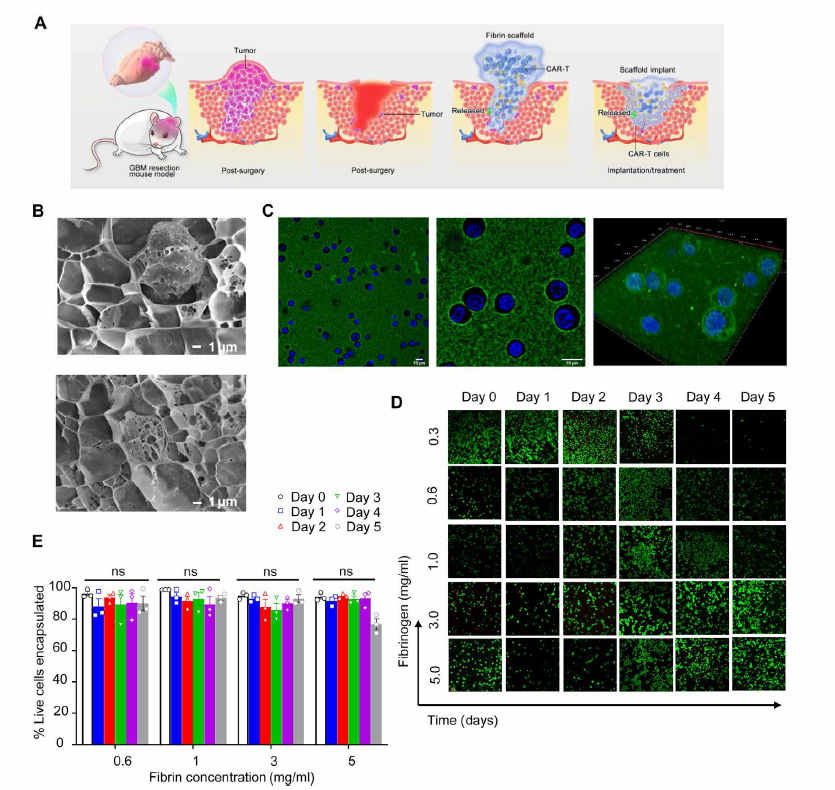
Figure 1 Characteristics of the fibrin gel delivery system for T cells
02
To improve the cure rate of CAR-T cell therapy for tumors and prevent tumor recurrence and immune evasion, researchers at the Ribegg Comprehensive Cancer Center at the University of North Carolina have developed a dual-targeted CAR-T cell immunotherapy and validated it using a mouse model implanted with human neuroblastoma tissue.
By combining two antigens expressed by tumor cells with two key costimulatory molecules—CD28 and 4-1BB—these dual-targeted T cells can maximally prevent tumor immune evasion. The researchers established a mouse model of neuroblastoma and treated the mice with CAR-T cells via intraperitoneal injection 12 days after the model was successfully established. Subsequent test results indicated that this dual-targeted CAR-T cell immunotherapy effectively controlled the tumor.
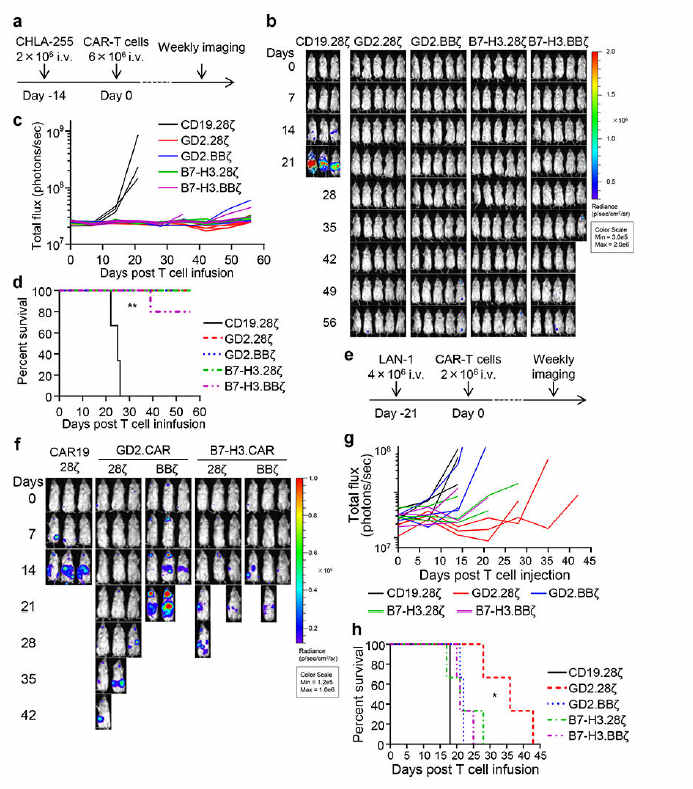
Figure 2: Assessment of tumor activity under CD28 and 4-1BB costimulation
03
Acute leukemia (AL) is a highly heterogeneous hematologic malignancy with an extremely high relapse rate. Although advances in conventional chemotherapy and targeted therapy have improved the complete remission rate for AL, relapse and refractoriness remain pressing challenges in the treatment of AL.
A study published in a Science subsidiary journal demonstrated that CAR-T cell therapy targeting CD19 alone does indeed yield distinctive results in the treatment of leukemia. However, 20%–30% of patients experience disease relapse due to loss of CD19 antigen function. In this new study, researchers developed an alternative B-cell-specific CAR-T cell therapy targeting the B-cell activating factor receptor (BAFF-R). They established an animal model of acute lymphoblastic leukemia and treated it with BAFF-R CAR-T therapy. The results showed significant tumor regression and a long-term survival rate of 100%. In other words, the targeted nature of BAFF-R CAR T-cell therapy can prevent the emergence of CD19 antigen-loss variants.
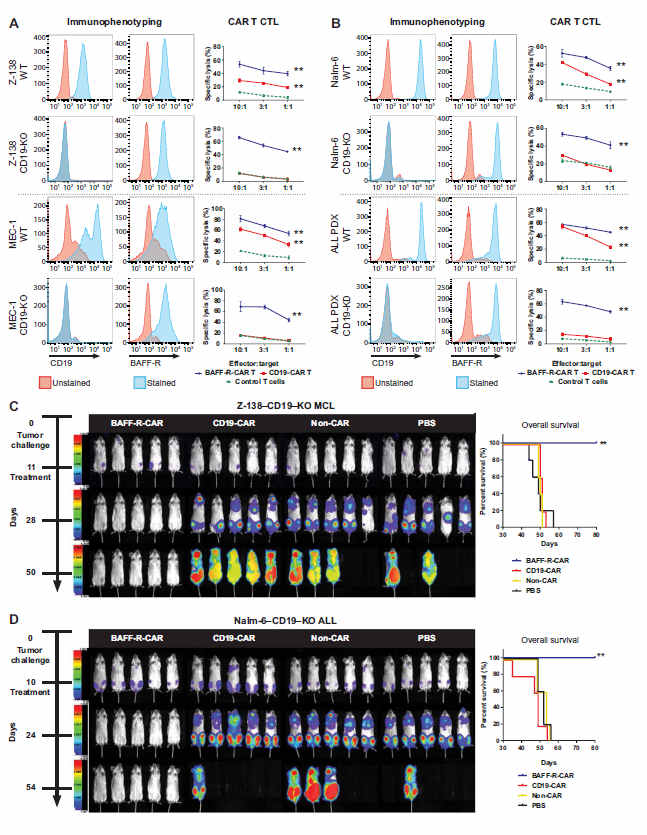
Figure 3: Therapeutic Efficacy of BAFF-R CAR-T
KMD Bioscience has established a comprehensive cell biology platform to provide you with basic research related to CAR-T cell therapy. As a national-level high-tech enterprise, KMD Bioscience offers services including custom protein expression, monoclonal and polyclonal antibody development, phage library construction and screening, human scFv antibody discovery, camel-derived VHH discovery services, and scFv antibody discovery services for a wide range of other species. We welcome clients to contact our staff; we will provide personalized services tailored to your project.
[1]Ogunnaike Edikan A,Valdivia Alain,Yazdimamaghani Mostafa,Leon Ernesto,Nandi Seema,Hudson Hannah,Du Hongwei,Khagi Simon,Gu Zhen,Savoldo Barbara,Ligler Frances S,Hingtgen Shawn,Dotti Gianpietro. Fibrin gel enhances the antitumor effects of chimeric antigen receptor T cells in glioblastoma.[J]. Science advances,2021,7(41).
[2] Hirabayashi Koichi,Du Hongwei,Xu Yang,Shou Peishun,Zhou Xin,Fucá Giovanni,Landoni Elisa,Sun Chuang,Chen Yuhui,Savoldo Barbara,Dotti Gianpietro. Dual-targeting CAR-T cells with optimal co-stimulation and metabolic fitness enhance antitumor activity and prevent escape in solid tumors[J]. Nature Cancer,2021,2(9).
[3] Qin H , Dong Z , Wang X , et al. CAR T cells targeting BAFF-R can overcome CD19 antigen loss in B cell malignancies[J]. Science Translational Medicine, 2019, 11(511).
- CAR-T Cell Therapy
- Cancer Treatment
- CAR-T Technology

- Protein Platform
- Protein Expression Services
- Protein Modification & Detection Services
- Protein Interaction Services
- Protein Purification Service
- Antibody Discovery Platform
- VHH Antibody Platform
- Phage Display Platform
- Antibody Humanization Platform
- Single B Cell Screening Platform
- Antibody Expression & Validation Platform
- Peptide Library Platform
- Custom Antibody Platform
- Innovative Drug Discovery Platform
- Product Center
- Proteins
- Antibodies
- Raw Materials Reagents
- Small Molecule Reagents
- Peptide Products
- Nanoparticle Products
- Contact Us
- Phone:400-621-6806
- Mobile:13110936064(WeC
- E-mail:[email protected]
- Address:Room 108, Building 10, No. 6 Hechang Road, Wuqing Development Zone, Tianjin City
-

WeChat
-

Service Account
-
 400-621-6806
 -
 3599163699
 -
 Monday to Friday 9:00-18:00
 -

-
 0
0
-
