


Flow Cytometry Reveals that Fasting Impairs Humoral Immune Memory by Depleting Plasma Cells via β-Hydroxybutyrate
- 2026-04-21
- 219
In the current pursuit of a healthy lifestyle, intermittent fasting is highly sought after for its potential benefits in metabolic regulation and delaying aging. However, the impact of this lifestyle practice on the human immune system remains unknown.
A study titled "Fasting impairs humoral immunological memory by β-hydroxybutyrate-mediated depletion of plasma cells," published in Immunity by Professor Chunliang Xu's team at Sun Yat-sen University, serves as a cautionary note. Using flow cytometry analysis and animal models, the research confirmed that intermittent fasting can elevate levels of the ketone body metabolite β-hydroxybutyrate, trigger the depletion of long-lived plasma cells in the bone marrow, ultimately accelerate antibody decay, and reduce the protective effect of vaccines.
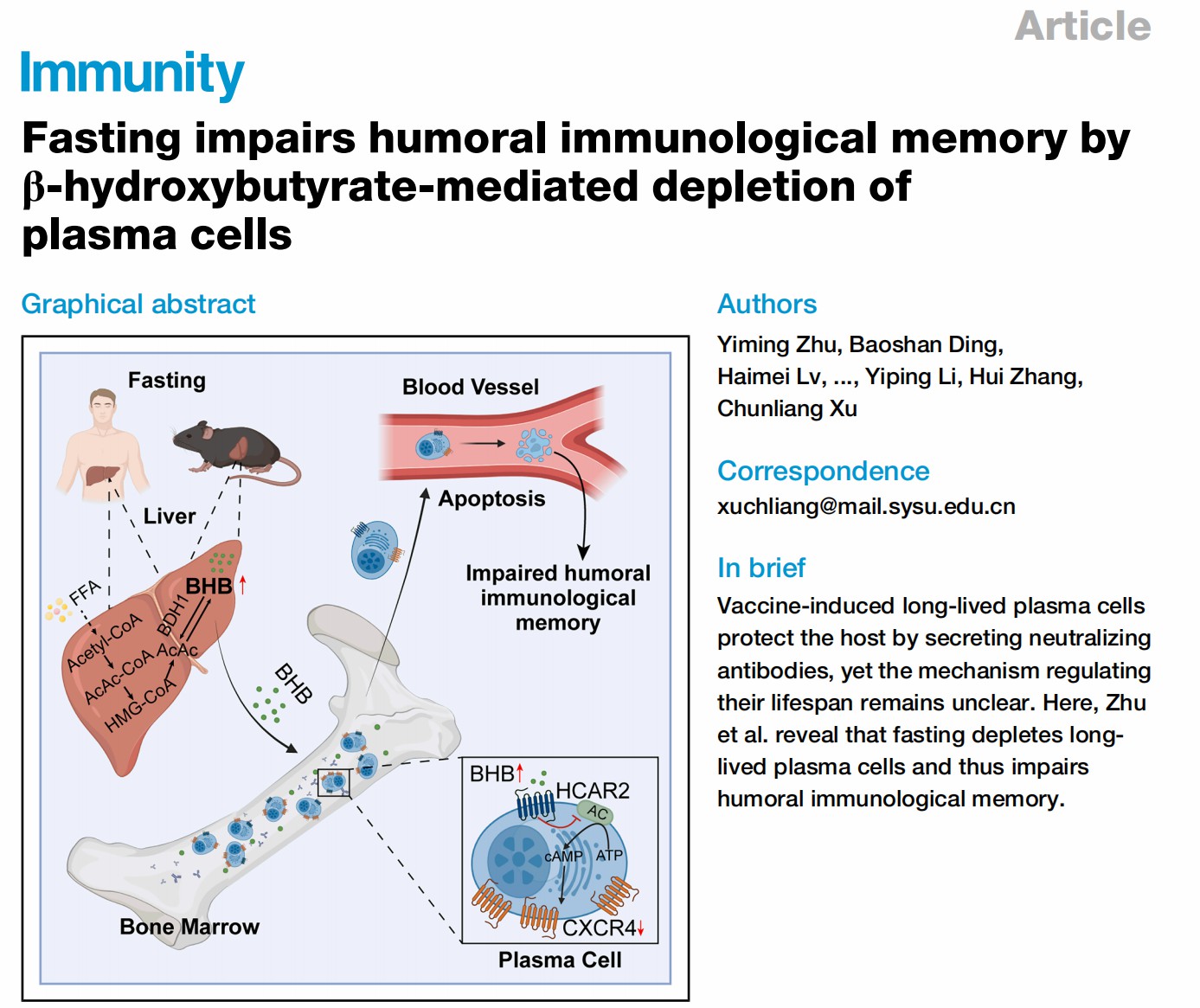
Fig. 1 Articles Home
This research not only holds significant implications for antibody research and vaccine development but also points to new directions for immune-related clinical intervention strategies.
1. Fasting and Ketogenic Diet Deplete Bone Marrow Plasma Cells
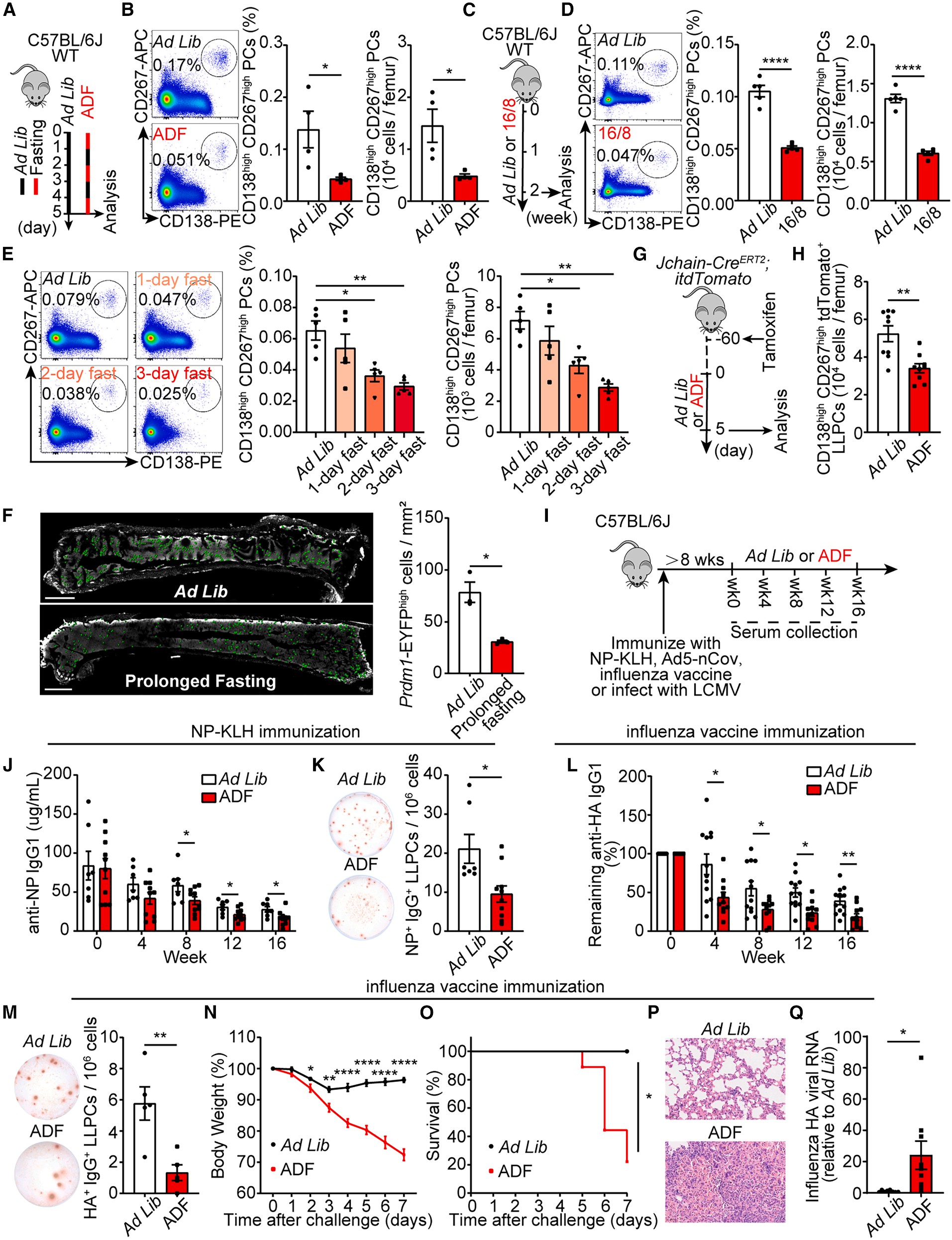
Fig. 2 Fasting impairs humoral immunological memory by depleting LLPCs
The research team first established various mouse fasting models, including every-other-day fasting and prolonged fasting. By examining mouse bone marrow cells with flow cytometry, they discovered that both fasting regimens significantly reduced the proportion and absolute number of plasma cells (CD138⁺CD267⁺) in the bone marrow. The researchers replicated these experiments in Prdm1‑EYFP plasma cell reporter mice, and the results further confirmed that fasting leads to plasma cell depletion.
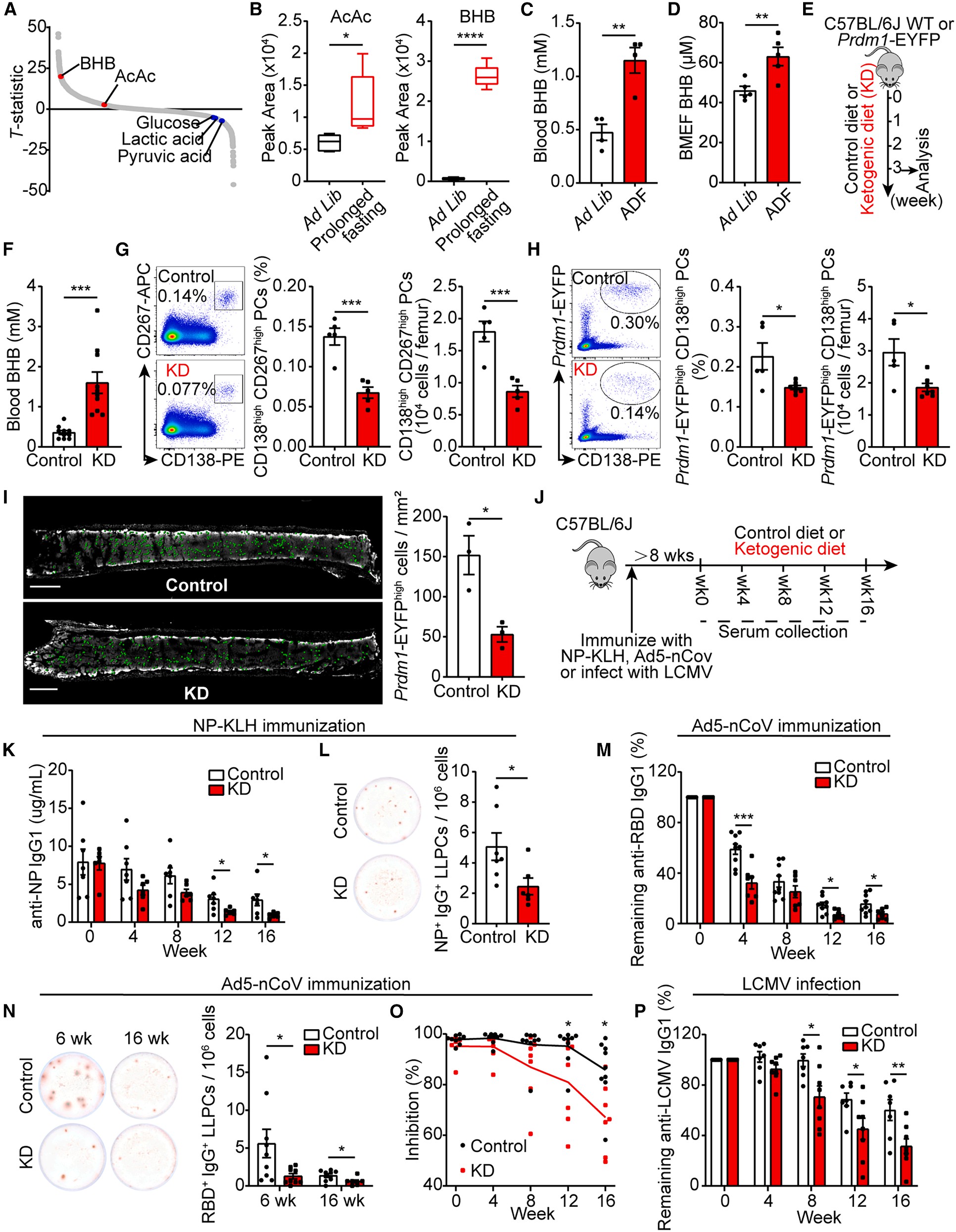
Fig. 3 KD impairs humoral immunological memory by depleting LLPCs
Subsequently, the team used a ketogenic diet to mimic the metabolic state induced by fasting in the mice. Flow cytometry analysis revealed that the ketogenic diet also significantly reduced the number of plasma cells in the mouse bone marrow. This indicates that the metabolic changes caused by fasting, rather than simply calorie restriction, are the key reason for the decrease in plasma cell numbers.
2. β-Hydroxybutyrate is Necessary and Sufficient for Mediating Plasma Cell Depletion
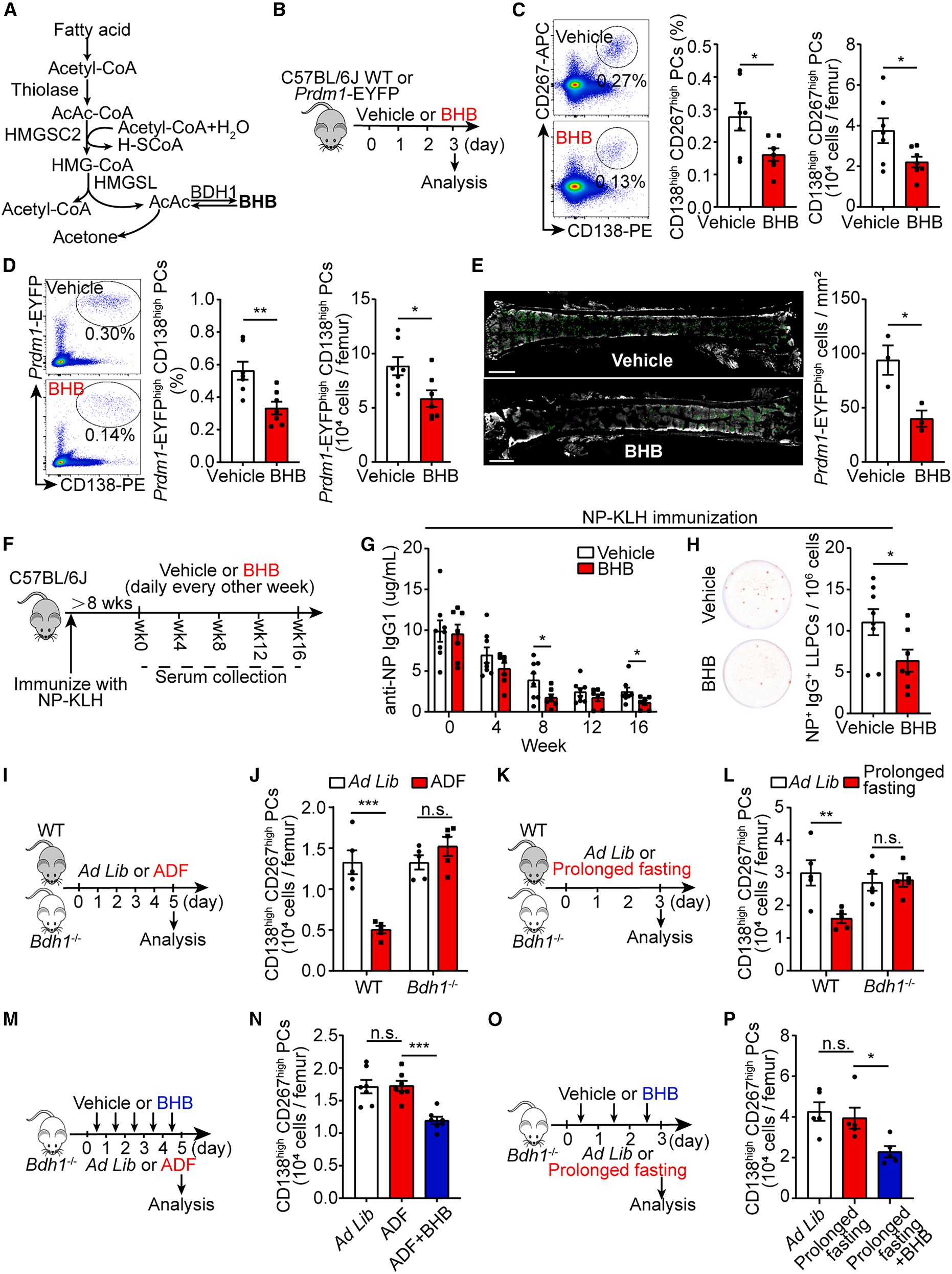
Fig. 4 BHB mediates the depletion effect of fasting on LLPCs
Using untargeted metabolomics analysis, the team screened for metabolites associated with the decrease in plasma cells and found a significant increase in the ketone body β-hydroxybutyrate in fasting mice. Subsequently, the researchers injected β-hydroxybutyrate into mice and, using flow cytometry to examine bone marrow cells, confirmed that this substance alone could replicate the plasma cell-depleting effect of fasting.
To demonstrate its necessity, they generated Bdh1 knockout mice, which cannot synthesize β-hydroxybutyrate during fasting. In these mice, fasting no longer reduced plasma cell numbers. ELISA results showed that the decrease in serum-specific antibody levels also depended on the presence of β-hydroxybutyrate. This series of experiments, combined with validation methods like in vitro B cell culture, collectively demonstrated the critical regulatory role of β-hydroxybutyrate in this process.
3. The HCAR2 Receptor Mediates the Plasma Cell-Depleting Effect of β-Hydroxybutyrate
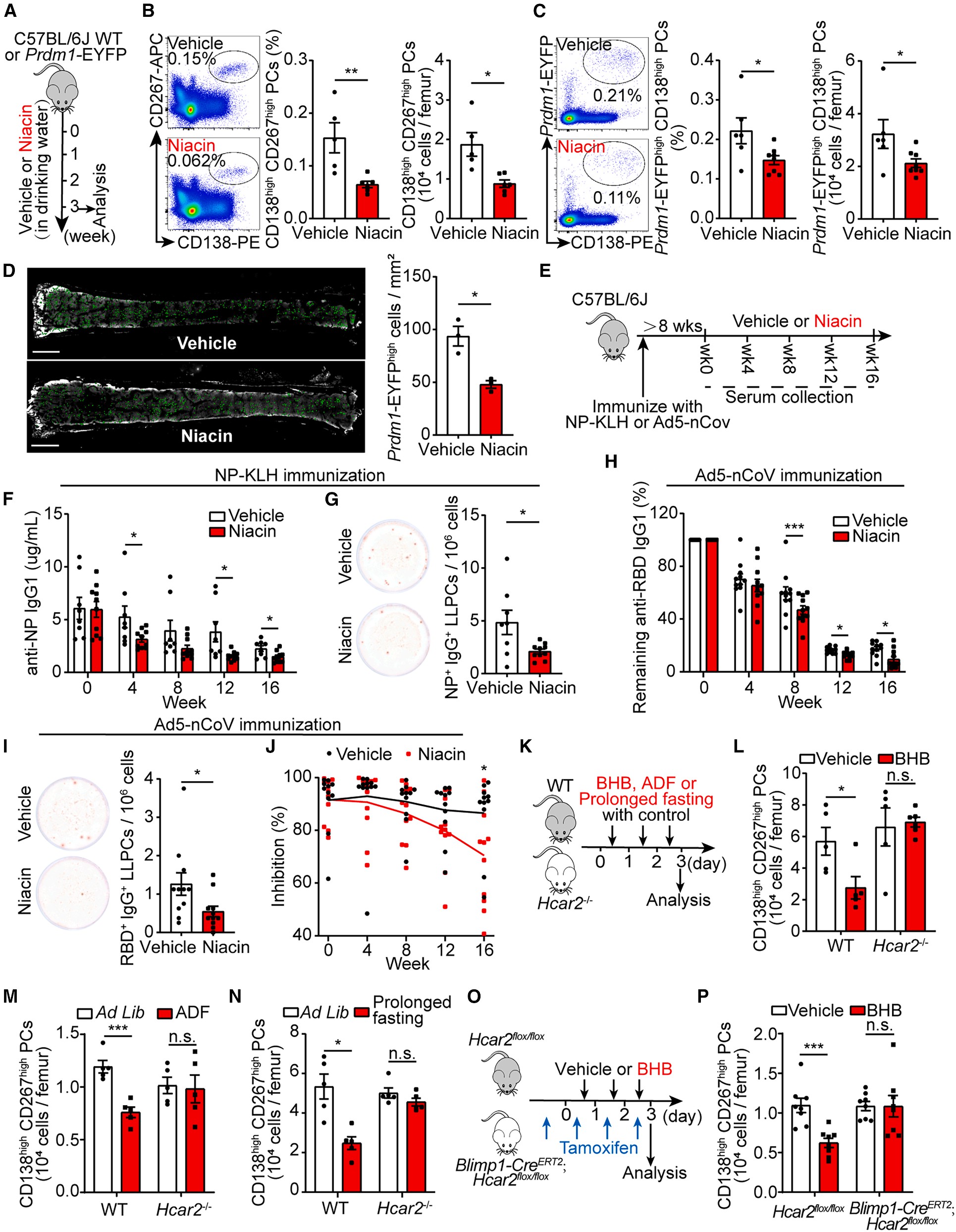
Fig 5: HCAR2 mediates the depletion effect of BHB on LLPCs
As a signaling molecule, β-hydroxybutyrate acts through its receptors. The research team examined the expression of receptors on the plasma cell surface using flow cytometry and discovered high expression of hydroxycarboxylic acid receptor 2 on plasma cells. Treating mice with niacin, an HCAR2 agonist, and subsequently using flow cytometry, they found that niacin could reduce the number of plasma cells in the bone marrow. Furthermore, in Hcar2 knockout mice, plasma cell numbers no longer decreased after treatment with β-hydroxybutyrate or fasting, demonstrating that β-hydroxybutyrate depletes plasma cells specifically through the HCAR2 receptor.
4. Fasting Drives Plasma Cells Out of the Bone Marrow by Downregulating CXCR4
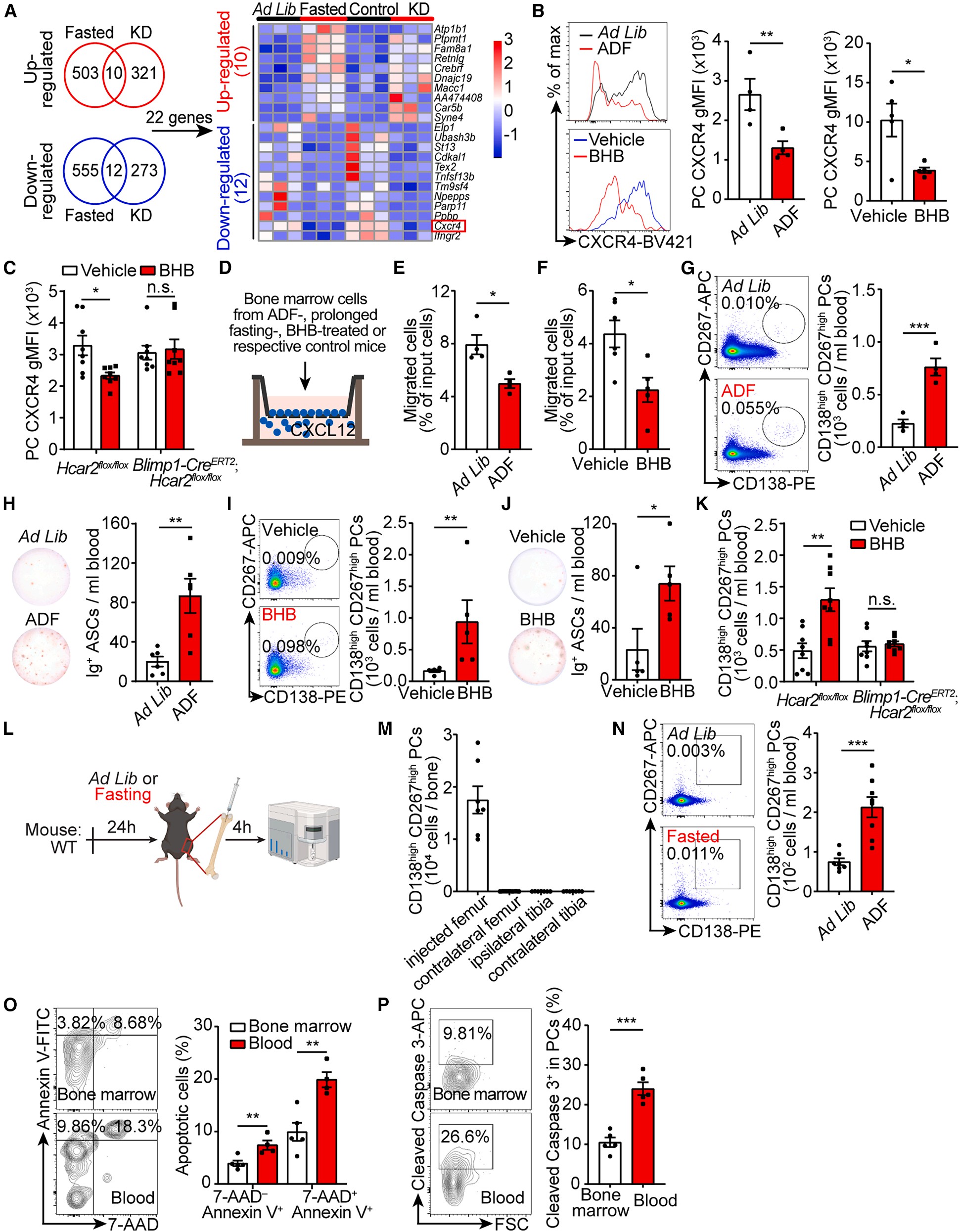
Fig. 6 BHB depletes BM PCs by mobilizing them into the circulation via HCAR2-Gαi–AC–cAMP axis-mediated downregulation of CXCR4
How exactly do plasma cells disappear from the bone marrow? A chemokine receptor called CXCR4, present on the plasma cell surface, is crucial for anchoring them within the bone marrow survival niche. Through RNA sequencing and flow cytometry validation, the researchers found that both fasting and β-hydroxybutyrate treatment reduced CXCR4 expression. Additionally, flow cytometry showed a significant increase in the number of plasma cells in the peripheral blood of fasting mice. Experiments using antibody labeling to mark endogenous plasma cells in the femur confirmed that fasting prompts plasma cells to migrate from the bone marrow to the peripheral blood; once they leave the protective bone marrow environment, the plasma cells undergo apoptosis.
5. The HCAR2-Gαi-AC-cAMP Signaling Axis Mediates CXCR4 Downregulation
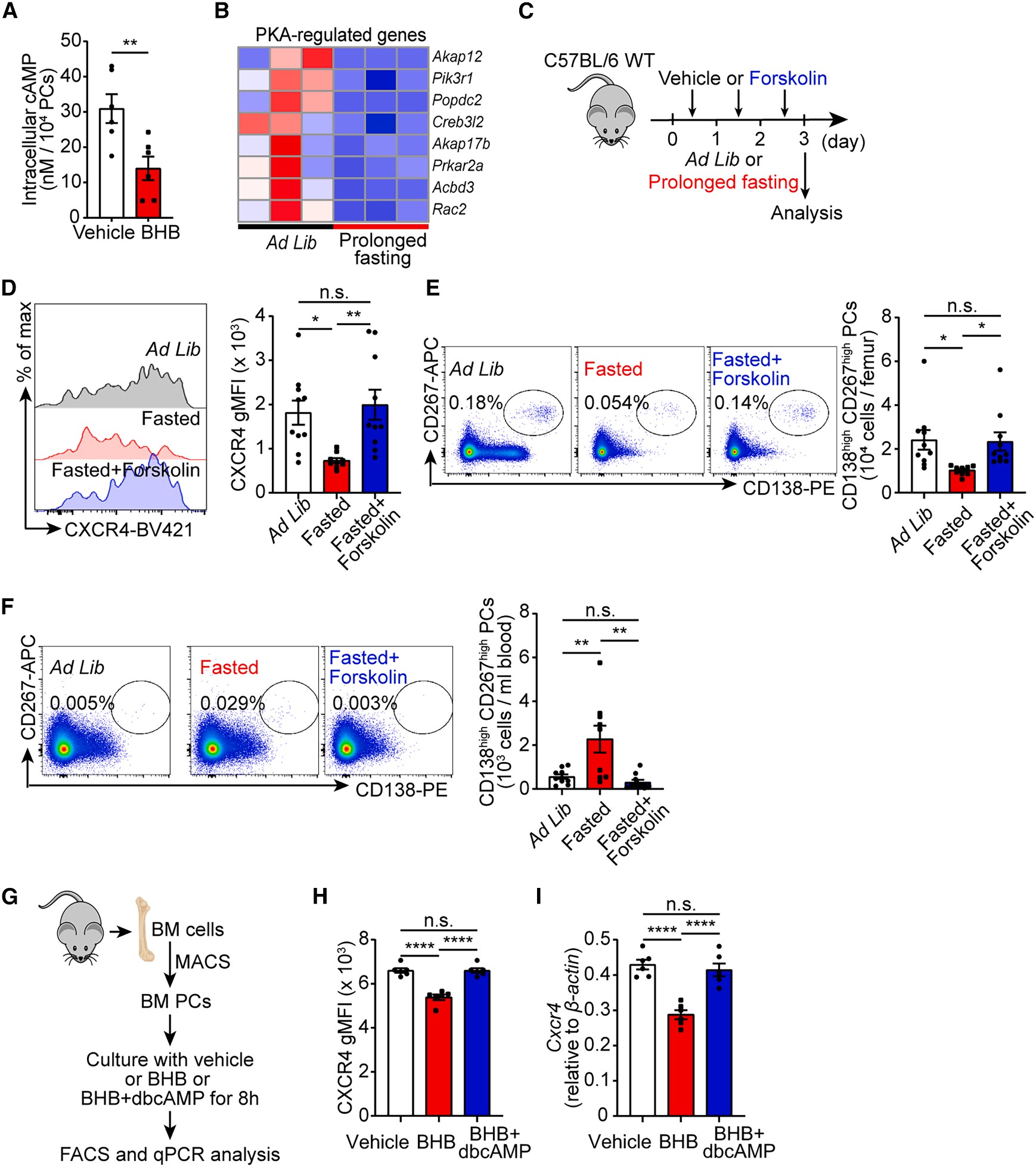
Fig. 7 The HCAR2-Gαi-AC-cAMP axis mediates the downregulation of CXCR4 on PCs
The research indicates that activation of HCAR2 by β-hydroxybutyrate inhibits adenylyl cyclase activity via Gαi proteins, leading to a decrease in intracellular cAMP levels within plasma cells. In vitro B cell culture experiments confirmed that β-hydroxybutyrate treatment reduces CXCR4 expression. Adding the cAMP analog db-cAMP could completely reverse this inhibitory effect of β-hydroxybutyrate on CXCR4. Similarly, in vivo use of the adenylyl cyclase activator forskolin blocked the fasting-induced downregulation of CXCR4 and the reduction in plasma cells.
These experimental results clarify the complete mechanism of the β-hydroxybutyrate-HCAR2-cAMP-CXCR4 signaling regulatory pathway.
7. Human Trial Confirms Fasting Accelerates Antibody Decay
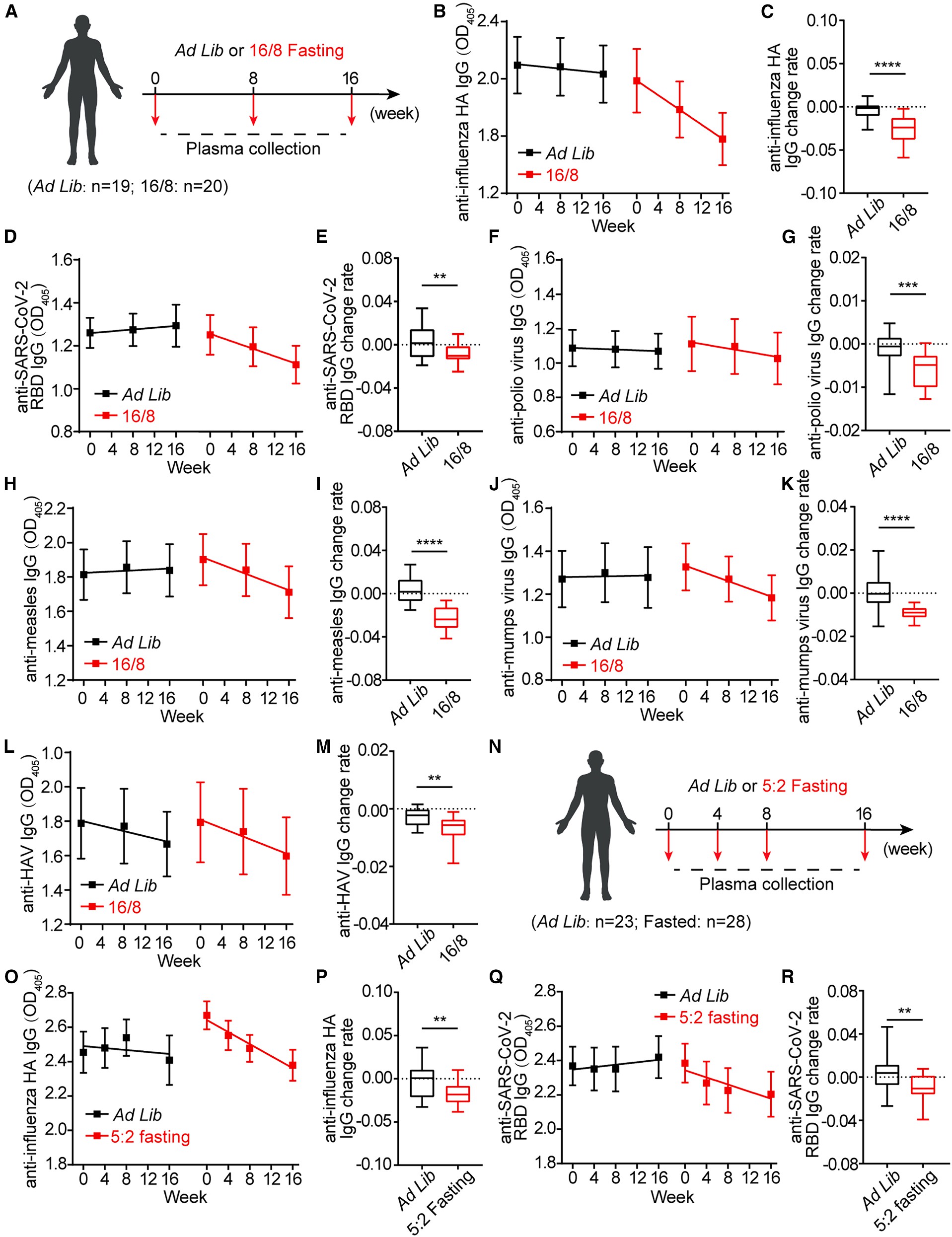
Fig. 8 Fasting accelerates the decay of vaccine- and infection-induced antibodies in humans
Finally, the research team recruited healthy volunteers for clinical trials involving 16:8 time-restricted feeding and 5:2 intermittent fasting. Long-term monitoring of antibody levels against vaccine antigens such as influenza, COVID-19, and polio in the volunteers' plasma using ELISA showed that the decay rate of specific antibodies was faster in the fasting groups compared to the control group. Flow cytometry analysis of the volunteers' peripheral blood revealed a significant increase in the number of circulating plasma cells after fasting, a result consistent with the findings from the mouse experiments.
This study is the first to reveal the mechanism by which fasting impairs humoral immune memory through the β-hydroxybutyrate-HCAR2 signaling pathway. This discovery not only prompts us to reconsider the potential risks of fasting for the immune system but also provides new directions for optimizing vaccine strategies and treating antibody-related autoimmune diseases by modulating this signaling pathway.
In this study, the research team utilized inactivated Sabin type I poliovirus antigen and inactivated hepatitis A virus antigen provided by KMD Bioscience to achieve precise detection of antigen-specific antibodies, ensuring the accuracy and reproducibility of the ELISA results. Leveraging its profound technical expertise in genetic engineering and protein expression and purification, KMD Bioscience continues to provide high-quality IVD Diagnostic Raw Materials, recombinant proteins, and animal disease detection products for the research and diagnostic markets, supporting fundamental medical research and translational applications.

- Protein Platform
- Protein Expression Services
- Protein Modification & Detection Services
- Protein Interaction Services
- Protein Purification Service
- Antibody Discovery Platform
- VHH Antibody Platform
- Phage Display Platform
- Antibody Humanization Platform
- Single B Cell Screening Platform
- Antibody Expression & Validation Platform
- Peptide Library Platform
- Custom Antibody Platform
- Innovative Drug Discovery Platform
- Product Center
- Proteins
- Antibodies
- Raw Materials Reagents
- Small Molecule Reagents
- Peptide Products
- Nanoparticle Products
- Contact Us
- Phone:400-621-6806
- Mobile:13110936064(WeC
- E-mail:[email protected]
- Address:Room 108, Building 10, No. 6 Hechang Road, Wuqing Development Zone, Tianjin City
-

WeChat
-

Service Account
-
 400-621-6806
 -
 3599163699
 -
 Monday to Friday 9:00-18:00
 -

-
 0
0
-
