


A Comprehensive Guide to Antibody Development: From Animal Strain Selection to Titer Determination
- 2026-09-24
- 2
Animal immunization is the first and most critical step in antibody discovery. Any issues at this stage will render all subsequent work—whether it be the production of monoclonal or polyclonal antibodies—meaningless. Animal immunization is not a simple "inject-wait-collect" process.The choice of animal species, antigen dosage, adjuvant type, and immunization interval each directly affect the final antibody quality, affinity, and yield.Therefore, every step is of the utmost importance.A scientifically sound immunization strategy is the cornerstone of a successful antibody discovery project.
This article systematically outlines the key points of immunization strategies in antibody discovery from two perspectives: how to select suitable immunization animals and the complete immunization procedure, providing a comprehensive reference for antibody production from strain selection to titer determination.
I. Selection of Immunization Animals
(i) Mice
Mice, particularly the Balb/c strain, are the "gold standard" model for monoclonal antibody production. In the early stages of antibody discovery, mice are the most commonly selected immunization strategy. Virtually all myeloma cell lines used for hybridoma fusion are derived from Balb/c mice. They are primarily used for the production of monoclonal antibodies against conventional protein antigens.
Age of mice: Balb/c mice aged 6–8 weeks are typically selected
Immunization dose: 10-50 μg per bird for the first immunization with soluble protein antigen
Antibody yield: Total blood collection per mouse is only 1-2 ml, yielding approximately 0.5-10 mg of IgG.
Immunization Schedule: The first blood draw can be performed after 3-4 weeks.
Advantages: a short reproduction cycle, low rearing costs, minimal individual variation, ease of handling, and the ability to produce a strong immune response to a variety of antigens.
Disadvantages: low serum volume, low antibody yield, and a tendency to develop immune tolerance to conserved or self-antigens.
(ii) Rabbit
Rabbit monoclonal antibodies generally exhibit higher affinity than their mouse counterparts, with reported increases of up to 10-to 100-fold in some studies. Rabbits are capable of producing high-affinity IgG antibodies, and all rabbit IgG antibodies bind efficiently to Staphylococcus aureus protein A and Streptococcus protein G[1].
In antibody discovery projects, rabbits are primarily suitable for experiments requiring high-affinity antibodies, such as immunohistochemistry—when mouse immunization strategies fail to meet affinity requirements, rabbits are the preferred alternative. Rabbit polyclonal antibodies are also widely used in the development of diagnostic kits.
Breed: Primarily New Zealand White Rabbits
Immunization dose: The initial vaccination dose is approximately 100–500 μg per rabbit.
Antibody yield: Approximately 10-200 mg of IgG is obtained from a single blood draw of 10-20 ml of serum.
Immunization Schedule: First blood draw at 4-6 weeks
Advantages: the ability to recognize epitopes on human antigens that are not recognized by rodent monoclonal antibodies; low animal housing costs; ease of handling; and the absence of interspecies cross-reactivity interference from rabbit IgG, making it suitable for testing human and mouse samples.
Disadvantages: Significant individual differences.
(iii) Alpacas
Camelids, such as alpacas, naturally produce nanobodies consisting solely of heavy-chain variable regions (VHH). Nanobodies have a small molecular weight (approximately 15 kDa), high stability, and strong tissue penetration[2], this unique advantage makes alpaca immunization strategy one of the most promising frontiers in antibody discovery in recent years.
VHH antibodies obtained through alpaca immunization can be further used to construct phage display nanobody libraries for high-throughput screening.
Age of the alpaca: 28-36 months
Vaccination schedule: 5-7 doses over 8-10 weeks
Library size: Effective library capacity >108
Advantages: the ability to naturally produce nanobodies, as well as high affinity and specificity.
Disadvantages: significant individual variation, high experimental costs, long experimental cycles, and the risk of interference from immune interference.
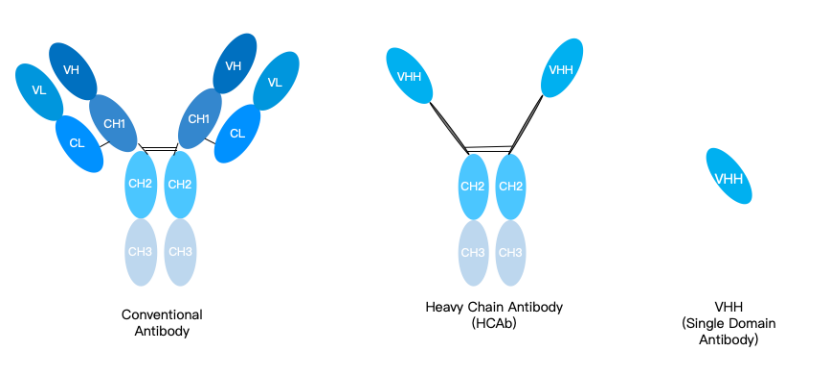
Figure 1: Schematic Diagram of the Peptide Domain of a Llama Antibody
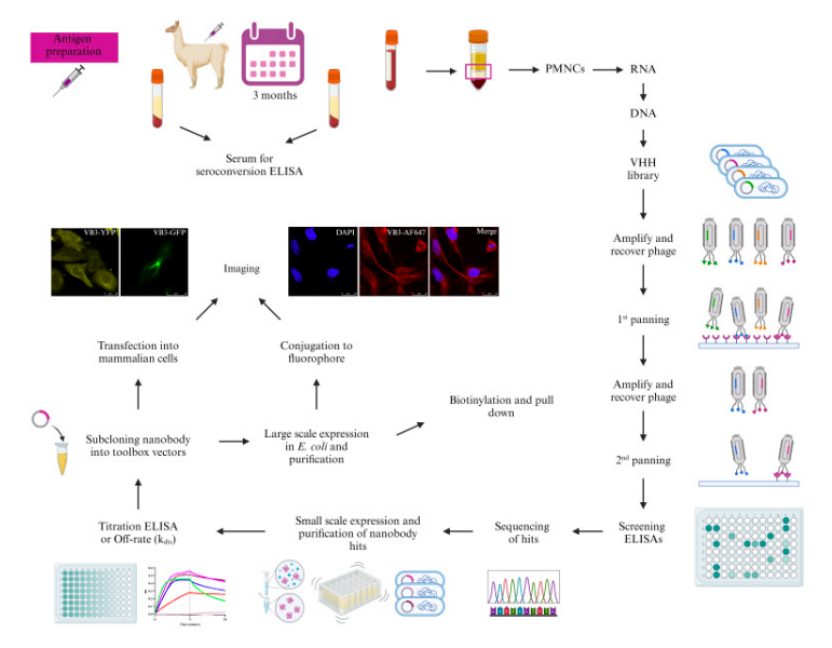
Figure 2: Flowchart of the Process for Generating Nanobodies in Llamas[2]
(iv) Genetically Modified Animals
To address the issue of immunogenicity of mouse-derived antibodies in humans, transgenic animals were developed. These antibody discovery platforms can directly generate fully human monoclonal antibodies without the need for humanization, greatly accelerating the antibody production process.
OmniRat:Conventional humanized transgenic mice produce human antibodies much less efficiently than they produce murine antibodies, likely due to suboptimal compatibility between the human membrane IgH chain and mouse cellular signaling mechanisms. To address this, OmniRat was developed to carry chimeric human IgH loci and fully human Igκ and Igλ gene loci[3].
OmniChicken:OmniChicken leverages the phylogenetic distance between chickens and mammals to break immune tolerance against highly conserved mammalian targets (e.g., BDNF), enabling the generation of fully human sequence antibodies particularly for targets that fail to elicit responses in mice or rabbits[4].
II. Immunological Process Design
(i) Pre-Vaccination Preparations
Animal Requirements: SPF-grade animals must be used for animal immunization to ensure the antibody production process is free from pathogen interference.
Antigen Preparation:
Ø Soluble protein antigen: Purity must be 95% or higher; endotoxins must be removed.
Ø Peptide antigens (molecular weight < 10 kDa): Must be conjugated to a carrier protein to enhance immunogenicity
Ø Small-molecule antigens (molecular weight < 1kDa): These must also be conjugated to a macromolecular carrier to form a “hapten-carrier complex.”
Ø Transmembrane proteins: Recombinant proteins of the extracellular domain, stably transfected cell lines, or virus-like particles may be used for immunization.
(ii) Immunization Program Design
Choice of Adjuvant
Freund’s adjuvant: Many studies use Freund’s complete adjuvant (CFA) for the primary immunization and Freund’s incomplete adjuvant (IFA) for the booster immunization; the antigen and adjuvant are emulsified in a 1:1 ratio to form a “water-in-oil” emulsion[1].
Aluminum adjuvants: The most widely used adjuvants in human vaccines, primarily aluminum hydroxide or aluminum phosphate.
Liposomes: Microscopic vesicles composed of a phospholipid bilayer that can encapsulate antigens.
Montanide ISA Adjuvant: A variety of oil-in-water (w/o) or water-in-oil (o/w) emulsions based on mineral oil or metabolizable oils.
Ribi Adjuvant System: Contains squalene, Tween 80, and mycobacterial cell wall components; it activates TLR pathways and induces a milder inflammatory response than CFA.
Immunizing Dose
The typical dose is 10-50 μg per mouse[5]; 20-100 μg per rat; 100–500 μg per rabbit; and 200 μg–1 mg per alpaca.
Immunization Routes
Subcutaneous multipoint injection: Select 4-6 sites on the animal’s back to increase the contact area between the antigen and immune cells.
Intraperitoneal injection: Easy to perform and more suitable for experiments with mice.
Intramuscular injection: More suitable for experiments on large animals such as rabbits
Intravenous injection: Use only with soluble, non-toxic antigens.
Titer Testing
Antibody levels typically peak 7-10 days after the booster immunization. At this point, a small serum sample can be collected via blood draw for titer testing. The primary purpose of titer testing is to assess whether the immune response has reached the expected level, thereby determining whether a booster dose is needed and when to perform splenocyte fusion or collect whole blood.
The most commonly used method for titer determination is the indirect enzyme-linked immunosorbent assay (ELISA). The basic principle is as follows: a known antigen is adsorbed onto the surface of a solid-phase carrier; a serum sample to be tested, diluted in a gradient, is added; if the serum contains specific antibodies, they bind to the solid-phase antigen; an enzyme-labeled anti-species secondary antibody (such as anti-mouse IgG-HRP) is then added; and the absorbance value is measured through a substrate-mediated color reaction, with absorbance values proportional to antibody concentration.
Animal immunization is the cornerstone of successful antibody development. This article outlines strategies in terms of both animal selection and process design: Balb/c mice are the gold standard; rabbits exhibit high affinity; alpacas produce nanobodies; and transgenic animals address the challenges of humanization and conserved targets. During immunization, attention must be paid to antigen purity, adjuvant selection, species-specific dosages, and routes of administration, as each of these factors influences the final antibody quality.
Leveraging its comprehensive antibody technology platform, KMD Bioscience has integrated the animal immunization strategies described in this article into a comprehensive one-stop service offering. In terms of animal selection, the company not only offers classic murine monoclonal antibody development services but has also established a standardized nanobody development platform. KMD Bioscience provides end-to-end technical support to help both research and industrial users efficiently obtain high-quality antibodies.
FAQs
Q1:Why can the Freund's Complete Adjuvant (CFA) only be used for the initial immunization and not for booster immunizations?
CFA contains inactivated Mycobacterium tuberculosis, which strongly stimulates cellular immunity but can also cause severe local inflammation, granulomas, and even ulcers. Repeated use can lead to cumulative side effects, and excessive inflammation may actually interfere with the effectiveness of booster immunizations. For booster immunizations, it is common to switch to the non-mycobacterial Freund’s incomplete adjuvant (IFA), which continues to stimulate the immune response while avoiding severe side effects.
Q2:Apart from issues with antigen quality, what other possible causes could explain low antibody levels in animals after vaccination?
Ø Immune tolerance: When an antigen is too closely related to the host, the body recognizes it as a “self” component and does not mount an immune response
Ø Adjuvant mismatch: Different adjuvants induce different types of immune responses
Ø Inappropriate immunization routes: The intensity and type of immune responses induced by subcutaneous, intraperitoneal, intramuscular, and intravenous injections differ
Ø Inappropriate immunization intervals: If the interval is too short (<1 week="">1 month), memory cells may deteriorate
Ø Individual Variation Among Animals: Even among animals of the same strain and age, the immune response capacity of different individuals may vary by a factor of several times.
Q3:What Is Immune Tolerance? How Can It Be Overcome?
Immune tolerance is a state in which the body does not mount an immune response to a specific antigen. In antibody development, when the target antigen is an endogenous protein or a highly conserved protein, immunized animals are often unable to produce effective antibodies due to immune tolerance. Strategies to overcome this include:
Ø Choose animals that are more distantly related
Ø Using a transgenic animal platform
Ø Using Potent Adjuvants to Overcome Tolerance
Ø Design chimeric or mutated antigens
Q4:Is the emulsion of the antigen and adjuvant complete, and how can this be determined?
Add the prepared emulsifier drop by drop to cold water—if the droplets remain intact and do not disperse, floating on the water’s surface, this indicates that emulsification is complete and the emulsion is a qualified "water-in-oil" emulsion. If the emulsion disperses in the water, this indicates that emulsification is incomplete, and the emulsion must be prepared again. There are two main methods of emulsification:
Ø Grinding method: Suitable for large-scale preparation, but results in significant antigen loss
Ø Syringe Mixing Method: Two syringes are connected by a thin rubber tube and the contents are injected alternately, facilitating aseptic technique.
Q5:What ethical issues need to be considered in animal immunology experiments?
The Institutional Animal Care and Use Committee (IACUC) requires:
Ø The use of adjuvants must be approved by an ethics committee.
Ø Adjuvants that can cause severe reactions must be scientifically sound.
Ø If the goal is simply to produce conventional antibodies, adjuvants that induce a milder inflammatory response should be preferred.
Ø Systemic pain and distress in laboratory animals must be assessed.
References
[1]Yam PC, Knight KL. Generation of rabbit monoclonal antibodies. Methods Mol Biol. 2014;1131:71-9. doi: 10.1007/978-1-62703-992-5_5. PMID: 24515460.
[2]Eyssen LE, Ramadurai S, Abdelkarim S, Buckle I, Cornish K, Lin H, Jones AK, Stephens GJ, Owens RJ. From Llama to Nanobody: A Streamlined Workflow for the Generation of Functionalised VHHs. Bio Protoc. 2024 Mar 20;14(6):e4962. doi: 10.21769/BioProtoc.4962. PMID: 38841291; PMCID: PMC10958182.
[3]Osborn MJ, Ma B, Avis S, Binnie A, Dilley J, Yang X, Lindquist K, Ménoret S, Iscache AL, Ouisse LH, Rajpal A, Anegon I, Neuberger MS, Buelow R, Brüggemann M. High-affinity IgG antibodies develop naturally in Ig-knockout rats carrying germline human IgH/Igκ/Igλ loci bearing the rat CH region. J Immunol. 2013 Feb 15;190(4):1481-90. doi: 10.4049/jimmunol.1203041. Epub 2013 Jan 9. Erratum in: J Immunol. 2013 Jun 15;190(12):6707. PMID: 23303672; PMCID: PMC3566577.
[4]Ching KH, Keating S, Zeng B, Espinosa DA, Stack E, Wall S, Beyer S, Wade J, Tam A, Cunningham O, Chowdhury R, Zhang Y, Morales J, Abdiche Y, Leighton PA, Darmanin Sheehan A, Harriman W. Generation of human sequence antibodies in OmniChicken against the highly conserved mammalian target BDNF using three distinct discovery workflows. MAbs. 2026 Dec;18(1):2672771. doi: 10.1080/19420862.2026.2672771. Epub 2026 Jun 4. PMID: 42237848; PMCID: PMC13240955.
[5]Zheng J, Zhang H, Bao K, Gao W, Xu C, Xia C. Preparation of Monoclonal Antibodies Against Bovine Progesterone. Monoclon Antib Immunodiagn Immunother. 2015 Aug;34(4):275-7. doi: 10.1089/mab.2015.0001. PMID: 26301932.
- Animal immunization
- Antibody production

- Protein Platform
- Protein Expression Services
- Protein Modification & Detection Services
- Protein Interaction Services
- Protein Purification Service
- Antibody Discovery Platform
- VHH Antibody Platform
- Phage Display Platform
- Antibody Humanization Platform
- Single B Cell Screening Platform
- Antibody Expression & Validation Platform
- Peptide Library Platform
- Custom Antibody Platform
- Innovative Drug Discovery Platform
- Product Center
- Proteins
- Antibodies
- Raw Materials Reagents
- Small Molecule Reagents
- Peptide Products
- Nanoparticle Products
- Contact Us
- Phone:400-621-6806
- Mobile:13110936064(WeC
- E-mail:[email protected]
- Address:Room 108, Building 10, No. 6 Hechang Road, Wuqing Development Zone, Tianjin City
-

WeChat
-

Service Account
-
 400-621-6806
 -
 3599163699
 -
 Monday to Friday 9:00-18:00
 -

-
 0
0
-
