


mRNA Technology in Antibody Therapeutics: Active Immunity vs Encoded Drugs
- 2026-07-25
- 146
The first two articles discussed how mRNA initiates the innate immune response and how perfect immunogens can be engineered through antigen design; below, we will turn our attention to the antibodies themselves. mRNA technology is reshaping our relationship with antibodies in two distinctly different ways: firstly, by inducing the body to ‘actively’ produce high-quality antibodies; and secondly, by enabling the body to act as a ‘contract manufacturer’ for therapeutic antibody drugs. Two pathways, sharing a single toolkit.
Traditional antibody production relies on immunising animals to obtain polyclonal antibodies, or on screening for monoclonal antibodies using techniques such as hybridoma and phage display. These methods have played a vital role in antibody discovery and production. mRNA technology also offers an entirely new immunological strategy, capable of both inducing the active production of broad-spectrum polyclonal antibodies in vivo and directly encoding monoclonal antibody therapeutics, thereby bringing about a paradigm shift from ‘immunising animals’ to ‘encoding sequences’.
I. Inducing High-Quality Active Antibodies: The ‘Battle of Evolution’ in the Germinal Centre
(i) The Germinal Centre is an ‘Evolutionary Laboratory’ for Antibody Maturation
In the first article, it was noted that B cells undergo ‘Darwinian’ evolution within the germinal centre, exhibiting the overall characteristic of a ‘core with variable trajectories and a stable phenotype’. Specifically, this evolution relies on rigorous affinity selection: B cells with low affinity are eliminated, whilst only those with high affinity are retained; at the same time, the selection process must also ensure the stability of antibody expression, meaning that any mutations causing folding defects are likewise eliminated. However, the selective advantage conferred by a single beneficial mutation is extremely slight, It takes multiple rounds of somatic high-frequency mutations and cumulative selection for B cells to gradually acquire higher affinity to achieve stable maturation[1].
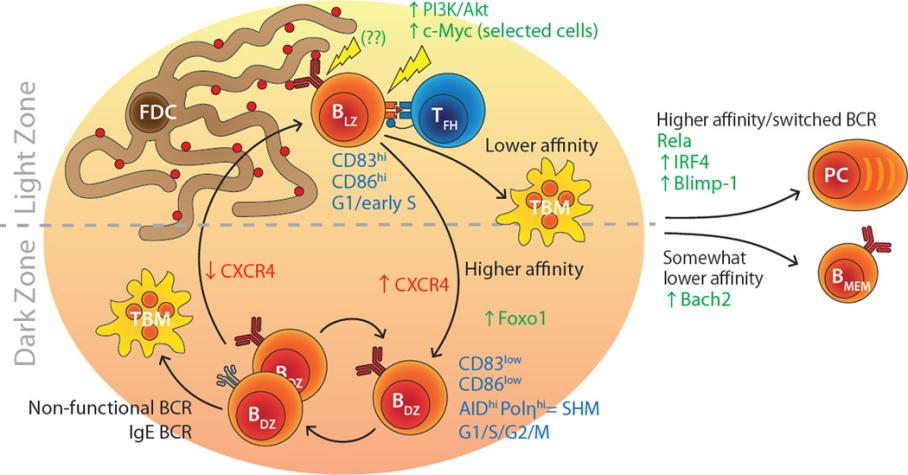
Figure 1: Overview of the GC Reaction[2]
(ii) Antigen Persistence Influences the Duration of the GC Response
The expression window for antigens delivered via mRNA-LNP is typically 1–2 weeks, which directly influences the duration of the germinal centre. A sustained supply of antigen typically helps prolong the GC response, but its duration is also influenced by factors such as Tfh cell support and antigen storage by follicular dendritic cells.Under normal circumstances, the longer the antigen expression window, the longer the germinal centre response is maintained, the more rigorous the selection of B cells, and the higher the quality of the resulting plasma cells and memory B cells. The germinal centres established following the initial mRNA immunisation generally begin to fade after 4–6 weeks, whilst the booster dose acts to ‘fan the flames’ just as they are about to die out, allowing the high-affinity B cells that have undergone selection to re-enter the germinal centres, thereby further increasing their affinity.
(iii) Evaluation Criteria
①Neutralising Antibody Titre: This reflects the level of neutralising antibodies, i.e. functional antibodies, and is a direct indicator of protective efficacy.
②Affinity: A measure of the strength of the antigen–antibody bond, which determines whether the pathogen can be effectively neutralised at low antigen concentrations.
③Broad-Spectrum Efficacy: Primarily targeting highly mutable viruses such as influenza, HIV and COVID-19, the antibodies demonstrate greater universality against viral variants and are capable of recognising and neutralising different variants.
II. mRNA-encoded Antibody Drugs: from Blueprint to Contract Manufacturing
If the first part involves the body producing its own weapons, then mRNA-encoded antibodies involve sending the blueprint to cells, transforming them into expression factories that produce ready-made antibody drugs. Bypassed the large-scale in vitro production and purification steps typically involved in the production of recombinant antibodies, utilising known antibody sequences directly for in vivo production, thereby providing a completely new route for the rapid preparation of monoclonal antibodies.
(i) Design for the Co-Expression of Light and Heavy Chains
Correct pairing of homologous heavy and light chains is crucial for the specificity of antibodies. In the early days, dual promoters or dual vectors were used to express the light and heavy chains separately; however, this method carries the risk of an imbalance in the expression ratio. The current mainstream strategy is to utilise a single open reading frame, achieving equimolar co-expression of the light and heavy chains via a 2A self-cleaving peptide[3]. In recent years, natural antibody formats without light chains, such as nanobodies (VHH), have also provided simpler expression strategies for mRNA antibody development.
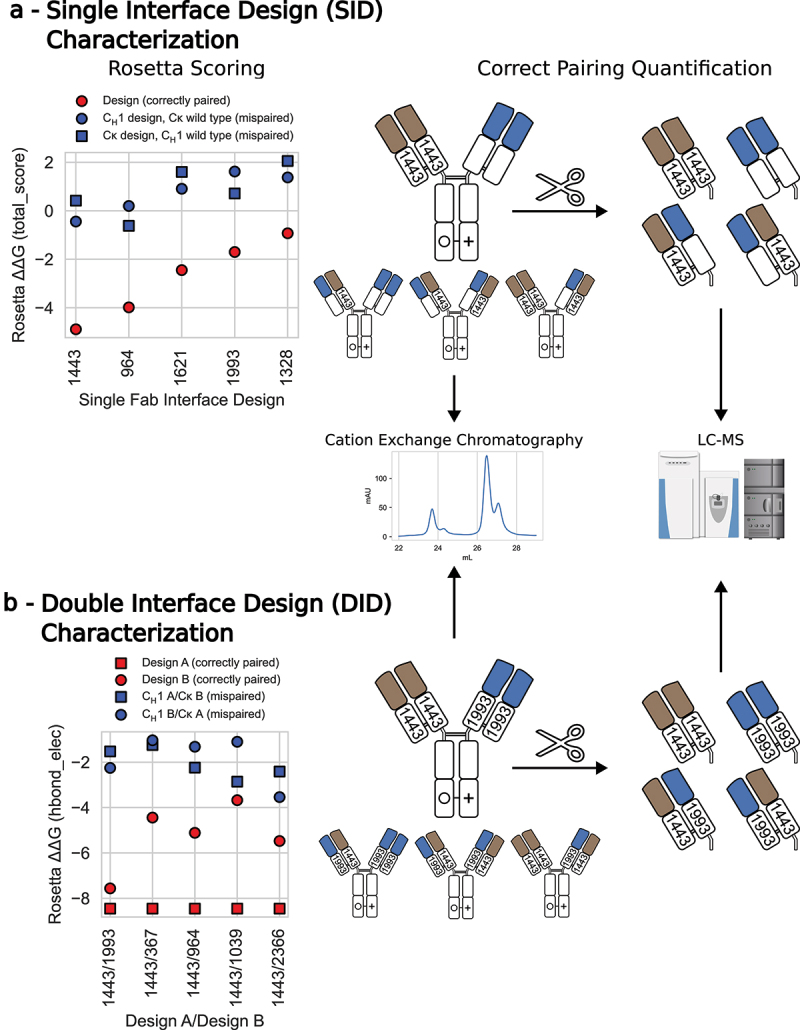
Figure 2: Characterisation of a Single-Interface Design Via Computer Simulation[3]
(ii) mRNA Encoding of Complex Antibody Formats
①Bispecific Antibodies:
The advantage of bispecific antibodies lies in their ability to bind to two different antigens or epitopes simultaneously, enabling multi-target therapy whilst maintaining robust stability and biological activity. This characteristic is particularly important for addressing complex diseases involving multiple receptors, ligands or signalling pathways.
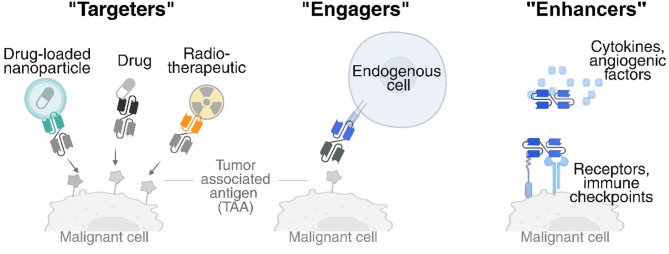
Figure 3: Mechanism of Action of Bispecific Antibodies[4]
②Engineering Modifications:
By employing a single-stranded mRNA encoding approach, the efficiency of antibody light and heavy chain assembly is improved; the mRNA platform can encode engineered nanobodies, thereby expanding the range of antibody design strategies available for engineering modifications. This flexible design capability is unrivalled by traditional antibody preparation methods and further enriches the repertoire of antibody discovery strategies.
③Antibody-Cytokine Fusion Proteins:
Combining antibody specificity with cytokine-mediated immune activation within a single molecule to enhance the local immune response.
III. Pharmacokinetic Delivery
For mRNA-encoded antibodies to make the transition from the laboratory to the patient’s bedside, they must also overcome three major hurdles relating to pharmacokinetics and delivery.
①Targeted Delivery:
Extrahepatic targeted delivery is considered one of the key challenges in the further clinical translation of mRNA-based antibody drugs.At present, LNP tends to accumulate in the liver, and the efficacy of antibodies that acting at peripheral sites remains unclear; active targeting strategies are currently being explored; with regard to local administration, animal models have already demonstrated that vaginal aerosol administration provides robust protection against multiple SHIV strains in in vitro vaginal tissue challenge assays using rhesus macaques [5].
②Expression Kinetics and Dose Control:
Unlike traditional protein-based antibodies, which have a half-life of several weeks to several months, the expression of mRNA-encoded antibodies typically peaks 24–48 hours after administration and gradually declines over the course of a few days. Whilst this is an advantage in the treatment of certain acute conditions, it necessitates repeated dosing when sustained antibody exposure is required.
③Immunogenicity Challenges Associated with Repeated Dosing:
Upon repeated administration, the PEG-conjugated lipids contained in LNPs, combined with the inherent innate immune-activating properties of mRNA, may induce the body to produce anti-drug or anti-PEG antibodies. Such an immune response not only accelerates the rate of drug clearance from the body but also potentially increases safety risks. Current countermeasures primarily include optimising the lipid composition of LNPs, introducing pseudouridine modification to reduce the immunostimulatory potential of mRNA, and appropriately extending the dosing interval.
In research and clinical settings, these two approaches are not ‘mutually exclusive’ but rather represent ‘strategic synergy’. Taking emerging infectious diseases as an example, emergency passive immunisation could first be administered using mRNA encoding antibodies, whilst simultaneously inducing long-term active immunity using an mRNA vaccine encoding the antigen.
mRNA technology has opened up two strategic pathways in the field of antibodies: the induction of active antibodies—utilising affinity screening in the germinal centre and the regulation of antigen persistence to produce high-titre, high-affinity, broad-spectrum antibodies; and the encoding of antibody drugs—enabling the direct in vivo production of complex formats such as monoclonal antibodies and bispecific antibodies via mRNA, whilst facing challenges such as targeted delivery, pharmacokinetics and the immunogenicity associated with repeated dosing. These two approaches work in synergy and complement each other, providing novel technical pathways—from prevention to treatment—for the prevention and control of infectious diseases and cancer immunotherapy.
KMD Bioscience can provide support across the entire value chain of mRNA antibody technology:Upstream provides antibody sequence discovery and screening through technical platforms such as phage display, hybridoma and single B-cell sorting;Midstream optimises antibody performance through antibody modification services such as affinity maturation, humanisation and nanobody engineering;Downstream processes, through analytical services such as antibody purification, binding kinetics studies and potency validation, complete the quality characterisation of antibody therapeutics, thereby forming a complete closed-loop process from antibody discovery to functional validation.
Across these three articles, we have traced the complete journey from mRNA entry to antibody production. In the first article, we looked from within the cell at how the immune system recognises mRNA as a ‘foreign blueprint’, and how nucleoside modifications and LNP ingeniously resolve the conflict between inflammation and translation. In the second article, we shifted our focus to the designers, exploring how rational modification of antigen structures can guide the immune system to produce the ‘perfect antibodies’ we desire. The third article opens the door to practical applications, demonstrating the dual potential of this technology—from active immune antibodies induced by mRNA vaccines to therapeutic antibodies directly encoded by mRNA. Spanning fundamental mechanisms, design strategies and practical implementation, this logical chain not only lies at the heart of mRNA technology but also serves as the starting point for our understanding of next-generation vaccines and antibody therapeutics.
References
[1]DeWitt WS, Vora AA, Araki T, Galloway JG, Alkutkar T, Bortolatto J, Castro TBR, Dumm W, Jennings-Shaffer C, Jia T, Mesin L, Ozorowski G, Pae J, Ralph DK, Bloom JD, Nourmohammad A, Song YS, Ward AB, Starr TN, Matsen FA 4th, Victora GD. Replaying germinal center evolution on a quantified affinity landscape. bioRxiv [Preprint]. 2025 Jun 5:2025.06.02.656870. doi: 10.1101/2025.06.02.656870. Update in: Cell. 2026 Jun 5:S0092-8674(26)00572-6. doi: 10.1016/j.cell.2026.05.013. PMID: 40661619; PMCID: PMC12258878.
[2]Mesin L, Ersching J, Victora GD. Germinal Center B Cell Dynamics. Immunity. 2016 Sep 20;45(3):471-482. doi: 10.1016/j.immuni.2016.09.001. PMID: 27653600; PMCID: PMC5123673.
[3]Barlow KA, Battles MB, Brown ME, et al. Design of orthogonal constant domain interfaces to aid proper heavy/light chain pairing of bispecific antibodies. MAbs. 2025;17(1):2479531. doi:10.1080/19420862.2025.2479531
[4]Battistini E, Lapuhs P, Jiménez A, Garrido-Areal S, Rivas-Gómez L, Zagorac I, Álvarez-Vallina L, Alonso MJ, Sanjurjo L. Bispecific antibodies and nanotechnology: a strategic alliance in cancer immunotherapy. Mol Cancer. 2025 Nov 17;24(1):292. doi: 10.1186/s12943-025-02501-9. PMID: 41250091; PMCID: PMC12625062.
[5]Joo JY, Xiao P, John SP, et al. Intravaginal delivery of mRNA-encoded antibodies with enhanced breadth and potency for SHIV/HIV protection. Nat Commun. 2025;16(1):10463. Published 2025 Nov 25. doi:10.1038/s41467-025-65456-x
FAQs
I. The article mentions that B cells in the germinal centre undergo ‘thousands of fate decisions’ before they mature. What exactly does this ‘fate decision’ refer to?
‘Fateful decisions’ refer to the choices that B cells face at every stage of their repeated migration between the dark and light zones of the germinal centre: whether to continue proliferating and mutating, or to exit the process and differentiate into memory B cells or plasma cells. Each migration is accompanied by the capture of an antigen, its presentation to Tfh cells, and the determination of whether to receive a survival signal or an apoptosis signal. The phrase ‘thousands of times’ in the article is a quantitative generalisation: within a single germinal centre response, a single B-cell clone may undergo dozens of such cycles, each involving multiple ‘decisions’ at the molecular level.
II. The antigen expression window lasts 1–2 weeks, but the germinal centre can persist for 4–6 weeks. Why do these two time scales differ?
Although the in vivo translation and expression of antigens delivered via mRNA-LNP is indeed concentrated in the first one to two weeks, antigens captured by dendritic cells and follicular dendritic cells can persist in the germinal centres of lymph nodes in the form of immune complexes for several weeks. The persistence of this ‘antigen pool’ provides a continuous ‘fuelling’ for germinal centre B cells. Consequently, whilst the window of antigen expression is brief, the duration of antigen presentation can be considerably longer.
III. Of the three indicators used to assess antibody quality, how exactly is ‘broad-spectrum activity’ measured?
Broad-spectrum activity is typically assessed through cross-neutralisation assays—immunoserum is collected and tested for neutralisation against different viral variants; the neutralisation titres against these variants are calculated to evaluate the antibodies’ ability to recognise and neutralise different variants.
IV. Antibodies encoded by mRNA ‘gradually fade after a few days’—how many days exactly? How long do they last?
Specific data vary depending on the type of antibody, the mRNA dose and the delivery vector. In mouse models, serum concentrations of mRNA encoding antibodies typically peak 24–48 hours after administration, before gradually declining to the limit of detection within 7–14 days. For example, the expression levels of mRNA encoding neutralising antibodies in mice usually begin to decline significantly after around one week and have largely disappeared by 3–4 weeks.
V. What is the probability of drug-binding antibodies and anti-PEG antibodies occurring?
The frequency varies depending on the individual and the dosing regimen. Among individuals who have received multiple doses of mRNA vaccines, the incidence of anti-PEG antibodies is estimated to be between 20% and 40%; the majority of these are low-titre and have no significant clinical consequences, but the risk is significantly higher in therapeutic mRNA settings. The incidence of anti-drug antibodies varies considerably depending on the drug molecule; there is currently a lack of systematic clinical data on mRNA-encoded antibody drugs.
- mRNA technology
- LNP delivery
- mRNA-encoded antibodies

- Protein Platform
- Protein Expression Services
- Protein Modification & Detection Services
- Protein Interaction Services
- Protein Purification Service
- Antibody Discovery Platform
- VHH Antibody Platform
- Phage Display Platform
- Antibody Humanization Platform
- Single B Cell Screening Platform
- Antibody Expression & Validation Platform
- Peptide Library Platform
- Custom Antibody Platform
- Innovative Drug Discovery Platform
- Product Center
- Proteins
- Antibodies
- Raw Materials Reagents
- Small Molecule Reagents
- Peptide Products
- Nanoparticle Products
- Contact Us
- Phone:400-621-6806
- Mobile:13110936064(WeC
- E-mail:[email protected]
- Address:Room 108, Building 10, No. 6 Hechang Road, Wuqing Development Zone, Tianjin City
-

WeChat
-

Service Account
-
 400-621-6806
 -
 3599163699
 -
 Monday to Friday 9:00-18:00
 -

-
 0
0
-
