


The Difference Between Virus-Neutralizing Antibodies and IVD Diagnostic Antibodies
- 2026-07-10
- 320
1. What Are Virus-Neutralizing Antibodies?
Neutralizing antibodies (NAbs) are a specialized class of antibodies that can specifically bind to bacterial toxins, pathogens (such as viruses), and their byproducts to neutralize their harmful effects. When pathogenic microorganisms invade a host, the immune system produces corresponding antibodies. Neutralizing antibodies work by binding to antigens on the surface of viruses, directly blocking their attachment to target cell receptors and preventing viral entry into cells. Additionally, antibodies that bind to specific proteins and inhibit their biological functions are also referred to as neutralizing antibodies.
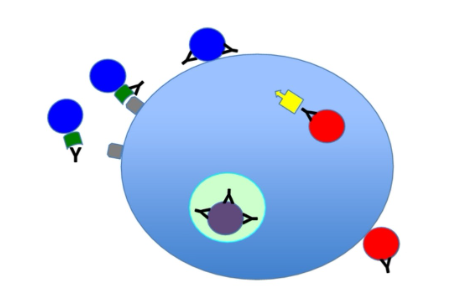
Fig. 1: Neutralization mechanism
2. The Working Mechanism of Neutralizing Antibodies
Neutralizing antibodies can prevent pathogens from infecting the human body by interfering with the way molecules on the pathogen's surface enter host cells. In enveloped viruses (thermosensitive viral cells within a lipid membrane), neutralizing antibodies block viral attachment to cells and subsequent viral entry. In non-enveloped viruses (a type of heat-resistant viral cell lacking a lipid membrane), neutralizing antibodies can bind to capsid proteins, which are the protein shells enclosing the genetic material of the viral cell.
Neutralizing antibodies can also aggregate pathogens and alter their structure and shape (known as conformational changes) to prevent their entry into cells and replication inside them. In bacterial infections, neutralizing antibodies can inhibit the harmful effects of toxins. This has been demonstrated in diphtheria treatments, although they are no longer recommended for preventing diphtheria infections. Once a pathogen is neutralized by NAbs, it is degraded by white blood cells, filtered by the spleen, and eventually excreted from the body through urine or feces.
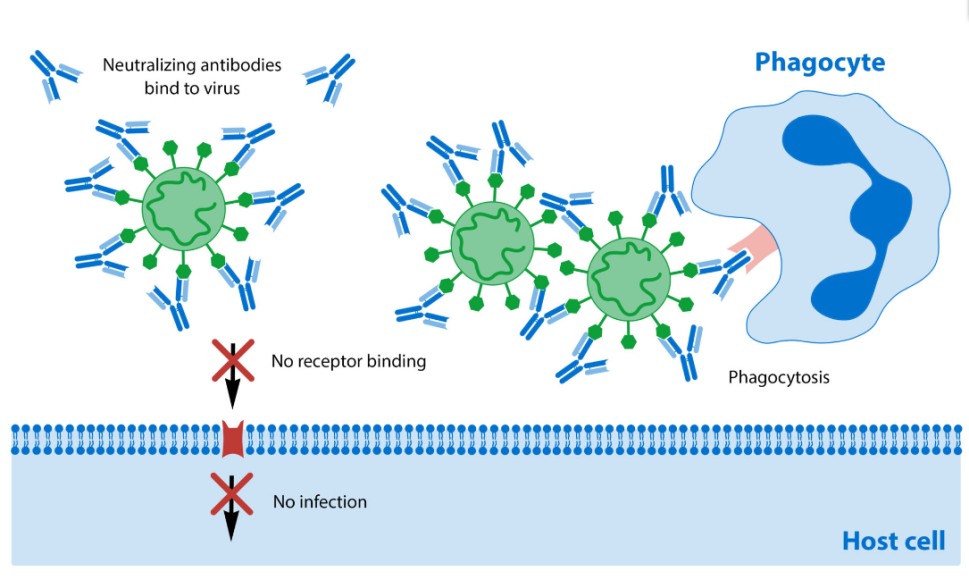
Fig. 2: Mechanism of Neutralizing Antibodies
3. What are IVD Diagnostic Antibodies
In Vitro Diagnostics (IVD) refers to a technology that obtains diagnostic information by testing human samples (such as blood, body fluids, or tissues) outside the human body. The principle involves measuring the intensity or reaction rate between reagents and substances in the sample to determine the nature and quantity of these substances, thereby assessing the physiological state of the individual. IVD offers advantages such as speed, convenience, and effectiveness.IVD antibodies are used in tests designed to detect and diagnose diseases, infections, or other medical conditions. These tests help determine health status to facilitate treatment, alleviation, or prevention of diseases and their complications.
4. The Relationship Between Diagnostic Antibodies and Viral Neutralizing Antibodies
The development and large-scale administration of vaccines help control diseases. Most of these vaccines target protein antigens, ultimately inducing the production of neutralizing antibodies (NAbs) that disrupt viral attachment to specific protein receptors on host cells. Therefore, detecting neutralizing antibodies (NAbs) using in vitro diagnostic assays and monitoring antibody levels over time serve as critical evidence for evaluating vaccine efficacy. This approach also helps determine whether a secondary booster vaccination is necessary.
5. Types of Diagnostic Antibodies
Based on detection principles or methodologies, in vitro diagnostic (IVD) reagents can be categorized into various types, including biochemical diagnostics, immunoassays, molecular diagnostics, urinalysis, microbiological testing, cellular analysis, and hematological testing. KMD Bioscience offers a wide range of antigens and antibodies, such as troponin, heart-type fatty acid-binding protein (H-FABP), B-type natriuretic peptide (BNP), and heparin-binding protein (HBP), for the diagnosis of cardiovascular diseases and inflammatory conditions.
6. Methods for Neutralizing Antibody Preparation
Currently, multiple methods are available for neutralizing antibody preparation, including hybridoma technology, phage display technology, and antibody humanization. KMD Bioscience provides high-quality neutralizing antibody preparation services.It should be noted that KMD Bioscience's neutralizing antibody preparation service only accepts viral samples. The main experimental workflow is as follows:Antigen preparation → Animal immunization → Antiserum collection → Antibody purification → Titer detection → Serum delivery to clients.
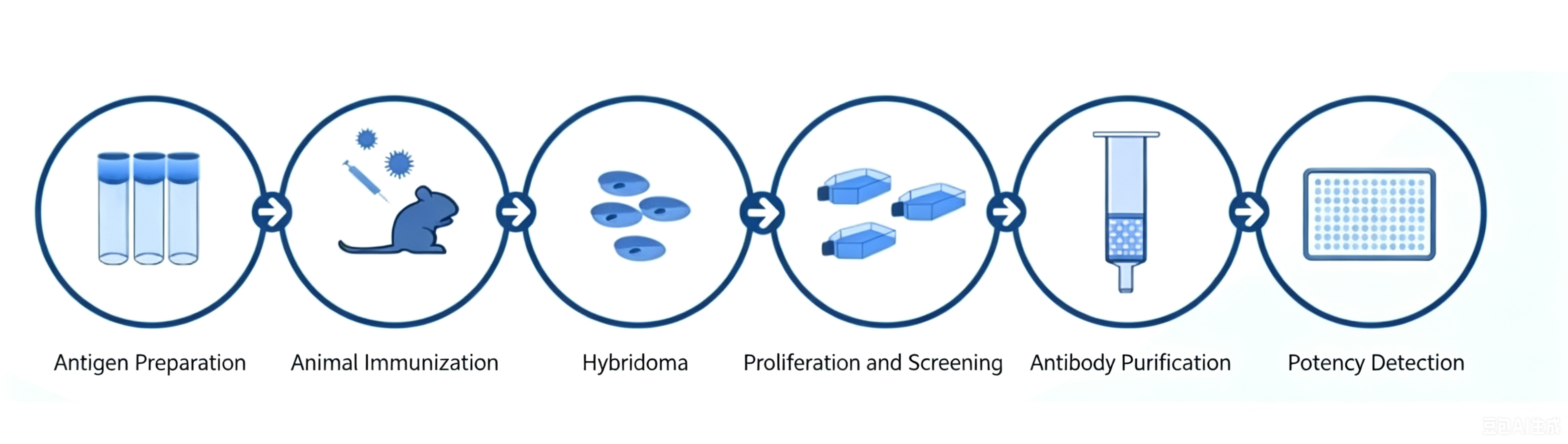
Fig. 3: Preparation Process of Neutralizing Antibodies
7. In Vitro Diagnostic Methods for Detecting Viral Neutralizing Antibodies
ELISA, based on antigen-antibody reactions, has been widely applied to detect various biological molecules and serves as a diagnostic tool. Since the outbreak of COVID-19, numerous ELISA methods have been developed to detect SARS-CoV-2 antibodies, particularly neutralizing antibodies. Using indirect ELISA, specific types of neutralizing antibodies, including IgG, IgA, and IgM, can also be detected.In addition to ELISA, other methods such as chemiluminescent immunoassay (CLIA), chemiluminescent microparticle immunoassay, enzyme-linked fluorescent assay, and fluorescent microsphere immunoassay are also employed for neutralizing antibody detection. A total of 59 SARS-CoV-2 serological/antibody tests have received Emergency Use Authorization (EUA) from the Food and Drug Administration (FDA), most of which are qualitative, while some are semi-quantitative or quantitative.The sensitivity and specificity of ELISA-based serological tests range approximately between 65%–98% and 71%–100%, respectively. CLIA-based serological tests demonstrate higher sensitivity and specificity, at 77%–100% and 90%–100%, respectively, and typically require about 30 minutes to complete. However, CLIA relies on specialized chemiluminescence equipment.Therefore, multiple neutralizing antibody detection methods are available and can be selected based on specific needs. Neutralizing antibody testing helps determine whether the detected antibodies correlate with functional antibodies that ensure population safety during disease outbreaks.
- Virus-neutralizing antibodies
- neutralizing antibodies
- antibody products

- Protein Platform
- Protein Expression Services
- Protein Modification & Detection Services
- Protein Interaction Services
- Protein Purification Service
- Antibody Discovery Platform
- VHH Antibody Platform
- Phage Display Platform
- Antibody Humanization Platform
- Single B Cell Screening Platform
- Antibody Expression & Validation Platform
- Peptide Library Platform
- Custom Antibody Platform
- Innovative Drug Discovery Platform
- Product Center
- Proteins
- Antibodies
- Raw Materials Reagents
- Small Molecule Reagents
- Peptide Products
- Nanoparticle Products
- Contact Us
- Phone:400-621-6806
- Mobile:13110936064(WeC
- E-mail:[email protected]
- Address:Room 108, Building 10, No. 6 Hechang Road, Wuqing Development Zone, Tianjin City
-

WeChat
-

Service Account
-
 400-621-6806
 -
 3599163699
 -
 Monday to Friday 9:00-18:00
 -

-
 0
0
-
