


Bioconjugation Technology
- 2026-07-10
- 291
Bioconjugation, in simple terms, refers to the process of attaching one molecule (often via covalent bonds) to another, resulting in a conjugate composed of the two linked molecules. Bioconjugation technology has broad applications in the development of novel research involving targeted derivatization of proteins, DNA, RNA, carbohydrates, and other biomolecules. It plays a crucial role in areas such as ligand discovery, disease diagnosis, and high-throughput screening, making it a highly promising field of research.
Overview of Bioconjugation Technology:
Bioconjugation is the process of covalently linking two biomolecules. Common biochemical conjugation methods include amine coupling via lysine residues, thiol coupling via cysteine residues, and frequently occurring photochemically initiated radical reactions. The product of bioconjugation is a bioconjugate.
The most common types of bioconjugation involve the coupling of small molecules, such as biotin attached to proteins, or protein-protein linkages, such as antibody-enzyme conjugation. Other less common conjugated molecules include oligosaccharides, nucleic acids, and synthetic polymers like polyethylene glycol (PEG) and carbon nanotubes. Bioconjugate drugs include antibody-drug conjugates (ADCs), PEGylated proteins, siRNA complexes, and vaccine complexes, among others.
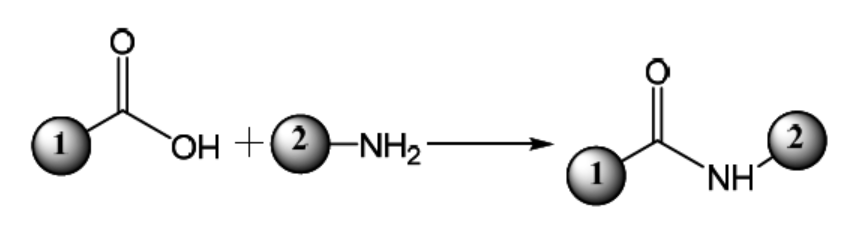
Figure 1 Schematic diagram of conjugation principle
Coupling of Small Molecule Haptens to Carriers:
Small molecules are haptens, which possess reactivity but lack immunogenicity. Only when conjugated to a carrier (typically a protein, though sometimes a polypeptide) to form a complete antigen do they gain immunogenicity and elicit antibody production upon introduction into an animal. Carrier proteins are large molecules capable of independently inducing an immune response. Various types of carrier proteins can be conjugated with small molecules to prepare complete antigens. Commonly used carriers include bovine serum albumin (BSA), keyhole limpet hemocyanin (KLH), ovalbumin (OVA), and bovine thyroglobulin (BTG).The selection of a carrier protein primarily considers factors such as solubility, size, available coupling groups, immunogenicity, and cost. Currently, the most widely used carrier is bovine serum albumin (BSA), owing to its stable chemical properties, resistance to denaturation, abundance of amino groups (particularly lysine residues), and low cost. However, the application of BSA is limited in some immunoassays where it is employed as a blocking agent. Other frequently chosen alternatives include keyhole limpet hemocyanin (KLH) and ovalbumin (OVA).
Methods for Coupling Small Molecule Haptens to Carriers:
1. For compounds containing carboxyl or amino groups, the carbodiimide method or mixed anhydride method is used.
2. For thiol-containing compounds, the maleimide method is employed.
3. For compounds with amino groups in their molecular structure, the glutaraldehyde method is the most commonly used approach.
Applications of Bioconjugation:
1. Biochemical Evaluation: Conjugated small molecules can serve as probes for rigorous biochemical analysis. Non-fluorescent small molecules, such as biotin, can also function as mechanistic probes.
2. Diagnostic Applications: Qualitative and quantitative analysis of clinical samples is crucial for early disease diagnosis. The high specificity of antibody-antigen interactions eliminates the need for sample purification and allows for broad applications.
3. Industrial Applications: Bioconjugation has diverse industrial uses. In the food industry, it can be applied for isomerization reactions (e.g., fumaric acid and malic acid) and food residue detection. In the pharmaceutical sector, immobilized enzymes are employed for drug synthesis, as well as for detecting narcotics, performance-enhancing drugs (doping), and other substances.
KMD Bioscience offers comprehensive professional services in the field of bioconjugation, aiming to achieve stable linkages between antibodies or other proteins and functional molecules such as drug compounds, fluorescent dyes, radiolabels, or enzymes through efficient bioconjugation technologies. Our services include the design of conjugation strategies, optimization of reaction conditions, purification of conjugated products, and detailed characterization of the final products, including assessments of their biological activity and stability.This technology is widely applied in the development of antibody-drug conjugates (ADCs), preparation of biological labels, and the creation of various biomolecular probes, providing robust technical support for drug development, clinical diagnostics, and fundamental research. Leveraging our advanced technology and extensive expertise, KMD Bioscience delivers customized bioconjugation solutions to ensure high specificity and functionality of conjugated products, meeting the stringent demands of clients in biotherapeutics, diagnostics, and scientific research.We are committed to close collaboration with our clients to accelerate project progress and push the boundaries of scientific research and novel drug development.
- Bioconjugation technology
- Hapten
- Small molecule antigen antibody
- Monoclonal antibody preparation

- Protein Platform
- Protein Expression Services
- Protein Modification & Detection Services
- Protein Interaction Services
- Protein Purification Service
- Antibody Discovery Platform
- VHH Antibody Platform
- Phage Display Platform
- Antibody Humanization Platform
- Single B Cell Screening Platform
- Antibody Expression & Validation Platform
- Peptide Library Platform
- Custom Antibody Platform
- Innovative Drug Discovery Platform
- Product Center
- Proteins
- Antibodies
- Raw Materials Reagents
- Small Molecule Reagents
- Peptide Products
- Nanoparticle Products
- Contact Us
- Phone:400-621-6806
- Mobile:13110936064(WeC
- E-mail:[email protected]
- Address:Room 108, Building 10, No. 6 Hechang Road, Wuqing Development Zone, Tianjin City
-

WeChat
-

Service Account
-
 400-621-6806
 -
 3599163699
 -
 Monday to Friday 9:00-18:00
 -

-
 0
0
-
