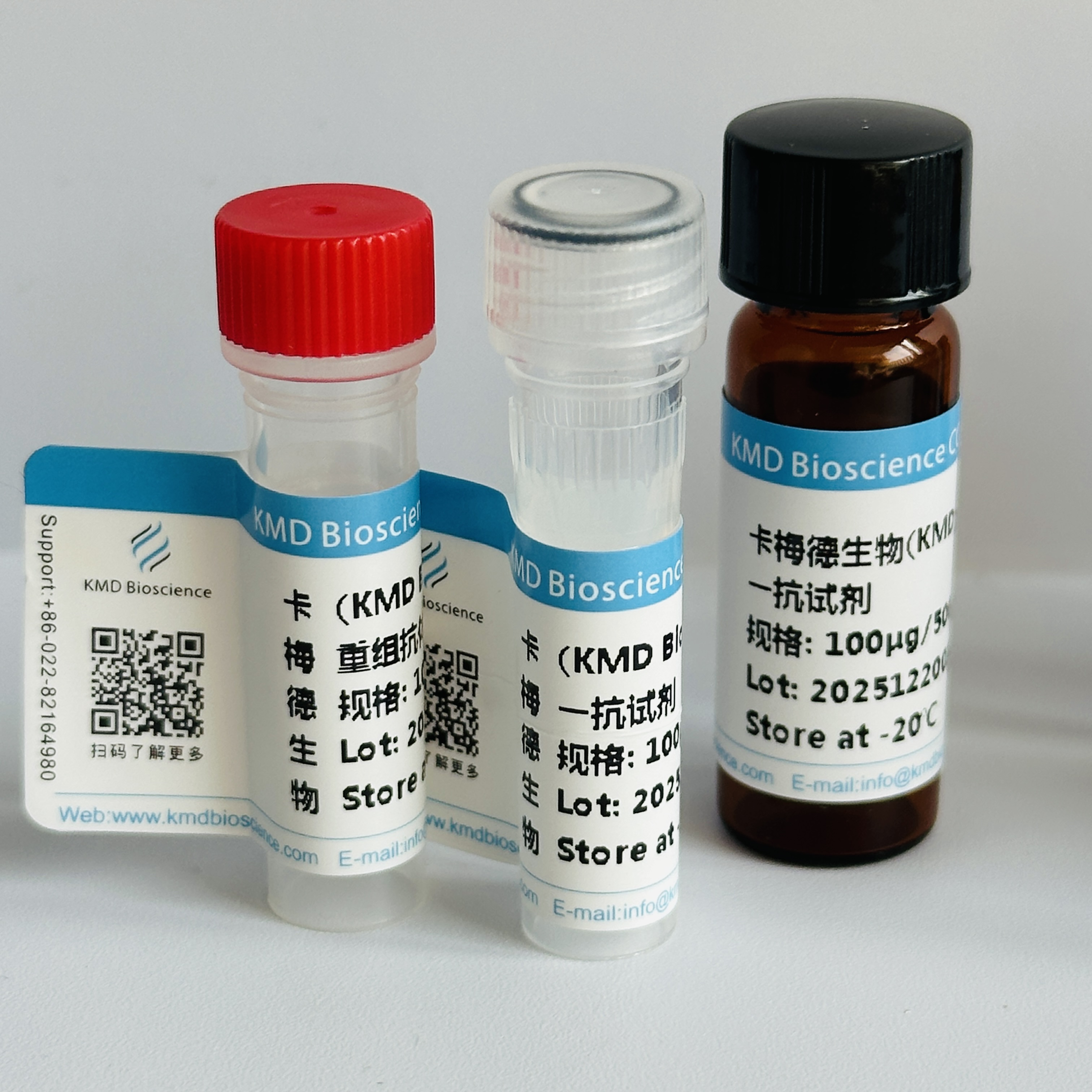
Recombinant Human Fibronectin Protein,Sf9 cell line
-
Product Number
KMP1001-1
-
Alias
Recombinant Human Fibronectin Protein
-
Specifications
- 200ug,1mg

KMP1001-1
Recombinant Human Fibronectin Protein
| Alias | Recombinant Human Fibronectin Protein |
| Catalog Number | KMP1001-1 |
| Product Description | Fibronectin is a high molecular weight extracellular matrix glycoprotein that can bind to transmembrane receptor proteins called integrins. It can also interact with other extracellular matrix proteins such as collagen, fibrin, and heparan sulfate proteoglycans. Fibronectin exists in the form of protein dimers, consisting of two almost identical monomers connected by a pair of disulfide bonds. This protein is encoded by a single gene, but alternative splicing of its precursor mRNA can generate multiple isoforms. Fibronectin has multiple functions, ensuring the normal physiological activities of vertebrates and participating in cell adhesion, growth, migration, and differentiation processes. Fibronectin within cells assemble to form the extracellular matrix - an insoluble network structure responsible for separating and supporting the organs and tissues of the organism. |
| Species | Human |
| Host | Sf9 Cells |
| Size | 200ug,1mg |
| Purity | >95% as determined by SDS-PAGE |
| Endotoxin | < 1.0 EU/μg of the protein as determined by the LAL method. |
| Background | Fibronectin is a high molecular weight extracellular matrix glycoprotein that can bind to transmembrane receptor proteins called integrins. It can also interact with other extracellular matrix proteins such as collagen, fibrin, and heparan sulfate proteoglycans. Fibronectin exists in the form of protein dimers, consisting of two almost identical monomers connected by a pair of disulfide bonds. This protein is encoded by a single gene, but alternative splicing of its precursor mRNA can generate multiple isoforms. Fibronectin has multiple functions, ensuring the normal physiological activities of vertebrates and participating in cell adhesion, growth, migration, and differentiation processes. Fibronectin within cells assemble to form the extracellular matrix - an insoluble network structure responsible for separating and supporting the organs and tissues of the organism. |
| Biological Activity | Test its ability to support cell adhesion and spreading when used as a cell culture substrate. |
| Predicted Molecular Weight | 207 kDa |
| Reconstitution | Suggest dissolving freeze-dried human fibronectin in sterile water at a concentration of 100 μ g/ml as the working concentration for further dilution. |
| Storage Condition | Store at ≤ -20 ° C for 6 months |
| Shipping Condition | Room temperature transportation |
| Stability | It is not recommended to repeatedly freeze and thaw |
| Sequence | Gln32AlaGlnGlnMetValGlnProGlnSer |
| Molecular Weight | 180250 kDa,as determined by SDS-PAGE |



Service Account


 0
0