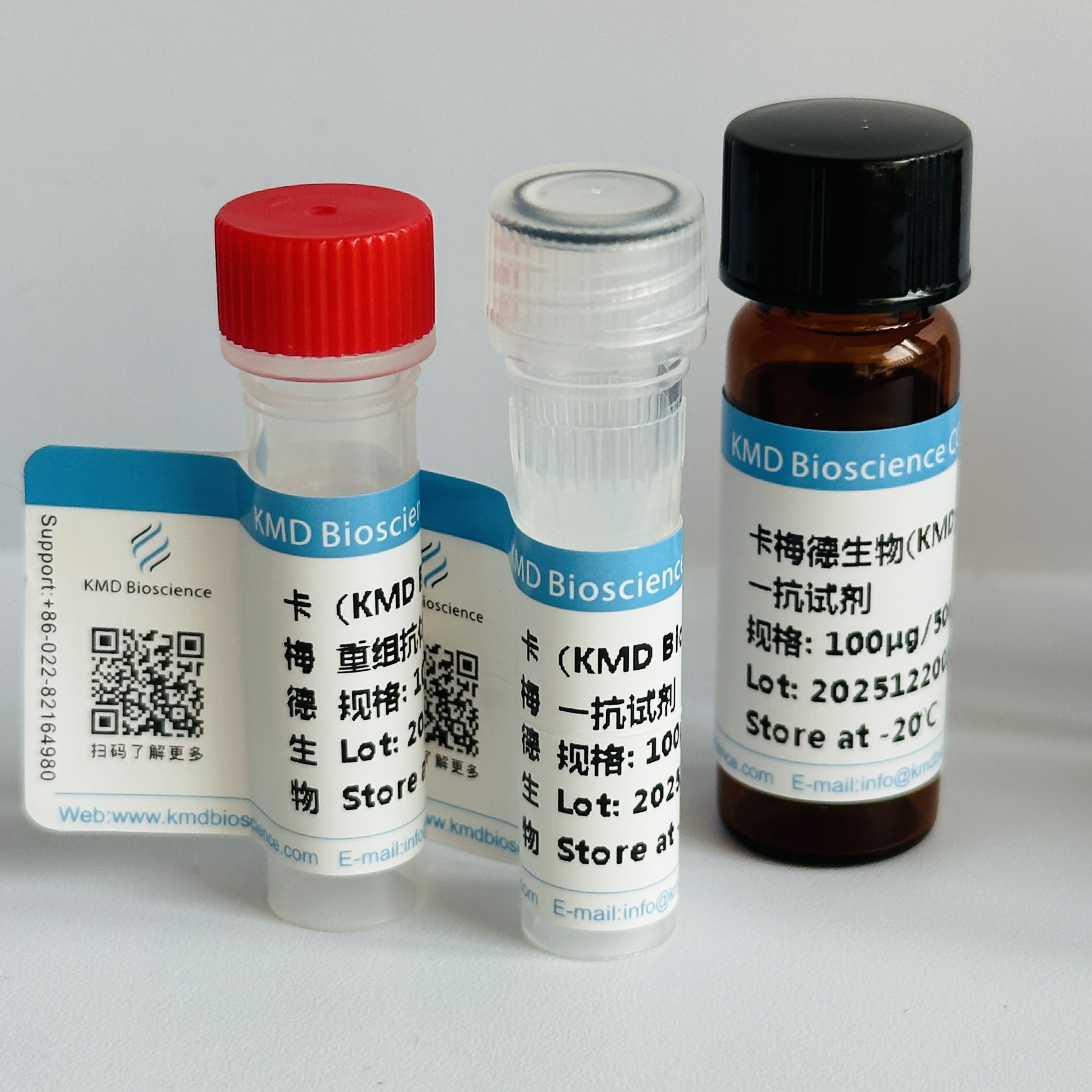
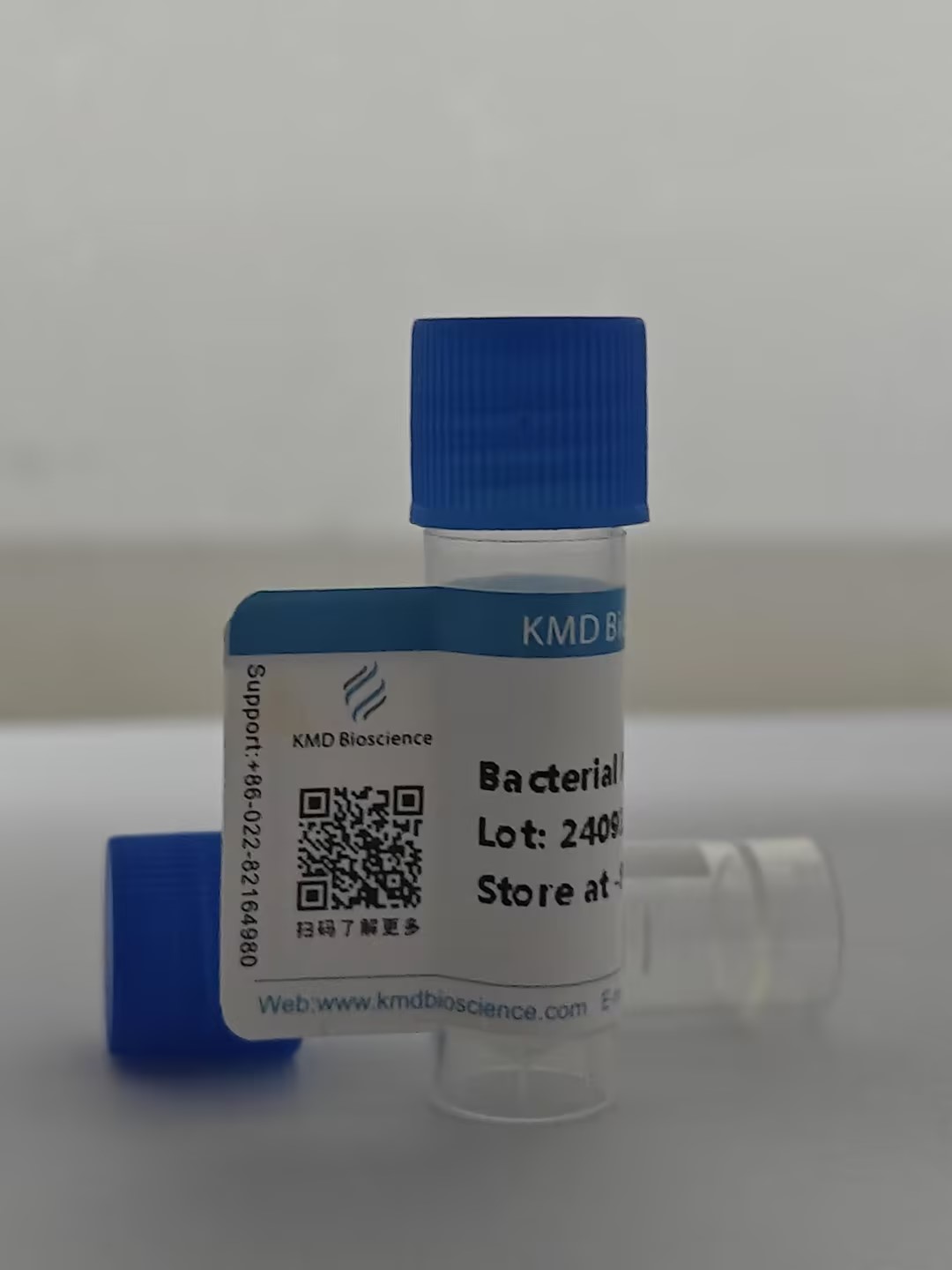
Human CD274 Protein, mFc Tag
-
Product Number
KMP2420
-
Alias
程序性死亡蛋白配体-1, programmed cell death 1 ligand 1, CD274
-
Specifications
- 50ug
- 100ug
- 200ug
KMP2420
程序性死亡蛋白配体-1, programmed cell death 1 ligand 1, CD274
| Alias | 程序性死亡蛋白配体-1, programmed cell death 1 ligand 1, CD274 |
| Catalog Number | KMP2420 |
| Product Description | The Human CD274 Protein(KMP2420) is produced in HEK293 Cells and the target gene encoding Phe19-Thr239 is expressed with a mFc tag at the C-terminus. |
| Molecular Name | CD274 |
| Species | Human |
| Host | HEK293 Cells |
| Size | 50ug, 100ug, 200ug |
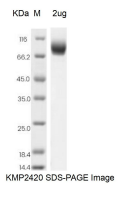
| Purity | >95% as determined by SDS-PAGE |
| Purification | Affinity purification |
| Endotoxin | <1.0 EU/ug determined by the LAL method |
| Formulation | PBS, pH7.4 |
| Background | CD274, also known as B7-H1 or programmed death ligand 1(PD-L1), is a 40 kD type I transmembrane protein and a member of the B7 family within the immunoglobulin receptor superfamily. Programmed death-1 ligand-1(PD-L1, CD274, B7-H1) has been identified as the ligand for the immunoinhibitory receptor programmed death-1(PD1/PDCD1) and has been demonstrated to play a role in the regulation of immune responses and peripheral tolerance. By binding to PD1 on activated T-cells and B-cells, PD-L1 may inhibit ongoing T-cell responses by inducing apoptosis and arresting cell-cycle progression. Accordingly, it leads to growth of immunogenic tumor growth by increasing apoptosis of antigen specific T cells and may contribute to immune evasion by cancers. PD-L1 thus is regarded as promising therapeutic target for human autoimmune disease and malignant cancers. |
| SDS-PAGE | |
| Predicted Molecular Weight | 25.3 kDa |
| Storage Condition | Aliquot and store at -20℃ to -80℃. Avoid repeated freezing and thawing cycles. |
| Shipping Condition | In general, the proteins are provided as lyophilized powder which are shipped at ambient temperature. They are shipped out in dry ice if supplied in liquid form. |
| Uniprot ID | Q9NX76 |
| References | 1.Nature 549:106-110 (2017) 2.Nature 549:101-105 (2017) |
| Function | Master regulator of recycling and plasma membrane expression of PD-L1/CD274, an immune inhibitory ligand critical for immune tolerance to self and antitumor immunity. Associates with both constitutive and IFNG-induced PD-L1/CD274 at recycling endosomes, where it protects PD-L1/CD274 from being targeted for lysosomal degradation, likely by preventing its STUB1-mediated ubiquitination. May stabilize PD-L1/CD274 expression on antigen presenting cells and potentiates inhibitory signaling by PDCD1/CD279, its receptor on T-cells, ultimately triggering T-cell anergy. |



Service Account


 0