


BL21 (DE3) and Rosetta Series Strain Selection/Comparison
- 2026-07-09
- 424
The host, vector, and culture conditions (including the culture medium) are the three main factors for the successful production of recombinant proteins. One of the most common hosts for recombinant protein production is E. coli. To optimize protein expression, scientists have engineered several E. coli strains. In general, the host strain, vector, and culture parameters are considered the key factors determining the success of recombinant protein expression in E. coli. If a strain expresses excessive amounts of endogenous proteases, this may lead to instability of the exogenously expressed product; therefore, protease-deficient strains are often ideal for expression. The BL21 series is deficient in the Lon and OmpT proteases and is a well-known expression strain.
1. BL21 and BL21 (DE3)
Most commonly used commercial E. coli strains today are derived from two isolates: K-12 and the B strain. Both BL21 and BL21 (DE3) are derived from the E. coli B strain and lack the genes encoding the Lon protease (cytoplasmic) and OmpT protease (outer membrane). BL21 contains only the E. coli RNA polymerase, whereas BL21(DE3) has the DE3 region of the λ phage integrated into the BL21 chromosome, enabling the expression of the T7 phage RNA polymerase. The lacUV5 promoter controls the T7 RNA polymerase gene, which is regulated by the endogenous E. coli lacl protein and can be induced by IPTG. BL21 can be used to express proteins whose genes are flanked upstream by E. coli RNA polymerase promoters (lac, tac, trc, ParaBAD, PrhaBAD, and T5), while BL21(DE3) can be used to express proteins whose genes are flanked upstream by the T7 promoter.
2. Rosseta
The codons preferred by eukaryotic cells differ from those in prokaryotic systems. Therefore, when expressing eukaryotic genes in a prokaryotic system, some codons in the eukaryotic gene are rare for prokaryotic cells, resulting in low expression efficiency and low expression levels. The Rosetta series consists of BL21 lacZY (Tuner (DE3)) derivatives carrying the pRARE/pRARE2 plasmids (chloramphenicol-resistant plasmids), which supplement the 6 out of 7 rare codons (AUA, AGG, AGA, CUA, CCC, GGA, and CGG) that E. coli lacks, thereby enhancing the expression levels of exogenous genes—particularly eukaryotic genes—in prokaryotic systems.
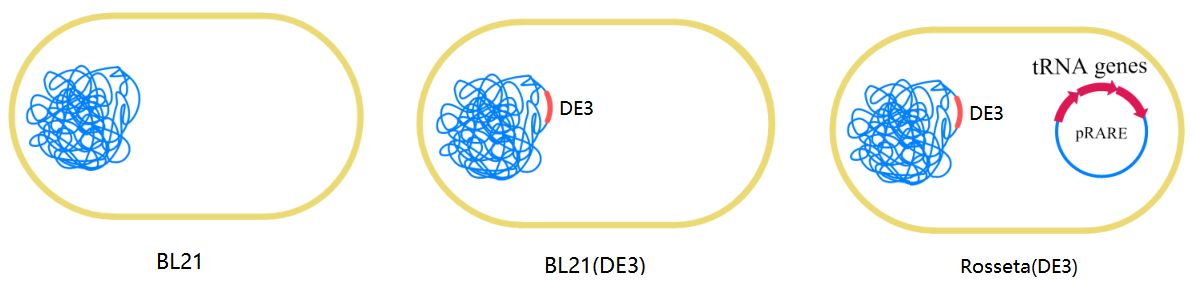
Figure 1: Schematic diagram of the strain
Strain | Features | Promoter | Applications |
| BL21 | *Lon and OmpT protease defects *IPTG induction | tac (pGEX、pMAL) | Suitable for expression systems that do not use the T7 promoter; suitable for the expression of toxic proteins. |
| BL21(DE3) | *Lon and OmpT protease defects *Carries the T7 RNA polymerase gene (λ phage DE3 region) on the chromosome, regulated by the lacUV5 promoter *IPTG-inducible | T7 (pET/pGEX/pMAL) | Suitable for the T7 and T7/lac expression systems; suitable for the expression of non-toxic proteins. |
| Rosseta(DE3) | *BL21 lacZY (Tuner (DE)) derivative strain, which integrates the DE3 region of λ phage, expresses T7 RNA polymerase, and carries a lacY mutation *tRNA encoding rare codons *IPTG-inducible | T7 (pET) | Suitable for the expression of heterologous proteins. |
Table 1: Strain Promoters and Characteristics
- Comparison of BL21(DE3) and Rosetta Strains
- E. coli
- Prokaryotic Expression
- Recombinant Protein Expression

- Protein Platform
- Protein Expression Services
- Protein Modification & Detection Services
- Protein Interaction Services
- Protein Purification Service
- Antibody Discovery Platform
- VHH Antibody Platform
- Phage Display Platform
- Antibody Humanization Platform
- Single B Cell Screening Platform
- Antibody Expression & Validation Platform
- Peptide Library Platform
- Custom Antibody Platform
- Innovative Drug Discovery Platform
- Product Center
- Proteins
- Antibodies
- Raw Materials Reagents
- Small Molecule Reagents
- Peptide Products
- Nanoparticle Products
- Contact Us
- Phone:400-621-6806
- Mobile:13110936064(WeC
- E-mail:[email protected]
- Address:Room 108, Building 10, No. 6 Hechang Road, Wuqing Development Zone, Tianjin City
-

WeChat
-

Service Account
-
 400-621-6806
 -
 3599163699
 -
 Monday to Friday 9:00-18:00
 -

-
 0
0
-
