


Experimental Procedure for Bacmid Construction
- 2026-07-10
- 284
I. What is Bacmid
The insect expression system involves transposing expression components from a transfer vector onto a baculovirus shuttle vector amplified in E. coli. The shuttle plasmid DNA is then extracted and transfected into insect cells, yielding progeny viruses that are recombinant viruses. The method involves infecting insect cells with the viral supernatant to obtain the expressed recombinant protein. The Bacmid serves as the baculovirus shuttle vector.
II. Construction of Recombinant Bacmid
1. Cloning of the Target Gene
First, the target gene was obtained by PCR amplification.
2. Construction of the pFastBac Recombinant Plasmid
The target gene was inserted into the transfer vector pFastBac.
3. Transformation of DH10Bac Cells
The DH10Bac strain serves as the host for the pFastBac vector, which carries the Tn7 transposon element. This system enables the site-specific integration of the target gene into the bacmid plasmid in E. coli via transposition. The insertion of the target gene disrupts the LacZ gene on the bacmid, causing a frameshift mutation. As a result, positive recombinant bacmids can be identified through blue-white screening. The selected recombinant bacmid is then extracted and transfected into insect cells.
4. Identification of Positive Clones
White single colonies were selected and inoculated into 5 mL of LB medium supplemented with kanamycin (50 μg/mL), gentamicin (7 μg/mL), and tetracycline (10 μg/mL). After culturing with shaking, bacterial PCR was performed to preliminarily screen for positive recombinant clones.
5. Extraction of Recombinant Plasmid
A small-scale plasmid extraction was performed, followed by PCR verification to confirm the correctness of the bacmid. The PCR-verified recombinant plasmid was then used for subsequent insect cell transfection to generate P1 and P2 viral stocks, ultimately yielding the target protein.
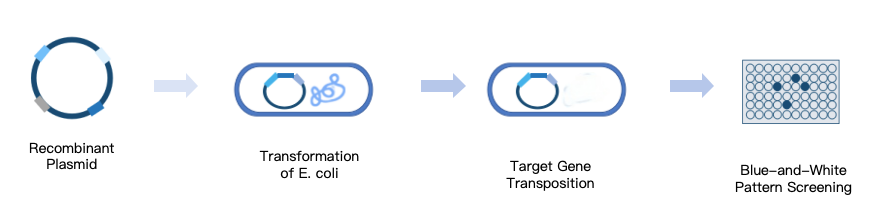
Figure 1. Experimental workflow for Bacmid construction.
KMD Bioscience has a well-established insect expression and purification system. The insect cell protein expression system is suitable for the recombinant expression of membrane proteins, and proteins with up to four transmembrane domains can be efficiently expressed and purified in insect cells. Membrane protein purification is a time- and labor-intensive process, but KMD Bioscience can provide customized full-length membrane protein products with purity as high as 95%.We offer comprehensive protein expression solutions for our clients, including free sequence analysis and testing of the provided genes. Additionally, based on the codon preferences of Sf9, Sf21, Hi-5, and S2 insect cells, we provide free codon optimization to significantly enhance recombinant protein expression levels. Our one-stop service ensures a seamless experience for your research needs.
- Eukaryotic Expression
- Recombinant Protein Insect Expression System
- Insect Cell Expression
- Protein Purification

- Protein Platform
- Protein Expression Services
- Protein Modification & Detection Services
- Protein Interaction Services
- Protein Purification Service
- Antibody Discovery Platform
- VHH Antibody Platform
- Phage Display Platform
- Antibody Humanization Platform
- Single B Cell Screening Platform
- Antibody Expression & Validation Platform
- Peptide Library Platform
- Custom Antibody Platform
- Innovative Drug Discovery Platform
- Product Center
- Proteins
- Antibodies
- Raw Materials Reagents
- Small Molecule Reagents
- Peptide Products
- Nanoparticle Products
- Contact Us
- Phone:400-621-6806
- Mobile:13110936064(WeC
- E-mail:[email protected]
- Address:Room 108, Building 10, No. 6 Hechang Road, Wuqing Development Zone, Tianjin City
-

WeChat
-

Service Account
-
 400-621-6806
 -
 3599163699
 -
 Monday to Friday 9:00-18:00
 -

-
 0
0
-
